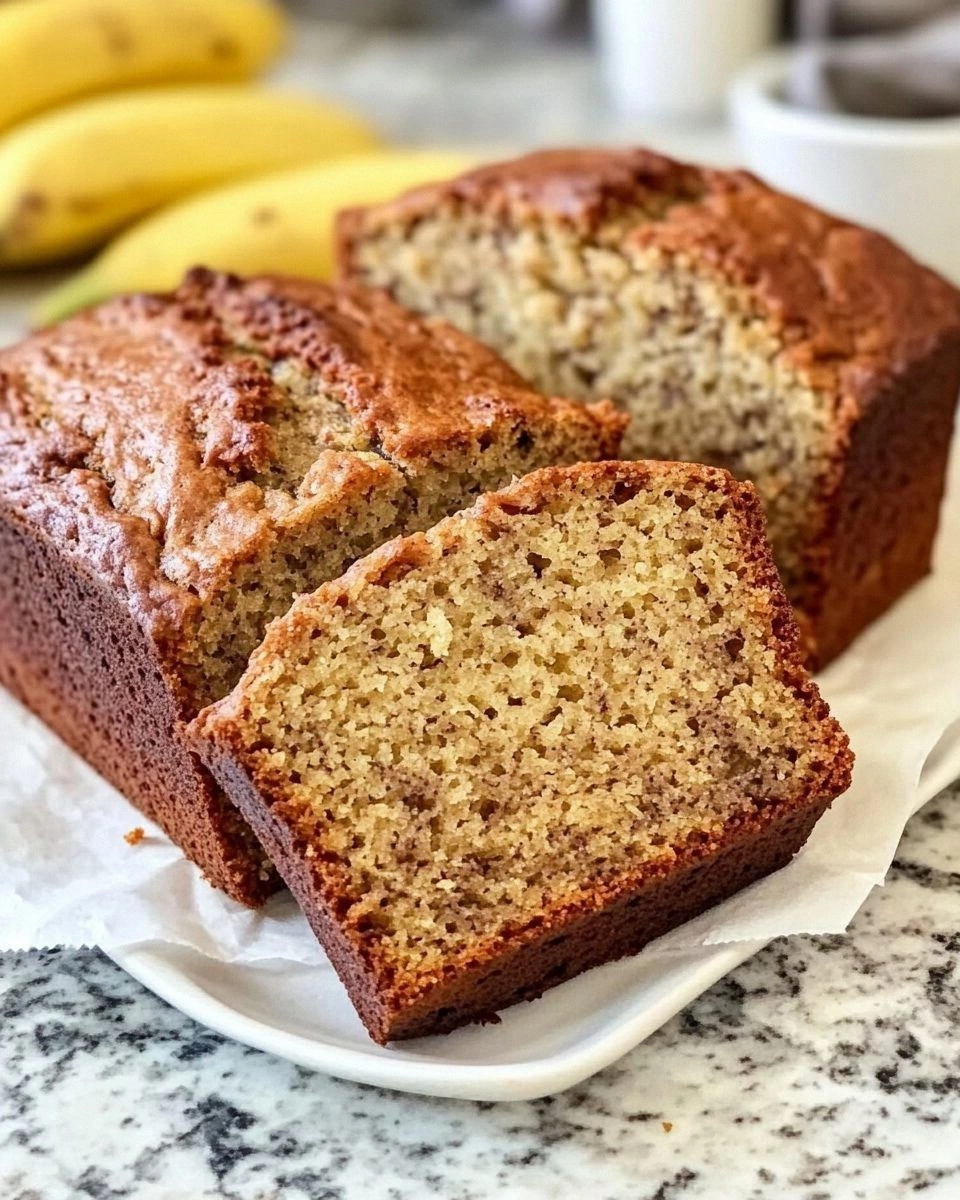
Picture this: a rainy Saturday afternoon, the kitchen humming with the low buzz of the fridge, and you, armed with a handful of overripe bananas, feeling a sudden, insistent craving for something sweet, comforting, and utterly irresistible. You toss the bananas into a bowl, mash them until they look like a thick, golden paste, and you know you’re about to create a masterpiece. That was the moment that turned a simple pantry staple into the ultimate Moist Banana Bread, a loaf that sings with buttery richness, a hint of vanilla, and a moist crumb that practically melts in your mouth. It’s the kind of recipe that feels like a secret handshake between your taste buds and your soul—one you’ll want to keep in your culinary vault forever.
I’ll be honest—when I first tried this loaf, I was skeptical. My earlier attempts had always ended in a dense, dry mess that looked more like a loaf of stale bread than a sweet treat. But this version? It’s a revelation. The aroma that fills your kitchen as the loaf bakes is a warm, caramelized promise of comfort. The first slice feels like a velvety hug, the moist interior hugging each bite, while the edges are just crisp enough to provide that satisfying crunch. It’s a loaf that will make you wonder how you ever settled for anything less. I dare you to taste this and not go back for seconds.
What makes this loaf stand out is not just the ingredients but the subtle techniques that bring out the best in each component. Think of the bananas as the sweet, naturally sweetener that replaces half the sugar, the butter that brings a silky texture, and the sour cream that keeps the crumb tender. The baking soda and salt create a perfect rise, and the vanilla extract adds depth that lingers on the palate. Every element works in harmony to produce a loaf that is hands down the best version you'll ever make at home. If you’ve ever struggled with banana bread that turns out dry or dense, you’re not alone—and I’ve got the fix.
Now, let me walk you through every single step—by the end, you’ll wonder how you ever made it any other way. From the moment you start mashing the bananas to the final slice that melts in your mouth, I’ll share the techniques, the tweaks, and the little secrets that elevate this loaf from ordinary to extraordinary. Get ready for a baking adventure that will transform your kitchen into a haven of sweet aromas and moist delights.
What Makes This Version Stand Out
- Moisture: The combination of ripe bananas, sour cream, and butter locks in moisture, giving each bite a tender, custard-like texture that stays soft even after cooling.
- Flavor Depth: Vanilla extract and a subtle pinch of cinnamon (optional) create layers of sweetness that echo the banana’s natural flavor without overpowering it.
- Balanced Sweetness: By replacing half of the sugar with mashed bananas, the loaf stays sweet but not cloying, making it a healthier alternative to traditional banana bread.
- Simple Prep: All the ingredients are measured in cups and teaspoons—no fancy tools or obscure measurements required.
- Versatile: The recipe can be tweaked with nuts, chocolate chips, or dried fruit, making it a playground for creativity.
- Make‑Ahead Friendly: The loaf keeps well for up to a week in an airtight container, and it can be frozen for longer storage.
Alright, let’s break down exactly what goes into this masterpiece…
Inside the Ingredient List
The Flavor Base
All-purpose flour is the backbone of this loaf, providing structure and a neutral canvas for the other flavors. Opt for a slightly lower protein flour if you want an even softer crumb. If you’re adventurous, try substituting 10–15% of the flour with whole wheat or oat flour to add a nutty undertone.
The Texture Crew
Unsalted butter, softened to room temperature, melts into the batter, creating a silky, rich mouthfeel. The butter’s fat content coats the flour proteins, inhibiting gluten formation and ensuring a tender crumb. If you prefer a dairy-free version, replace the butter with an equal amount of coconut oil or a neutral oil like grapeseed.
The Unexpected Star
Sour cream is the unsung hero that keeps the bread moist and adds a subtle tang that balances the sweetness. Its acidity reacts with the baking soda, providing a gentle lift while keeping the crumb tender. If you can’t find sour cream, Greek yogurt works well, though it will introduce a slightly different flavor profile.
The Final Flourish
The mashed bananas do more than sweeten—they add moisture, flavor, and natural binding. Use bananas that are at least 80% ripe; the more golden the skins, the sweeter the loaf. For a richer taste, add a teaspoon of vanilla extract, which deepens the banana’s sweetness and adds aromatic complexity.
Everything's prepped? Good. Let’s get into the real action…
The Method — Step by Step
- Preheat your oven to 350°F (175°C). Line a 9×5-inch loaf pan with parchment paper or grease it lightly with butter. This step ensures a clean release and a perfect crust. The smell of butter melting is already a good sign that the kitchen is turning into a bakery.
- In a medium bowl, whisk together 2 cups of all‑purpose flour, 1 teaspoon baking soda, and ½ teaspoon salt. Sifting the dry ingredients not only removes clumps but also aerates the flour, setting the stage for a lighter loaf. If you’re a purist, keep the mixture flat; the flour’s texture is critical.
- In a separate large bowl, cream ½ cup softened butter and 1 cup granulated sugar until the mixture is light and fluffy. Use a stand mixer on medium speed for 3–4 minutes—this incorporates air, which contributes to the loaf’s rise. The mixture should look like a pale, airy custard.
- Add 2 large eggs, one at a time, beating well after each addition. The eggs bind the batter and provide structure. Be sure to mix until the mixture is smooth and the color has brightened slightly.
- Fold in 3 ripe bananas, mashed until smooth. The bananas should be at least 80% ripe—golden skins and a sweet aroma. The mashed fruit adds both flavor and moisture; the more you mash, the more the batter will absorb.
- Stir in 1 teaspoon vanilla extract and ¼ cup sour cream. The vanilla deepens the banana flavor, while the sour cream adds tang and keeps the crumb moist. Mix until the batter is evenly colored and silky.
- Gently fold the dry flour mixture into the wet batter. Use a spatula to fold in a circular motion, being careful not to overmix. Overmixing can develop gluten, leading to a tough loaf. The batter should be thick but still pourable.
- Pour the batter into the prepared loaf pan, smoothing the top with a spatula. Tap the pan lightly on the counter to release any air bubbles. The batter should be even; if you notice a thick spot, stir it back in gently.
- Bake for 50–55 minutes, or until a toothpick inserted into the center comes out clean. The top should be golden brown and slightly firm. If you notice the edges browning too quickly, tent the loaf with foil. The loaf will continue to bake slightly once removed from the oven.
- Let the loaf cool in the pan for 10 minutes, then transfer it to a wire rack to cool completely. This step prevents condensation from making the bottom soggy. When you slice the first piece, you’ll hear that satisfying crack as the moist crumb gives way.
That’s it—you did it. But hold on, I’ve got a few more tricks that will take this to another level. The next section will show you how to tweak the loaf for extra flavor, texture, and shelf life.
Insider Tricks for Flawless Results
The Temperature Rule Nobody Follows
Many bakers bake at a high temperature for a short time, thinking it will give a crisp crust. In banana bread, a lower temperature—350°F (175°C)—allows the loaf to rise evenly and maintain moisture. If you bake at 375°F, you risk drying out the interior while the crust becomes overly brown.
Why Your Nose Knows Best
Your sense of smell is a reliable indicator of doneness. As the loaf bakes, the aroma shifts from buttery to caramelized sugar. When you smell a warm, sweet scent that’s almost vanilla‑banana, the loaf is ready. Trust your nose—don’t rely solely on the timer.
The 5‑Minute Rest That Changes Everything
After baking, let the loaf sit in the pan for 10 minutes before transferring it to a rack. This short rest allows the steam to redistribute, preventing the bottom from becoming soggy. The loaf will also set, making slicing easier and cleaner.
Add a Splash of Coffee
Stir in a tablespoon of strong brewed coffee into the batter. Coffee enhances the chocolatey undertones of the banana, giving the loaf a deeper flavor profile. It’s a simple tweak that turns a classic loaf into a café‑style treat.
The Final Touch—Butter‑Glaze
Once the loaf has cooled, brush the top with a mixture of melted butter and brown sugar. Let it set for a few minutes before slicing. The glaze creates a glossy finish and a caramelized crunch that elevates the loaf from good to unforgettable.
Creative Twists and Variations
This recipe is a playground. Here are some of my favorite ways to switch things up:
Nutty Banana Crunch
Fold in ½ cup chopped walnuts or pecans before baking. The nuts add a satisfying crunch and a nutty flavor that complements the banana sweetness. They’re especially great for a holiday loaf.
Chocolate Chip Delight
Add ½ cup semi‑sweet chocolate chips to the batter. The chocolate melts into pockets of gooey sweetness that contrast with the banana’s mellow flavor. This version is a hit with kids and adults alike.
Cinnamon Swirl
Stir in 1 teaspoon ground cinnamon and a pinch of nutmeg. The warm spices deepen the aroma and give the loaf a cozy, autumnal feel. It’s the perfect treat for a chilly evening.
Tropical Twist
Replace half of the flour with coconut flour and add ½ cup shredded coconut. The coconut adds a subtle tropical flavor and a chewy texture that pairs wonderfully with the banana.
Zesty Lemon
Add the zest of one lemon and a tablespoon of lemon juice to the batter. The citrus brightens the loaf, cutting through the sweetness and adding a fresh, bright note.
Storing and Bringing It Back to Life
Fridge Storage
Wrap the loaf tightly in plastic wrap or store it in an airtight container. It will stay fresh for up to 4 days. If you notice the crumb drying out, place a slice of apple in the container; the apple releases moisture that helps keep the loaf soft.
Freezer Friendly
Slice the loaf before freezing. Place the slices on a parchment‑lined tray, freeze until solid, then transfer to a freezer bag. This method allows you to thaw a single slice at a time without defrosting the entire loaf.
Best Reheating Method
Reheat a slice in the microwave for 15–20 seconds. For a crispier crust, wrap the slice in foil and warm it in a 350°F oven for 5 minutes. Before reheating, add a tiny splash of water to the loaf; this steams it back to perfection, restoring moisture and softness.