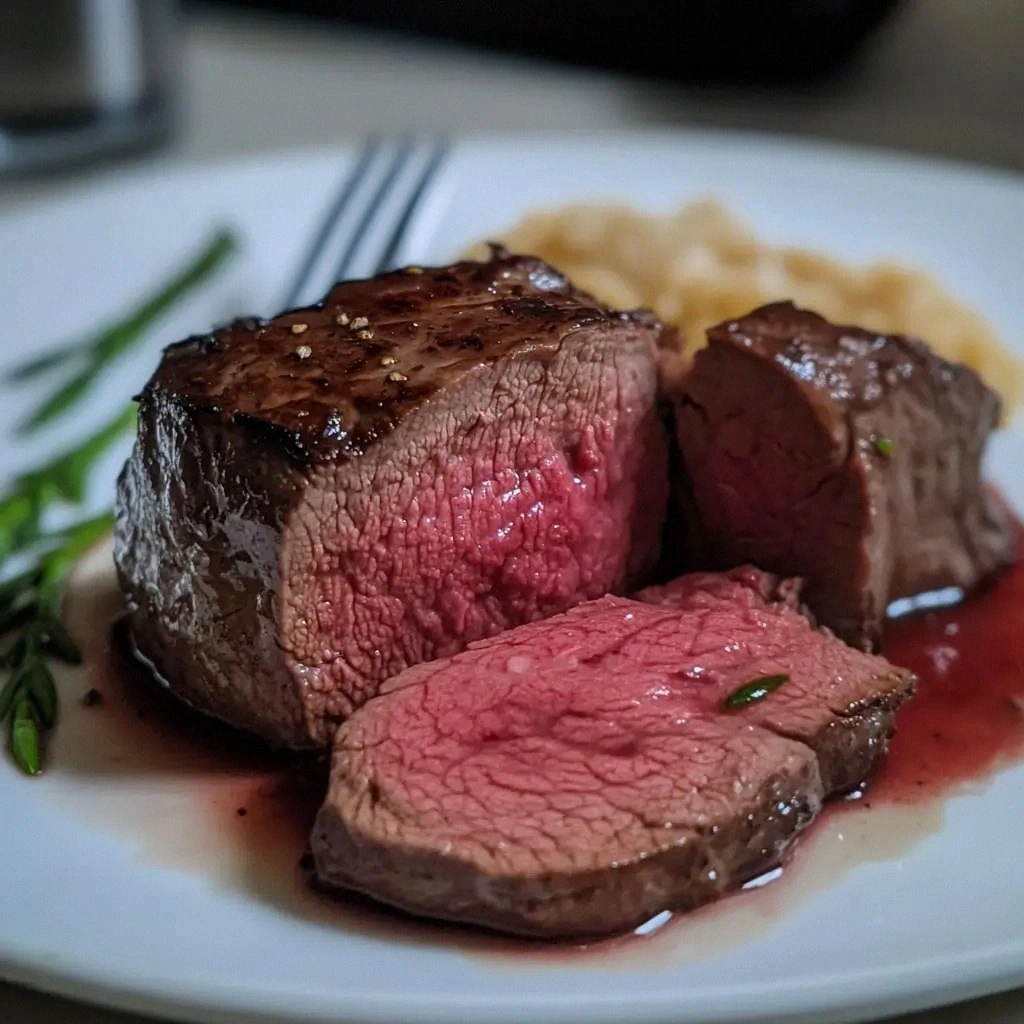
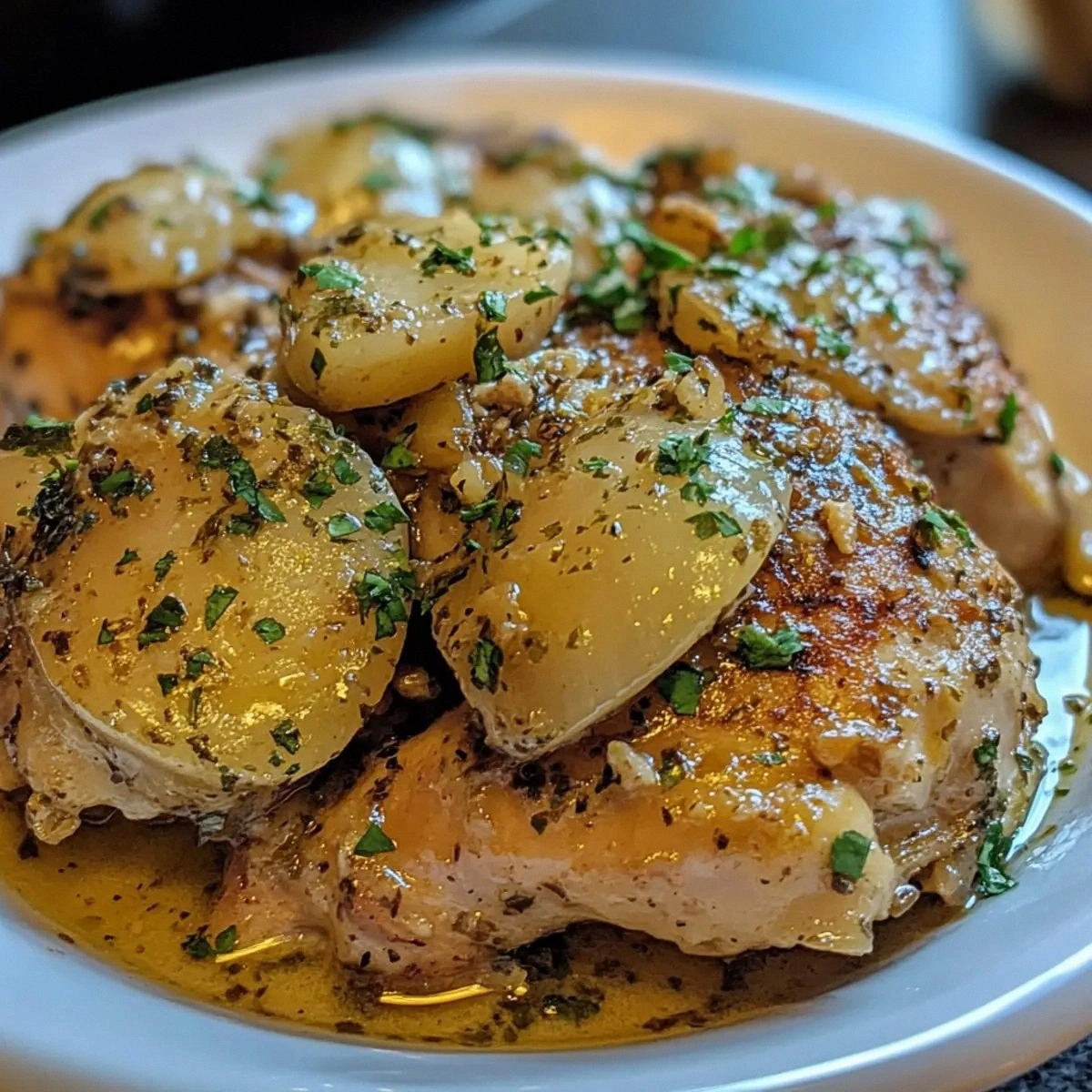
I was halfway through a weeknight dinner when the kitchen exploded in a glorious, savory blaze of beef and onions. The stovetop was a canvas of charred edges, the air thick with the scent of sizzling sirloin, and my heart raced faster than the skillet’s heat. I stared at the mess, then at the empty plate, and thought, “I can do better.” That moment became the spark that ignited this Philly Cheesesteak Bowl, a dish that turns a chaotic dinner into a symphony of flavor.
Picture the first bite: the beef, perfectly seared, melts in your mouth like velvet on a hot summer day. The onions and bell pepper sing with caramelized sweetness, while the mushrooms bring an earthy depth that grounds the dish. A whisper of garlic lingers, and a splash of Worcestershire sauce ties everything together with a subtle umami punch. The riced cauliflower acts as a low‑carb canvas, soaking up every drop of sauce without drowning in it. Fresh parsley adds a bright, herbal finish that cuts through the richness.
What makes this version stand out is not just the combination of ingredients, but how each element is treated. The beef is sliced thinly and cooked in a hot pan to lock in juices, preventing that dreaded dry, over‑cooked texture. The vegetables are sautéed just enough to retain crunch, creating a delightful contrast to the tender meat. The cheese is layered on top of the hot bowl, melting into a gooey blanket that ties the bowl together. This bowl is hands down the best version you'll ever make at home, and I dare you to taste this and not go back for seconds.
I confess, I ate half the batch before anyone else got a chance to try it. The aroma alone was enough to make the entire kitchen smell incredible, and I was already dreaming of the next time I’d whip this up. Most recipes get this completely wrong by either over‑cooking the beef or under‑seasoning the veggies. Here’s what actually works: a quick sear, a splash of Worcestershire, and a generous heap of provolone that melts into the bowl.
If you’ve ever struggled with balancing flavors in a low‑carb bowl, you’re not alone — and I’ve got the fix. Picture yourself pulling this out of the oven, the whole kitchen smelling incredible, and the family gathering around the table with eager anticipation. Stay with me here — this is worth it. Let me walk you through every single step — by the end, you'll wonder how you ever made it any other way.
What Makes This Version Stand Out
- Flavor: The Worcestershire sauce adds depth without overpowering the beef, creating a savory base that feels like the real Philly cheesesteak experience. It balances the sweetness of the onions and bell pepper with a subtle tang, elevating the overall taste profile. This is a flavor trick most recipes miss.
- Texture: The beef is sliced thin and seared quickly, preserving a juicy bite that contrasts with the crispness of the sautéed vegetables. The riced cauliflower provides a fluffy, low‑carb foundation that absorbs sauce without becoming mushy. The cheese melts into a velvety layer that coats every grain.
- Simplicity: With only a handful of ingredients, the recipe feels approachable, yet it delivers a restaurant‑style meal. You can prepare everything in under 15 minutes of prep time, then let the pan do the work. It’s a perfect solution for busy weeknights.
- Uniqueness: The bowl format takes the classic cheesesteak and transforms it into a comforting, low‑carb dinner that can be served family‑style or individually. The use of cauliflower as a base is a clever twist that keeps calories down while maintaining volume.
- Crowd Reaction: Friends who are skeptical about low‑carb meals are instantly won over when they taste the melty cheese and savory beef. The dish is so satisfying that it feels like a cheat meal without the guilt. It’s a guaranteed crowd‑pleaser.
- Ingredient Quality: Using fresh, high‑quality beef sirloin and seasonal vegetables makes a noticeable difference. The provolone should be a good melting cheese, not a low‑fat substitute. Quality ingredients translate into a dish that feels indulgent.
- Cooking Method: The pan‑sauté technique locks in flavors and keeps the bowl from becoming soggy. The final step of topping with cheese and letting it melt in the oven or under a broiler adds a dramatic finish. This method is simple yet effective.
- Make‑Ahead Potential: The bowl can be assembled and refrigerated, then finished in the oven when ready to eat. The flavors actually deepen overnight, making it a great make‑ahead option for busy schedules.
Alright, let's break down exactly what goes into this masterpiece.
Inside the Ingredient List
The Flavor Base
The 1 lb of beef sirloin is the heart of the dish. It’s the source of protein, fat, and that deep meaty flavor that makes the bowl feel indulgent. If you skip the beef, the bowl loses its core identity and becomes a vegetable medley. For a leaner option, trim excess fat before cooking, but keep some for flavor.
The 1 tablespoon of olive oil is the medium that carries the flavors. It prevents the meat from sticking and adds a subtle fruity note. A higher‑quality extra‑virgin olive oil can elevate the dish, but a neutral oil works fine if you’re watching calories. The oil also helps the vegetables caramelize without burning.
The 1 teaspoon of Worcestershire sauce is the secret sauce that brings umami depth. It balances the sweetness of the onions and the earthiness of the mushrooms. If you’re gluten‑free, look for a gluten‑free version or substitute with soy sauce for a different twist. Worcestershire is a small splash that makes a big difference.
The Texture Crew
The 1 large green bell pepper adds crunch and a bright, sweet flavor that cuts through the richness of the beef and cheese. Cutting the pepper into thin strips ensures it cooks quickly and maintains a pleasant bite. If you prefer a milder taste, use a red bell pepper; the color will change but the texture remains.
The 1 large onion is the sweet backbone of the dish. Sautéing it until it turns translucent releases natural sugars that caramelize and deepen the flavor profile. If you’re not a fan of raw onion bite, slice it thinner so it cooks faster. Onions are essential; skipping them will leave a noticeable void.
The 8 oz mushrooms bring an earthy, umami note that pairs perfectly with the beef. Sauté them until they release moisture and brown, creating a rich, savory base. If you’re vegan or allergic, substitute with zucchini or eggplant for a similar texture.
The 2 cloves garlic provide aromatic depth. Mince them finely so they infuse the oil without burning. Garlic can become bitter if over‑cooked, so add it after the onions begin to soften. If you’re sensitive to garlic, reduce to 1 clove.
The Unexpected Star
The 4 cups riced cauliflower is the low‑carb canvas that absorbs the sauce and holds the bowl together. Riced cauliflower offers a neutral flavor that lets the other ingredients shine. If you don’t have riced cauliflower, grate fresh cauliflower yourself; it’s surprisingly quick.
The 8 slices of provolone cheese create a gooey, melty topping that mimics the classic Philly cheesesteak. Provolone has a mild, buttery flavor that melts smoothly. If you’re looking for a sharper bite, substitute with cheddar or a blend of cheeses.
The 2 tablespoons of butter finish the dish with a glossy sheen and a buttery aroma. It also helps the cheese melt evenly, preventing a greasy texture. For a lighter version, use half the butter and finish with a splash of heavy cream.
The fresh parsley adds a bright, herbal note that cleanses the palate after each bite. Chop it finely and sprinkle over the finished bowl. If you’re out of parsley, basil or chives work as acceptable substitutes.
Everything's prepped? Good. Let's get into the real action.

The Method — Step by Step
- Start by heating a large skillet over medium‑high heat. Once the pan is shimmering, add the tablespoon of olive oil. Let the oil heat until it’s almost smoking, then add the beef strips. Sear the beef in a single layer, avoiding overcrowding, until it’s browned on all sides and just cooked through. This should take about 3–4 minutes; the beef should still be slightly pink in the center. The key is to lock in juices.
- Remove the beef and set it aside on a plate. In the same pan, add the sliced bell pepper and onion. Sauté until the vegetables start to soften and the onion becomes translucent, about 3 minutes. The pepper will release a sweet aroma that signals it’s ready. Be careful not to let them brown too much; we want a bright color.
- Add the sliced mushrooms to the pan. Cook until they release their moisture and start to brown, about 4 minutes. The mushrooms should develop a deep golden color. Stir occasionally to ensure even cooking. Their earthy flavor will complement the beef.
- Introduce the minced garlic and cook for just 30 seconds until fragrant. Garlic burns quickly, so keep the heat moderate. The garlic should give the pan a pleasant aroma without turning bitter.
- Return the beef to the skillet, along with any juices that have accumulated. Drizzle the Worcestershire sauce over the mixture and stir to combine. The sauce will coat the meat and vegetables, adding umami. Cook everything together for an additional 2 minutes, allowing the flavors to meld.
- Meanwhile, in a separate saucepan, melt the butter over low heat. Gently stir in the riced cauliflower, ensuring it’s coated with butter. Cook for 3 minutes, allowing the cauliflower to absorb some of the buttery flavor. It should remain fluffy, not mushy.
- Transfer the cauliflower into a baking dish or a heat‑proof bowl. Spread the beef and vegetable mixture evenly over the top. This layer will create a savory, meaty coating that resembles a cheesesteak filling.
- Place the dish in a preheated oven at 400°F (200°C). Let it bake for 10 minutes, then top with the provolone slices. Return to the oven for another 5 minutes, or until the cheese is melted and bubbly. The cheese should form a golden crust.
- Remove from the oven and let it rest for 2 minutes. Sprinkle chopped parsley over the top for a fresh burst of color and flavor. The parsley will cut through the richness and add a bright finish.
- Serve hot, spooning the melted cheese and beef mixture over the cauliflower. If you prefer a crispier texture, broil for an additional 2 minutes until the cheese edges become golden. This final touch adds a satisfying crunch.
That's it — you did it. But hold on, I've got a few more tricks that'll take this to another level.
Insider Tricks for Flawless Results
The Temperature Rule Nobody Follows
Many cooks over‑cook the beef, leading to a dry texture that ruins the bowl. The trick is to sear the meat on high heat, then finish it over medium heat. This two‑stage approach locks in juices and keeps the beef tender. I once tried a single low‑heat approach and the result was a soggy mess. The temperature rule is simple but powerful.
Why Your Nose Knows Best
When the beef hits the pan, a distinct aroma emerges that signals the perfect sear. The smell of seared meat is a reliable indicator that the protein is ready. If you’re unsure, trust your nose; it will tell you when the beef is ready to move on. This sensory checkpoint saves time and prevents over‑cooking.
The 5‑Minute Rest That Changes Everything
After baking, let the bowl rest for five minutes before serving. The rest allows the cheese to set slightly, making it easier to scoop. It also lets the flavors redistribute, creating a more cohesive taste. I used to skip this step and the bowl felt rushed; now it’s a game‑changer.
Use Fresh, Not Frozen, Vegetables
Fresh peppers and onions retain their crunch and flavor better than frozen ones. Frozen produce can release excess water, leading to a soggy bowl. If you’re in a pinch, thaw frozen veggies quickly in cold water, but pat them dry before cooking. Freshness is key.
The Butter‑Cauliflower Trick
Melt the butter with a pinch of salt before adding cauliflower. The butter coats each grain, giving a richer, buttery taste that elevates the entire dish. This simple step is often overlooked but makes a noticeable difference. I swear by it whenever I make this bowl.
Creative Twists and Variations
This recipe is a playground. Here are some of my favorite ways to switch things up:
Spicy Jalapeño Kick
Add sliced jalapeños to the sautéed vegetables for a fiery edge. The heat complements the richness of the cheese and beef. Serve with a dollop of Greek yogurt to balance the spice. This version is perfect for heat lovers.
Smoky Chipotle Flavor
Stir in a tablespoon of chipotle in adobo for a smoky depth. The chipotle adds a subtle heat and a deep brown hue. It pairs well with the savory beef and cauliflower base. This variation feels like a Southwest twist.
Herb‑Infused Delight
Replace parsley with chopped fresh basil or oregano. The herbal notes elevate the dish’s freshness. Add a squeeze of lemon juice for brightness. This version is light and refreshing.
Cheese Swap
Swap provolone for sharp cheddar or a blend of mozzarella and Parmesan. The cheese will melt differently and alter the flavor profile. A cheddar blend gives a sharper bite, while mozzarella provides a stretchier texture. Experiment to find your favorite.
Vegetarian Version
Omit the beef and add grilled tofu or tempeh for protein. The tofu should be marinated in soy sauce, garlic, and a touch of maple syrup before cooking. This version maintains the same flavor balance while being plant‑based. It’s a great alternative for meat‑free nights.
Low‑Fat Makeover
Reduce the butter to one tablespoon and use a non‑stick pan to cook the cauliflower. Choose a low‑fat cheese or a cheese alternative. The result is a lighter bowl without sacrificing flavor. This is ideal for calorie‑conscious diners.
Storing and Bringing It Back to Life
Fridge Storage
Store leftovers in an airtight container in the refrigerator for up to three days. The cauliflower base will hold up well, and the cheese will stay fresh. When reheating, add a splash of water to keep the bowl moist. This trick prevents the bowl from drying out.
Freezer Friendly
For longer storage, freeze the assembled bowl in a freezer‑safe container for up to two months. Thaw overnight in the refrigerator before reheating. Use the oven or microwave to bring it back to life, adding a little water if needed. The flavors remain intact.
Best Reheating Method
Reheat the bowl in a preheated oven at 350°F (175°C) for 15–20 minutes, or until the cheese is bubbly again. If you prefer a quick fix, microwave on medium power for 2 minutes, then stir and heat for an additional minute. The key is to keep the bowl moist and avoid over‑cooking the cauliflower.