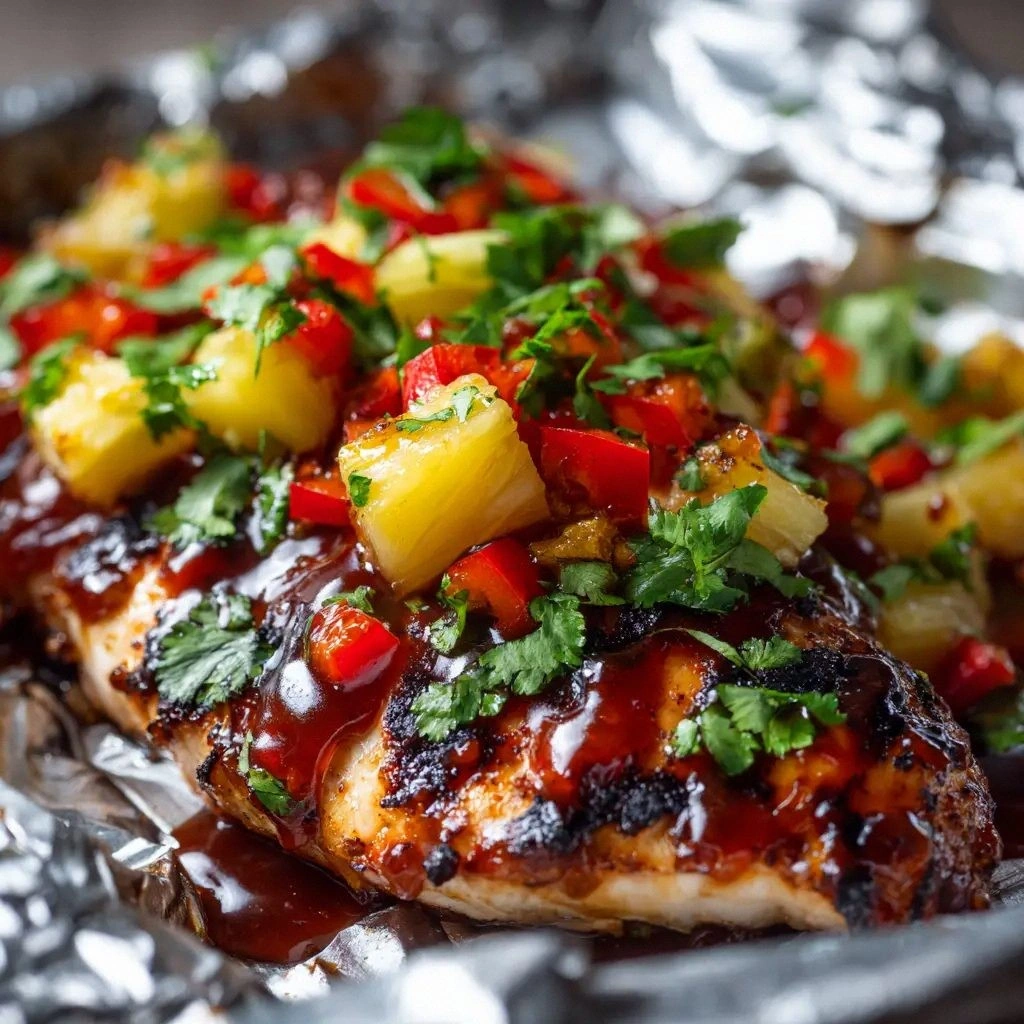
It all started on a rainy Saturday when I was trying to salvage a half‑cooked batch of chicken that had somehow ended up in a pot of too‑strong marinara. The result? A soggy, flavorless mess that made me curse the kitchen. But that disaster sparked a craving that I could not shake: I wanted something sweet, smoky, and bright—something that would make the smell of my kitchen feel like a tropical vacation. I remember the moment the scent of fresh pineapple hit my nose, and I knew I had to turn this mishap into a masterpiece.
Picture this: a sizzling sheet of foil‑wrapped chicken that, when opened, releases a burst of steam scented with citrus, garlic, and a whisper of ginger. The first bite is a juicy explosion of tender meat, caramelized edges, and that unmistakable tang of barbecue sauce that coats the skin like velvet. Then the sweet pineapple chunks give a juicy counterpoint, and the fresh cilantro adds a bright, almost herbal finish that lifts every flavor. It’s the kind of dish that turns a regular dinner into a mini celebration.
Why does this version stand out? Because I didn’t settle for the standard “grill it, toss it in sauce” routine. I layered flavors, used a foil‑packet technique that locks in moisture, and added a splash of pineapple juice to create a glaze that’s both glossy and fragrant. The result is a dish that feels both comforting and adventurous, with a texture that’s crisp on the edges yet melts in your mouth. Trust me, I dare you to taste this and not go back for seconds.
And the best part? This recipe is a game‑changer for any kitchen—no fancy equipment required, just a sheet of foil and a little patience. If you’ve ever struggled with over‑cooked chicken or unevenly caramelized sauce, you’re not alone—and I’ve got the fix. Picture yourself pulling this out of the oven, the whole kitchen smelling incredible, and a plate that looks like it belongs in a five‑star resort. Let me walk you through every single step—by the end, you’ll wonder how you ever made it any other way.
Before we dive into the ingredients, let’s break down exactly what goes into this masterpiece. The magic is in the balance of sweet, savory, and a hint of heat that makes every bite memorable. I’ll show you the precise ratios and the little tricks that elevate the dish from good to unforgettable. And I’ll sprinkle in some insider secrets that most recipes miss, so you can avoid the common pitfalls and nail the flavor every time.
Now that you’re primed, let’s talk about the core components that make this dish sing. I’ll divide them into four groups: the flavor base, the texture crew, the unexpected star, and the final flourish. Each group is essential, and together they create a symphony of taste that’s hard to resist. Ready? Let’s get started.
What Makes This Version Stand Out
- Flavor: The blend of smoky barbecue sauce with sweet pineapple juice creates a glaze that’s both tangy and caramelized, delivering a burst of flavor in every bite.
- Texture: The foil‑packet method locks in moisture, resulting in tender chicken that’s still crisp on the edges, a contrast that’s impossible to resist.
- Simplicity: With only twelve ingredients, this dish is a quick, low‑effort dinner that still feels gourmet.
- Uniqueness: The addition of fresh ginger and cilantro adds a layer of complexity that sets it apart from standard BBQ chicken.
- Crowd‑Pleaser: Whether you’re cooking for friends or family, the bright, tropical flavor profile makes it a guaranteed hit.
- Make‑Ahead Potential: Marinate ahead of time, wrap, and refrigerate for up to 24 hours—perfect for busy weekdays.
Inside the Ingredient List
The Flavor Base
At the heart of this dish is a marriage between smoky barbecue sauce and the bright sweetness of pineapple. The barbecue sauce provides a deep, caramelized flavor that’s almost addictive, while the pineapple juice cuts through the richness with a refreshing acidity. Together, they create a glaze that coats the chicken like a glossy, savory coat, sealing in moisture while adding a subtle sweetness that lingers on the palate.
Choosing the right barbecue sauce can make or break the dish. Look for a sauce with a balanced profile—neither too sweet nor too vinegary. A sauce with a hint of molasses or dark brown sugar will deepen the caramelization during cooking, while a milder sauce will keep the pineapple’s brightness front and center. If you’re a fan of a little heat, add a pinch of cayenne or a dash of sriracha to the mix.
Another key component is fresh ginger. Ginger adds a bright, peppery kick that cuts through the richness of the sauce and pairs beautifully with the pineapple. Its subtle heat is a perfect counterbalance to the sweetness, creating a well‑rounded flavor profile. If you’re not a fan of ginger, you can substitute a small amount of fresh garlic for a different aromatic base.
Fresh cilantro is the finishing touch that lifts the dish with a burst of green freshness. It’s the final layer of flavor that brings everything together, adding a herbal note that brightens the plate. Cilantro also provides a subtle citrus undertone that echoes the pineapple’s natural acidity. A generous handful of chopped cilantro tossed at the end of cooking gives the dish a vibrant, almost tropical look.
In this recipe, the cilantro is added after cooking to preserve its bright color and fresh flavor. It’s a simple step, but it makes a huge difference in the overall taste and visual appeal. The cilantro also offers a pleasant contrast to the sweet glaze, creating a harmonious balance of flavors that’s both complex and approachable.
The Texture Crew
Texture is everything in this dish, and the foil‑packet technique is the secret weapon that delivers it. By sealing the chicken and vegetables in a tight packet, the steam trapped inside cooks the meat evenly and locks in moisture, ensuring a juicy result every time. The foil also creates a mini‑oven effect, allowing the flavors to meld together while preventing the chicken from drying out.
The bell peppers and red onion add a satisfying crunch and a pop of color. Their natural sweetness and slight bitterness provide contrast to the sweet glaze, creating a more complex bite. When cooked in the foil, the peppers soften just enough to release their juices, which mingle with the sauce and add depth to the dish.
The pineapple chunks are a game‑changer for texture. They burst with juiciness when heated, releasing a sweet, slightly tart liquid that becomes part of the glaze. The pineapple’s natural sugars caramelize slightly, giving a subtle crispness on the outside while remaining tender on the inside. This dual texture adds a delightful surprise to each bite.
Olive oil is the binder that brings everything together. A light drizzle of olive oil on the chicken before marinating helps the sauce adhere to the meat, enhancing the flavor and preventing sticking. Olive oil also adds a subtle fruity note that complements the sweetness of the pineapple and the richness of the barbecue sauce.
Finally, the low‑sodium soy sauce adds depth and umami to the dish. It’s a quick way to introduce savory notes without overwhelming the other flavors. If you prefer a vegetarian version, you can replace soy sauce with a splash of tamari or coconut aminos for a slightly sweeter, nutty profile.
The Unexpected Star
The pineapple chunks are truly the unexpected star of this recipe. While many BBQ chicken recipes rely on tomato‑based sauces or simple marinades, the addition of fresh pineapple provides a burst of tropical flavor that elevates the dish. The pineapple’s natural sweetness balances the savory elements, creating a harmonious flavor profile that’s both familiar and adventurous.
Moreover, the pineapple’s acidity helps tenderize the chicken, ensuring that each bite is succulent. The fruit’s natural enzymes break down the protein fibers, resulting in a melt‑in‑your‑mouth texture that’s hard to resist. This subtle tenderness is a result of the pineapple’s bromelain content, which works wonders when marinated for even a short period.
Beyond flavor and texture, pineapple adds a vibrant visual element to the dish. The bright yellow chunks contrast beautifully with the deep reds of the peppers and the golden glaze, creating a plate that’s as pleasing to the eye as it is to the palate. It’s a simple yet effective way to make the dish feel festive and celebratory.
In a world of bland BBQ chicken, pineapple is a breath of fresh air. Its presence turns a standard recipe into a tropical escape, making it perfect for summer parties or a cozy week‑night meal. By incorporating pineapple, you’re not just adding sweetness—you’re adding a layer of complexity that will keep your guests coming back for more.
The Final Flourish
The final flourish of this dish comes in the form of fresh cilantro and a splash of pineapple juice. The cilantro adds a burst of green freshness that brightens the plate, while the pineapple juice enhances the glaze’s shine and sweetness. Together, they create a finishing touch that feels both elegant and approachable.
Adding the cilantro at the end preserves its bright color and fresh flavor, preventing it from wilting or turning bitter. The cilantro’s subtle citrus undertone echoes the pineapple’s natural acidity, creating a harmonious balance of flavors. It also adds a pleasant aroma that invites you to dig in.
The pineapple juice, meanwhile, works to deepen the glaze’s sweetness and add a glossy finish. It helps the sauce adhere to the chicken, creating a caramelized coating that’s both visually appealing and flavorful. The juice also provides a subtle tang that cuts through the richness of the barbecue sauce, creating a well‑rounded taste profile.
These final touches transform the dish from a simple meal into a memorable experience. They’re the small details that make a difference, and they’re easy to add—just a handful of cilantro and a splash of juice. When you plate the dish, you’ll see a bright, tropical color palette that’s impossible to resist.
Everything’s prepped? Good. Let’s get into the real action and start building that flavor.
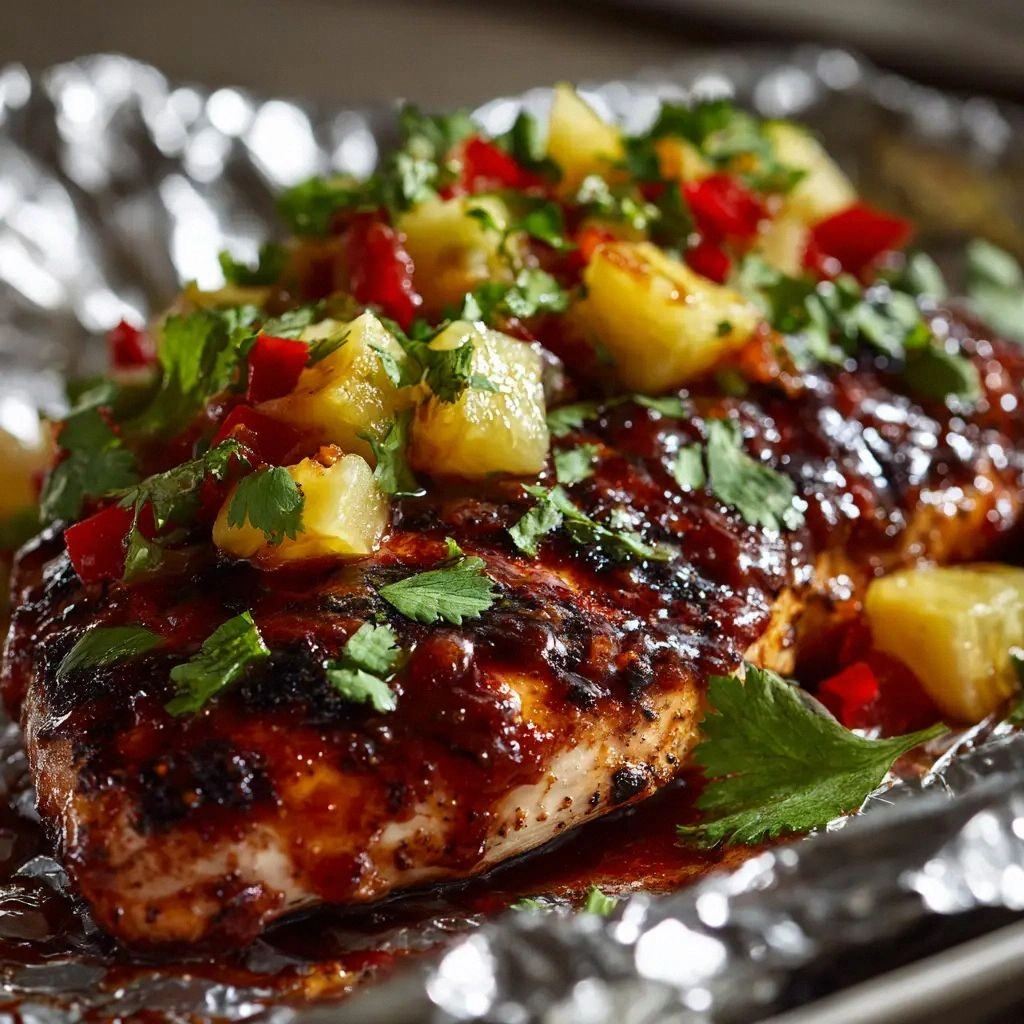
The Method — Step by Step
- Begin by trimming any excess fat from the chicken breasts; the leaner the better for a light, juicy finish. Pat the chicken dry with a paper towel—this step ensures the glaze adheres properly. Slice the chicken into 1‑inch thick strips, which will cook evenly and absorb the marinades. Place the strips in a large bowl, and set aside.
- In a separate bowl, combine the barbecue sauce, pineapple juice, soy sauce, minced garlic, grated ginger, and olive oil. Whisk until the mixture is smooth and the oil is fully emulsified. This sauce is the heart of the dish, providing both sweetness and depth. Pour the sauce over the chicken, making sure every piece is coated.
- Allow the chicken to marinate for at least 30 minutes, or up to 2 hours in the refrigerator. The longer the marination, the more the flavors penetrate the meat. If you’re short on time, a quick 15‑minute marinate will still deliver a tasty result. During this time, the ginger and garlic begin to infuse the chicken with aromatic warmth.
- While the chicken marinates, prepare the vegetables. Slice the red and green bell peppers into thin strips, and dice the red onion into bite‑size pieces. Toss the vegetables with a splash of olive oil and a pinch of salt to balance the sweetness of the pineapple.
- Lay out large sheets of heavy‑grade aluminum foil—each sheet should be big enough to wrap a single packet. Place a generous amount of the marinated chicken, followed by a handful of pineapple chunks, bell pepper strips, and onion pieces onto the foil. The arrangement matters: start with the chicken at the bottom to keep it juicy, then layer the vegetables on top.
- Drizzle a little more sauce over the top of each packet to ensure everything stays moist during baking. Fold the foil over the ingredients, sealing the edges tightly to trap the steam. The steam will gently cook the chicken, allowing the flavors to mingle and the glaze to thicken.
- Preheat your oven to 375°F (190°C). Arrange the foil packets on a baking sheet, ensuring they’re not touching to allow even heat distribution. Bake for 25‑30 minutes, or until the chicken reaches an internal temperature of 165°F (74°C). The aroma that fills the kitchen will be an early hint of the tropical feast to come.
- Remove the baking sheet from the oven and let the packets sit for 5 minutes before opening. This brief rest allows the juices to settle, preventing a splashy mess when you open the foil. Carefully peel back the foil, and you’ll see a glossy, caramelized glaze coating the chicken.
- Transfer the cooked chicken and vegetables to a serving platter. Sprinkle fresh cilantro over the top, and give the dish a final drizzle of pineapple juice to add a subtle shine. Plate with a side of rice or a fresh salad, and you’ve got a meal that’s both comforting and exotic. Serve hot, and watch the smiles appear instantly.
That’s it — you did it. But hold on, I've got a few more tricks that'll take this to another level.
Now that you’ve mastered the basic technique, you might wonder how to elevate the dish further. A few simple tweaks can transform the flavor profile and presentation, turning a great meal into an unforgettable experience. Let’s explore some insider tricks that will keep your taste buds dancing.
Insider Tricks for Flawless Results
The Temperature Rule Nobody Follows
Many cooks assume that higher temperatures always yield better caramelization, but that’s a myth. The secret is to maintain a steady, moderate heat that allows the sugars in the sauce to melt without burning. A temperature of 375°F (190°C) is ideal, as it cooks the chicken evenly while giving the glaze time to thicken. If you’re using a gas stove, keep the flame low to avoid flare‑ups that can char the edges.
Why Your Nose Knows Best
Before you even open the foil, listen for the first crackle of steam. That sound is a cue that the chicken is nearly done, and the glaze is ready to set. Trust your nose and ears—if the aroma feels sweet and slightly smoky, it’s time to pull the dish from the oven. Skipping this step can lead to over‑cooked, dry chicken.
The 5‑Minute Rest That Changes Everything
Resting the foil packets for 5 minutes after baking is more than a courtesy; it’s a science experiment. During this rest, the juices redistribute throughout the meat, ensuring each bite is juicy. It also allows the glaze to thicken slightly, giving that glossy finish that looks restaurant‑quality. Skipping the rest will result in a watery sauce and less flavorful chicken.
Keep the Heat Even with a Baking Sheet
Use a dark‑colored baking sheet to absorb heat and create a more consistent cooking environment. The darker surface reduces the risk of uneven browning and ensures the foil packets cook evenly. If you don’t have a dark sheet, simply preheat the regular sheet for a few minutes before placing the packets.
Finishing with Fresh Herbs
Adding cilantro at the very end preserves its bright color and fresh flavor. If you’re looking for a different herb, try mint or basil for a twist. The key is to add the herbs after the packets are opened, so the delicate flavors don’t get lost in the heat.
Quick Heat‑Up for Leftovers
Leftovers can be revived in under 5 minutes on a skillet. Add a splash of pineapple juice, cover, and let it steam. This technique brings back the moisture and glaze without overcooking the chicken. It’s a perfect solution for a busy weekday dinner.
With these insider tricks, you’re now equipped to take this dish to the next level. You’ll see how small adjustments can make a huge difference in flavor and presentation. The next time you cook, keep these tips in mind, and you’ll be amazed at how quickly your dish transforms.
Now that you’re armed with the knowledge, let’s explore some creative variations that will keep your taste buds on their toes. From spicy twists to vegetarian options, there’s a version for every palate.
Creative Twists and Variations
Spicy Sriracha Kick
Swap out a portion of the barbecue sauce for sriracha to add a fiery punch. The heat from the sriracha balances the sweetness of the pineapple, creating a complex flavor profile. This version is perfect for those who love a bit of spice in their meals.
Teriyaki Fusion
Replace the barbecue sauce with teriyaki sauce and add a splash of sesame oil for an Asian‑inspired twist. The umami of teriyaki pairs beautifully with the pineapple, while the sesame oil adds a nutty aroma. Serve over jasmine rice for a complete meal.
Grilled Pineapple Surprise
Instead of baking, grill the foil packets on a preheated grill for a smoky char. The grill marks add visual appeal and a deeper smoky flavor. This method is ideal for summer cookouts and adds an outdoor element to the dish.
Low‑Carb Delight
Omit the pineapple chunks and replace them with sliced zucchini or eggplant. The vegetables absorb the sauce and become tender, creating a low‑carb version that’s still flavorful. Pair with cauliflower rice for a complete low‑carb meal.
Vegan Version
Use tofu or tempeh instead of chicken for a plant‑based option. Marinate the tofu in the same sauce, and wrap with the vegetables. The tofu will absorb the flavors, making it a hearty, satisfying dish.
Breakfast Twist
Serve the dish with a side of scrambled eggs and toast for a sweet‑savory breakfast. The pineapple’s sweetness complements the eggs, while the barbecue glaze adds a savory kick. This version is a unique way to start the day.
These variations show that this recipe is a playground for creativity. Each twist offers a new flavor profile that keeps the dish exciting. Pick one that matches your mood, and enjoy the endless possibilities.
Now that you’ve explored the variations, let’s talk about how to store and reheat this dish without losing its magic.
Storing and Bringing It Back to Life
Fridge Storage
Store leftovers in an airtight container or zip‑lock bag for up to 3 days. The foil packets help preserve moisture, but the dish is best enjoyed within 48 hours for optimal flavor. When you’re ready to eat, simply reheat in the oven at 350°F (175°C) for 10 minutes.
Freezer Friendly
Freeze the foil packets in a freezer‑safe bag for up to 2 months. When reheating, thaw overnight in the refrigerator and bake at 350°F (175°C) for 15 minutes. This method keeps the texture intact and the flavors vibrant.
Best Reheating Method
The oven is the best way to reheat, as it maintains the glaze’s thickness and the chicken’s juiciness. If you’re short on time, microwave on medium power for 2 minutes, then finish in a skillet with a splash of pineapple juice to restore moisture.
Remember to add a tiny splash of water before reheating—this steams the chicken back to perfection, preventing it from drying out. The steam helps the glaze re‑thicken, giving you that glossy, caramelized look you love. With these tips, your leftovers will taste almost as fresh as the first batch.
Now that you’re ready to serve, let’s dive into the recipe card that holds all the details you need to recreate this dish at home.