I ruined my first batch of cranberry orange maple scones so spectacularly that my smoke alarm started singing opera and my dog still won't enter the kitchen when he hears the mixer. Picture this: it was a grey Sunday morning, the kind where the light slants just right through the window and whispers, “bake something that makes the neighbors jealous.” I was chasing the memory of a scone I’d devoured at a tiny Vermont café—flaky, buttery, studded with ruby cranberries that burst like tart fireworks, kissed with orange sunshine, and finished with the kind of maple glaze that makes you close your eyes involuntarily. I cranked my oven to 425°F, flung flour like I was auditioning for a cooking show, and promptly forgot that cold butter is non-negotiable. The result? Dense, squat hockey pucks that could have doubled as pumice stones. My partner bit into one, chewed thoughtfully, and said, “Well, they’re… rustic.” Translation: inedible.
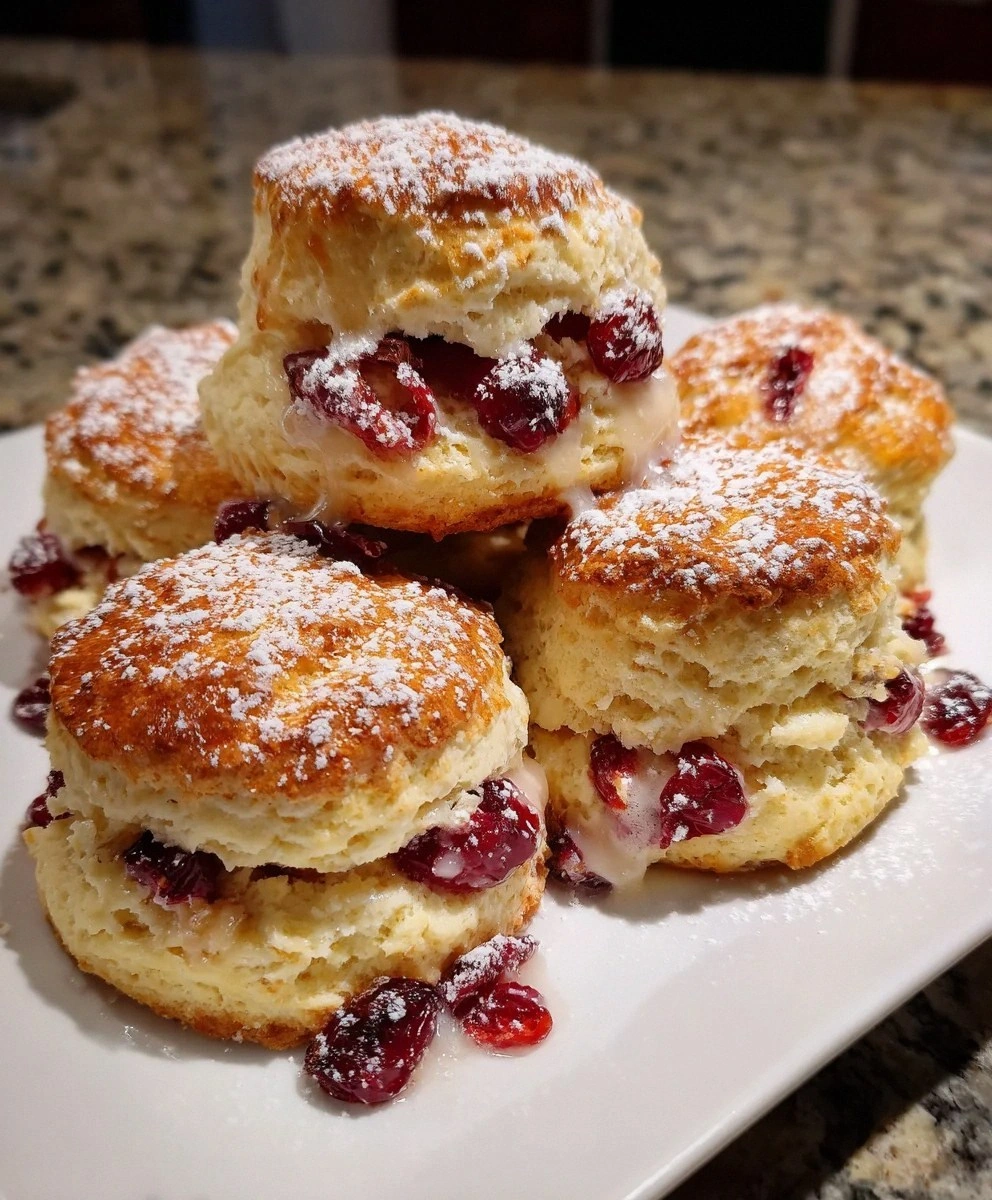
Fast-forward through three more weekends, a mountain of butter wrappers, and one frantic call to my baker friend who swore on her nonna’s rolling pin that the secret was in the folding technique. She was right. I tweaked, tested, and tasted my way to the version you’re about to meet: cranberry orange maple scones so tall they practically curtsey, with layers that flake apart like a croissant’s confident cousin, cranberries that stay plump because they get a quick spa treatment in hot maple syrup, and a glaze that sets into a paper-thin shell of maple-orange perfection. I ate three in a row without breathing, then wrapped the rest and hid them behind the frozen peas so I wouldn’t finish the batch before photos. I dare you to taste these and not go back for seconds. Actually, I dare you to walk past the cooling rack without “testing” a corner.
What you’re getting today is not just another scone recipe—this is the culmination of obsessive tinkering, butter temperature vigilance, and the realization that maple syrup belongs in the dough, not just the glaze. Most recipes treat maple as an afterthought, a polite drizzle on top. I say maple is the backbone, the bass note, the warm sweater that brings cranberries and orange zest together for a group hug. The technique borrows from laminated pastries without the marathon effort: a quick fold-and-turn that creates whisper-thin layers, plus a freezer pause that chills the butter so it steams in the oven and creates lift. By the time you pull these bronzed beauties from the oven, your kitchen will smell like a Canadian forest collided with a Florida grove and decided to throw a pastry party.
Stay with me here—this is worth it. I’m going to walk you through every single step: why the butter must be frozen-ish, how to keep the cranberries from bleeding pink streaks, the temperature sweet spot that guarantees lofty rise, and the glaze trick that dries to a delicate crackle instead of a sticky mess. By the end, you’ll wonder how you ever made it any other way. Okay, ready for the game-changer?
What Makes This Version Stand Out
- Maple-Infused Depth: Instead of a token tablespoon in the glaze, we reduce maple syrup until it’s concentrated, then fold it into the dough for a haunting sweetness that lingers longer than a phone call from your mother-in-law.
- Cranberry Spa Treatment: A 90-second hot maple bath plumps the berries so they burst juicily rather than shrivel into tart raisins that scream for dental floss.
- Flash-Fold Layers: One tri-fold after grating frozen butter creates strata so delicate they separate like theater curtains when you break a scone open, no pastry degree required.
- Orange Zest Two Ways: Zest goes into the dough for sparkle, then the glaze gets a whisper of orange oil for a finish that smells like sunshine bottled in a jar.
- Freezer Pause Magic: A 15-minute chill while the oven preheats re-solidifies butter so the scones rise like they’ve got hot-air balloons inside, eliminating the dreaded spread-and-puddle.
- Make-Ahead Champion: Shape, freeze on a sheet, then bag for up to two months. Bake straight from frozen—add three minutes and you’ve got fresh scones on a Wednesday morning without dirtying a single bowl.
- Glaze That Sets: A 3:1 sugar-to-liquid ratio plus a whisper of cream means the glaze dries to a matte shell that won’t stick to your fingers when you sneak one from the cookie jar.
Alright, let’s break down exactly what goes into this masterpiece...
Inside the Ingredient List
The Flavor Base
All-purpose flour is the quiet backbone—too little and your scones slump like disappointed shoulders, too much and they taste like library paste. I use 11% protein flour for just enough gluten to hold the layers without turning chewy. If you can find pastry flour, swap in half for a more tender crumb that sighs when you bite it. And please, for the love of flaky pastry, fluff the flour in the bag before you scoop; packing it is the fast track to hockey-puck city.
Granulated sugar does more than sweeten—it tenderizes by interfering with gluten and helps the crust caramelize to a burnished bronze that makes you want to bronze it further and call it art. I keep it modest because maple syrup is bringing backup sweetness later. If you want a more complex depth, swap in ¼ cup light brown sugar for a hint of toffee that plays beautifully with cranberries.
Pure maple syrup is the soul of this recipe. Skip the “pancake syrup” imposters; they’re flavored corn syrup wearing a maple costume. Grade A Dark Color (formerly Grade B) has robust, almost smoky notes that punch through flour and butter without disappearing. We reduce a ¼ cup down to 2 tablespoons so the water evaporates and the sugars concentrate, giving you maple flavor that sticks around longer than glitter after craft day.
The Texture Crew
Cold unsalted butter is the steam engine. As the scone bakes, tiny flecks melt and release water that turns to vapor, pushing up the dough like hot-air balloons. Salted butter throws off seasoning and usually has higher water content, which can glue your layers together. Dice it, freeze it, then grate it directly into the flour so it stays colder than your ex’s heart.
Heavy cream brings fat and liquid in one velvety package. Milk works in a pinch, but the extra butterfat in cream lubricates gluten strands just enough to keep them supple, yielding a scone that flakes rather than crumbs. Make sure it’s ice-cold; I pop the carton in the freezer for ten minutes while I prep everything else.
A single large egg is the binder that keeps the shaggy dough from collapsing into a sandy pile. Beat it lightly so the yolk and white incorporate evenly; otherwise you’ll get yellow streaks that look like you tried to scramble inside the dough. Save a teaspoon of the beaten egg for the golden lacquer on top—brush lightly so the crust gleams like a freshly waxed sports car.
The Unexpected Star
Fresh or frozen cranberries bring the pop. Fresh ones bounce like tiny rubber balls and slice cleanly without bleeding. Frozen ones are fine—just don’t thaw them or they’ll stain the dough pink like a murder scene. I toss them in a quick hot maple reduction so they plump and mellow their mouth-puckering edge, turning them into juicy jewels rather than tart firecrackers.
Orange zest is the aromatic confetti. Use a microplane and only the colored outer layer; the white pith is bitter enough to make your lips fold inward like a drawstring purse. One medium orange yields about a tablespoon of zest, but I always zest two because I inevitably snort half of it off the cutting board when I turn to grab the cream.
The Final Flourish
Sifted powdered sugar for the glaze ensures a satin-smooth pour without lumps that clog the piping bag. Sifting feels fussy until you spend five minutes chasing sugar pebbles around a bowl with a whisk.
A final splash of maple syrup in the glaze echoes the flavor in the dough, creating a through-line that makes tasters say, “I can’t put my finger on it, but I want to put my mouth on another one.” Thin with just enough milk or cream until the glaze ribbons off a spoon like slow lava.
Everything’s prepped? Good. Let's get into the real action...
The Method — Step by Step
- Start by parking your diced butter in the freezer and setting a small saucepan over medium heat. Pour in the maple syrup and let it simmer gently for about three minutes; you want it to reduce by half and turn glossy like quicksand. While that bubbles, whisk flour, sugar, baking powder, and salt in a wide bowl. The wide bowl gives you room to work the butter in without flour avalanches onto the counter.
- Grab the frozen butter and grate it directly into the flour using the large holes of a box grater. Toss the shards gently with your fingertips—no squeezing, just a polite coating of flour so they don’t clump. The mixture should look like cheesy snow. Pop the bowl into the freezer for five minutes while you hunt for your cream; this pause re-chills the butter so it stays in perky little pieces.
- In a measuring jug, whisk cold cream, the egg, vanilla, and orange zest. The zest perfumes the liquid instantly, making it smell like summer camp in a glass. Pull the flour bowl from the freezer and make a well in the center. Pour the wet ingredients in and fold with a rubber spatula just until you see no dry streaks. The dough will be shaggy and look like it’s not ready—good, that’s exactly what you want.
- Now for the cranberry spa: drop the berries into the reduced maple syrup and stir for 90 seconds off the heat. They’ll hiss and plump like tiny hot-air balloons. Drain off excess syrup (save it for cocktails) and cool the berries for two minutes so they don’t melt the dough. Scatter them over the shaggy dough and give one last gentle fold; over-mixing here turns the dough Pepto-pink.
- Turn the dough onto a lightly floured counter and pat into a 6-inch square about 1 inch thick. Fold the square in half like a business letter, then rotate 90 degrees and pat out again. This single tri-fold creates layers that bake into flaky strata. Don’t flour heavily; excess flour creates dry seams that refuse to meld.
- Using a sharp bench scraper or knife, cut the square into four large triangles or six smaller ones. A dull blade smushes the layers, so channel your inner samurai. Transfer to a parchment-lined sheet with at least two inches between them; they spread like teenagers discovering personal space. Slide the sheet into the freezer for 15 minutes while you preheat the oven to 400°F—this is the temperature sweet spot that sets the exterior quickly so the interior can rise tall.
- Beat the reserved teaspoon of egg with a splash of cream and brush just the tops; you want a whisper of shine, not a yellow swimming cap. Bake for 18–20 minutes, rotating the sheet halfway. They’re ready when the peaks are deep mahogany and the bottoms sound hollow when tapped. That sizzle when they hit the hot pan? Absolute perfection.
- Cool on the sheet for five minutes, then transfer to a rack. While they cool, whisk powdered sugar with maple syrup and enough milk to reach a pourable lava. Dip the tops or drizzle Jackson Pollock style—either way, the glaze sets in five minutes if you resist licking it first.
That's it—you did it. But hold on, I've got a few more tricks that'll take this to another level...
Insider Tricks for Flawless Results
The Temperature Rule Nobody Follows
Most recipes say “cold butter” and leave it at that. I say cold everything—flour, bowl, even the countertop if you live in Florida. Stick your mixing bowl in the freezer for ten minutes before you start. Warm ingredients smear butter into the flour, coating every particle and creating a shortbread texture instead of layers. If your kitchen is above 72°F, work in bursts: mix for two minutes, then chill everything for five. Think of it as interval training for pastry.
Why Your Nose Knows Best
Don’t trust the timer blindly—your nose is the final judge. When the orange zest hits hot butter, it releases aromatic oils that drift through the house like a bakery-scented candle. The moment you smell toasted sugar and citrus, peek inside. If the edges are golden but the centers still pale, give them two more minutes. Over-baking dries scones out faster than a sitcom marriage.
The 5-Minute Rest That Changes Everything
After glazing, let the scones sit uncovered for five minutes. The glaze sets to a delicate shell that shatters like thin ice when you bite in. Skip this rest and you’ll wear powdered sugar like a fashion statement. If you’re transporting them, wait until you arrive to glaze; the humidity in a container softens the crust.
Creative Twists and Variations
This recipe is a playground. Here are some of my favorite ways to switch things up:
White Chocolate Snow Drifts
Swap half the cranberries for chopped white chocolate chunks. The chocolate melts into creamy pockets that contrast with tart berries—think fruit-and-cream candy bar in pastry form. Reduce the sugar by two tablespoons so it’s not cloying.
Pecan Pie Mash-Up
Fold in ½ cup toasted chopped pecans and replace the maple glaze with a bourbon-brown-butter drizzle. The nuts toast further in the oven, giving a deep campfire note that makes grown adults close their eyes and sigh.
Lemon Raspberry Revamp
Trade orange zest for lemon and cranberries for raspberries. The raspberries melt into jammy craters that look like stained glass windows. Add ½ teaspoon ground cardamom to the flour for a Scandinavian bakery vibe.
Savory Cheddar Chive
Omit sugar, cranberries, and glaze. Fold in 1 cup grated sharp cheddar and 2 tablespoons minced chives. Serve warm with tomato soup and prepare for applause.
Coconut Lime Vacation
Replace ¼ cup flour with unsweetened shredded coconut and sub lime zest for orange. Glaze with lime juice and coconut milk. Close your eyes and you’re on a beach in Tulum, sand between your toes.
Spiced Apple Cider
Swap cranberries for diced dried apples soaked in hot cider. Add ½ teaspoon cinnamon and a pinch of nutmeg. Use boiled cider in the glaze for autumn in every bite.
Storing and Bringing It Back to Life
Fridge Storage
Room-temperature scones stale faster than gossip. Once completely cool, slip them into a paper bag inside a zip-top bag; the paper wicks moisture so the crust stays crisp. They’ll keep two days on the counter or five in the fridge. Before serving, revive in a 350°F oven for five minutes—add a tiny splash of water on the tray to create steam that rehydrates the crumb.
Freezer Friendly
Shape the scones, freeze on a sheet until solid, then toss into a freezer bag with parchment between layers. They keep two months without flavor loss. Bake straight from frozen at 375°F for 23–25 minutes, no need to thaw. The extra few minutes in the oven actually improve the rise because the butter is extra cold.
Best Reheating Method
Microwaves turn scones into rubber sponges—avoid at all costs. Instead, split horizontally and toast cut-side down in a dry skillet over medium heat for two minutes. The cut surface caramelizes into a croissant-crisp edge while the interior steams back to tender. Slather with butter and pretend they’re fresh from the oven.