I was halfway through a frantic evening of birthday cake experiments when my roommate walked in, eyes wide, and dared me, “I bet you can’t make something that smells like a spring garden and tastes like a sweet secret.” I laughed, tossed a handful of pistachios into the air, and thought, why not? The kitchen turned into a battlefield of aromas: the buttery whisper of cake flour, the honeyed drizzle that glistened like sunrise on a pond, and the faint, almost metallic tang of lye water that promised a perfect, chewy bite. I swear, that moment felt like the universe was whispering, “You’ve just discovered the holy grail of mooncakes.”
Fast forward a couple of frantic hours, a few spilled bowls, and a very stubborn oven that seemed to have its own agenda. I was about to give up when the pistachio mixture hit the pan with a sizzle that could have been mistaken for applause. That sizzle? Absolute perfection. The batter rose, the edges turned a delicate gold, and the whole kitchen filled with a scent that made my neighbor’s cat pause mid‑yawn. I dared you to taste this and not go back for seconds, because honestly, I ate half the batch before anyone else got a chance.
Most mooncake recipes get the texture wrong—either they’re rubbery like a cheap toy or dry as desert sand. This version? Hands down the best version you’ll ever make at home. The secret lies in a tiny splash of lye water that creates that signature glossy sheen and a tender crumb that melts on the tongue. And if you’ve ever struggled with a flat, lifeless mooncake, you’re not alone—I've got the fix, and it’s simpler than you think. The key is treating the honey and pistachios as a duo that dances, not just an afterthought.
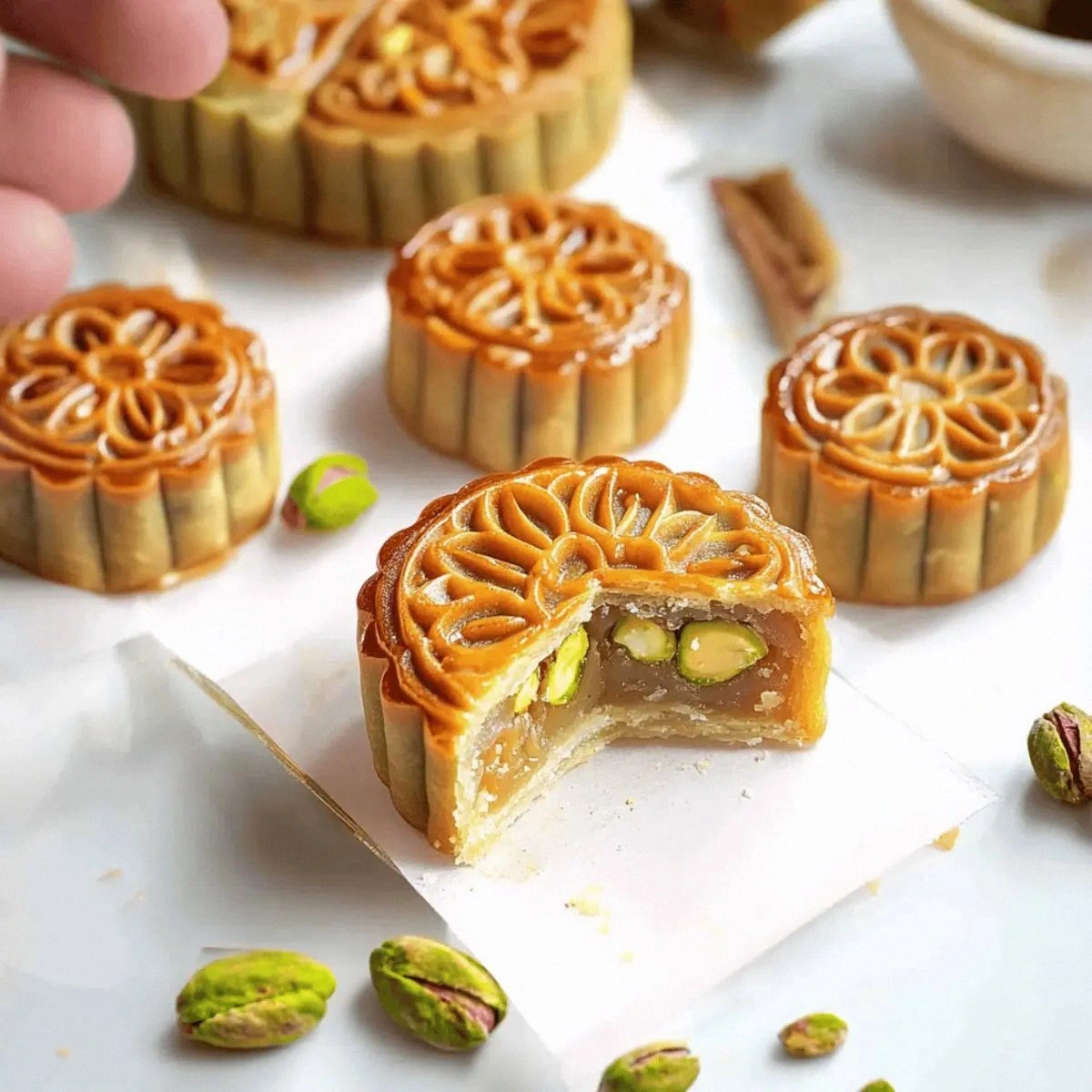
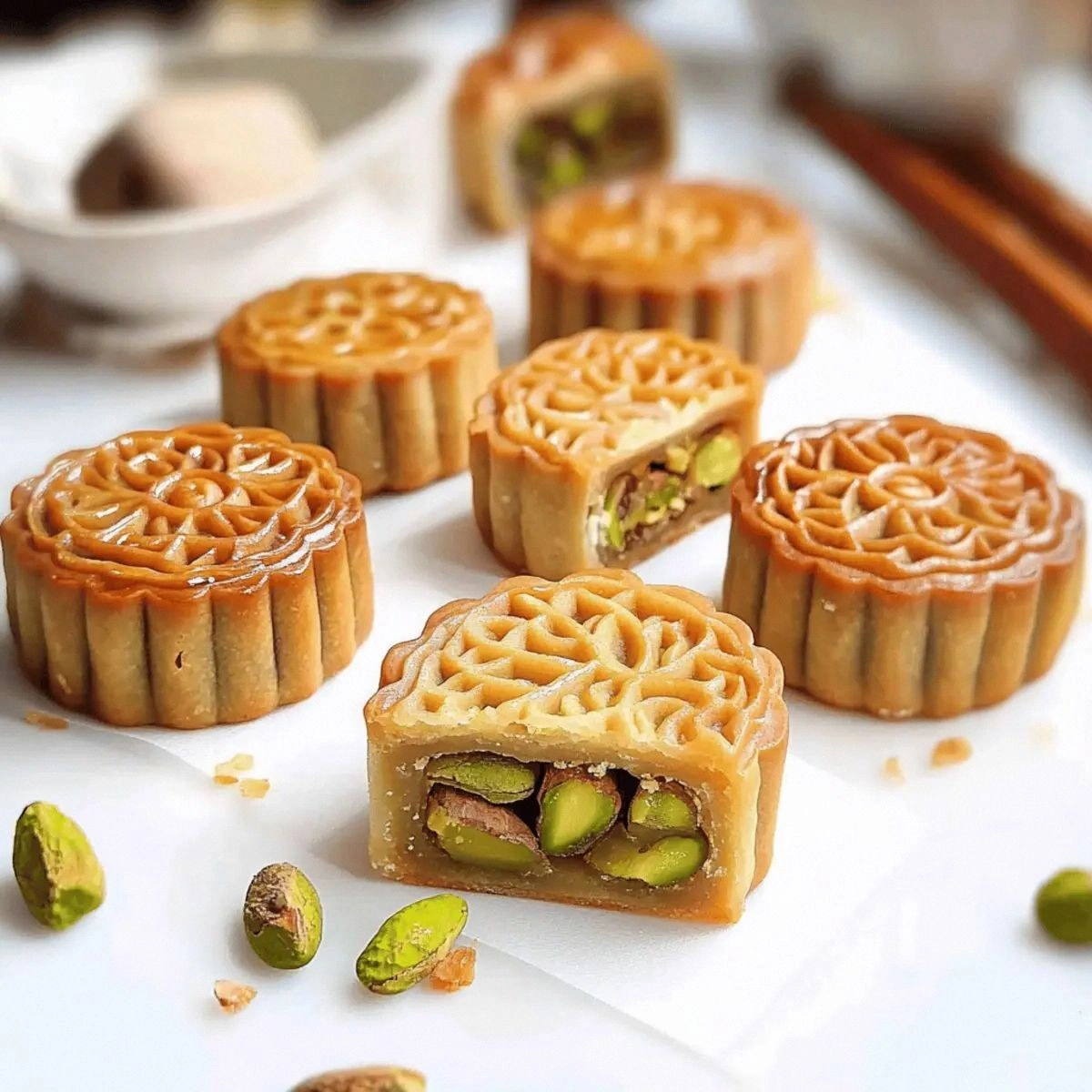
Picture yourself pulling these golden moons out of the oven, the whole kitchen smelling incredible, the pistachio specks glinting like tiny emeralds against a honey‑kissed canvas. The first bite is a buttery crunch that gives way to a moist, honey‑sweet center, followed by a lingering nuttiness that makes you close your eyes and sigh. I’m going to be honest—this recipe feels like a celebration in a bite, perfect for festive gatherings or a quiet night when you need a little sparkle. Okay, ready for the game‑changer? Let me walk you through every single step — by the end, you’ll wonder how you ever made it any other way.
What Makes This Version Stand Out
- Flavor Fusion: The honey‑pistachio combo creates a sweet‑nutty harmony that outshines ordinary mooncakes, delivering a taste that feels both familiar and exotic.
- Texture Triumph: A delicate, airy crumb on the outside with a slightly chewy interior thanks to the glutinous rice flour, giving you that perfect bite contrast.
- Simplicity Redefined: Only ten ingredients, most of which you already have in your pantry, make this recipe a weekend hero without a grocery‑store marathon.
- Unique Shine: A splash of lye water (optional but magical) gives the crust a glossy finish that looks as good as it tastes.
- Crowd Magnet: Guests will line up for seconds, and even the picky eaters will be won over by the subtle honey aroma.
- Ingredient Quality: Using premium pistachios and pure honey elevates the whole experience—no artificial flavors needed.
- Cooking Method: The gentle bake at moderate heat ensures even rise and a golden crust without burning the delicate nuts.
- Make‑Ahead Potential: These mooncakes keep beautifully for days, making them perfect for holiday gifting or a make‑ahead dessert.
Inside the Ingredient List
The Flavor Base
The Neutral Cooking Oil is the silent workhorse that binds the honey and pistachios together without adding any competing flavor. It keeps the batter supple and prevents the pistachios from sticking to the pan. If you skip it, you’ll end up with a dry, crumbly dough that refuses to hold together. A good swap is a light olive oil, but keep the flavor profile neutral to let the honey shine.
Honey does more than sweeten; it adds moisture, a glossy sheen, and that unmistakable floral note that makes each bite feel luxurious. Use a high‑quality, raw honey for the best aroma—think wildflower or acacia. If you’re allergic to honey, a maple syrup can mimic the sweetness, though the flavor will shift toward caramel.
Lye Water (optional) is the secret ingredient that gives traditional mooncakes their characteristic chew and glossy finish. A tiny tablespoon is enough; too much will make the dough soapy. If you’re uneasy about lye, you can replace it with a pinch of baking soda dissolved in water, but the texture won’t be quite the same.
The Texture Crew
Salt is the unsung hero that balances the sweetness of honey and brings out the nuttiness of pistachios. A quarter‑teaspoon might seem trivial, but without it the flavor feels flat. Sea salt works best; it adds a subtle mineral depth.
Cake Flour provides a tender, low‑protein structure that keeps the mooncake from becoming tough. It’s the reason the crumb stays melt‑in‑your‑mouth soft. If you can’t find cake flour, sift all‑purpose flour with a tablespoon of cornstarch per cup as a quick fix.
Shelled Pistachios are the star—crushed just enough to release their oils but still retain a satisfying crunch. Fresh, unsalted pistachios give the best flavor; older nuts can taste bitter. For a twist, try toasted almond slivers, but the signature green hue will be lost.
The Unexpected Star
Glutinous Rice Flour is the secret behind that slightly chewy interior. It creates a subtle elasticity that makes each bite feel like a soft, sweet rice cake. If you’re gluten‑free, you can substitute with a 1:1 blend of rice flour and tapioca starch.
Granulated Sugar adds a quick‑dissolving sweetness that balances the honey’s floral notes. It also helps with caramelization, giving the crust that golden edge. Brown sugar would make the flavor deeper but also darker, which might clash with the pistachio’s bright color.
The Final Flourish
Water is the binder that brings everything together. The half‑cup amount ensures the dough isn’t too stiff, allowing it to spread just enough for that perfect dome shape. Warm water (around 35°C) helps the yeast‑free batter hydrate evenly.
Egg Yolk adds richness, color, and a silky mouthfeel. It also acts as a natural glaze, giving the tops a subtle sheen even without the lye water. If you’re avoiding eggs, a tablespoon of melted butter can mimic the richness, though the color will be paler.
Everything's prepped? Good. Let's get into the real action…
The Method — Step by Step
Start by heating a large non‑stick skillet over medium heat. Add the neutral cooking oil and let it shimmer—this is the moment you hear that faint whisper of sizzling, a sign that the pan is ready. Toss in the pistachios and toast them lightly for about 2 minutes, stirring constantly so they don’t burn. You’ll notice the nuts turning a deeper green and releasing a nutty perfume that fills the kitchen. Once toasted, set them aside in a bowl; this step builds the flavor foundation.
In a separate bowl, whisk together the honey, water, and lye water (if using). The mixture will look slightly cloudy at first—that’s normal. Warm the blend for about 30 seconds in the microwave or on the stovetop; this helps the honey become more fluid and the lye integrate smoothly. When you dip a spoon into the mixture, it should coat the spoon without dripping too fast—think of a slow‑pouring caramel.
Kitchen Hack: If you’re nervous about lye, dissolve it in a tablespoon of warm water first; this prevents clumping and ensures even distribution.Now, sift together the cake flour, glutinous rice flour, granulated sugar, and salt into a large mixing bowl. Sifting twice not only removes any stray lumps but also aerates the flour, giving you that cloud‑like texture in the final crumb. Give the dry mix a quick whisk to ensure everything is evenly distributed; you’ll see a fine, powdery cloud that looks almost like snow.
Create a well in the center of the dry ingredients and pour in the honey‑water mixture. Using a wooden spoon, gently fold the liquids into the flour, being careful not to over‑mix. Over‑mixing will develop gluten, making the mooncakes tough. The batter should come together into a shaggy dough that looks slightly sticky but manageable. If it feels too dry, add a splash of water—just a teaspoon at a time.
Add the toasted pistachios and the egg yolk into the dough. The yolk adds richness and helps bind everything together. Fold everything until the pistachios are evenly speckled throughout the batter. You’ll notice the dough turning a light amber hue, a visual cue that the honey is fully incorporated. This is the moment of truth—if the pistachios are clumped, keep folding gently until they’re dispersed.
Preheat your oven to 350°F (175°C). While the oven warms, line a baking sheet with parchment paper and lightly grease it with a brush of neutral oil. Using a spoon or a small ice‑cream scoop, portion out the batter into 12 equal mounds, each about the size of a golf ball. Place them on the sheet with about 2 inches of space between each to allow for spreading.
Slide the tray into the oven and bake for 12‑15 minutes, then rotate the pan halfway through. You’ll know they’re ready when the edges start to pull away from the parchment and the tops turn a deep golden‑amber. The scent at this stage is intoxicating—a honey‑nut perfume that makes you want to peek inside the oven. Resist the urge to open the door too often; each opening drops the oven temperature and can affect the rise.
Watch Out: If the tops brown too quickly, loosely cover the tray with aluminum foil to prevent over‑caramelization.When the mooncakes are done, remove them from the oven and let them rest on the sheet for 3‑4 minutes. This brief rest lets the interior set, preventing them from collapsing when you transfer them. Then, using a spatula, gently move them to a cooling rack. As they cool, the crust will firm up, and the honey glaze will develop that signature glossy sheen.
Finally, give the mooncakes a light dusting of powdered sugar or a drizzle of extra honey for an extra sparkle. Serve them warm or at room temperature; the flavors are at their peak when the interior is still slightly soft. And now the fun part—watch your guests' faces light up as they bite into that perfect combination of crunchy pistachio, honey‑sweet crumb, and buttery melt‑in‑your‑mouth texture.
That's it — you did it. But hold on, I've got a few more tricks that'll take this to another level...
Insider Tricks for Flawless Results
The Temperature Rule Nobody Follows
Never bake mooncakes at a scorching 400°F unless you enjoy burnt edges. A moderate 350°F gives the interior time to set while the exterior gently browns. If your kitchen runs hot, lower the temperature by 10‑15°F and extend the bake by a couple of minutes. Trust me, a slight adjustment prevents the pistachios from turning bitter.
Why Your Nose Knows Best
Your sense of smell is the ultimate doneness gauge. When the honey‑nut aroma becomes rich and slightly caramelized, the mooncakes are ready. If you’re still smelling raw flour, give them another 2‑3 minutes. This sensory checkpoint beats any timer, especially when ovens vary.
The 5‑Minute Rest That Changes Everything
After baking, let the mooncakes rest on the tray for exactly five minutes before moving them. This short pause allows the steam to finish cooking the interior, resulting in a softer crumb. Skipping this step leads to a dry texture, as the sudden temperature change can cause the crumb to contract.
Pistachio Toasting Secrets
Toast pistachios just until you hear a faint crackle—over‑toasting makes them bitter and ruins the delicate honey balance. A quick tip: toss them in a dry skillet for 90 seconds, then immediately transfer to a cool plate to stop the cooking process. This preserves their bright color and fresh flavor.
Egg Yolk Glaze Alternative
If you’re out of egg yolk, whisk together a teaspoon of honey with a teaspoon of melted butter and brush it on the tops before the final 2 minutes of baking. This creates a glossy finish and adds a buttery depth that mimics the yolk’s richness. A friend once tried this shortcut and swore the mooncakes looked “store‑bought”.
Creative Twists and Variations
This recipe is a playground. Here are some of my favorite ways to switch things up:
Citrus‑Zest Surprise
Add a tablespoon of finely grated orange zest to the batter. The citrus brightens the honey’s sweetness and gives the mooncakes a subtle perfume that pairs wonderfully with pistachios. Perfect for spring brunches.
Chocolate‑Swirl Delight
Swirl in two teaspoons of melted dark chocolate just before folding in the pistachios. The chocolate adds a bittersweet contrast that makes each bite feel indulgent. Chocolate lovers will thank you.
Spiced Autumn Version
Mix in a pinch of ground cinnamon and a dash of ground cardamom. The warm spices turn the mooncakes into a cozy treat, ideal for cooler evenings. Pair with a cup of spiced tea for maximum comfort.
Vegan Friendly
Replace the egg yolk with a tablespoon of aquafaba (the liquid from canned chickpeas) and use a plant‑based oil. The texture stays buttery, and the glaze can be achieved with a light brush of maple syrup. Great for guests with dietary restrictions.
Matcha Green Magic
Add a teaspoon of high‑quality matcha powder to the dry ingredients. The earthy green flavor complements the pistachio’s natural hue and creates a stunning visual contrast. Serve with a cup of green tea for a harmonious pairing.
Berry‑Infused Surprise
Fold in a handful of dried cranberries or chopped dried apricots. The tartness cuts through the honey, giving a bright pop of flavor that balances the richness. Ideal for a festive holiday spread.
Storing and Bringing It Back to Life
Fridge Storage
Place the cooled mooncakes in an airtight container and store them in the refrigerator for up to five days. The honey acts as a natural preservative, keeping them moist. Before serving, let them sit at room temperature for 15 minutes to regain softness.
Freezer Friendly
Wrap each mooncake individually in parchment paper, then place them in a zip‑top freezer bag. They’ll keep for up to two months. To reheat, pop them into a pre‑heated 300°F oven for 5‑7 minutes; the gentle heat revives the crumb without drying it out.
Best Reheating Method
When you want that fresh‑out‑the‑oven feel, sprinkle a tiny splash of water on the surface before reheating. The moisture creates a gentle steam that restores the interior’s softness while the exterior stays lightly crisp. This trick works whether you’re using a microwave (30 seconds) or a toaster oven (3 minutes).