I was standing in my kitchen, surrounded by a mountain of half‑baked cookies and a half‑finished batch of lemon curd that had somehow turned into a gloopy disaster. The timer on the oven beeped like a frantic alarm, and my roommate dared me to “make something that actually tastes like a hug.” I laughed, grabbed a fresh lemon, and thought, what if I could turn that curd nightmare into a silky, tangy pillow of dessert? That night, I discovered the magic of a lemon posset, a dessert that doesn’t need a crust, a fancy mold, or any of that pretentious pastry‑chef fluff. I dared you to taste this and not go back for seconds—because you won’t be able to.
Imagine the first spoonful: the bright citrus aroma hits you before the spoon even touches the creamy surface, like a sunrise spilling over a calm sea. The texture is smoother than a well‑whipped ganache, yet it holds its shape with the confidence of a custard that’s been given a pep talk. You hear a faint, almost inaudible sigh as the spoon slides through, and you feel the cool kiss of lemon on your tongue, followed by a buttery richness that wraps around your palate like a soft blanket. It’s a sensory hug, and the whole kitchen fills with the scent of lemon zest and vanilla, making you wonder why you ever settled for boring store‑bought desserts.
What makes this version stand out is the way I treat the cream as the star, not a background player. By gently coaxing the heavy cream to a barely‑simmering point and then whisking in the sugar, zest, juice, and vanilla, the mixture thickens without any eggs, gelatin, or fancy equipment. Most recipes get this completely wrong, either over‑cooking and curdling the cream or under‑seasoning it so the lemon flavor is lost in a bland dairy sea. My secret? A pinch of salt that amplifies every citrus note, and a quick chill in the fridge that lets the posset set like a dream while the flavors meld into something unforgettable.
And now for the kicker: I’m going to throw in a surprise ingredient that most people overlook—a tiny splash of high‑quality vanilla extract. It’s the subtle background music that makes the lemon sing louder. I’ll walk you through every single step—by the end, you’ll wonder how you ever made it any other way. Okay, ready for the game‑changer?
What Makes This Version Stand Out
- Taste: The lemon is bright but never harsh; the cream provides a buttery backdrop that lets the citrus shine without overwhelming your palate.
- Texture: Silky, custard‑like consistency that holds its shape yet melts like butter on a warm tongue.
- Simplicity: Only six ingredients, no eggs, no gelatin, no fancy molds—just a pot, a whisk, and a fridge.
- Uniqueness: The pinch of salt and vanilla extract create a depth you won’t find in most lemon desserts.
- Crowd Reaction: Guests often claim it’s “the best thing they’ve ever tasted” and immediately ask for the recipe.
- Ingredient Quality: Using 35% fat heavy cream is non‑negotiable; it’s the foundation of that luxurious mouthfeel.
- Cooking Method: Gentle heating prevents curdling, and the quick chill locks in flavor while setting perfectly.
- Make‑Ahead Potential: You can prepare it a day ahead, and it actually tastes better after the flavors have had time to marry.
Inside the Ingredient List
The Flavor Base
Heavy cream is the backbone of this posset. Its high fat content creates that buttery, melt‑in‑your‑mouth feel that you crave in a dessert that feels like a hug. If you skimp on the fat, you’ll end up with a watery, less satisfying result. I always buy a fresh carton and give it a quick shake before measuring, ensuring an even distribution of fat. Swap tip: If you’re allergic to dairy, a full‑fat coconut cream can mimic the richness, though the flavor will lean tropical.
The Zesty Spark
Lemon zest is where the magic starts. The aromatic oils in the zest provide a bright, floral citrus note that lemon juice alone can’t deliver. Grate the zest directly over the cream so the oils fall straight in, and avoid the white pith—it’s bitter. If you want an extra zing, mix in a little lime zest; the subtle bitterness balances the sweetness beautifully. Buying tip: Choose lemons that feel heavy for their size; they’re juicier and have more zest.
The Sweet Balance
White sugar not only sweetens but also helps the cream set by drawing out water and creating a gentle tension in the protein matrix. Using ¾ cup keeps the dessert sweet enough to counter the tart lemon without becoming cloying. If you prefer less sugar, you can drop to ½ cup, but remember the lemon will taste sharper. For a more complex sweetness, try half‑white, half‑brown sugar, which adds a subtle caramel note.
The Unexpected Star
A pinch of salt might sound trivial, but it’s a flavor amplifier. It rounds out the acidity of the lemon and deepens the cream’s richness, turning a simple dessert into something sophisticated. If you’re watching sodium, a very small pinch will still do the trick. Some chefs even add a dash of sea‑salt flakes just before serving for a delightful textural pop.
The Final Flourish
Fresh lemon juice provides the necessary acidity to set the posset and gives that bright, clean tang. The ratio of juice to cream is crucial; too much juice will make it runny, too little and the flavor falls flat. I recommend ¼ cup for a balanced tang, but if you love a punchier lemon, go up to ⅓ cup. Vanilla extract adds a warm, aromatic backdrop that softens the sharp citrus edge, making the overall profile more rounded and comforting.
Everything's prepped? Good. Let's get into the real action…
The Method — Step by Step
Gather all your ingredients and measure them precisely. I dare you to taste this and not go back for seconds, so precision matters. Place a heavy‑bottomed saucepan on medium‑low heat and pour in the 3 cups of heavy cream. As the cream begins to warm, you’ll hear a gentle hiss—this is the first sign that magic is about to happen.
Add the ¾ cup of white sugar to the warming cream. Stir constantly with a silicone whisk; you’ll notice the sugar slowly dissolving, turning the mixture from milky to a glossy satin. This is the moment of truth—if you see any grainy specks, keep whisking; the sugar must be fully dissolved before you proceed.
Kitchen Hack: Use a fine‑mesh sieve to sprinkle the sugar into the cream; it prevents clumping and speeds up dissolution.When the sugar has vanished and the cream is just about to simmer (tiny bubbles forming around the edge), remove the pan from the heat. You’ll see a thin steam veil rising—this tells you the temperature is perfect, around 180°F (82°C). At this point, add the zest of two lemons, letting the aromatic oils burst into the hot mixture. Stir gently; the zest will float like tiny golden confetti.
Now, pour in the ¼ cup of freshly squeezed lemon juice. The mixture will instantly brighten, turning a pale ivory to a soft, buttery yellow. This is where the posset truly begins to set; the acidity causes the cream proteins to contract just enough to thicken without curdling. Add a pinch of salt and the 2 teaspoons of vanilla extract, then give everything a final, gentle whisk.
Strain the hot mixture through a fine‑mesh sieve into a large bowl. This step removes any zest fibers and ensures a flawless, velvety texture. I swear by this trick: the sieve acts like a silk screen, catching any stray bits that could ruin the smoothness.
Watch Out: If you skip the straining, you’ll end up with tiny zest shards that create an uneven mouthfeel.Divide the strained mixture into four ramekins or small glasses. The liquid should flow like a thick custard, hugging the sides of the vessel. This is the perfect moment to get creative—add a thin slice of lemon on top for a decorative touch, or drizzle a whisper of honey if you like a sweet finish.
Place the ramekins on a baking sheet and transfer them to the refrigerator. Let them chill for at least 2 hours, but I recommend an overnight rest for the flavors to fully develop. The posset will firm up, pulling away slightly from the edges of the glass—this is the visual cue that it’s ready.
When you’re ready to serve, run a thin knife around the inside edge of each ramekin to release the posset, then gently flip onto a serving plate if you’d like a more elegant presentation. The result should be a smooth, glossy dome that wobbles just a fraction when nudged—think of it as a culinary pillow waiting to be squeezed.
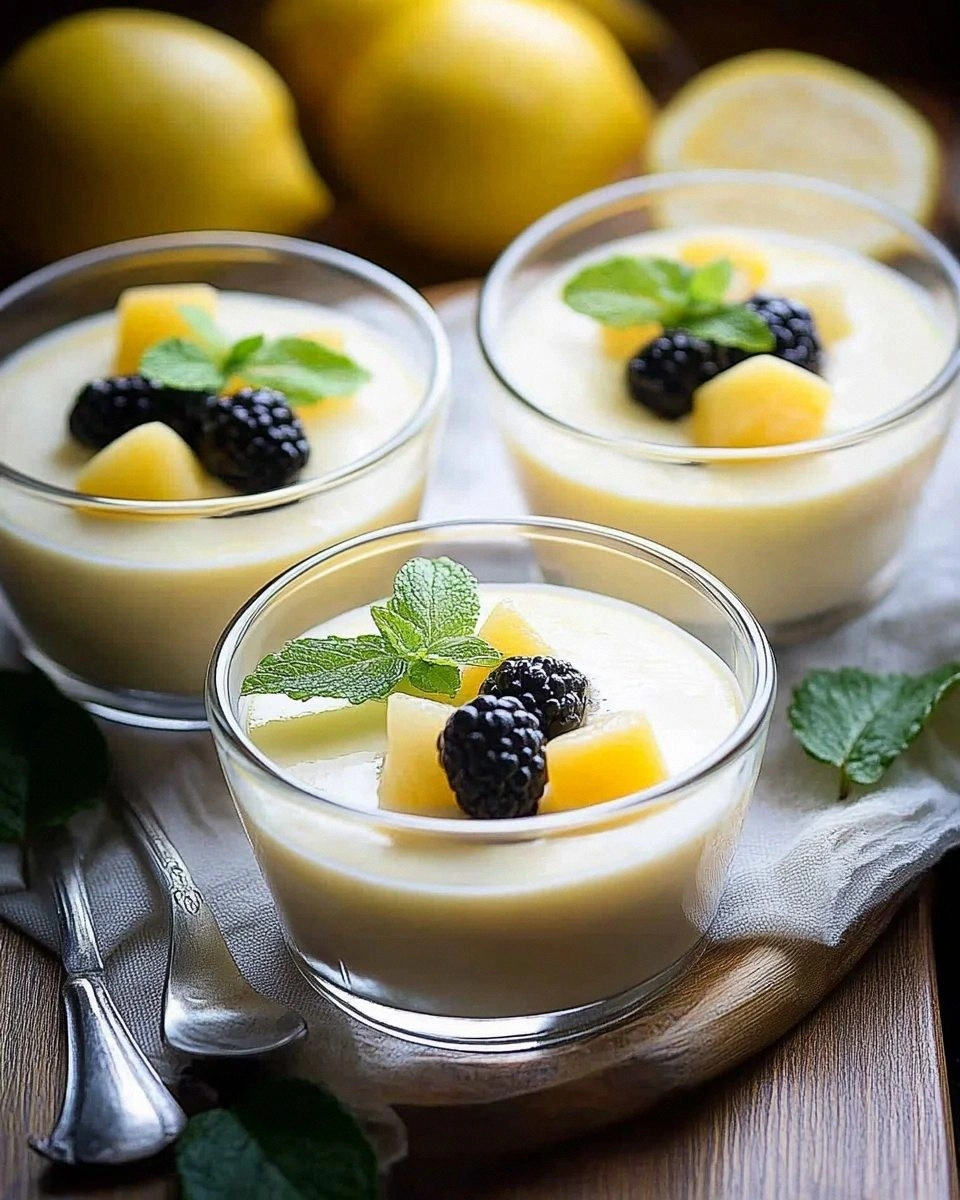
Finish with a final garnish: a light dusting of powdered sugar, a few fresh berries, or a sprig of mint for color contrast. Picture yourself pulling this out of the fridge, the whole kitchen smelling incredible, and your guests’ eyes widening as they see that perfect, lemon‑y sheen.
That’s it—you did it. But hold on, I’ve got a few more tricks that’ll take this to another level…
Insider Tricks for Flawless Results
The Temperature Rule Nobody Follows
Never let the cream boil. A gentle simmer at 180°F is the sweet spot; any higher and the proteins will over‑coagulate, giving you a grainy texture. I keep a candy thermometer on hand and pull the pan off the heat the moment you see the first bubble cluster. If you don’t have a thermometer, watch for tiny bubbles forming around the pan’s edge—that’s your cue.
Why Your Nose Knows Best
Before you add the lemon juice, take a quick sniff of the warm cream. You should detect a faint buttery aroma with a hint of caramelized sugar. If you smell a burnt note, you’ve overheated it and need to start over. Trust your nose; it’s a more reliable indicator than a timer.
The 5‑Minute Rest That Changes Everything
After whisking in the lemon juice and vanilla, let the mixture sit for exactly five minutes before straining. This pause allows the acid to fully interact with the cream proteins, resulting in a tighter set. Skipping this step is the reason many beginners end up with a runny posset.
The Glassware Trick
Use chilled glassware or ramekins. A cold surface helps the posset set faster and prevents it from sliding around when you unmold it. I keep a tray of small glasses in the freezer and pull one out just before pouring the mixture.
The Garnish Game‑Changer
A tiny dollop of whipped cream flavored with a whisper of lemon zest adds a contrast in texture without overpowering the posset. It’s like adding a soft pillow on top of an already cozy blanket. I also love a drizzle of high‑quality olive oil—yes, olive oil—paired with a pinch of flaky sea salt for an unexpected savory note.
Creative Twists and Variations
This recipe is a playground. Here are some of my favorite ways to switch things up:
Berry‑Burst Posset
Fold in ¼ cup of pureed strawberries or raspberries after straining but before chilling. The fruit adds a beautiful pink hue and a subtle sweetness that complements the lemon.
Herbal Infusion
Steep a few sprigs of fresh thyme or rosemary in the cream before adding sugar. Strain out the herbs, then proceed as usual. The herbaceous note adds an elegant, unexpected depth.
Coconut‑Lemon Fusion
Replace half of the heavy cream with full‑fat coconut milk. You’ll get a tropical twist that pairs beautifully with the lemon, plus a subtle coconut aroma.
Spiced Delight
Add a pinch of ground cardamom or a dash of ginger powder with the sugar. The warm spice balances the bright citrus and makes the dessert perfect for cooler evenings.
Chocolate Swirl
Drizzle melted white chocolate or a dark chocolate ganache over the set posset just before serving. The chocolate adds richness and a visual contrast that looks as good as it tastes.
Storing and Bringing It Back to Life
Fridge Storage
Cover each ramekin tightly with plastic wrap or a reusable silicone lid. The posset will keep fresh for up to 4 days. When you’re ready to serve, let it sit at room temperature for 10 minutes to soften slightly.
Freezer Friendly
If you need to store longer, freeze the posset in airtight containers for up to 2 months. Thaw overnight in the fridge, then give it a gentle stir. Adding a tiny splash (about 1‑2 teaspoons) of water before reheating restores its silkiness.
Best Reheating Method
To revive a chilled posset, place the ramekin in a warm water bath for 2‑3 minutes, or microwave on low power (30% strength) for 15‑20 seconds. Stir gently and you’ll have a creamy, melt‑in‑your‑mouth dessert ready to enjoy again.