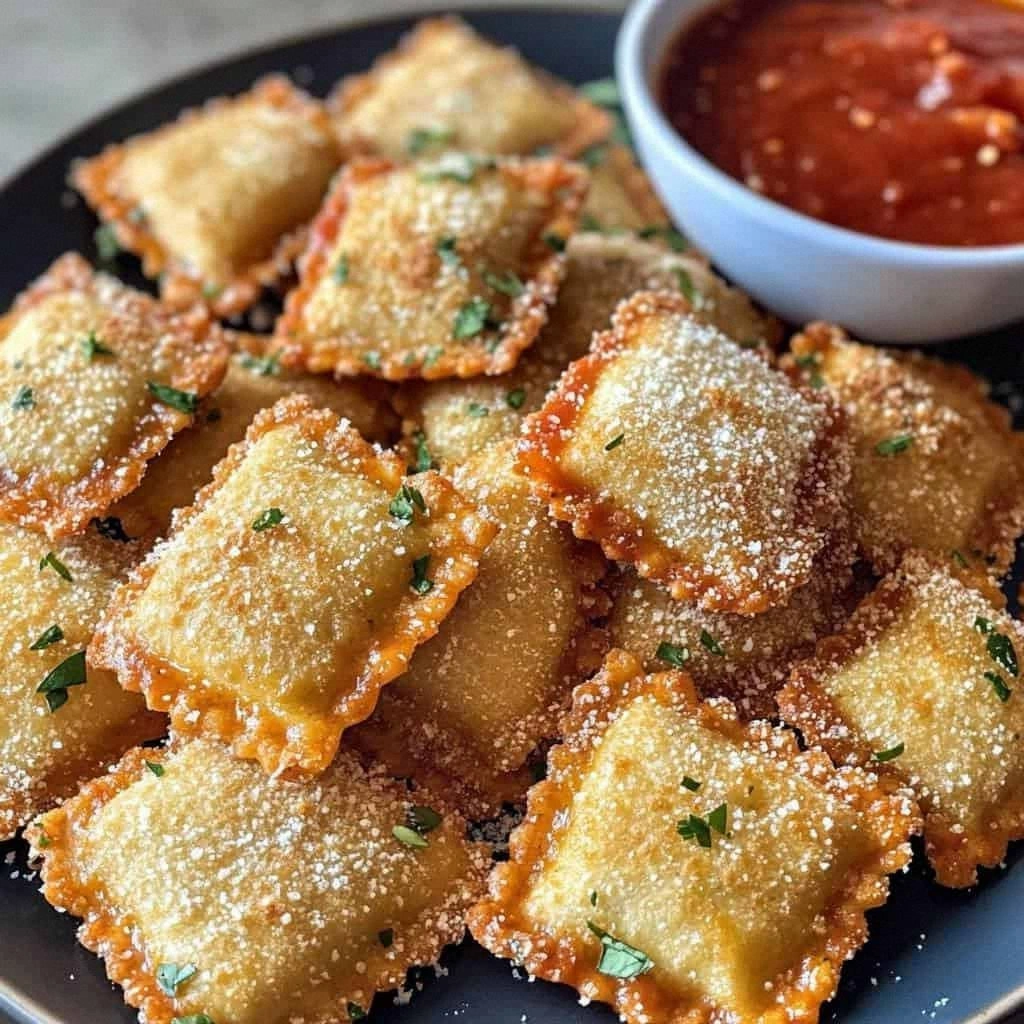
The first time I tried making air fryer ravioli, I burned half the batch and served the other half with cold marinara sauce to guests who were politely pretending they weren't disappointed. It was supposed to be the easiest appetizer ever — just bread and fry, right? Wrong. What I didn't know then was that those little pasta pockets are divas in disguise. They demand the right temperature, the perfect coating, and exactly three minutes of undivided attention. Fast forward through a dozen experiments, a few choice words muttered at midnight, and one triumphant moment when my neighbor begged for the recipe, and here we are. This version produces ravioli with shells that crackle like autumn leaves, revealing molten cheese centers that stretch into Instagram-worthy cheese pulls. The secret isn't just the air fryer — it's the combination of seasoned breadcrumbs that toast to golden perfection, a light egg wash that adheres without sogginess, and a temperature dance that crisps without drying out the pasta. Picture this: it's game day, your friends are hovering in the kitchen, and you pull out a platter of these beauties. The aroma of garlic and herbs hits first, then the visual of that golden crust, and finally the sound of that first bite — a satisfying crunch that makes everyone reach for another before they've finished chewing the first. If you've ever struggled with soggy centers or breading that slides off like a bad toupee, you're not alone — and I've got the fix that'll make you the MVP of every gathering.
What makes this recipe different from every other air fryer ravioli floating around the internet? Most recipes treat these like chicken nuggets — just bread and blast with heat. But ravioli are delicate creatures, and they need coaxing, not coercion. The first bite should transport you to a tiny trattoria where Nonna makes everything from scratch, even though you whipped these up in twenty minutes flat. The coating needs to be substantial enough to provide that crave-worthy crunch, but light enough that it doesn't overpower the cheese within. Too much breading and you're eating fried dough; too little and you've got hot cheese exploding through weak spots. After testing everything from panko to cornflakes to crushed crackers, I've landed on the perfect ratio of Italian seasoned breadcrumbs to Parmesan that creates a crust so addictive, you'll find yourself picking off the crispy bits that fall to the bottom of the air fryer basket. And here's the kicker — we're not just spraying with oil and hoping for the best. We're creating a flavor-packed coating that infuses every bite with garlic, herbs, and that nutty Parmesan goodness that makes people close their eyes when they taste it.
The beauty of this method lies in its simplicity once you understand the why behind each step. Why freeze the ravioli first? Because cold pasta holds its shape under heat, preventing cheese explosions that look like a crime scene in your air fryer. Why double-coat some pieces? Because extra crunch isn't just allowed — it's encouraged for those who live for textural contrast. Why serve with warm marinara instead of room temperature? Because temperature contrast is the difference between good and unforgettable. I've served these at everything from fancy dinner parties where they disappeared in minutes to lazy Sunday afternoons where they became lunch. Each time, someone asks for the recipe, and each time, I watch their face when I tell them it's easier than making a sandwich. The hardest part is not eating them all while they're still too hot and your tongue pays the price for your impatience.
Let me walk you through every single step — by the end, you'll wonder how you ever made it any other way. We're talking about achieving restaurant-quality results with frozen ravioli from the grocery store, turning a humble ingredient into something that tastes like it came from a chef's kitchen. The method works with any filling, though I have strong opinions about which ones work best (spoiler: cheese is king, but mushroom is the sleeper hit). Whether you're cooking for picky kids, sophisticated foodies, or that friend who claims they don't like fried food, these ravioli convert even the skeptics. The technique scales perfectly for parties or scales down for solo Netflix nights when you want something indulgent without the mess of deep frying. Ready to become the person everyone begs to bring the appetizers? Let's do this.
What Makes This Version Stand Out
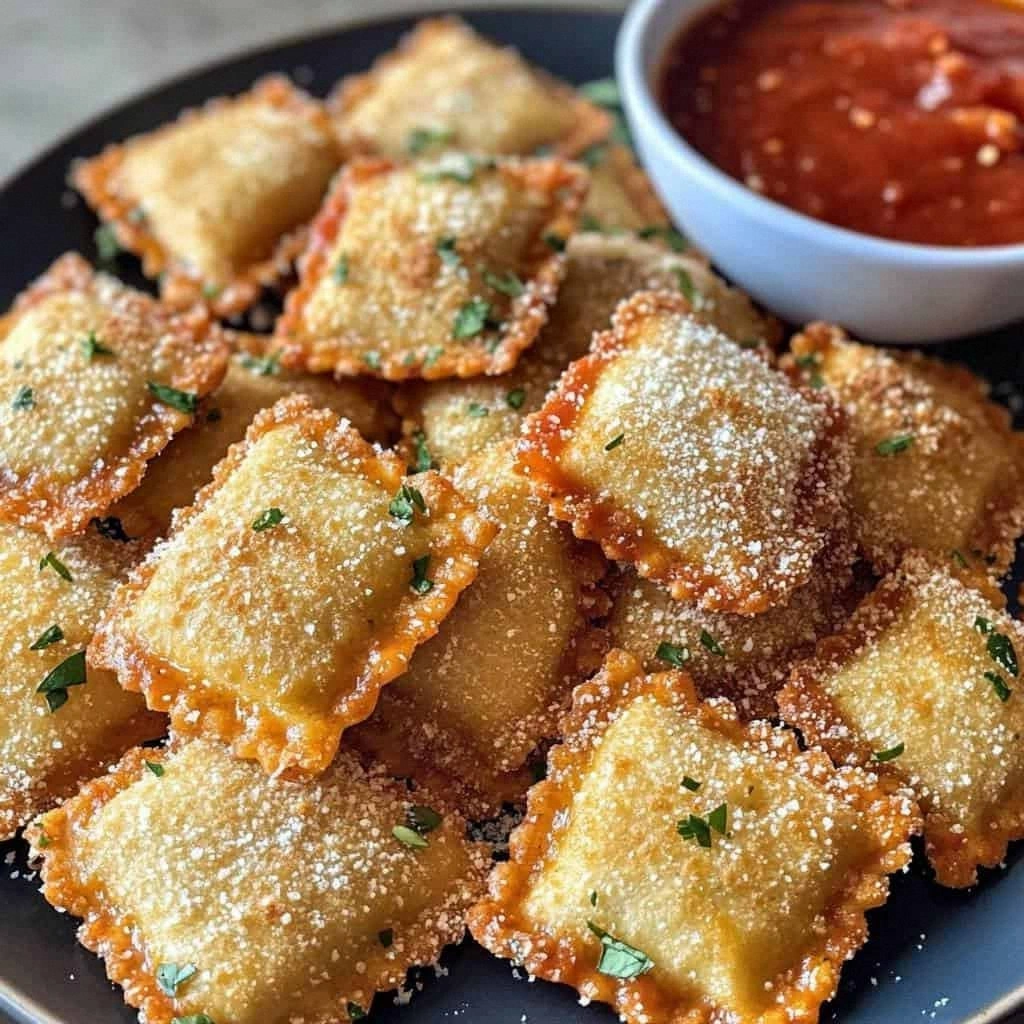
Shatteringly Crisp: The coating isn't just breading — it's a carefully calibrated mixture that creates micro-layers of crunch. Each bite produces that satisfying crackle that makes everyone at the table pause mid-conversation. The Parmesan in the mix melts and browns, creating tiny lacy edges that add even more texture. It's the kind of crisp that holds up even after ten minutes on the serving platter, though they never last that long.
Cheese Pull Goals: We've all seen those sad, dried-out ravioli where the cheese has disappeared into nothingness. Not here. The coating protects the cheese while allowing it to melt into that perfect gooey consistency that stretches for days. When you break one open, the cheese should flow like lava, not crumble like sawdust. It's Instagram-worthy without being staged, and your guests will fight over who gets to break the next one open for the table.
Foolproof Timing: Most recipes give you vague instructions like "fry until golden" — but what does that even mean? I've tested this with three different air fryer models, and six minutes at 375°F produces consistent results every single time. The coating browns evenly, the cheese melts perfectly, and you don't need to flip halfway through. Set a timer and walk away, confident that you'll return to perfection.
Flavor Bomb Coating: Plain breadcrumbs are boring, and panko doesn't hold seasoning well. Italian seasoned breadcrumbs bring the herbs, but we amp it up with garlic powder, oregano, and basil that make the coating taste like it's been kissed by an Italian grandmother. The Parmesan adds umami depth that makes people ask "what's in these?" with that curious, delighted expression.
Party Hero Potential: These scale from intimate dinner for two to Super Bowl party for twenty without breaking a sweat. Prep everything ahead, keep it in the fridge, then air fry in batches while socializing. They hold well in a warm oven, transport easily, and reheat better than any fried appetizer has a right to. Bring these to a potluck and watch your social stock rise exponentially.
Kitchen Confidence Builder: If you can make toast, you can make these. There's no complicated technique, no special equipment beyond an air fryer (and honestly, you could adapt for oven), and no way to mess them up unless you walk away for an hour. They're the perfect recipe for building kitchen confidence, whether you're a beginner or just new to air frying. Success is guaranteed, and success tastes delicious.
Endless Variation Playground: Once you master the basic technique, you can riff endlessly. Different cheese fillings, various seasoning blends, alternative coatings — the method stays the same while the flavors change. I've made everything from buffalo ranch versions to dessert ravioli with cinnamon sugar. The base technique is your ticket to a world of crispy, crunchy possibilities.
Inside the Ingredient List
The Foundation: Choosing Your Ravioli
The refrigerated section holds treasure, and it's calling your name. Look for the 20-25 ounce packages — anything smaller and you'll be making multiple batches, anything larger and your air fryer basket gets crowded. Cheese ravioli are classic for a reason; the mild filling lets the coating shine while providing that essential cheese pull. But here's where it gets interesting: mushroom ravioli add an earthy depth that makes grown-ups close their eyes in appreciation, while butternut squash ones turn this into autumn on a plate. Avoid meat-filled varieties for this preparation — they tend to dry out, and the seasoning profile clashes with our Italian herb blend. The pasta should feel supple, not dried out, and if you can see the filling through the pasta, move along — you want thick enough pasta to hold up to our aggressive coating technique.
Size matters more than you think. Jumbo ravioli give you that impressive presentation, but they require longer cooking times that can over-brown the coating. Mini ravioli cook too quickly and lack the satisfying cheese pull. Aim for medium-sized pieces, roughly two bites each — big enough to feel substantial, small enough to pop in your mouth without looking like a snake unhinging its jaw. If your grocery store only carries one size, don't panic; just adjust the cooking time by a minute or two. The key is consistency — if you're using mixed sizes, separate them before cooking because nothing's sadder than perfectly cooked large ravioli next to burnt tiny ones.
The Crunch Crew: Breadcrumbs and Cheese
Italian seasoned breadcrumbs aren't just convenient — they're scientifically perfect for this application. The herbs are distributed evenly throughout, ensuring every bite tastes like a summer garden in Naples. The seasoning blend typically includes oregano, basil, and parsley in perfect proportions that would take you ten minutes to measure out yourself. The texture hits that sweet spot between fine and coarse, creating a coating that adheres well without falling off in flakes. If you only have plain breadcrumbs, add two teaspoons of Italian seasoning, but know that you're missing the subtle garlic and onion powder that makes the store-bought seasoned version magical.
Parmesan cheese isn't just for flavor — it's your texture insurance policy. As the ravioli cook, the Parmesan melts and creates tiny lacy networks that add crunch beyond what breadcrumbs alone can achieve. Use the good stuff if you're feeling fancy, but even the pre-grated container in your fridge works wonders. The key is getting the ratio right: too much Parmesan and the coating gets oily, too little and you miss that nutty depth that makes people ask for your secret. Mix it directly into the breadcrumbs so every piece gets evenly coated, creating a unified front of flavor that'll make you wonder why you ever bothered with plain breading.
The Binding Agents: Eggs and Milk
The egg wash isn't just tradition — it's science in action. Eggs contain proteins that coagulate when heated, creating a sticky network that holds the breadcrumbs to the pasta. But eggs alone can be too thick, creating a gloppy mess that slides off in sheets. Enter milk: it thins the eggs to the perfect consistency, adds a touch of richness, and helps the mixture penetrate the tiny crevices in the pasta surface. The ratio matters here — two eggs to a quarter cup of milk creates a wash thick enough to grab the coating but thin enough to coat evenly without pooling.
Temperature plays a role too. Cold eggs straight from the fridge can cause the mixture to seize up, making it harder to achieve that smooth coating. Let your eggs sit on the counter for ten minutes while you set up your breading station, or better yet, use room temperature eggs for the smoothest application. Beat them thoroughly — you want a homogeneous mixture without streaks of white or yellow. The goal is a wash that looks like sunshine in a bowl, ready to transform humble ravioli into golden masterpieces.
The Flavor Amplifiers: Herbs and Spices
Garlic powder is your friend, but fresh garlic is your enemy here. The high heat of air frying turns fresh garlic bitter and acrid, while garlic powder blooms into sweet, nutty perfection. Just one teaspoon distributed throughout the breadcrumb mixture adds depth without announcing itself as "garlic" — it just tastes more complex, more interesting, more like something you'd pay $12 for at a wine bar. The same goes for onion powder if your breadcrumbs don't already include it; a pinch adds that savory backbone that makes people reach for another without knowing why.
Dried oregano and basil aren't just for authenticity — they bring those sunny Mediterranean flavors that transport you from your kitchen to a cliffside restaurant in Positano. But here's the trick: rub them between your palms before adding to the breadcrumbs. This releases their essential oils, making them exponentially more fragrant. The heat from your hands warms the herbs, waking them up from their dried slumber. It's a tiny step that takes thirty seconds but elevates the final product from good to "why can't I stop eating these?"
The Method — Step by Step
- Start by setting up your breading station like a pro — this isn't just about organization, it's about preventing sticky fingers from cross-contaminating everything. Place your flour in a shallow bowl, beat your eggs and milk in a second bowl, and combine the breadcrumbs, Parmesan, garlic powder, oregano, basil, salt, and pepper in a third bowl. Line them up like little soldiers: flour first, then egg wash, then breadcrumb mixture. Place a wire rack or plate at the end to hold your coated ravioli. This assembly-line approach means you can move quickly without pausing to wash egg off your hands every thirty seconds. Pro tip: place a sheet of parchment paper under the bowls — your future self will thank you when cleanup takes thirty seconds instead of ten minutes.
- Now for the crucial freezing step that most recipes skip — and it's the difference between elegant appetizers and cheese explosions that look like a crime scene. Spread your ravioli in a single layer on a baking sheet and freeze for exactly twenty minutes. Not fifteen, not thirty — twenty. This firms up the cheese enough to prevent blowouts but doesn't freeze the pasta solid, which would extend your cooking time. While you're waiting, preheat your air fryer to 375°F. Yes, preheat it empty. This ensures the basket is screaming hot when the ravioli hit, creating that immediate sizzle that sets the coating. If your air fryer doesn't have a preheat function, just run it for three minutes at temperature before adding the food.
- Time to get your hands dirty — but in a controlled, elegant way. Working with one ravioli at a time, dredge it in flour, shaking off the excess. The flour creates a dry surface for the egg wash to grab onto, like primer before paint. Dip it in the egg mixture, turning to coat completely but letting the excess drip off. You want it wet enough to grab the breadcrumbs but not so wet that the coating slides off in sheets. Finally, press it into the breadcrumb mixture, making sure to coat both sides and the edges. Press firmly — this isn't a gentle pat situation. You want those breadcrumbs to adhere like they're holding on for dear life. Place on your wire rack and repeat until all ravioli are coated.
- Here's where most people mess up — they crowd the air fryer basket like they're playing Tetris. Don't do it. Arrange the ravioli in a single layer with space between each piece. They need room for hot air to circulate, creating that all-over crisp that makes these legendary. Depending on your air fryer size, you'll probably need to work in two batches. That's fine — better to take an extra five minutes than to serve soggy ravioli that'll haunt your dreams. Lightly spray the tops with cooking spray — this helps the coating brown evenly and prevents dry spots. Don't drown them, just a light mist like you're applying expensive perfume.
- The moment of truth has arrived, and your kitchen is about to smell like an Italian festival. Slide the basket into the air fryer and set the timer for six minutes. Not five, not seven — six minutes produces the perfect golden brown without drying out the pasta. Resist the urge to shake the basket or flip the ravioli — they don't need it, and you'll just knock off precious coating. Instead, use this time to warm your marinara sauce. The timing works perfectly: by the time your sauce is gently bubbling, your ravioli are ready to flip. Speaking of flipping, here's the pro move: use tongs to gently turn each ravioli, then cook for another two minutes. This ensures even browning and gives you that Instagram-worthy golden color on both sides.
- While the second side cooks, prepare for the hardest part of this entire recipe: waiting. These need to rest for exactly two minutes after cooking. I know, I know — they smell incredible and you're hungry and your family is circling like vultures. But this brief rest allows the cheese to settle slightly, preventing molten cheese lava from burning everyone's mouths. It also lets the coating crisp up even more as it cools slightly. Place them on a wire rack rather than paper towels — paper towels trap steam and can make the bottoms soggy. After two minutes, transfer to a platter and watch them disappear faster than free samples at Costco.
- Serving these is where you separate the amateurs from the pros. Warm marinara is mandatory — cold sauce on hot ravioli is a crime against humanity. But here's the restaurant secret: warm your serving platter first. Just run it under hot water for thirty seconds, then dry it off. This keeps your ravioli warmer longer, extending that perfect temperature window where the cheese flows like velvet. Arrange them in a single layer, overlapping slightly for that casual, abundant look. Garnish with fresh basil or a sprinkle of Parmesan if you're feeling fancy, but honestly, these don't need gilding. They're perfect in their crispy, golden glory.
- Storage and reheating is where this recipe really shines — if you somehow have leftovers. Let them cool completely, then store in an airtight container in the fridge for up to three days. But here's the magic: reheat them in the air fryer at 350°F for three minutes, and they're almost as good as fresh. The coating crisps back up, the cheese remelts, and you'd never know they weren't just made. Microwave reheating is sacrilege — don't do it unless you enjoy soggy disappointment. These also freeze beautifully after cooking, making them perfect for emergency snack situations or unexpected guests who think you're a kitchen wizard.
That's it — you did it. But hold on, I've got a few more tricks that'll take this to another level...
Insider Tricks for Flawless Results
The Temperature Rule Nobody Follows
Here's the thing about air fryers — they lie. The temperature you set isn't necessarily the temperature inside that basket. I've tested this with an oven thermometer, and most air fryers run 25-50 degrees hotter than their displays claim. This explains why your first batch might be perfect, but subsequent batches burn — the basket gets hotter with each use. The solution? Start checking two minutes early, and if your ravioli are browning too fast, drop the temperature by 25 degrees. Better yet, invest in an inexpensive oven thermometer and place it in the basket for the first few uses. You'll learn your air fryer's personality quirks faster than you can say "molten cheese." Once you know your machine's true temperature, you can set it and forget it with confidence, turning out batch after batch of golden perfection while your friends wonder how you became such a kitchen rockstar.
Why Your Nose Knows Best
Trust your senses — they're more reliable than any timer. When your ravioli are perfectly cooked, your kitchen will smell like garlic bread had a baby with pizza. It's an intoxicating aroma that makes everyone suddenly appear in the kitchen asking "what smells so good?" If you smell burning, you've gone too far — but if you don't smell anything after four minutes, your temperature is too low. The scent should intensify around the five-minute mark, hitting its peak just as they finish cooking. This olfactory cue works better than visual checking, especially if your air fryer has a dark basket that makes it hard to see browning. Plus, smelling your food cooking engages more of your brain in the process, making you a more intuitive cook over time. Pretty soon, you'll be cooking by scent like a pro, impressing dinner guests with your seemingly psychic kitchen timing.
The 5-Minute Rest That Changes Everything
I know I mentioned resting earlier, but this deserves its own section because it's that important. Those two minutes of resting time aren't just about preventing burnt tongues — they're when the magic happens. During cooking, the cheese expands and creates pressure inside the pasta. Resting allows that pressure to equalize, preventing the cheese from rushing out like a dairy volcano when you cut into them. But here's the pro tip: during this rest, place them on a wire rack set over a baking sheet. The air circulation prevents steam from making the bottoms soggy, while the residual heat continues to cook the centers slightly. If you need to hold them longer before serving, tent loosely with foil — but not too tightly, or you'll create a steam bath that destroys your hard-won crispiness. This resting period is also when the coating achieves its final texture, turning from merely crisp to shatteringly crunchy.
The Sauce Temperature Sweet Spot
Cold marinara on hot ravioli is a rookie mistake that ruins the entire experience. But overheated sauce loses its fresh tomato flavor and can taste flat and lifeless. The sweet spot is between 140-150°F — hot enough to complement the crispy ravioli without cooling them down, but not so hot that it continues cooking the cheese inside. Warm your sauce gently over low heat, stirring occasionally, and remove it from heat just before it reaches a full simmer. If it gets too hot, a splash of water brings it back to life. For extra credit, add a pat of butter at the end — it enriches the sauce and helps it coat the ravioli better. The sauce should flow like velvet, not plop like paste. Test it with a spoon — it should coat the back but still drip off slowly. This attention to sauce temperature elevates your appetizer from good to restaurant-quality, making you look like you went to culinary school instead of just following a recipe.
Creative Twists and Variations
This recipe is a playground. Here are some of my favorite ways to switch things up:
Buffalo Blue Cheese Bombs
Swap the Italian seasoning for ranch seasoning mix, add a teaspoon of hot sauce to the egg wash, and serve with blue cheese dressing instead of marinara. The tang of the buffalo seasoning pairs perfectly with the cooling blue cheese, creating that classic flavor combo that makes football fans weep with joy. These disappear faster than free beer at a tailgate party, so make a double batch if you're feeding sports fans. The key is using Frank's RedHot — it has the perfect vinegar-forward flavor that cuts through the richness without overwhelming the delicate cheese filling.
Everything Bagel Ravioli
Replace the Italian breadcrumbs with panko mixed with everything bagel seasoning. The garlic, onion, sesame, and poppy seeds create a flavor explosion that's breakfast-inspired but cocktail party-approved. Serve with cream cheese mixed with chives for dipping — it sounds weird until you try it, then you can't stop. These are particularly dangerous because they don't taste "fried," so people eat them by the handful. The everything seasoning brings so much flavor that you can skip the additional herbs in the recipe, making this variation even easier than the original.
Smoky Bacon Ranch
Add a teaspoon of smoked paprika to the breadcrumb mixture and serve with ranch dressing spiked with crumbled bacon. The smokiness adds depth that makes these taste like they cooked over a campfire, while the ranch keeps them familiar and approachable. Even people who claim they don't like "fancy food" devour these. The bacon bits in the ranch add textural interest and make people wonder if you spent hours making these from scratch. Pro tip: make extra ranch — people will want to drink it.
Sweet Dessert Version
Use cheese ravioli but swap the savory coating for cinnamon sugar mixed with graham cracker crumbs. Skip the garlic and herbs, add vanilla extract to the egg wash, and serve with warm chocolate sauce or caramel. These taste like little Italian churros, crispy outside with creamy centers. They're unexpected and always steal the show at dinner parties. The cinnamon sugar caramelizes slightly, creating those crispy edges that make people fight over the last piece. Dust with powdered sugar right before serving for that professional bakery look.
Mediterranean Herb Explosion
Add lemon zest and chopped fresh rosemary to the breadcrumb mixture, serve with tzatziki instead of marinara. The brightness of the lemon and the piney rosemary transport you straight to a Greek island, even if you're in a studio apartment in January. These feel lighter and more sophisticated than the original, perfect for wine nights or when you want to impress without looking like you're trying too hard. The tzatziki provides cooling contrast and makes these dangerously addictive. Don't skip the fresh herbs — they make all the difference between good and unforgettable.
Spicy Korean Fusion
Mix gochugaru (Korean chili flakes) into your breadcrumbs and add a teaspoon of soy sauce to the egg wash. Serve with a dipping sauce made from mayonnaise mixed with sriracha and a touch of honey. These have that perfect sweet-spicy-creamy balance that makes Korean food so addictive. The umami from the soy sauce in the egg wash adds depth you didn't know you needed. These are the kind of fusion that works because it respects both cultures instead of mashing them together randomly. Warning: these are spicy, but the cheese filling cools things down perfectly.
Storing and Bringing It Back to Life
Fridge Storage
Let your cooked ravioli cool completely before storing — this prevents condensation from making them soggy. Arrange them in a single layer in an airtight container, with parchment paper between layers if you must stack them. They'll keep for up to three days in the fridge, though honestly, they've never lasted more than 24 hours in my house. The key is cooling them on a wire rack first, which allows air to circulate and prevents steam from making the coating soft. Don't seal them up while they're even slightly warm — that trapped heat creates a humid environment that destroys your crispy coating faster than you can say "leftovers."
Freezer Friendly
These freeze beautifully both before and after cooking. For uncooked breaded ravioli, freeze them in a single layer on a baking sheet, then transfer to freezer bags. They'll keep for two months and can go straight from freezer to air fryer — just add two minutes to the cooking time. For cooked leftovers, cool completely, freeze in a single layer, then store in freezer bags. Reheat from frozen at 375°F for five minutes, flipping halfway through. They won't be quite as crispy as fresh, but they're still miles better than any frozen appetizer from the grocery store. Label your bags with the date and cooking instructions — future you will be grateful for the gift of quick, delicious snacks.
Best Reheating Method
The air fryer is your only friend here — microwaves turn them to mush, ovens dry them out, and toaster ovens are hit-or-miss. From the fridge: 350°F for three minutes. From frozen: 375°F for five minutes, flipping after three minutes. The key is not overheating them — you're just warming through and re-crisping, not cooking again. If they seem dry, spray very lightly with oil before reheating. A little splash of water in the bottom of the air fryer basket creates steam that helps remoisten the pasta without making the coating soggy. It's like a mini spa treatment that brings them back to life. Serve immediately after reheating — they don't hold well a second time.