I still remember the night I almost burned my kitchen down trying to rescue a batch of over‑soft French toast from the toaster. I was juggling a pot of coffee, a stack of bread, and a blinking alarm on my phone. The toast was a sad, soggy slab that tasted like it had been in the refrigerator for a week. That disaster sparked a craving so fierce I swore I’d reinvent the classic, turning it from a breakfast flop into a brunch masterpiece. I’m not just telling you this; I’m inviting you to taste the triumph that followed.
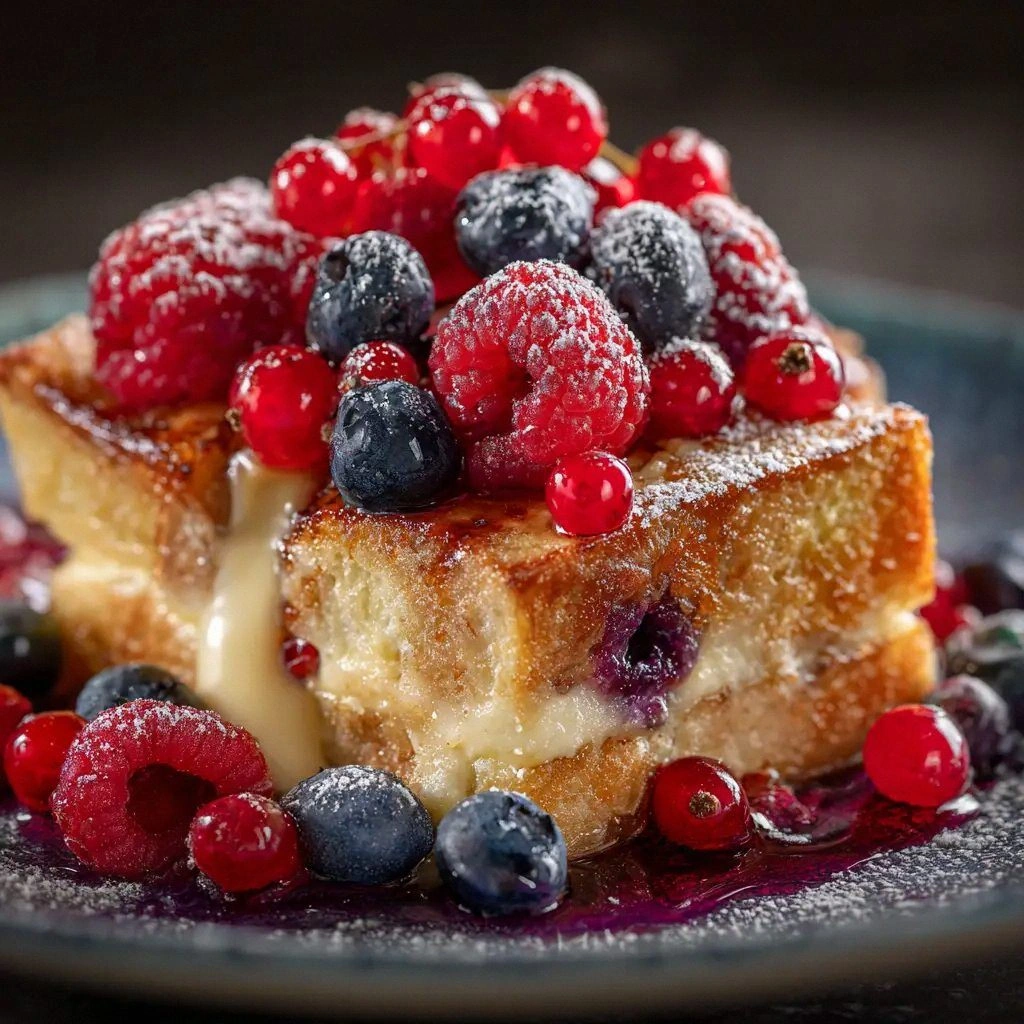
Picture a golden, airy casserole that rises like a sunrise, its crust crackling with the perfect crunch while the inside stays moist and custard‑laden. The scent of vanilla, cinnamon, and nutmeg rolls out of the oven like a fragrant fog, making every breath a promise of indulgence. When you cut into it, the custard oozes out, coating the edges of the bread like silk, and the caramelized sugars form a glossy glaze that glistens under the kitchen lights. The first bite melts on your tongue, a harmony of sweet and savory that feels like a warm hug wrapped in a buttery blanket. I dare you to taste this and not go back for seconds—your palate will never be the same.
What makes this version stand out is the audacious use of sourdough as the base. The tangy undertone of the bread counterbalances the sweetness of the custard, creating a depth that simple white bread can’t match. The recipe layers textures: the crisp, caramelized edges, the pillowy interior, and the buttery crust that crunches like a well‑tempered chocolate chip cookie. Every ingredient is chosen not just for flavor but for its role in the overall architecture—each one a building block in a culinary skyscraper. And the secret? A splash of heavy cream and a generous amount of butter that turns the casserole into a silky, melt‑in‑your‑mouth experience. This is hands down the best version you'll ever make at home.
I’ll be honest—after I made the first batch, I ate half the casserole before anyone else got a bite. The rest of my friends were amazed, but the real magic was how the leftovers still tasted like fresh, oven‑baked goodness. The technique I’ll show you uses a simple “rest before bake” trick that locks in moisture, and a sprinkle of brown sugar on top that caramelizes into a caramelized crust. Picture yourself pulling this out of the oven, the whole kitchen smelling incredible, the table set, and everyone’s eyes wide with anticipation. Stay with me here—this is worth it, and I promise you’ll be the host that everyone remembers.
What Makes This Version Stand Out
- Flavor Depth: The sourdough’s natural tang cuts through the sweetness, creating a balanced profile that feels both comforting and adventurous.
- Texture Contrast: Crispy, caramelized edges give way to a custard‑filled interior that’s airy yet dense, offering a sensory roller coaster with every bite.
- Ingredient Quality: Using whole‑milk and heavy cream instead of low‑fat dairy adds richness that elevates the dish from brunch to brunch‑with‑a‑twist.
- Make‑Ahead Friendly: Assemble the casserole the night before and bake in the morning—perfect for busy weekend mornings.
- Crowd‑Pleaser: Whether it’s a family gathering or a brunch date, this casserole leaves a lasting impression and gets a standing ovation.
- Unconventional Twist: The inclusion of brown sugar on the top layer caramelizes into a subtle crunch, a finish that most recipes miss.
Inside the Ingredient List
The Flavor Base
Sourdough bread is the star of this casserole. Its naturally fermented tang adds a subtle sourness that balances the sweetness of the custard. If you can’t find sourdough, a rustic rye or a hearty whole‑grain loaf will work, but you’ll lose that distinct zing. Keep the bread at room temperature; cold bread can cause the custard to set too quickly, leading to uneven texture.
The Texture Crew
Eggs, milk, and heavy cream form the custard’s foundation, providing body and richness. The eggs act as a binder, ensuring the mixture holds together during the bake. The heavy cream adds a silky mouthfeel, while the whole milk keeps the custard light. If you’re watching calories, swap half the heavy cream for half‑fat milk, but expect a slightly less luscious finish.
The Unexpected Star
Brown sugar on top caramelizes into a golden crust that adds a subtle crunch. It also brings a hint of molasses sweetness that contrasts beautifully with the vanilla and spices. If you prefer a lighter finish, use white sugar or a sugar substitute, but the caramelization won’t be as pronounced.
The Final Flourish
All‑purpose flour thickens the custard, preventing it from running off the bread during baking. It also helps the casserole set into a firm yet tender block. The butter, cold and cubed, melts into the custard, creating a buttery glaze on the top. If you’re gluten‑free, replace the flour with a gluten‑free blend, but the texture may become slightly crumbly.
Everything’s prepped? Good. Let’s get into the real action.
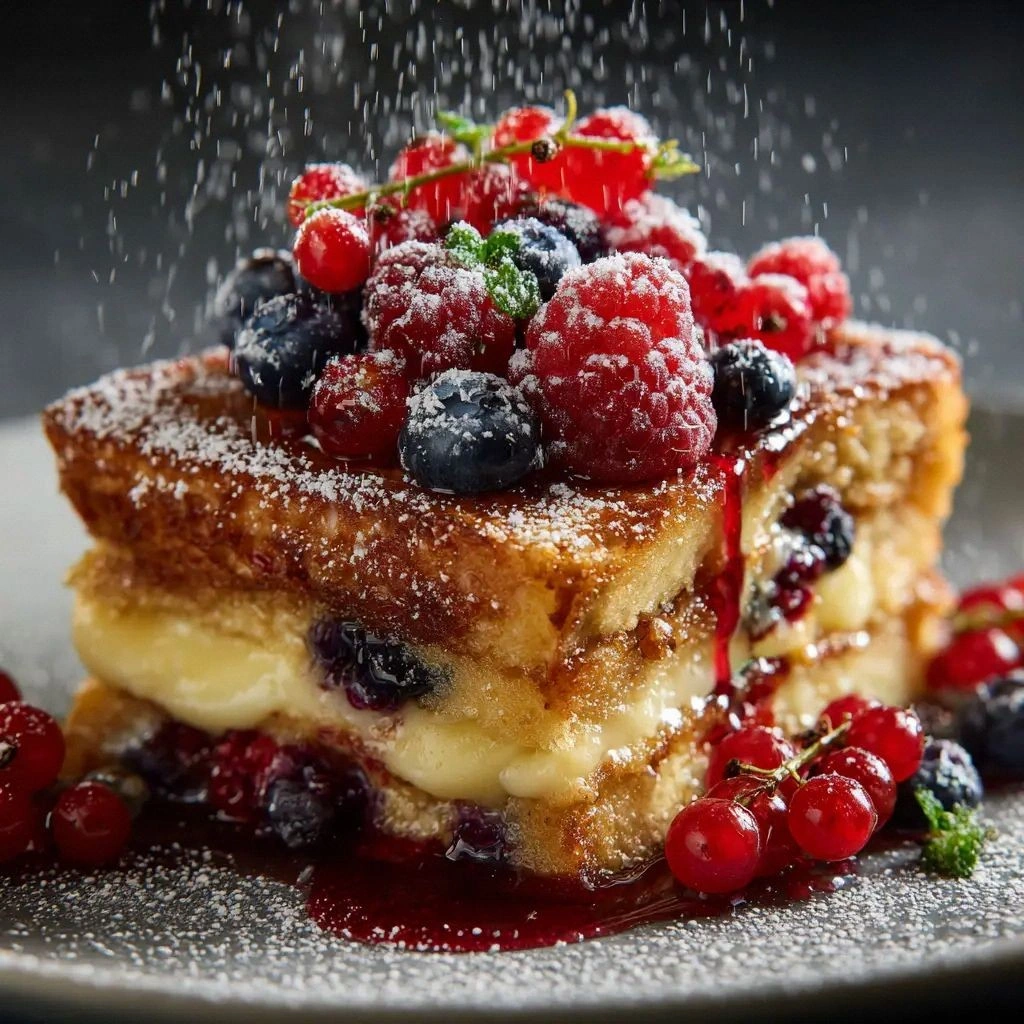
The Method — Step by Step
- Preheat your oven to 350°F (175°C) and grease a 9x13 inch baking dish with a thin layer of butter. The butter will create a barrier that prevents the casserole from sticking and adds flavor to the crust. Let the oven preheat while you prepare the custard.
- In a large mixing bowl, whisk together the eggs, whole milk, heavy cream, vanilla extract, ground cinnamon, and ground nutmeg until the mixture is smooth and well combined. The vanilla and spices infuse the custard, creating a fragrant base. If you prefer a stronger spice kick, add an extra pinch of cinnamon.
- Spread the sourdough slices in a single layer at the bottom of the greased dish. Don’t overcrowd them; the bread needs space to absorb the custard. If your loaf is thick, slice it into 1/2 inch pieces for even cooking.
- Pour the custard mixture over the bread, ensuring every slice is saturated. The custard should coat the bread like a velvety blanket. Let the mixture sit for about 10 minutes so the bread can soak up the liquid.
- In a small bowl, combine the all‑purpose flour, packed brown sugar, and an extra pinch of ground cinnamon. Stir until the sugar is evenly distributed. This dry mix will create a sweet, caramelized crust on top of the casserole.
- Dot the cold unsalted butter cubes evenly over the top of the custard layer. The butter will melt into the custard, forming a glossy glaze during baking. It also adds a rich, buttery flavor that contrasts with the caramelized sugar.
- Sprinkle the flour‑sugar‑cinnamon mixture over the butter cubes. The dry layer will caramelize into a golden crust as the casserole bakes. Keep a close eye; you want a deep golden color, not a burnt one.
- Bake for 30 minutes, or until the top is golden brown and the custard is set. The edges will pull away from the dish, a clear sign that it’s done. Use a toothpick; if it comes out clean, the casserole is ready.
- Let the casserole rest for 10 minutes before slicing. This allows the custard to set completely, preventing a mushy center. Serve warm, optionally dusted with powdered sugar or drizzled with maple syrup for an extra indulgent touch.
That’s it—you did it. But hold on, I’ve got a few more tricks that’ll take this to another level.
Insider Tricks for Flawless Results
The Temperature Rule Nobody Follows
Baking at 350°F is the sweet spot for this casserole. If you go lower, the custard will take longer to set, and the edges may become soggy. If you go higher, the top may burn before the interior cooks. I once baked at 375°F and the crust was charred while the center was still liquid—definitely a lesson learned.
Why Your Nose Knows Best
Keep your nose close to the oven; the aroma of caramelizing sugar and butter is your cue that the crust is perfect. A strong vanilla scent indicates the custard is fully integrated, while a faint scent means you need to bake a few more minutes. Trust your senses—they’re the best judge of doneness.
The 5-Minute Rest That Changes Everything
Letting the casserole rest for 5–10 minutes after baking allows the custard to set, making it easier to slice cleanly. A rushed cut often results in a mushy mess. The rest also lets the flavors meld, giving each bite a harmonious blend of sweet, savory, and buttery notes.
The Sweet‑Spice Balance
If you prefer a sweeter casserole, add an extra tablespoon of brown sugar to the dry mix. For a spicier kick, sprinkle a pinch of cayenne pepper over the top before baking. The key is to taste the custard mixture before pouring it over the bread; this helps you adjust the sweetness and spice levels to your liking.
The Butter Layer Trick
Using cold butter cubes instead of melted butter creates a beautiful, glossy finish as they melt during baking. The butter also helps the sugar caramelize evenly. If you don’t have cold butter on hand, chill the butter for 30 minutes before cutting it into cubes.
Creative Twists and Variations
This recipe is a playground. Here are some of my favorite ways to switch things up:
Berry Burst
Add a cup of fresh blueberries or sliced strawberries to the custard before pouring it over the bread. The berries burst into sweet juice, creating a vibrant, fruity layer that pairs perfectly with the caramelized crust.
Almond Crunch
Replace the brown sugar with almond flour and add chopped toasted almonds on top before baking. The nutty crunch adds texture and a subtle almond flavor that complements the vanilla and cinnamon.
Chocolate Lover’s Dream
Fold in 2 tablespoons of cocoa powder into the custard and sprinkle chocolate chips over the top. The chocolate chips melt into a gooey center, creating a decadent, chocolate‑laden version that’s perfect for special occasions.
Savory Spin
Omit the sugar and replace it with grated Parmesan cheese and a pinch of dried herbs. The result is a savory, cheesy casserole that’s a great brunch option for those who prefer a less sweet dish.
Maple‑Glazed Finale
Drizzle maple syrup over the baked casserole right before serving. The syrup adds a natural sweetness and a glossy finish that makes the dish look restaurant‑ready.
Gluten‑Free Version
Swap the sourdough for a gluten‑free loaf and replace the all‑purpose flour with a gluten‑free blend. The texture will be slightly different, but the flavor profile remains intact.
Storing and Bringing It Back to Life
Fridge Storage
Store leftovers in an airtight container in the refrigerator for up to 3 days. The casserole stays moist and flavorful, thanks to the custard base. When ready to eat, reheat in a 350°F oven for 10 minutes or until warmed through.
Freezer Friendly
Wrap the casserole tightly in plastic wrap, then place it in a freezer bag. Freeze for up to 2 months. Thaw overnight in the refrigerator before reheating. This method preserves the texture and flavor.
Best Reheating Method
Add a splash of milk or water before reheating to prevent the custard from drying out. Reheat in a 350°F oven, covered with foil, for 15 minutes. The result is a warm, creamy casserole that tastes almost as good as when it first baked.