Picture this: I’m standing in a cramped kitchen, the oven door open, and a batch of my infamous “crusty” bread sitting on the counter like a stubborn toddler. I had just tried a new recipe that promised a chewy center and a golden crust, but the dough turned out as dense as a brick wall. The moment the timer buzzed, I stared at the oven’s heat lamp, wondering if I’d just ruined my dinner. That night, a friend dared me to recreate a focaccia that would make even the most skeptical of us swoon. I laughed, grabbed my apron, and said, “Let’s do this.”
The smell that filled the kitchen was nothing short of intoxicating. Warm, yeasty air mingled with the earthy aroma of rosemary, and the faint scent of olive oil drifted through the open windows. The sound of the dough rising was a gentle, rhythmic hum, like a lullaby for the senses. When I finally pulled the focaccia out of the oven, the surface was blistered and blistered, a testament to the careful balance of moisture and heat. The first bite was a burst of crispy edges, a tender interior, and that unmistakable, buttery olive oil that makes you want to lick the plate. I knew I’d found the holy grail of simple yet sophisticated bread.
What sets this version apart isn’t just the result; it’s the philosophy behind it. I’ve stripped away the extra steps that most recipes insist on, like double kneading or pre-ferments, and focused on a single, flawless technique that delivers a crust that’s crisp and a crumb that’s airy. The use of fresh rosemary instead of dried gives the bread a vibrant, almost citrusy brightness that’s impossible to replicate with anything else. I also introduced a subtle trick—adding a splash of olive oil to the dough before the final rise—that locks in moisture without making the crust soggy. The final product is a slice of bread that feels like a piece of art, with a texture that’s both comforting and sophisticated.
I’ll be honest—once I tasted the first slice, I was instantly convinced that this is hands down the best focaccia you’ll ever make at home. The secret? A simple, no-fuss method that ensures the dough rises evenly and the crust caramelizes to perfection. I dare you to taste this and not go back for seconds. If you’ve ever struggled with this, you’re not alone—and I’ve got the fix. Let me walk you through every single step—by the end, you’ll wonder how you ever made it any other way.
What Makes This Version Stand Out
- Taste: The fresh rosemary infuses the dough with an aromatic, herbal note that pairs beautifully with the mild, buttery flavor of olive oil. It’s a flavor profile that’s both classic and contemporary, making every bite memorable.
- Texture: The dough’s hydration level is carefully calibrated to produce a crumb that’s airy yet slightly chewy, while the crust remains crisp and blistered. The result is a bread that feels light in your mouth and satisfies your desire for a crunchy exterior.
- Speed: From start to finish, the entire process takes less than an hour. You can have a fresh loaf in your kitchen without spending an entire afternoon kneading, proofing, and baking.
- Accessibility: The recipe uses pantry staples—flour, yeast, salt, olive oil—and a single herb that you can find at any grocery store. No specialty ingredients or equipment required.
- Versatility: While the base recipe is simple, it’s a canvas for creative twists—think olives, sun‑dried tomatoes, or a drizzle of honey. You can adapt it to any occasion, from a quick snack to a dinner centerpiece.
- Make‑ahead Potential: The dough can be refrigerated for up to 24 hours, allowing you to prep ahead and bake when it’s most convenient. The flavor even deepens with time, giving you a more complex taste profile.
- Ingredient Quality: Using high‑quality extra‑virgin olive oil not only enhances flavor but also contributes to a golden, glossy crust. The same principle applies to the rosemary—fresh leaves are far superior to dried.
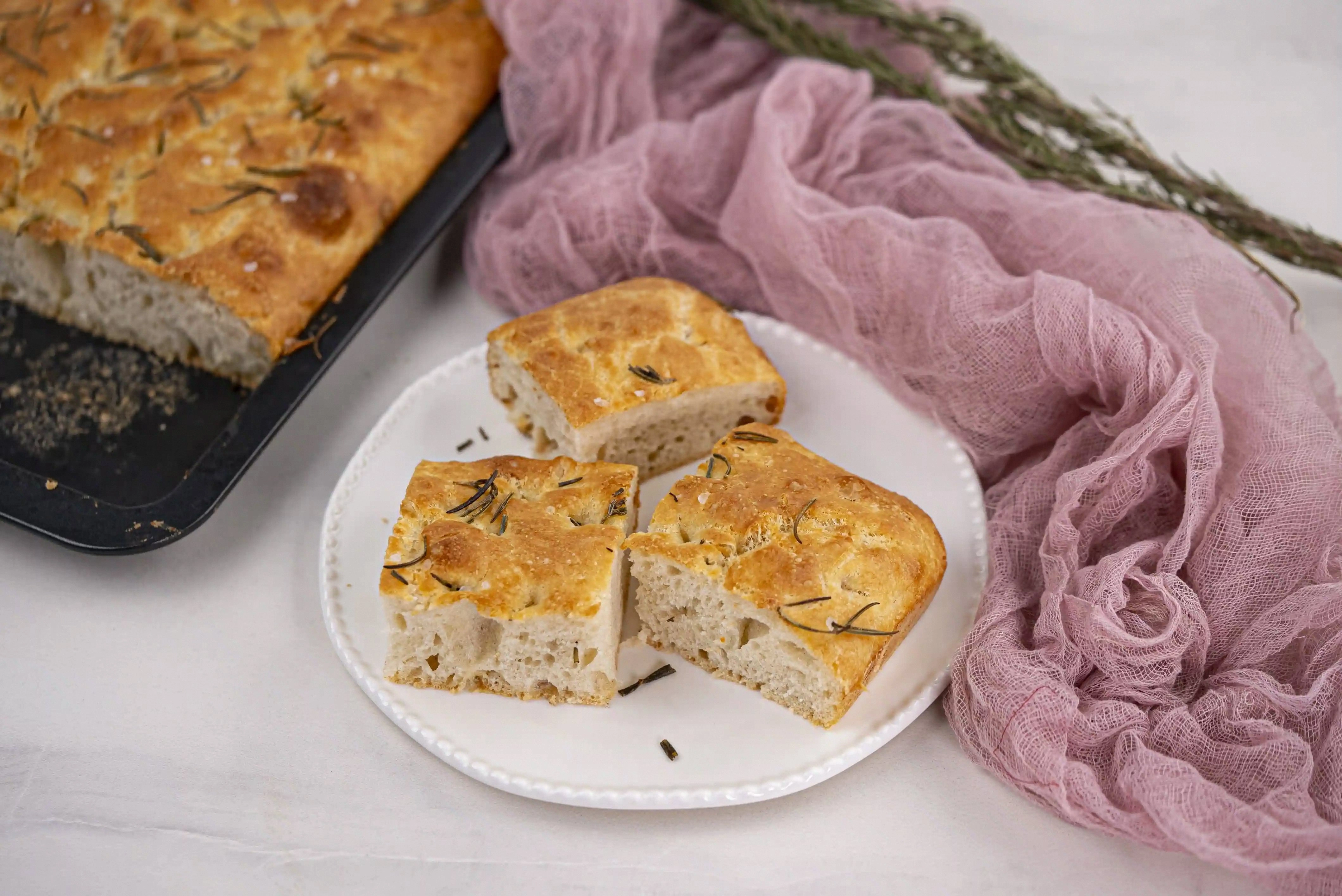
- Visual Appeal: The final loaf boasts a rustic, sun‑kissed surface with a dotted pattern of olive oil drizzles, making it as pleasing to the eye as it is to the palate.
Inside the Ingredient List
The Flour Foundation
The backbone of any bread is its flour, and this recipe calls for 4 cups of either bread flour or all‑purpose flour. Bread flour has a higher protein content, which translates to stronger gluten development and a chewier crumb. If you only have all‑purpose flour, the loaf will still rise beautifully, but the texture will be slightly softer. For a truly artisanal experience, consider adding a tablespoon of vital wheat gluten to the mix.
The Yeast Catalyst
Active dry yeast or instant yeast is the engine that drives the dough’s rise. The recipe specifies 2 ¼ teaspoons, which is equivalent to 7 g. This amount ensures a steady, controlled fermentation, preventing the dough from over‑proofing. If you’re in a hurry, you can reduce the yeast to 1 tsp, but the loaf will take longer to rise and may not achieve the same airy structure.
The Saltful Touch
Salt not only enhances flavor but also regulates yeast activity. Two teaspoons of 10 g is the sweet spot—enough to bring out the bread’s natural sweetness without stifling the rise. If you’re watching sodium intake, you can reduce the salt by a third, but be prepared for a slightly muted flavor profile.
The Liquid Balance
1 ¾ cups of warm water (415 ml) hydrates the dough, activating the gluten and yeast. The water should be between 110–115 °F; if it’s too hot, you’ll kill the yeast, and if it’s too cold, the dough will rise sluggishly. For a subtle twist, replace a portion of the water with milk or buttermilk to add richness.
The Olive Oil Elixir
A quarter cup (60 ml) of extra‑virgin olive oil is folded into the dough, providing tenderness and a glossy finish. The oil also helps create a crisp crust by coating the surface and preventing excessive moisture loss. Keep a small drizzle of extra oil ready for the final topping—this step is pure magic.
The Herbaceous Crown
Two tablespoons of fresh rosemary leaves bring a fragrant, piney note that elevates the bread’s flavor. Fresh rosemary is far superior to dried, as it releases its oils more effectively during baking. If rosemary isn’t available, thyme or oregano can serve as a suitable substitute, though the flavor will shift.
The Salted Finish
Coarse sea salt is sprinkled on top before baking to create a crunchy, savory crust. The coarse grains provide a satisfying bite and contrast the soft interior. If you prefer a milder finish, a light dusting of flaky sea salt will still impart the desired texture.
Everything’s prepped? Good. Let’s get into the real action.
The Method — Step by Step
- In a large mixing bowl, combine the flour, yeast, and salt. Use a whisk to disperse the yeast evenly, preventing clumps that could hinder the rise. The goal is a homogeneous base that will absorb the liquid uniformly.
- Create a well in the center of the dry mixture and pour in the warm water. Add the olive oil and gently fold the ingredients together with a wooden spoon until a shaggy dough forms. The dough should be slightly sticky but manageable; if it’s too dry, add a tablespoon of water.
- Transfer the dough onto a lightly floured surface and knead for about 7–8 minutes. The dough should develop a smooth, elastic texture that springs back when pressed. This step is crucial for gluten development and a tender crumb.
- Shape the dough into a ball and place it in a greased bowl, turning it once to coat all sides. Cover with a clean kitchen towel or plastic wrap and let it rise in a warm spot for 1 hour, or until it has doubled in size. The dough will look airy and slightly puffy.
- Preheat your oven to 425 °F (220 °C) and place a baking stone or a heavy baking sheet on the middle rack. The high heat and preheated surface are essential for a blistered crust.
- After the dough has risen, gently deflate it and place it on a sheet of parchment paper. Press it out into a rectangle that’s about 12 × 9 inches (30 × 23 cm) using your fingertips. The dough should have a thickness of roughly 1 in (2.5 cm).
- Drizzle a generous amount of olive oil over the surface, then use a fork to make shallow dimples all across the dough. Sprinkle the rosemary leaves evenly, followed by a light dusting of coarse sea salt. The dimples trap steam, creating pockets of airy crumb.
- Slide the parchment with the dough onto the preheated stone or sheet. Bake for 20–22 minutes, or until the crust is golden brown and the loaf sounds hollow when tapped. The edges will pull away from the parchment, indicating readiness.
- Remove the focaccia from the oven and let it rest on a wire rack for 10 minutes. This rest period allows the steam to redistribute, ensuring a crisp crust and a moist interior. While it rests, drizzle a little more olive oil for an extra glossy finish.
- Slice the loaf into wedges and serve warm. Pair it with a simple tomato sauce or a cheese platter for a complete meal. Enjoy the burst of rosemary, the buttery oil, and the comforting texture that makes this loaf unforgettable.
Insider Tricks for Flawless Results
The Temperature Rule Nobody Follows
Many bakers assume room temperature is the best environment for proofing, but a slightly warmer setting—about 75 °F (24 °C)—can double the rise time and produce a more open crumb. I keep my dough in a low‑heat oven (200 °F/93 °C) with the light on, which creates a stable, humid environment that yeast loves. If your kitchen is cooler, consider placing the dough near a radiator or on top of a warm appliance.
Why Your Nose Knows Best
During the final rise, listen for that faint, yeasty aroma that signals readiness. The dough should smell like warm bread, not sour or fermented. If the smell is off, the dough may be over‑proofed and will collapse during baking.
The 5‑Minute Rest That Changes Everything
After removing the focaccia from the oven, let it rest for exactly 5 minutes before slicing. This short pause allows the steam to redistribute, ensuring a moist interior and preventing a soggy bottom. The crust will also firm up slightly, making it easier to cut clean slices.
The Olive Oil Trick
Drizzling a thin layer of high‑quality extra‑virgin olive oil over the surface before baking not only adds flavor but also creates a glossy finish that’s hard to resist. The oil melts into the crust, giving it a buttery sheen that elevates the loaf from ordinary to extraordinary.
The Final Touch: Sea Salt Crumbs
Instead of a uniform sprinkle, scatter coarse sea salt in irregular clusters across the loaf. The uneven distribution creates pockets of crunch that contrast beautifully with the soft interior. This simple visual cue also signals to your guests that the bread is freshly baked.
Creative Twists and Variations
This recipe is a playground. Here are some of my favorite ways to switch things up:
Sun‑Dried Tomato & Basil Focaccia
Swap the rosemary for chopped sun‑dried tomatoes and a handful of fresh basil leaves. The tomatoes add a sweet, umami punch while the basil offers a fresh, peppery note. This version is perfect for a Mediterranean lunch or as a side to grilled chicken.
Olive & Caramelized Onion Delight
Fold in a handful of pitted olives and thinly sliced caramelized onions before baking. The olives provide briny depth, and the onions add a sweet, savory undertone that balances the olive oil. Serve with a wedge of aged cheese for a decadent snack.
Cheesy Garlic Focaccia
After the dough has risen, sprinkle shredded mozzarella and minced garlic over the surface. The cheese melts into the crust, creating gooey pockets, while the garlic adds a robust aroma. This version is ideal for a cozy family dinner.
Herb & Parmesan Crusted Focaccia
Mix grated Parmesan cheese with chopped parsley and thyme, then press the mixture into the dough before baking. The cheese melts into the crust, giving it a nutty flavor and a golden finish. This loaf pairs wonderfully with a light salad.
Honey‑Rosemary Sweet Focaccia
Replace half of the olive oil with honey and drizzle a thin layer of honey over the dough before baking. The honey caramelizes, creating a sweet crust that contrasts with the rosemary’s earthy tones. This sweet‑savory combo is a crowd‑pleaser at brunch.
Storing and Bringing It Back to Life
Fridge Storage
Wrap the cooled loaf tightly in plastic wrap and store it in the refrigerator for up to 3 days. The moisture from the wrap keeps the bread from drying out. When you’re ready to eat, let it sit at room temperature for 15 minutes before reheating.
Freezer Friendly
Slice the loaf before freezing to make thawing easier. Place the slices in a freezer bag, removing as much air as possible. Freeze for up to 2 months. To thaw, let the slices sit at room temperature for 20 minutes, then warm in a 350 °F (175 °C) oven for 5 minutes.
Best Reheating Method
The secret to reviving a stale focaccia is a quick, hot oven. Preheat the oven to 350 °F (175 °C) and place the loaf on a baking sheet for 5–7 minutes. For extra crispness, spray the surface with a light mist of water before baking; the steam will restore moisture without making the crust soggy.