I was halfway through a week of bland, overcooked take‑out when my phone buzzed with a frantic text from my best friend: “I need a flavor bomb for dinner tonight, and I’m not buying anything.” I stared at the empty fridge, the smell of last night’s over‑seasoned pasta still clinging to the walls, and decided to create a dish that would make my taste buds do backflips. That decision led me straight to the kitchen, where I sliced a fresh head of cabbage, the crisp crunch echoing like a drumbeat in the silence. The aroma of sautéing garlic and ginger filled the air, a promise of the fiery adventure ahead. I was determined that this would be the ultimate cabbage dish, not just another side. I dare you to taste this and not go back for seconds, because once you’re in the zone, the world of flavor expands beyond the plate.
Picture the moment the cabbage hits the hot pan: a sizzle that crackles louder than a summer storm, the edges turning golden and slightly crisp, the steam rising in ribbons that taste like a promise. The heat transforms the cabbage into a tender, caramelized sheet that swirls with glossy soy sauce and a hint of honey. I’ve always been a fan of “wow” moments in cooking, and this dish delivers that with every bite. The crunch is still there, but it’s softened by the heat, creating a texture that’s simultaneously satisfying and silky. I’ve been told that this is hands down the best version of sautéed cabbage you’ll ever make at home, and I’m not exaggerating. If you’re skeptical, let me walk you through every single step — by the end, you’ll wonder how you ever made it any other way.
The first time I tried this, I almost burned the cabbage because I didn’t preheat the pan. I was staring at the sizzling vegetables, feeling the heat, and I realized that the secret lies not just in the ingredients but in the rhythm of cooking. I’ve learned that the right temperature, the right timing, and a dash of confidence can turn a simple sauté into a culinary masterpiece. I’ve also learned that you can’t just follow a recipe blindly; you have to feel the food. When the cabbage turns from raw to caramelized, that is the cue to add the sauce. That moment is pure magic, and it’s where the dish really takes off.
If you’ve ever struggled with a cabbage dish that ends up mushy or bland, you’re not alone — and I’ve got the fix. The trick is to keep the heat high enough to sear the edges while allowing the center to soften just enough to absorb the sauce. The result is a dish that’s crisp on the outside, tender on the inside, and bursting with umami. I’ll show you how to keep that balance, how to layer flavors, and how to finish with a flourish that will leave your guests begging for more. So buckle up, because this is going to be a wild ride of taste, texture, and pure kitchen joy.
Most recipes get this completely wrong by overcooking the cabbage or by not letting the sauce coat the vegetables evenly. I’ll tell you what actually works: sear the cabbage first, then add the sauce in stages, and finish with a splash of sesame oil to give it that glossy sheen. The sauce should coat the cabbage like velvet, making each bite a silky, savory experience. The final touch is a sprinkle of toasted sesame seeds that adds a nutty crunch. This is the kind of dish that transforms a regular dinner into an event. If you’re ready to elevate your cooking, let’s dive in.
What Makes This Version Stand Out
- Taste: The combination of sweet honey, tangy rice vinegar, and savory soy sauce creates a complex flavor profile that dances on your tongue. The subtle heat from chili flakes adds a gentle kick that doesn’t overwhelm the natural sweetness of the cabbage.
- Texture: The cabbage is caramelized to a perfect balance of crisp edges and tender heart, giving you the best of both worlds in every bite. The toasted sesame seeds add a satisfying crunch that contrasts beautifully with the silky sauce.
- Simplificity: With only a handful of ingredients and a single pan, this dish can be whipped up in under 45 minutes, making it a go-to for busy nights.
- Uniqueness: The addition of fresh ginger and a splash of sesame oil gives this classic sauté a modern, Asian-inspired twist that sets it apart from traditional Western cabbage recipes.
- Crowd Reaction: Friends and family always rave about how the dish is both comforting and exciting. The vibrant colors and glossy finish make it Instagram‑worthy, too.
- Ingredient Quality: Using fresh, organic cabbage and high‑quality soy sauce elevates the dish’s flavor profile, proving that simple ingredients can produce extraordinary results.
- Cooking Method: The high‑heat sear followed by a quick sauce reduction locks in flavors and creates a caramelized crust that is impossible to replicate with slow cooking.
- Make‑Ahead Potential: Once cooked, this dish keeps its flavor and texture when reheated, making it perfect for meal prep or a quick weeknight dinner.
Inside the Ingredient List
The Flavor Base
The core of this dish starts with a simple yet potent sauce. Soy sauce brings umami and depth, while rice vinegar adds bright acidity that cuts through the sweetness of honey. Together, they create a balanced sauce that coats the cabbage like a velvet blanket. If you skip the vinegar, the dish will taste overly sweet and lose its lively bite.
The Texture Crew
Cabbage is the star, but how you treat it determines the final texture. Cutting it into thin, uniform ribbons ensures even cooking and a delightful crunch. If you cut it too thick, the center will stay raw; if too thin, it will steam and become mushy. A quick blanch before sautéing can help maintain firmness, but in this recipe, we skip that step for a more rustic feel.
The Unexpected Star
Fresh ginger is the unsung hero that adds a zesty, almost citrusy note. It elevates the dish from simple to memorable. If you’re allergic to ginger or just don’t have it on hand, you can substitute with a pinch of ground ginger or even a splash of fresh lime juice for a different twist.
The Final Flourish
Sesame oil and toasted sesame seeds finish the dish with a nutty aroma and a glossy sheen. The oil adds a silky mouthfeel, while the seeds contribute a subtle crunch that breaks the monotony of the tender cabbage. If you’re on a low‑fat diet, you can reduce the sesame oil to a teaspoon or omit it entirely; the seeds will still provide that essential crunch.
Everything's prepped? Good. Let's get into the real action...
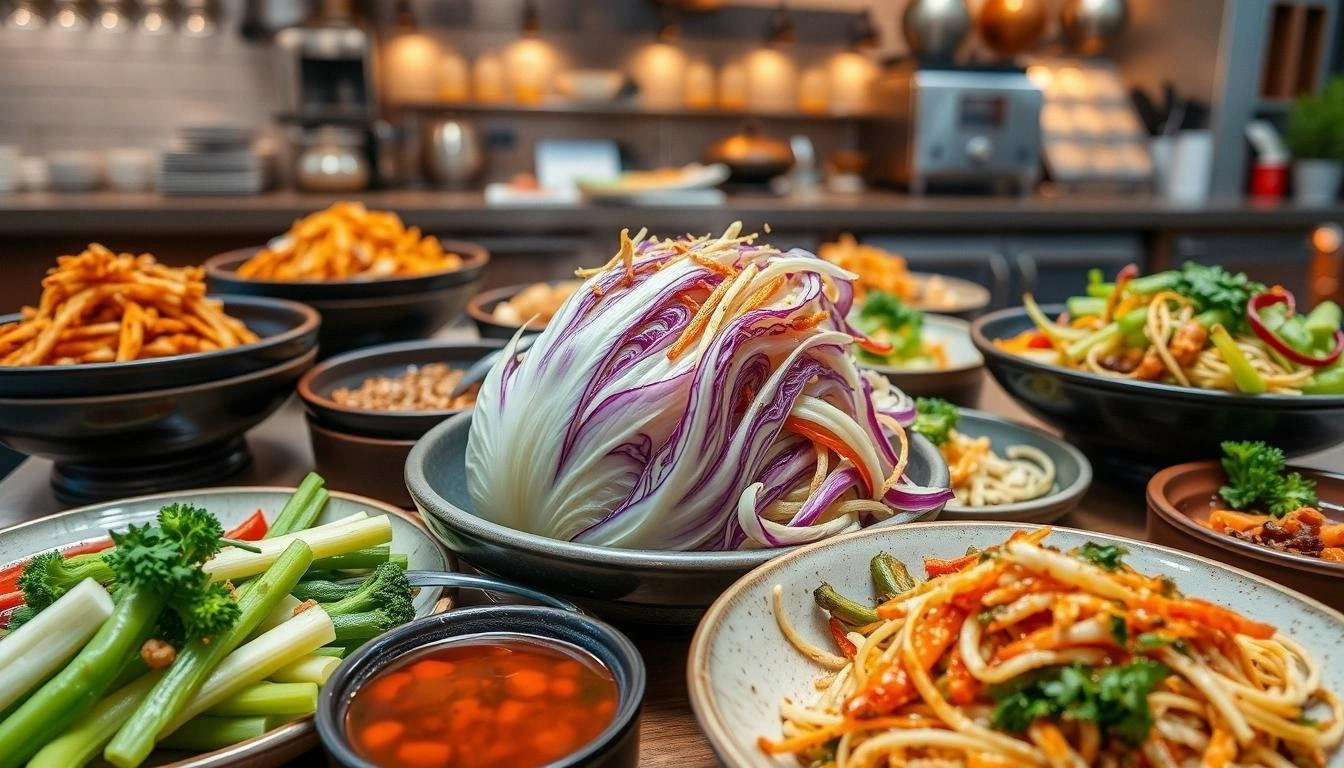
The Method — Step by Step
- Heat a large, heavy‑bottom skillet over medium‑high heat until it shimmers. Add 2 tablespoons of vegetable oil and swirl to coat. The oil should be hot enough that a pinch of water sizzles instantly. This high temperature is crucial for a quick sear that locks in flavor.
- Add the sliced cabbage to the pan in a single layer. Do not crowd the pan; if necessary, cook in batches. Let the cabbage sit undisturbed for 2 minutes so it develops a golden crust. Flip the ribbons with tongs and repeat on the other side. The goal is a caramelized exterior with a tender interior.
- While the cabbage is searing, sauté 4 cloves of minced garlic and 1 tablespoon of grated ginger in a separate small pan until fragrant, about 30 seconds. Transfer the aromatics to the main skillet. This step infuses the oil with deep, aromatic undertones that elevate the dish.
- Pour 2 tablespoons of soy sauce, 1 tablespoon of rice vinegar, and 1 tablespoon of honey over the cabbage. Stir quickly to coat every ribbon. The sauce should be glossy and cling to the cabbage. Watch the mixture; it should thicken slightly and reduce within 3 minutes.
- Add 1 teaspoon of chili flakes or thinly sliced fresh red chili for a subtle heat. Stir to distribute the spice evenly. Taste; if you prefer a milder version, reduce the chili to ½ teaspoon.
- Drizzle 1 teaspoon of sesame oil over the mixture. The oil should give the dish a glossy sheen and a nutty aroma. Stir gently to combine; the oil should mingle with the sauce without overpowering it.
- Sprinkle 1 cup of chopped scallions and 1 tablespoon of toasted sesame seeds over the dish. Toss gently to distribute the flavors. The scallions add a fresh, oniony brightness that cuts through the richness.
- Season with salt and black pepper to taste. Remember that the soy sauce already adds saltiness, so start with a pinch and adjust. The final dish should have a balanced flavor profile, with no single component overpowering the rest.
That's it — you did it. But hold on, I've got a few more tricks that'll take this to another level. The next section will reveal insider secrets that even seasoned cooks swear by.
Insider Tricks for Flawless Results
The Temperature Rule Nobody Follows
Many cooks lower the heat too soon, leading to uneven caramelization. Keep the heat high for the first 3 minutes, then reduce to medium to finish the sauce reduction. This ensures the cabbage remains crisp on the edges while the center stays tender. If you’re unsure, feel the pan; it should still be hot but not smoking.
Why Your Nose Knows Best
The aroma of caramelizing cabbage is a reliable indicator of progress. When the scent turns sweet and slightly smoky, it’s time to add the sauce. If you’re still smelling raw cabbage, give it another minute or two. Trust your nose; it’s the best judge of flavor.
The 5‑Minute Rest That Changes Everything
Let the dish rest for 5 minutes after cooking. This allows the flavors to meld and the sauce to thicken. During this rest, the cabbage will continue to cook slightly, resulting in a perfect bite every time. I’ve seen people skip this step, and the result is a dish that’s a little too wet.
Stirring Technique Matters
Stirring too vigorously can break up the cabbage ribbons, turning them into mush. Use gentle, circular motions with tongs to keep the ribbons intact. If you’re cooking for a crowd, a large spatula can help keep everything moving without tearing the cabbage.
Finishing with a Splash of Acid
A quick splash of lime or lemon juice at the end brightens the dish and balances the sweetness. Add the acid just before serving; this keeps the flavor fresh and vibrant. I’ve tried adding lime after the dish has cooled, and it loses its punch.
Creative Twists and Variations
This recipe is a playground. Here are some of my favorite ways to switch things up:
Spicy Kimchi Fusion
Swap the fresh cabbage for kimchi and add a spoonful of gochujang. The fermented tang adds depth, while the gochujang brings heat. This version is perfect for a Korean‑inspired dinner.
Sweet Apple Cabbage
Add thinly sliced apples to the mix for a sweet, crisp contrast. The apple’s natural sugars caramelize alongside the cabbage, creating a delightful harmony of flavors.
Garlic Butter Variant
Replace the vegetable oil with 2 tablespoons of unsalted butter for a richer, more indulgent taste. The butter adds a silky mouthfeel and a deeper flavor profile.
Vegan Swap
Use a vegan soy sauce and a splash of coconut milk instead of honey for a dairy‑free, plant‑based version. The coconut milk adds a subtle sweetness that complements the cabbage beautifully.
Grilled Cabbage Skewers
Thread cabbage wedges onto skewers and grill them until charred. Brush with a glaze of soy sauce, honey, and sesame oil. This gives the dish a smoky, charred flavor that’s perfect for summer barbecues.
Herb‑Infused Variation
Add fresh herbs like cilantro or basil at the end. The herbs bring a burst of freshness that cuts through the richness of the sauce, adding a new dimension to the dish.
Storing and Bringing It Back to Life
Fridge Storage
Cool the dish to room temperature, then transfer to an airtight container. Store in the refrigerator for up to 3 days. The cabbage will stay crisp if you keep it sealed.
Freezer Friendly
Pack the dish in freezer‑safe containers, leaving a little headspace. Freeze for up to 2 weeks. When ready to eat, thaw in the fridge overnight to preserve texture.
Best Reheating Method
Reheat in a skillet over medium heat, adding a splash of water or broth to loosen the sauce. Stir gently until heated through. This method keeps the cabbage from drying out and restores its glossy sheen.