I was halfway through a midnight craving that turned into a kitchen catastrophe, and what emerged from the smoke-filled stove was a revelation. Picture this: a pan sizzling with olive oil, the aroma of garlic hitting the air like a sweet perfume, and the unmistakable sound of shrimp popping as they hit the hot surface. The kitchen was a mess of flour, soy sauce, and honey, but the moment the shrimp turned that rosy blush, I knew I’d stumbled on something extraordinary. The dish was a perfect marriage of sweet, savory, and a hint of citrusy brightness that made my taste buds dance.
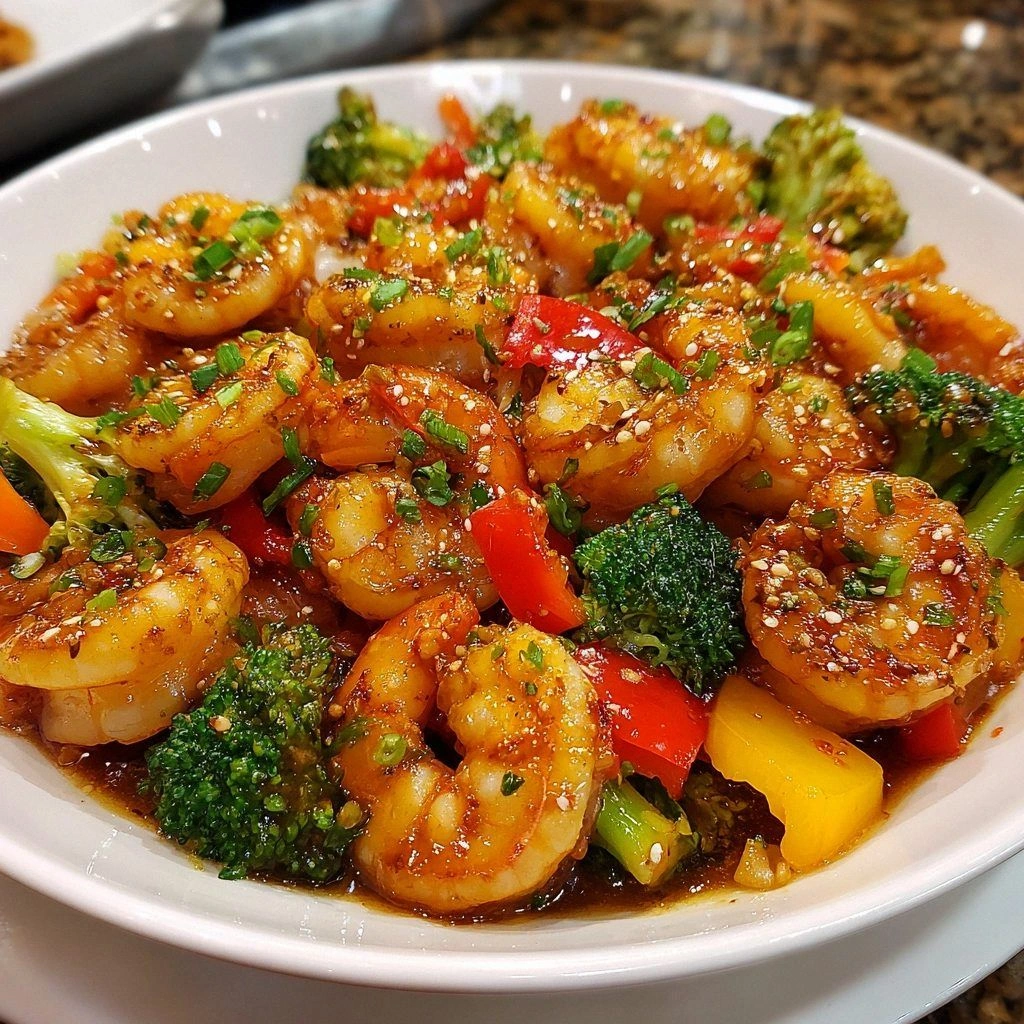
The first thing you notice is the glossy sheen of the shrimp, each one glistening like a tiny pearl in a honeyed glaze. The air is thick with the scent of caramelized garlic and the faintest whisper of soy, a promise of umami that lingers even after the last bite. When you take that first forkful, the shrimp is tender, the sauce coats them like velvet, and the vegetables snap back with a satisfying crunch that echoes the sizzle from the pan. If you’re a fan of textures, you’ll love how the broccoli stays crisp while the bell pepper softens into a sweet, slightly smoky bite.
What makes this version stand out? I dare you to taste this and not go back for seconds. The sauce is balanced to perfection: honey’s natural sweetness cuts through the saltiness of soy without overwhelming the shrimp, while garlic adds depth that feels both familiar and exciting. The cooking method is simple, yet it elevates the dish: high heat sears the shrimp quickly, locking in juices, while a quick stir of the sauce ensures every piece is coated evenly. It’s hands down the best version you’ll ever make at home because it’s quick, flavorful, and leaves the kitchen smelling like a gourmet restaurant.
I’ve spent years tweaking stir‑fries, and this one is a game‑changer. Picture yourself pulling this out of the pan, the whole kitchen smelling incredible, and realizing you’ve just created a dish that feels like a culinary triumph. If you’ve ever struggled with balancing flavors in a stir‑fry, you’re not alone — and I’ve got the fix. Stay with me here — this is worth it.
What Makes This Version Stand Out
- Flavor: The honey‑soy glaze is a sweet‑salty symphony that elevates the shrimp without overpowering them. It’s a harmony that makes every bite memorable.
- Texture: The shrimp stay juicy and tender, while the broccoli and bell pepper add a satisfying crunch that contrasts beautifully with the silky sauce.
- Speed: You can have a full dinner ready in under 30 minutes, making it ideal for busy weeknights or last‑minute guests.
- Versatility: Swap the shrimp for chicken or tofu and you have a new dish in a flash. The base flavor works across proteins.
- Health‑Friendly: Olive oil provides heart‑healthy fats, and the sauce uses low‑sodium soy for a lighter option without sacrificing depth.
- Make‑Ahead Potential: This dish holds up wonderfully in the fridge or freezer, so you can prep it ahead and reheat quickly.
Alright, let’s break down exactly what goes into this masterpiece…
Inside the Ingredient List
The Flavor Base
Honey is the star here, providing a natural sweetness that caramelizes into a glossy glaze. It balances the salty depth of soy sauce, creating a sauce that coats the shrimp like velvet. If you skip honey, the dish becomes too acidic and loses that comforting warmth. For a lower‑calorie alternative, try maple syrup or agave nectar, but remember it will alter the flavor profile slightly.
Soy sauce is the backbone of the umami punch. A low‑sodium version keeps the dish light while still delivering that essential savory note. If you’re sensitive to sodium, try tamari or coconut aminos. These options maintain the depth of flavor without the salt spike.
The Texture Crew
Broccoli florets are more than just a garnish; they absorb the sauce and add a satisfying crunch that contrasts with the tender shrimp. When you cook broccoli for 3–4 minutes, it stays bright green and retains nutrients. Skipping broccoli would make the dish feel incomplete and less vibrant. If you prefer a softer bite, blanch the broccoli first.
Bell pepper slices contribute color, sweetness, and a slight smoky flavor when seared. Their crispness adds a textural layer that makes each bite exciting. A red pepper gives a sweeter tone, while a green one offers a sharper bite. If you’re out of bell pepper, zucchini or carrots can substitute but will change the flavor dynamic.
The Unexpected Star
Olive oil is the cooking medium that brings everything together. It heats quickly and gives the shrimp a beautiful sear without sticking. The mild flavor of olive oil complements the sweet‑salty sauce without overpowering it. If you prefer a neutral taste, use canola or grapeseed oil, but the olive oil adds a subtle complexity.
Garlic is the aromatic engine that powers the sauce. Minced garlic releases a fragrant steam that lingers in the kitchen, turning a simple dish into a culinary experience. If you’re sensitive to garlic, use minced shallots for a gentler flavor. The garlic’s punch is essential; without it, the dish feels flat.
The Final Flourish
Salt and pepper are the finishing touches that elevate every ingredient. A pinch of salt enhances the natural sweetness of honey, while pepper adds a subtle heat that awakens the palate. Too much salt can drown the sauce, so use sparingly. If you’re watching sodium, use a salt substitute or simply season to taste.
Everything’s prepped? Good. Let’s get into the real action…
The Method — Step by Step
- Prepare the Shrimp: Pat the shrimp dry with paper towels to ensure a good sear. Season each shrimp lightly with salt and pepper. If using frozen shrimp, make sure they’re fully thawed and dried. This step is crucial for a glossy finish.
- Heat the Pan: Place a large skillet or wok over medium‑high heat and pour in 2 tablespoons of olive oil. Let the oil heat until it shimmers but isn’t smoking. A hot pan guarantees a quick sear and prevents the shrimp from steaming.
- Sear the Shrimp: Add the shrimp in a single layer, being careful not to overcrowd. Cook for 1–2 minutes on each side, watching for the pink blush and the slight crust. Flip only once to keep the shrimp tender.
- Remove and Set Aside: Once cooked, transfer the shrimp to a plate. This prevents them from overcooking and ensures they stay juicy when the sauce is added.
- Stir‑Fry the Vegetables: In the same pan, add 1 cup of broccoli florets. Stir‑fry for 2 minutes, then add 1 sliced bell pepper. Continue cooking for another 2–3 minutes until the vegetables are crisp‑tender.
- Create the Sauce: In a small bowl, whisk together 1/4 cup honey, 3 tablespoons low‑sodium soy sauce, 2 minced garlic cloves, and a splash of water to thin if needed. This mixture will coat the shrimp and veggies beautifully.
- Combine Shrimp and Sauce: Return the shrimp to the pan and pour the sauce over everything. Toss gently to coat each piece evenly. The sauce will thicken slightly and coat the shrimp like a glaze.
- Finish and Serve: Let the dish cook for another 1–2 minutes until the sauce caramelizes and the shrimp are just done. Taste and adjust seasoning with a pinch of salt or pepper if needed. Serve immediately over rice or noodles.
That’s it — you did it. But hold on, I’ve got a few more tricks that’ll take this to another level…
Insider Tricks for Flawless Results
The Temperature Rule Nobody Follows
High heat is the secret sauce for a perfect sear. Keep the pan hot enough that the shrimp sizzles immediately, but not so hot that the oil smokes. A quick test: sprinkle a drop of water in the pan; if it pops, you’re at the right temperature. This ensures the shrimp stay juicy and the sauce caramelizes beautifully.
Why Your Nose Knows Best
The aroma of garlic and honey is a cue for readiness. When the garlic starts to brown and the honey turns a golden amber, that’s your signal to add the shrimp back. Your nose is the most reliable indicator that the sauce has reached the right stage of caramelization.
The 5‑Minute Rest That Changes Everything
Let the dish rest for 5 minutes before serving. This allows the flavors to meld and the sauce to thicken slightly. I’ve seen people skip this step, and the result is a watery stir‑fry that feels underseasoned.
Use Fresh Shrimp for the Best Texture
Fresh shrimp hold their shape better than frozen ones. If you’re in a hurry, use frozen shrimp, but make sure to thaw them in cold water and pat them dry. Fresh shrimp give that “popping” bite that makes this dish unforgettable.
Finish with a Splash of Lemon
A squeeze of fresh lemon juice just before serving brightens the dish and cuts through the sweetness. It adds a zesty contrast that lifts the overall flavor profile. If you’re not a fan of citrus, a splash of rice vinegar works as a lighter alternative.
Creative Twists and Variations
This recipe is a playground. Here are some of my favorite ways to switch things up:
Spicy Sriracha Twist
Add a tablespoon of sriracha to the sauce for a fiery kick. The heat pairs well with the honey, creating a balanced sweet‑spicy profile. This version is perfect for those who love a little heat in their meals.
Teriyaki Glaze Swap
Replace the honey with a homemade teriyaki sauce for a richer, deeper flavor. The soy base remains, but the addition of mirin and brown sugar gives a caramelized finish. It’s an excellent choice for a more robust taste.
Vegetarian Variation
Swap shrimp for firm tofu or tempeh. Press the tofu to remove excess moisture, then sear until golden before adding the sauce. The tofu absorbs the glaze, creating a plant‑based version that’s just as satisfying.
Asian Fusion Noodle Bowl
Serve the stir‑fry over a bed of soba or rice noodles. Toss the noodles with a splash of sesame oil for extra flavor. This transforms the dish into a hearty bowl that’s both comforting and exotic.
Gluten‑Free Option
Use tamari instead of soy sauce for a gluten‑free version. The flavor profile remains the same, but it’s safe for those with gluten sensitivities. Pair it with cauliflower rice for a low‑carb meal.
Storing and Bringing It Back to Life
Fridge Storage
Cool the dish completely before transferring it to an airtight container. Store in the refrigerator for up to 3 days. When you’re ready to eat, reheat gently on the stove or in the microwave, stirring occasionally.
Freezer Friendly
For longer storage, portion the dish into freezer‑safe containers and freeze for up to 2 months. Thaw overnight in the refrigerator before reheating. The flavor remains intact, and the texture stays close to fresh.
Best Reheating Method
Reheat on low heat, adding a splash of water or broth to keep the sauce from drying out. This technique steams the dish back to perfection, preserving the glossy glaze and tender shrimp. A quick stir before serving restores the dish’s vibrant appearance.