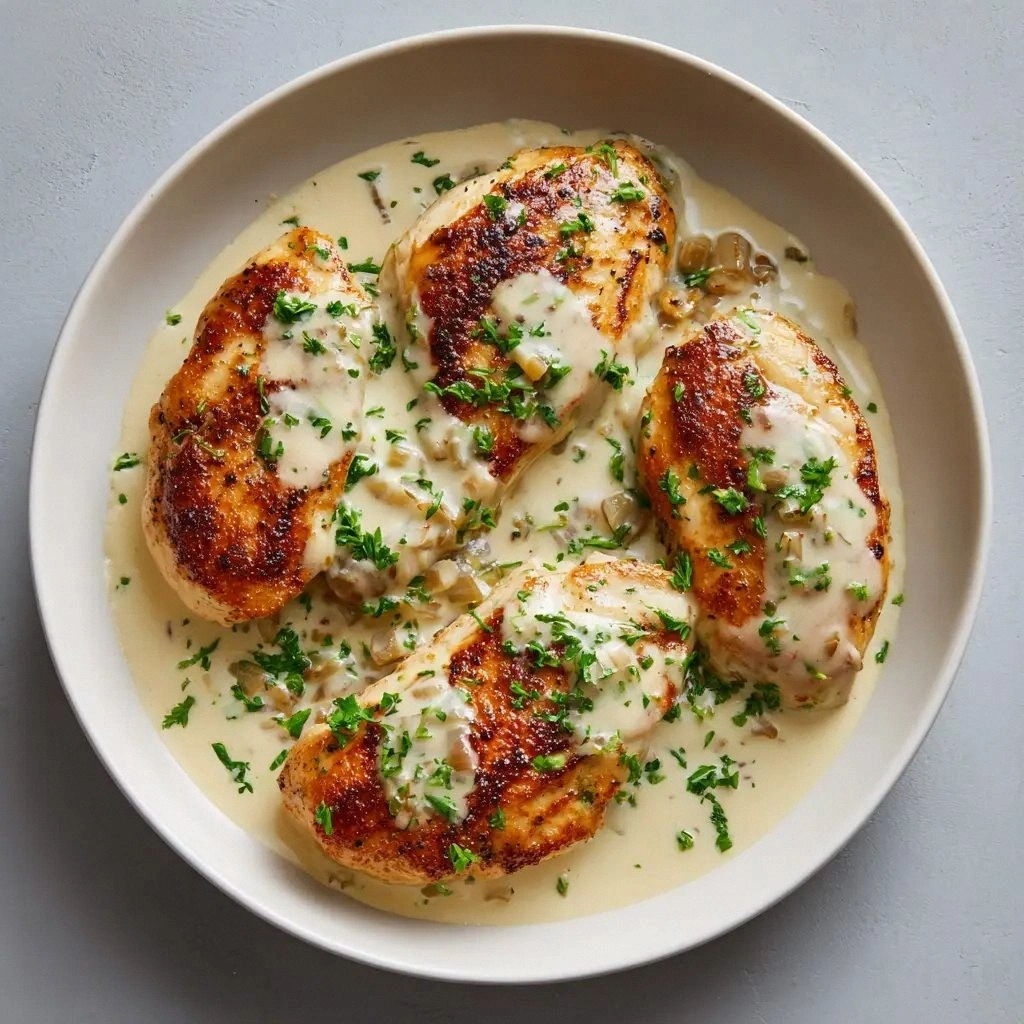
I still remember the night I almost burned the kitchen down while chasing a fancy dinner idea. A glass of bubbly, a pinch of salt, and a pan that was too hot—my attempt at a Champagne‑flavored chicken turned into a smoky, charred disaster. That disaster became the spark that ignited the creation of the Elegant Pan‑Seared Champagne C, a dish that marries the crispness of Champagne with the comforting heartiness of a buttery pan sear. If you’ve ever tried a sauce that feels like liquid velvet and then wondered why it never quite landed, this is the recipe that will finally satisfy that craving.
Picture this: the first bite of a chicken breast that’s perfectly seared on the outside, golden‑brown edges that crackle like a dry leaf, and a sauce that slides over the meat in a silky, slightly effervescent ribbon. The aroma is a sophisticated cocktail of toasted butter, sharp Champagne, and fresh parsley that instantly transports you to a chic dinner party. The texture is a dance of crisp edges and tender interior, while the Champagne brings a bright, sparkling lift that keeps the palate engaged. This isn’t just another chicken dish; it’s a celebration of flavor that feels both indulgent and approachable.
What sets this version apart from every other Champagne chicken recipe out there is a blend of techniques and ingredient choices that elevate the dish to a new level. First, the flour coating is light enough to keep the chicken juicy but heavy enough to create that satisfying, golden crust. Second, the Champagne is reduced to a thick, glossy sauce that coats the meat like a silk scarf, not a watery glaze. Third, the fresh parsley finish adds a burst of green that cuts through the richness without overpowering the delicate notes of Champagne. Fourth, the butter is layered in stages—first to brown the chicken, then to finish the sauce—ensuring depth of flavor. Finally, the cooking temperature is meticulously controlled, so the chicken stays tender inside while achieving that coveted caramelized exterior. This combination of elements makes the dish a standout in any dinner rotation.
I dare you to taste this and not go back for seconds. That sizzle when the pan meets the chicken? Absolute perfection. The Champagne’s effervescence gives the sauce a lift that feels like a secret ingredient from a high‑end restaurant. The buttery finish is so smooth it feels almost like a dessert, yet it’s grounded in savory. If you’re a skeptic, let me assure you: this is hands down the best version you’ll ever make at home. Picture yourself pulling this out of the pan, the whole kitchen smelling incredible, and the plate looking like it belongs on Instagram. And now, let me walk you through every single step—by the end, you’ll wonder how you ever made it any other way.
What Makes This Version Stand Out
- Flavor: The Champagne reduction gives the sauce a subtle acidity that balances the richness of butter and chicken. Each spoonful is a harmony of bright bubbles and savory depth, a contrast that keeps the palate intrigued.
- Texture: The flour coating creates a crisp, golden crust while preserving the moist interior. The sauce’s silky consistency coats the meat like velvet, making every bite luxurious.
- Simplicity: With only ten ingredients and a single pan, the recipe is approachable for beginners yet refined enough for seasoned cooks. No fancy equipment, just a skillet and a splash of Champagne.
- Uniqueness: The use of Champagne as a sauce base is rare in everyday cooking. It transforms an ordinary chicken breast into a dish worthy of a celebratory dinner.
- Crowd Reaction: Friends and family often ask for the recipe after the first serving. The dish’s elegance and flavor profile make it a guaranteed hit at gatherings.
- Ingredient Quality: Fresh, high‑quality chicken and a dry, Brut Champagne are essential. The better the Champagne, the brighter the sauce.
- Cooking Method: The pan‑searing technique locks in juices, while the butter finish adds a buttery richness that’s impossible to replicate with baking or grilling.
- Make‑Ahead Potential: The sauce can be prepared ahead and reheated gently, making it a convenient option for busy weeknights.
Alright, let’s break down exactly what goes into this masterpiece…
Inside the Ingredient List
The Flavor Base
The Champagne is the star of this dish, not just for its effervescence but for its acidity and subtle sweetness. It cuts through the buttery richness and brightens the overall profile. If you’re using a Brut Champagne, the dryness ensures the sauce doesn’t become cloyingly sweet. Skipping Champagne would leave the dish flat; the sauce would lack that distinct lift. For those who want a lower alcohol content, you can replace Champagne with a dry white wine, but the sparkle will be missing.
When selecting Champagne, look for a Brut with a crisp, mineral undertone. A vintage with a hint of citrus works wonders. If you’re on a budget, a decent quality Brut will still deliver the bright acidity needed. The key is to avoid overly sweet or heavy Champagnes, as they can overwhelm the delicate chicken flavor. Remember, Champagne is more than a beverage; it’s a flavor enhancer that brings complexity to the sauce.
The Texture Crew
Flour is the unsung hero that gives the chicken its signature golden crust. The flour’s fine texture creates a barrier that locks in juices while allowing the surface to crisp. Too much flour can make the coating heavy; too little can lead to uneven browning. A light dusting is all you need, and it’s best to season the flour with salt and pepper before coating the chicken.
Olive oil and butter work in tandem to create a savory, buttery finish. Olive oil raises the smoke point, allowing the chicken to sear without burning, while butter adds depth and richness. The butter is added in stages: first to brown the chicken, then to finish the sauce. This layered approach ensures a complex flavor profile. If you skip butter, the sauce will taste flat and lack that luxurious mouthfeel.
The Unexpected Star
Shallots bring a subtle sweetness and aromatic depth that elevates the sauce. They soften quickly, releasing their flavor into the pan before the Champagne reduction. Skipping shallots will result in a sauce that feels one‑dimensional. If you’re allergic or simply don’t have shallots on hand, finely minced onions can be a suitable substitute, though the flavor will be slightly less refined.
Heavy cream is the final touch that gives the sauce its silky, velvety texture. It balances the acidity of Champagne and enriches the overall mouthfeel. A splash of cream can be added at the end to create a more luxurious sauce, but be careful not to overdo it, or the Champagne’s brightness will be lost. For a lighter version, replace half the cream with a splash of milk or even a touch of coconut milk for a subtle twist.
The Final Flourish
Fresh parsley isn’t just a garnish; it adds a bright, herbaceous note that cuts through the richness of the sauce. The parsley’s green hue also gives the dish a fresh visual appeal. If you’re not a fan of parsley, a sprinkle of fresh chives or basil can be used, but the flavor profile will shift slightly. Parsley’s subtle peppery undertone complements the Champagne’s acidity, creating a harmonious balance.
Everything’s prepped? Good. Let’s get into the real action…
The Method — Step by Step
- Pat the chicken breasts dry with paper towels; this helps achieve a golden crust. Season both sides generously with salt and pepper. Lightly dust the coated chicken with flour, shaking off any excess. Heat the olive oil in a heavy‑bottom skillet over medium‑high heat until shimmering but not smoking. The pan should be hot enough that the chicken sizzles immediately upon contact.
- Place the chicken breasts in the pan, skin‑side down if they have skin. Let them cook undisturbed for about 4 minutes until a deep golden brown forms. Flip carefully with a spatula; the second side should also brown in 3–4 minutes. The key is to avoid moving the chicken too early, which prevents proper crust formation. Watch the edges; they should pull away slightly from the pan as the Maillard reaction completes.
- Once both sides are browned, add the butter in two stages: first a tablespoon to help sear the chicken, then the remaining two tablespoons to finish the sauce. As the butter melts, it creates a fragrant aroma of toasted nuts and butter. Stir gently to combine the butter with the pan drippings, forming a rich base for the sauce. The butter’s fat will help carry the Champagne’s flavors into the sauce.
- Add the finely chopped shallots to the pan, sautéing them for 1–2 minutes until translucent. The shallots will soften quickly, releasing their natural sweetness. Stir them into the butter mixture, ensuring they don’t burn. The aroma should become noticeably sweet and aromatic, signaling readiness for the next step.
- Pour in the Champagne, scraping up any browned bits from the bottom of the pan. The Champagne should sizzle, releasing a burst of bubbles that carry the aromatic flavors into the air. Let it reduce for about 3–4 minutes until the liquid is slightly thickened and coats the back of a spoon. This reduction concentrates the Champagne’s bright acidity, creating a glossy sauce.
- Lower the heat to medium‑low and add the heavy cream, stirring constantly. The cream will blend with the reduced Champagne, creating a silky sauce that coats the chicken. Keep the sauce simmering gently; it should thicken but not boil. The sauce’s consistency should be smooth and glossy, not watery.
- Return the chicken breasts to the pan, spooning sauce over them. Let them simmer for an additional 2–3 minutes, allowing the flavors to meld. The chicken should be cooked through, with an internal temperature of 165°F (74°C). The sauce will cling to each breast, creating a luxurious coating.
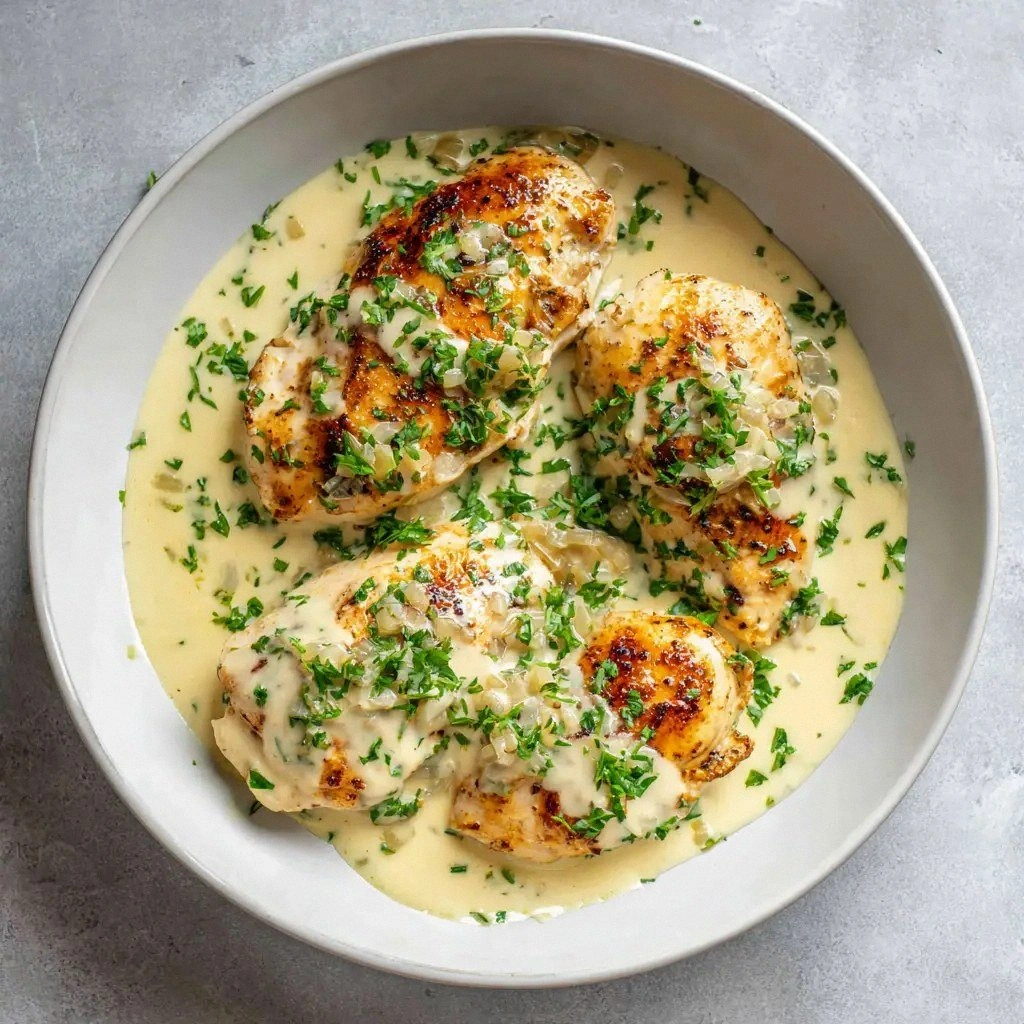
- Finish the dish with a sprinkle of fresh parsley, adding a bright green contrast and a fresh herbal note. Serve immediately over a bed of buttery mashed potatoes, roasted vegetables, or a simple risotto. The dish’s elegance makes it perfect for a dinner party or a cozy night in. Enjoy the burst of flavors, the silky sauce, and the satisfying crunch of the crust.
That’s it — you did it. But hold on, I’ve got a few more tricks that will take this to another level…
Insider Tricks for Flawless Results
The Temperature Rule Nobody Follows
Many chefs believe that high heat is always better, but that’s a myth. The optimal temperature for searing chicken is medium‑high, around 375°F (190°C). This allows the crust to develop quickly while preventing the inside from drying out. If the pan gets too hot, the butter will burn, imparting a bitter taste. Use a thermometer if you’re unsure; a quick check ensures your pan is at the right level of heat.
Why Your Nose Knows Best
A seasoned cook’s nose can tell if the sauce is ready. When the Champagne reduces, it should emit a fragrant, slightly nutty aroma. If the scent feels flat or overly sweet, give it a few more minutes to reduce. Your nose is a reliable indicator of flavor development, so trust it. A well‑reduced sauce will have a depth that’s hard to achieve by eye alone.
The 5-Minute Rest That Changes Everything
Once you remove the chicken from the pan, let it rest on a cutting board for 5 minutes. This allows the juices to redistribute, ensuring each bite remains moist. A common mistake is slicing immediately, which can cause the juices to escape. Resting also lets the sauce thicken slightly, making it easier to coat the meat evenly. This small step elevates the dish from good to unforgettable.
Layering Butter for Depth
Adding butter in stages isn’t just for flavor; it also affects the sauce’s texture. The first tablespoon of butter helps brown the chicken, while the remaining butter enriches the sauce. If you add all the butter at once, the sauce can become too fatty and lose its bright acidity. Layering ensures a balanced, harmonious sauce that’s both rich and bright.
The Secret of Fresh Parsley
Fresh parsley is a subtle yet powerful finishing touch. It adds a green pop of color and a fresh herbal note that cuts through the richness. To get the most flavor, chop the parsley just before serving. If you pre‑chop and store it, the essential oils will dissipate, leading to a less vibrant finish. Fresh parsley is the final flourish that turns a good dish into a great one.
Creative Twists and Variations
This recipe is a playground. Here are some of my favorite ways to switch things up:
Sparkling Citrus Twist
Add a splash of fresh lemon juice to the Champagne reduction for a bright, zesty kick. The acidity will complement the Champagne’s natural brightness, creating a refreshing sauce. This variation is perfect for spring or summer gatherings.
Herb‑Infused Champagne
Infuse the Champagne with rosemary or thyme before reducing. Let the herbs steep for 10 minutes, then strain. The resulting sauce carries an earthy undertone that pairs beautifully with the chicken. This is a great option for a rustic dinner party.
Smoky Chipotle Variation
Incorporate a small amount of chipotle powder into the sauce for a subtle smoky heat. The chipotle pairs well with the Champagne’s sweetness, creating a complex flavor profile. Serve with corn‑based sides to balance the heat.
Creamy Mushroom Addition
Sauté sliced mushrooms with the shallots for an earthy depth. The mushrooms absorb the Champagne’s flavor, turning the sauce into a luxurious, umami‑rich coating. This variation is ideal for a cozy, autumnal meal.
Pine Nut Crunch
Toast pine nuts and sprinkle them over the finished dish for a nutty crunch. The pine nuts add texture and a subtle sweet flavor that complements the buttery sauce. This twist works wonderfully with a simple green salad.
Storing and Bringing It Back to Life
Fridge Storage
Store leftovers in an airtight container in the refrigerator for up to 3 days. The sauce may thicken slightly, but it will remain flavorful. Reheat gently on the stove, adding a splash of water or broth to loosen the sauce if needed. The chicken will stay juicy if you avoid over‑cooking during reheating.
Freezer Friendly
The dish freezes well for up to 2 months. Separate the sauce from the chicken in a freezer bag to prevent the chicken from becoming soggy. When ready to eat, thaw overnight in the refrigerator. Reheat slowly over low heat, adding a little milk or cream to restore the sauce’s silky texture.
Best Reheating Method
The best way to reheat is on a low‑heat skillet, stirring frequently. Add a tiny splash of water or broth to steam the chicken back to life, preventing it from drying out. The sauce should regain its glossy sheen, and the chicken will be tender and flavorful. Avoid microwaving, as it can make the sauce rubbery.