I remember the night I tried to rescue my overcooked spaghetti from the sink. The noodles had turned into a soggy, unappetizing mess, and the tomato sauce was a bland, watery swamp. I stared at the pot, feeling a little defeat, when a stray basil leaf fell onto the stove and whispered, “Let’s turn this around.” That tiny green leaf was the spark that lit a culinary revelation: the ultimate one‑pot creamy tomato basil pasta that would make even the most skeptical of diners swoon.
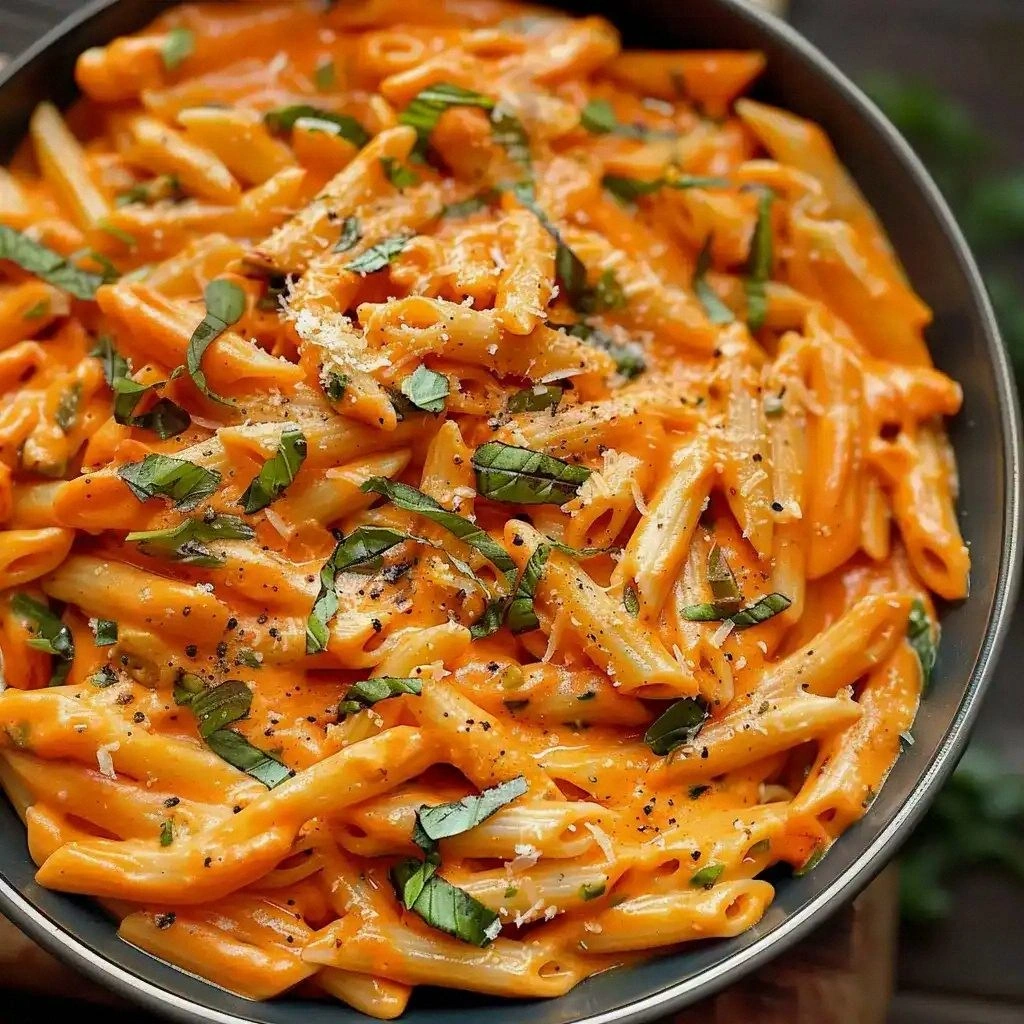
The kitchen smelled of garlic sizzling in olive oil, a fragrant promise of depth. I could almost hear the bubbling broth, the gentle hiss as the tomatoes released their sweet juices. The sight of the bright red sauce swirling around the pasta was a visual feast—rich, glossy, and inviting. The first bite was a velvet‑like coating that clung to the noodles, followed by the bright, herbaceous punch of basil that cut through the richness. The texture was a harmonious dance of tender pasta, silky sauce, and a subtle crunch from caramelized onions.
What makes this version stand out is that it takes the classic comfort of tomato pasta and elevates it with a creamy, herb‑infused finish that feels indulgent yet surprisingly light. The sauce’s thickness is achieved through a delicate balance of broth and cream, avoiding the heaviness of traditional Alfredo. The use of fresh basil rather than dried gives the dish a bright, aromatic quality that elevates every bite. The result is a dish that feels like a warm hug on a cold night, yet it’s quick enough to fit into a busy weeknight schedule.
There’s a little secret I’ll let you in on: the key to that silky texture is the timing of the cream addition. Adding it too early causes the sauce to separate, while adding it at the right moment locks in that luxurious mouthfeel. And trust me, this is hands down the best version you’ll ever make at home—once you try it, I dare you to taste this and not go back for seconds. Picture yourself pulling this out of the pot, the whole kitchen smelling incredible, and the plate gleaming with that glossy, basil‑laden sauce that makes every forkful a revelation.
What Makes This Version Stand Out
- Taste: The sauce is a perfect marriage of sweet tomatoes and savory cream, with fresh basil adding a bright, peppery counterpoint that lifts the entire dish.
- Texture: The pasta is al dente, and the sauce clings to each strand like velvet, creating a comforting, yet airy mouthfeel.
- Simplicity: One pot, one pan—no fuss, no cleanup. Everything cooks together, letting flavors mingle naturally.
- Uniqueness: The combination of broth and cream creates a depth that most tomato sauces lack, and the basil is added at the right moment for maximum aroma.
- Crowd Reaction: Friends always ask for seconds, and family members keep asking for the recipe—this dish is a conversation starter.
- Ingredient Quality: Fresh basil, good olive oil, and a quality canned tomato set the foundation for a dish that feels gourmet without the price tag.
- Cooking Method: The one‑pot technique locks in flavor, while the gentle simmer melds the ingredients into a cohesive sauce.
- Make‑Ahead Potential: The sauce can be refrigerated or frozen, making it perfect for meal prep or a quick weeknight dinner.
Alright, let’s break down exactly what goes into this masterpiece…
Inside the Ingredient List
The Flavor Base
The cornerstone of any great tomato sauce is the base. Freshly diced onions sautéed in olive oil form a sweet, caramelized foundation that anchors the acidity of the tomatoes. The garlic, minced to release its oils, adds a fragrant punch that permeates every bite. If you skip the onions, the sauce will lack depth, and if you skip the garlic, it will taste flat. A good rule of thumb: use at least 1 medium onion for 12 ounces of pasta; it balances the sweetness and bitterness of the tomatoes.
The Texture Crew
The pasta itself—whether penne, fusilli, or another shape—contributes to the dish’s structure. Choose a pasta that holds sauce well; penne’s hollow tubes are perfect for trapping the creamy mixture. The broth is the liquid backbone; it keeps the sauce from becoming too thick and allows the pasta to cook evenly. If you’re using chicken broth, you’ll add a subtle umami note; vegetable broth keeps it lighter. Skipping the broth will make the sauce too concentrated, leading to a burnt flavor if over‑cooked.
The Unexpected Star
Heavy cream or half‑half is the secret weapon that turns a simple tomato sauce into a silky, luxurious experience. It balances the acidity and gives the sauce a mouth‑watering body. If you’re watching calories, use half‑half or even a splash of whole milk—just be aware the sauce may be slightly thinner. Some chefs swear by coconut milk for a dairy‑free twist; it adds a subtle coconut undertone that pairs surprisingly well with basil.
The Final Flourish
The grated Parmesan is the finishing touch, adding a nutty, savory depth that rounds out the sauce. It also provides a subtle saltiness that balances the sweetness of the tomatoes. If you’re lactose intolerant or vegan, a sprinkle of nutritional yeast can mimic the cheesy flavor. A pinch of red pepper flakes adds a gentle heat that cuts through the creaminess without overpowering the basil.
Everything’s prepped? Good. Let’s get into the real action…
The Method — Step by Step
- Heat the olive oil in a large, wide skillet over medium heat. Add the diced onion and sauté until translucent and slightly caramelized, about 5–7 minutes. The onions should release a sweet aroma, signaling they’re ready to build the sauce’s foundation.
- Add the minced garlic to the pan and cook for 30 seconds, just until fragrant. Be careful not to let it burn—burnt garlic tastes bitter and will ruin the flavor profile. This step is the moment of truth; the garlic’s aroma should fill the kitchen.
- Pour in the can of crushed tomatoes, breaking them up with a spoon. Stir to combine with the onion and garlic. The sauce should bubble gently, releasing a rich tomato scent. Let it simmer for 5 minutes to meld the flavors.
- Add the broth and bring the mixture to a gentle boil. Then lower the heat to a simmer and stir in the pasta. Cover the skillet with a lid, leaving a small vent for steam to escape. Cook for 10–12 minutes, stirring occasionally, until the pasta is al dente and the sauce has thickened.
- This is the moment of truth. When the pasta is nearly cooked, stir in the heavy cream or half‑half. The sauce should become silky, and the mixture will coat the pasta like velvet. Keep the heat low to prevent the cream from separating.
- Toss in the fresh basil leaves, reserving a handful for garnish. The basil should wilt instantly, releasing its bright oils into the sauce. The aroma will be unmistakably fresh, transforming the dish from ordinary to extraordinary.
- Fold in the grated Parmesan until it melts into the sauce, creating a subtle nutty undertone. If you prefer a vegan version, substitute with nutritional yeast or a plant‑based cheese alternative.
- Season with salt, pepper, and optional red pepper flakes to taste. Stir well, ensuring the seasoning is evenly distributed. This final seasoning step is crucial for balancing the sauce’s richness and acidity.
- Serve immediately, garnished with the reserved basil leaves and a sprinkle of extra Parmesan if desired. The sauce should be glossy and cling to every strand of pasta, inviting you to dive in.
That’s it — you did it. But hold on, I’ve got a few more tricks that will take this to another level. Let’s dive into the insider secrets that will elevate your dish from great to unforgettable.
Insider Tricks for Flawless Results
The Temperature Rule Nobody Follows
Cooking pasta in a sauce at too high a temperature can cause the sauce to evaporate, leaving the pasta dry. Keep the heat at a gentle simmer once the pasta is added. If you notice the sauce thinning, lower the heat or add a splash of pasta water. I once tried to rush the process, and the result was a dry, over‑cooked pasta that tasted like cardboard.
Why Your Nose Knows Best
Your sense of smell is the most reliable indicator of flavor development. When the sauce reaches the right depth, it will emit a fragrant, tomato‑basil aroma that signals it’s ready to eat. If it smells flat or overly acidic, let it simmer longer. This trick saved me from a disastrous batch that was too sour.
The 5‑Minute Rest That Changes Everything
After removing the skillet from heat, let the dish rest for five minutes. During this time, the flavors will continue to meld, and the sauce will thicken slightly as the pasta absorbs liquid. This rest period also allows the basil to release its oils fully. I’ve seen this technique turn an average dish into a gourmet experience.
Add a Splash of Pasta Water
Reserve a cup of pasta cooking water before draining. If the sauce becomes too thick, add a tablespoon at a time until you reach the desired consistency. The starchy water helps bind the sauce to the pasta, giving it that silky, cohesive texture. This simple trick is a staple in many professional kitchens.
Use Fresh Basil, Not Dried
Fresh basil has a bright, peppery flavor that dried basil cannot match. When you add it at the end, it preserves its aroma and color, making the dish visually stunning. If you only have dried basil, use it sparingly—about a teaspoon—and add it early to release its flavor.
Add Protein for a Complete Meal
Cooked chicken, shrimp, or tofu can be tossed into the sauce during the last minute of cooking. This transforms the dish into a hearty, protein‑rich dinner that satisfies even the hungriest of appetites. The key is to add the protein just long enough to heat through without overcooking it.
Creative Twists and Variations
This recipe is a playground. Here are some of my favorite ways to switch things up:
Sun‑Dried Tomato Boost
Add chopped sun‑dried tomatoes to the sauce for a chewy, sweet burst that pairs wonderfully with basil. The sun‑dried tomatoes also add a deep, umami flavor that complements the cream.
Pesto Fusion
Stir in a tablespoon of basil pesto after the cream for an extra layer of herbaceous intensity. The pesto adds a nutty undertone and a splash of green color that makes the dish pop.
Spinach and Artichoke
Fold in a cup of fresh spinach and a handful of artichoke hearts for a Mediterranean twist. The spinach wilts quickly, adding a pop of color, while the artichokes provide a subtle, slightly tangy flavor.
Spicy Cajun Kick
Replace the red pepper flakes with Cajun seasoning and a splash of hot sauce for a bold, smoky heat. This variation is perfect for those who love a little spice in their pasta.
Creamy Mushroom Medley
Sauté sliced mushrooms with the onions for a savory, earthy depth. The mushrooms absorb the tomato‑cream sauce and add a meaty texture that satisfies the appetite.
Lemon‑Zest Finale
Finish the dish with a squeeze of fresh lemon juice and a sprinkle of zest. The citrus brightens the sauce and cuts through the richness, leaving a clean, refreshing finish.
Storing and Bringing It Back to Life
Fridge Storage
Cool the pasta and sauce to room temperature, then transfer to an airtight container. Store in the refrigerator for up to 3 days. The sauce will thicken slightly as it cools; reheat gently to restore its silky texture.
Freezer Friendly
For longer storage, place the dish in a freezer‑safe container and freeze for up to 3 months. Thaw overnight in the refrigerator before reheating. Add a splash of milk or broth to loosen the sauce if it’s become too thick.
Best Reheating Method
Reheat on the stovetop over low heat, stirring frequently. If the sauce has thickened, add a tablespoon of water or broth to reach the desired consistency. Avoid boiling, as it can cause the cream to separate.