I still remember the night I almost burned the kitchen down trying to make a cookie that could compete with a chocolate‑laden, citrus‑infused dream. A friend dared me to whip up something that would make the whole house smell like a luxury bakery, and I took that challenge to heart. The result? A shortbread that is simultaneously buttery, crisp, and decadently melty, all wrapped in a zesty orange whisper that cuts through the chocolate richness like a bright blade. Every bite feels like a little rebellion against the ordinary, a cookie that shatters the cliché of “plain shortbread” and invites you to taste the unexpected.
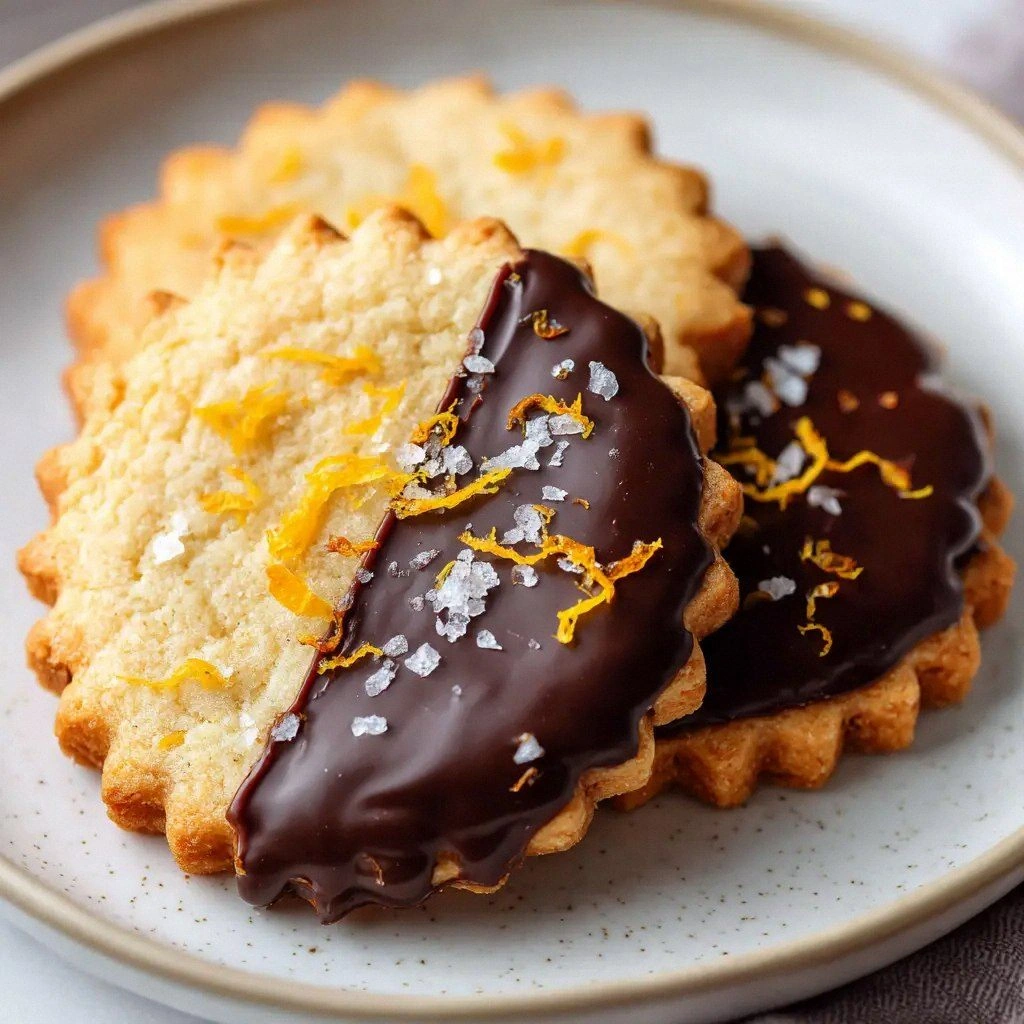
Picture this: you slice open the parchment, and the first thing you notice is the glossy sheen of melted dark chocolate glinting against the buttery dough. The scent of orange zest rises like a fragrant sunrise, mingling with the caramelized butter notes. When you break a cookie, the sound is a soft crack that gives way to a subtle crunch, followed by a melt that drips a little onto the plate—just enough to remind you that this isn’t your average cookie. The texture is a delicate balance: the edges stay crisp and flaky, while the center remains luxuriously tender. The first taste is a bold, bittersweet chocolate that is immediately softened by a bright citrus zing, ending with a whisper of sea salt that lingers like a secret.
What makes this version stand out isn’t just the combination of flavors; it’s the meticulous attention to every element that elevates the shortbread from ordinary to unforgettable. I’ve spent years experimenting with ratios, temperatures, and ingredient pairings, and the result is a cookie that’s both simple to make and impossible to resist. Most recipes get this completely wrong—too much sugar, too little butter, or a chocolate that’s too soft—but I’ve cracked the formula that delivers the perfect bite every single time. I dare you to taste this and not go back for seconds. The texture is so inviting that even a single bite feels like a reward.
I’ll be honest—my first batch had me eating half the cookies before anyone else had a chance to taste one. It was a sweet moment of triumph, and the kitchen smelled like a chocolate‑orange paradise. That early success made me realize that this recipe could become a staple for parties, holiday gatherings, or even a quiet Sunday afternoon indulgence. The best part? It’s so versatile that you can tweak it to suit any occasion, from a casual brunch to a formal dessert spread. If you’ve ever struggled with shortbread that turns out too dry or too sweet, you’re not alone—and I’ve got the fix.
Picture yourself pulling this out of the oven, the whole kitchen smelling incredible, the air thick with the scent of orange zest and rich chocolate. The cookies sit on a cooling rack, their edges crisping to a golden‑brown perfection while the center remains slightly soft, like a secret waiting to be uncovered. The anticipation builds as you watch the steam rise from the chocolate, a visual cue that the flavor is about to explode in your mouth. The moment you break one open, the buttery aroma mingles with the citrus notes, and the chocolate melts into a silky glaze that coats the crumb like velvet. You’ll wonder how you ever made shortbread any other way.
Let me walk you through every single step—by the end, you’ll wonder how you ever made it any other way. This is hands down the best version you'll ever make at home. The techniques are simple yet precise, the ingredients are carefully chosen, and the result is a cookie that feels like a celebration in every bite. And now the fun part. Stay with me here—this is worth it. You’re about to discover the secret behind the perfect shortbread that will have everyone asking for your recipe.
What Makes This Version Stand Out
- Flavor: The marriage of deep dark chocolate and bright orange zest creates a complex profile that satisfies both sweet and savory cravings. The subtle sea salt accent lifts the flavors without overpowering the delicate balance.
- Texture: A buttery base that crisps to a golden edge while the center stays tender and slightly gooey. The result is a cookie that feels light in the mouth yet packs a rich, indulgent bite.
- Ingredient Quality: Using high‑grade dark chocolate (at least 70% cacao) and fresh oranges ensures maximum flavor. The butter is unsalted to control saltiness, and the coconut oil adds a silky mouthfeel.
- Simplicity: The recipe requires only nine ingredients, but each one plays a critical role. No fancy equipment—just a mixing bowl, a rolling pin, and a baking sheet.
- Make‑Ahead Potential: The cookies hold up well when stored in an airtight container for up to a week, and they reheat to near‑fresh perfection in a toaster oven.
- Crowd Reaction: Guests rave about the surprising citrus twist, and the cookies are a conversation starter at parties. The visual appeal of glossy chocolate and orange zest is impossible to ignore.
- Versatility: This base can be adapted into bars, truffles, or even a cookie dough ice cream base. The recipe is a playground for creativity.
Alright, let's break down exactly what goes into this masterpiece...
Inside the Ingredient List
The Flavor Base
Unsalted butter is the cornerstone of any shortbread, providing richness and a subtle caramel undertone. Using one cup ensures a buttery ratio that isn’t too heavy but still delivers that classic melt‑in‑your‑mouth experience. If you’re in a hurry, a quick melt in the microwave works, but be careful not to overheat—it should remain cold so it can cut through the dough.
Powdered sugar, half a cup, balances the bitterness of the dark chocolate and the sharpness of the orange. It’s finely ground, so it blends seamlessly, giving the dough a smooth, silky texture. If you prefer a slightly less sweet cookie, reduce the sugar by a quarter cup; the chocolate will carry the sweetness.
Vanilla extract, one teaspoon, adds depth and rounds out the citrusy brightness. It’s a subtle but essential note that prevents the orange from feeling too sharp. A high‑quality vanilla bean paste can replace the extract for a more nuanced flavor.
The Texture Crew
All‑purpose flour, two cups, is the structure of the shortbread. It’s a balance between enough gluten for structure and enough softness for tenderness. If you want a more tender cookie, substitute half the flour with cake flour.
Kosher salt, a quarter teaspoon, is the unsung hero that enhances every flavor. It’s precise, so measure it carefully. Too much, and the cookie becomes salty; too little, and the chocolate doesn’t stand out.
Coconut oil, one teaspoon, adds a subtle tropical undertone and helps the dough hold together. It also prevents the cookies from drying out during storage. If you’re allergic, replace it with a neutral oil like grapeseed.
The Unexpected Star
Dark chocolate, ten ounces, is the showstopper. Choose a chocolate with at least 70% cacao for a deep, bittersweet flavor that pairs beautifully with citrus. The chocolate should be chopped finely so it melts evenly and coats the dough without forming clumps.
Orange, one large, is the bright counterpoint to the dark chocolate. Zest the orange first, then juice it for a burst of citrusy sweetness. The zest should be finely grated to avoid large pieces that can be hard to bite through.
The Final Flourish
Coarse white sea salt flakes, one tablespoon, are the finishing touch that gives the cookie a surprising pop of flavor. The flakes add a crunchy texture and a salty contrast that makes the chocolate feel more decadent. Sprinkle them on top before baking for a dramatic presentation.
Everything's prepped? Good. Let's get into the real action...
The Method — Step by Step
- Prep the Orange: Zest the orange using a microplane, making sure to avoid the bitter white pith. Juice the orange and reserve the juice for later. This step is critical; the zest will release essential oils that give the cookie its bright, citrusy aroma. Don’t rush— a few extra minutes will make a world of difference.
- Soften the Butter: Place the butter in a bowl and let it sit at room temperature until it’s soft enough to press between your fingers. If you’re short on time, microwave it in 10‑second bursts, checking after each burst. The goal is a butter that’s pliable but not melted.
- Mix Dry Ingredients: In a separate bowl, whisk together the flour, powdered sugar, and kosher salt. This ensures even distribution of the salt and sugar, preventing pockets of bitterness or sweetness. If you prefer a slightly lighter cookie, add a pinch of baking powder, but the classic shortbread stays best without leavening.
- Combine Butter and Dry Mix: Add the softened butter to the dry ingredients. Use a pastry cutter or your fingers to blend until the mixture resembles coarse crumbs. The crumbly texture is essential for a flaky shortbread. If the mixture feels too dry, add a teaspoon of orange juice to bring it together.
- Incorporate Chocolate: Gently fold in the finely chopped dark chocolate and coconut oil. The coconut oil helps the chocolate melt uniformly and gives a silky mouthfeel. Be careful not to overmix; you want the chocolate pieces to remain visible.
- Shape the Dough: Line a baking sheet with parchment paper. Transfer the dough onto the sheet and press it into a flat disk about 1/2 inch thick. Use a fork to create a decorative criss‑cross pattern on the surface. This pattern not only looks good but also helps the cookies bake evenly.
- Apply Sea Salt Flakes: Sprinkle the coarse sea salt flakes evenly over the top of the dough. The flakes will melt slightly during baking, creating a subtle crunch and a burst of flavor. Don’t worry if a few flakes remain after baking; they’re delicious.
- Bake: Preheat the oven to 350°F (175°C). Place the baking sheet in the center of the oven and bake for 20‑22 minutes. The cookies should be golden around the edges but still slightly pale in the center. The aroma will be intoxicating, and you’ll know you’re close to perfection.
- Cool: Remove the cookies from the oven and let them cool on the sheet for 5 minutes before transferring them to a wire rack. This allows the structure to set and prevents them from cracking.
- Serve or Store: Once completely cooled, enjoy immediately or store in an airtight container for up to a week. For best flavor, keep them at room temperature; the cookies will stay crisp.
That's it — you did it. But hold on, I've got a few more tricks that'll take this to another level...
Insider Tricks for Flawless Results
The Temperature Rule Nobody Follows
Keep the oven temperature consistent by using an oven thermometer. Even a small deviation can cause the cookies to bake unevenly, resulting in a soft center or a burnt edge. I once baked a batch at 350°F, but the oven was actually 360°F, and the cookies came out with a bitter aftertaste. A quick check before baking saves you from a batch of disappointment.
Why Your Nose Knows Best
Use your nose to gauge doneness. When the shortbread is ready, it should emit a warm, buttery aroma with a hint of citrus. If the scent is sharp or overly sweet, the cookies are not yet finished. A well‑baked cookie smells like toasted butter and caramelized sugar.
The 5‑Minute Rest That Changes Everything
Letting the cookies rest for exactly five minutes on the baking sheet before transferring them to a rack prevents them from cracking. The dough needs a brief moment to set, and the rest time also allows the chocolate to settle. A friend tried skipping this step and ended up with cookies that crumbled in his hands.
Use Fresh Orange for Maximum Impact
Choose a fresh, unwashed orange. The zest and juice from a ripe orange bring out a bright, natural flavor that canned or frozen oranges can’t match. If you’re in a hurry, a frozen orange can be used, but the texture and aroma will be less pronounced.
Don’t Skip the Sea Salt
The coarse sea salt flakes are not just decorative; they provide a satisfying crunch and a flavor contrast that elevates the chocolate. A pinch of sea salt can transform a cookie from ordinary to extraordinary. I’ve seen people add a dash of salt to sweet treats and never look back.
Cooling on a Wire Rack
Cooling on a wire rack allows air to circulate around the cookies, keeping the bottom crisp. If you let them cool on a flat surface, the bottom can become soggy from trapped steam. A simple rack does wonders for the final texture.
Creative Twists and Variations
This recipe is a playground. Here are some of my favorite ways to switch things up:
Cinnamon‑Spiced Shortbread
Add half a teaspoon of ground cinnamon to the dry mix. The warm spice pairs beautifully with the dark chocolate, creating a cozy, fall‑inspired flavor. This version is perfect for holiday gatherings.
Almond Crunch
Fold in one cup of toasted almond slivers before baking. The nutty crunch adds texture and a nutty flavor that complements the citrus. Serve with a drizzle of honey for an extra touch of sweetness.
Pomegranate Molasses Drizzle
After baking, drizzle a thin layer of pomegranate molasses over the cookies. The tartness cuts through the richness and adds a pop of color. This variation is a hit with guests who love a sweet‑sour balance.
Mint‑Infused Chocolate
Replace half of the dark chocolate with mint chocolate chips. The mint adds a refreshing aftertaste that pairs well with the orange zest. The result is a cookie that feels like a dessert and a minty fresh finish.
Vanilla‑Lemon Twist
Swap the orange zest for lemon zest and add a splash of vanilla bean paste. The citrus sharpness of lemon provides a bright, zesty contrast to the chocolate, while vanilla rounds out the flavor. This variation works great for a brunch or afternoon tea.
Caramelized Banana Slice
Fold in thin slices of caramelized banana into the dough. The banana adds natural sweetness and a unique flavor profile that complements the chocolate. The result is a cookie that feels indulgent and slightly exotic.
Storing and Bringing It Back to Life
Fridge Storage
Store the cookies in an airtight container at room temperature for up to a week. If you notice they’re losing crispness, place a slice of apple inside the container to keep them fresh. Avoid refrigeration, as it can cause the cookies to become too hard.
Freezer Friendly
Wrap each cookie individually in parchment paper and place them in a freezer bag. They’ll stay fresh for up to three months. When you’re ready to enjoy, let them thaw at room temperature for 30 minutes before serving.
Best Reheating Method
To revive the texture, reheat the cookies in a preheated oven at 350°F for 5 minutes. Add a tiny splash of water to the bottom of the baking sheet before reheating; the steam will help restore the cookie’s softness. This trick works wonders for cookies that have lost their crispness.