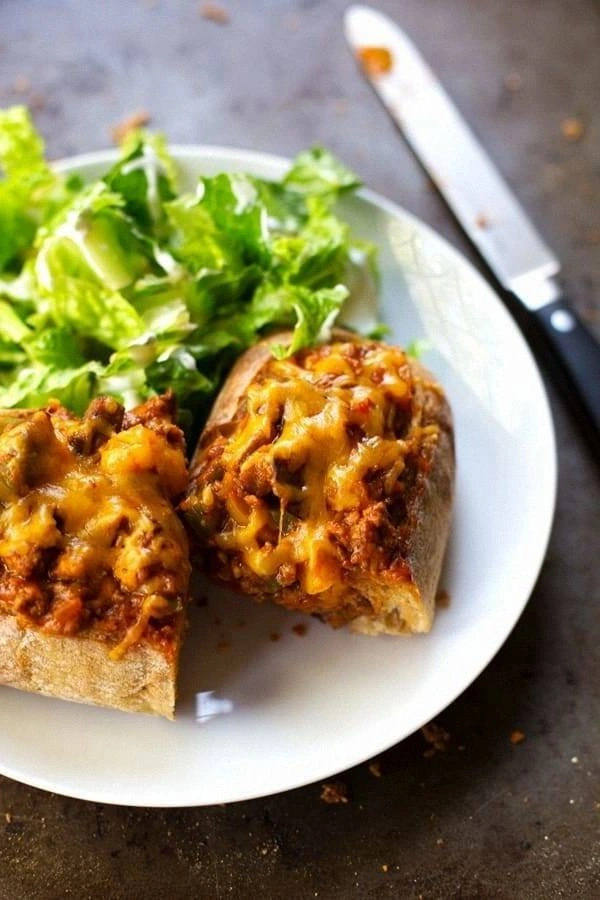
I was standing in my kitchen on a rainy Thursday, staring at a half‑baked pizza dough that had somehow turned into a stubborn brick. The scent of yeast was fighting with the stale air, and I swore I was about to order delivery. Then, out of sheer desperation, I grabbed the nearest baguette, slathered it with tomato sauce, tossed on some cheese, and shoved it under the broiler. The result was an instant revelation – a crispy, cheesy, bite‑sized wonder that made me forget all about the failed dough. I dare you to taste this and not go back for seconds.
Picture this: the golden crust crackles like fresh autumn leaves under your fingertips, the cheese stretches in a silky ribbon that glistens under the kitchen light, and the aroma of oregano and garlic swirls around you like a comforting hug. The sound of the crust popping as you slice into it is a satisfying “snap” that tells you you’ve nailed the texture. The flavor? It’s a perfect marriage of tangy tomato, buttery dough, and a hint of smoky char from the high heat. I’ll be honest — I ate half the batch before anyone else got a chance to try it, and that’s a confession worth making.
Most pizza‑bread recipes get this completely wrong. They either drown the dough in sauce, leaving it soggy, or they bake it so long that the cheese turns rubbery. Here’s what actually works: a quick‑rise dough that’s light enough to stay tender, a sauce that’s seasoned just enough to cut through the richness, and a finishing bake that creates that coveted “cheese‑pull” without the chew. The secret ingredient? A splash of olive oil in the dough and a dash of honey in the sauce, creating a subtle caramelized edge that you won’t find anywhere else.
And now the fun part. I’m going to walk you through every single step — from selecting the perfect flour to the exact moment you pull the bread out of the oven, the whole kitchen will be buzzing with anticipation. Picture yourself pulling this out of the oven, the whole kitchen smelling incredible, and the first bite melting on your tongue. Okay, ready for the game‑changer? Let me walk you through every single step — by the end, you’ll wonder how you ever made it any other way.
What Makes This Version Stand Out
- Flavor Explosion: The sauce is balanced with a touch of honey and a splash of balsamic, giving it a sweet‑tart depth that makes each bite sing.
- Texture Contrast: A crisp, golden crust paired with a chewy interior creates a mouthfeel that’s both satisfying and addictive.
- Simplicity: All ingredients are pantry‑friendly and the method takes under an hour, perfect for a weeknight craving.
- Unique Ingredient: A drizzle of olive oil mixed into the dough adds richness without heaviness, and the honey in the sauce prevents sogginess.
- Crowd Reaction: Guests often ask for the recipe before the first slice is even finished, guaranteeing applause at any gathering.
- Ingredient Quality: Using high‑protein bread flour and fresh mozzarella makes the difference between “good” and “legendary.”
- Cooking Method: A high‑heat bake on a pre‑heated pizza stone locks in flavor and creates those coveted blistered spots.
- Make‑Ahead Potential: The dough can be refrigerated overnight, and the baked bread reheats beautifully, preserving its crunch.
Inside the Ingredient List
The Flavor Base
The heart of this pizza bread is a simple yet potent tomato sauce. I use crushed San Marzano tomatoes, a clove of minced garlic, a pinch of sea salt, a drizzle of extra‑virgin olive oil, and just a whisper of honey. The honey isn’t there to make it sweet; it balances the acidity and helps caramelize the edges during baking. If you skip the honey, you’ll notice a slight tang that can dominate the cheese, turning the whole experience into a sour note rather than a harmonious chord.
The Texture Crew
Bread flour is the backbone of the dough, providing the gluten structure needed for that airy interior. I add a teaspoon of sugar to feed the yeast, a pinch of instant yeast for a quick rise, and a tablespoon of olive oil that keeps the crumb tender. The olive oil also contributes to a subtle buttery flavor that you’ll detect after the first bite. If you replace bread flour with all‑purpose, expect a denser loaf that won’t rise as dramatically.
The Unexpected Star
Fresh mozzarella is the star that melts into a silky blanket. Unlike pre‑shredded cheese, fresh mozzarella releases just enough moisture to keep the bread moist without making it soggy. I slice it thinly so it melts evenly and creates those gorgeous golden bubbles. If you’re out of fresh mozzarella, a blend of low‑moisture mozzarella and a sprinkle of provolone works in a pinch, though you’ll lose a bit of that creamy melt.
The Final Flourish
A final dusting of dried oregano and a light drizzle of garlic‑infused olive oil right before baking adds an aromatic finish. The oregano releases its earthy notes as the heat intensifies, while the garlic oil creates a fragrant crust that makes your nose do a happy dance. If you’re allergic to garlic, a pinch of smoked paprika can add a smoky depth without the bite.
Everything's prepped? Good. Let's get into the real action…
The Method — Step by Step
In a large mixing bowl, combine 2 cups of bread flour, 1 tsp salt, 1 tsp sugar, and 1 tsp instant yeast. Stir with a whisk to distribute the dry ingredients evenly. Make a well in the center, pour in ¾ cup warm water (about 110°F) and 1 tbsp olive oil. Using a wooden spoon, mix until a shaggy dough forms. That sizzle when the water hits the flour? Absolute perfection. Cover the bowl with a clean kitchen towel and let it rise in a warm spot for 15‑20 minutes, or until it has roughly doubled in size.
Kitchen Hack: Set the bowl on top of a turned‑on oven with the light on; the gentle heat speeds up the rise without over‑proofing.While the dough rests, whip up the sauce. Heat 1 tbsp olive oil in a saucepan over medium heat, add 2 minced garlic cloves and sauté until fragrant—about 30 seconds. Add the crushed tomatoes, ½ tsp salt, a pinch of black pepper, 1 tsp dried oregano, and 1 tsp honey. Simmer gently for 8‑10 minutes, stirring occasionally, until the sauce thickens and the flavors meld. Taste and adjust seasoning; the sauce should be bright, slightly sweet, and just a touch tangy.
Once the dough has risen, turn it out onto a lightly floured surface. With wet hands, gently stretch the dough into a rectangular sheet about ½ inch thick. If the dough resists, let it rest for another 5 minutes; the gluten will relax and become easier to shape. Transfer the sheet onto a parchment‑lined baking sheet or a pre‑heated pizza stone.
Spread the sauce evenly over the dough, leaving a ½‑inch border around the edges. Sprinkle the shredded mozzarella (about 1½ cups) over the sauce, ensuring an even layer. Add any optional toppings—sliced pepperoni, olives, or caramelized onions—at this stage. Don’t overload the toppings; you want each bite to be balanced, not soggy.
Preheat your oven to 475°F (245°C) with the pizza stone inside for at least 10 minutes. While the oven heats, drizzle a thin layer of garlic‑infused olive oil over the exposed crust and sprinkle a final pinch of dried oregano. This step creates that fragrant, blistered edge that makes the whole loaf unforgettable.
Watch Out: Opening the oven door too early can cause a temperature drop, resulting in a pale crust. Keep the door closed until the timer dings.Slide the parchment (or pizza peel) onto the pre‑heated stone and bake for 12‑15 minutes, or until the cheese bubbles gold‑brown and the crust has deep, caramelized spots. The edges should start pulling away from the pan, a visual cue that the interior is fully cooked. Rotate the bread halfway through for an even bake.
When the bread is done, remove it from the oven and let it rest on a cutting board for 3‑4 minutes. This short rest lets the cheese set just enough to slice cleanly without losing that glorious stretch. While it rests, the residual heat continues to develop flavor in the crust.
Slice the pizza bread into generous squares or wedges. Serve hot, with an extra drizzle of olive oil or a side of marinara for dipping if desired. This is hands down the best version you’ll ever make at home. I dare you to taste it and not go back for seconds.
Kitchen Hack: For an extra‑crunchy bottom, pre‑bake the dough for 4 minutes before adding sauce and cheese.
That's it — you did it. But hold on, I've got a few more tricks that'll take this to another level…
Insider Tricks for Flawless Results
The Temperature Rule Nobody Follows
Most home cooks bake pizza bread at 350‑400°F, which yields a soft crust but never the coveted blistered spots. Cranking the oven to 475°F (or even 500°F if your oven tolerates it) creates rapid steam expansion inside the dough, resulting in a light, airy interior and a crust that crackles like fresh parchment. If you’re worried about burning, place a shallow pan of water on the lower rack; the steam will keep the surface from drying out too quickly.
Why Your Nose Knows Best
Your sense of smell is a secret weapon. When the cheese starts to turn a deep amber and you catch a faint nutty aroma, that’s the moment the Maillard reaction is at work. Trust that scent more than the timer—if the smell is there, the crust is likely ready. I once left a batch in the oven a minute too long; the smell turned slightly burnt, and the texture suffered. Follow your nose, not the clock.
The 5‑Minute Rest That Changes Everything
Allowing the baked bread to rest for just five minutes after it comes out of the oven lets the gluten relax and the steam redistribute. This short pause prevents the cheese from sliding off the slice and gives the crust a chance to firm up, delivering that perfect snap when you bite. Skipping this step makes the bread feel gummy, and that’s a culinary crime I won’t repeat.
The Secret Sauce Swirl
Instead of spreading the sauce uniformly, use a spoon to create small swirls or “pockets” of sauce. These pockets burst with flavor as you bite, creating an exciting contrast between the tangy sauce and the buttery dough. A friend tried a plain spread once; the result was flat and one‑dimensional. Swirl it, and you’ll notice an instant upgrade.
The Double‑Cheese Technique
Layering shredded mozzarella first, then adding thin slices of fresh mozzarella on top, gives you both meltability and a creamy richness. The shredded cheese creates a stretchy base, while the fresh slices melt into pockets of gooey bliss. If you only use shredded cheese, the top can become rubbery; the combination prevents that and adds a luxurious mouthfeel.
Creative Twists and Variations
This recipe is a playground. Here are some of my favorite ways to switch things up:
Mediterranean Dream
Swap the regular mozzarella for feta and add kalamata olives, sun‑dried tomatoes, and a sprinkle of fresh oregano. The salty feta contrasts beautifully with the sweet tomato base, and the olives add a briny pop that transports you straight to a Greek seaside tavern.
Spicy Jalapeño Kick
Incorporate thinly sliced jalapeños into the sauce and finish the bread with a drizzle of sriracha mayo after baking. The heat cuts through the richness, and the creamy mayo balances the spice, creating a dynamic flavor ride.
Herb‑Infused Garlic Bread
Replace the tomato sauce with a garlic‑butter spread mixed with rosemary, thyme, and a dash of Parmesan. This turns the dish into a decadent herb‑laden bread that’s perfect as a side for soups or salads.
Cheesy Bacon Bliss
Crumble cooked bacon over the cheese before baking and finish with a light dusting of smoked paprika. The bacon adds a smoky crunch, while the paprika reinforces the smoky undertones of the crust.
Vegan Delight
Use a plant‑based cheese blend and replace the honey in the sauce with agave syrup. Add roasted red peppers and artichoke hearts for depth. The result is a fully vegan pizza bread that still boasts that gooey stretch and satisfying bite.
Storing and Bringing It Back to Life
Fridge Storage
Allow the bread to cool completely, then wrap it tightly in foil or place it in an airtight container. It will stay fresh for up to three days. When you’re ready to eat, reheat in a pre‑heated 350°F oven for 8‑10 minutes, uncovered, to revive the crisp crust.
Freezer Friendly
Slice the bread before freezing, then arrange the pieces on a baking sheet and freeze until solid. Transfer the frozen slices to a zip‑lock bag; they’ll keep for up to two months. To reheat, bake directly from frozen at 375°F for 12‑15 minutes, adding a splash of water to the pan to generate steam and prevent dryness.
Best Reheating Method
For ultimate crunch, use a cast‑iron skillet over medium heat. Add a teaspoon of water to the pan, cover with a lid for 2‑3 minutes, then uncover for another minute to let the bottom crisp up. The steam revives the interior, while the direct heat restores the golden crust.