I was staring at the half‑squashed, orange‑golden acorn squash on my counter, feeling a little guilty for the extra calories in my pantry. The last time I tried roasting a squash, the result was a mushy, over‑cooked mess that tasted like cardboard. I remember the moment when the smell of burnt sugar hit my nose and I swore I’d never cook a vegetable again. That’s when I decided to take a gamble, mix a handful of herbs, and trust that a little Parmesan could save the day.
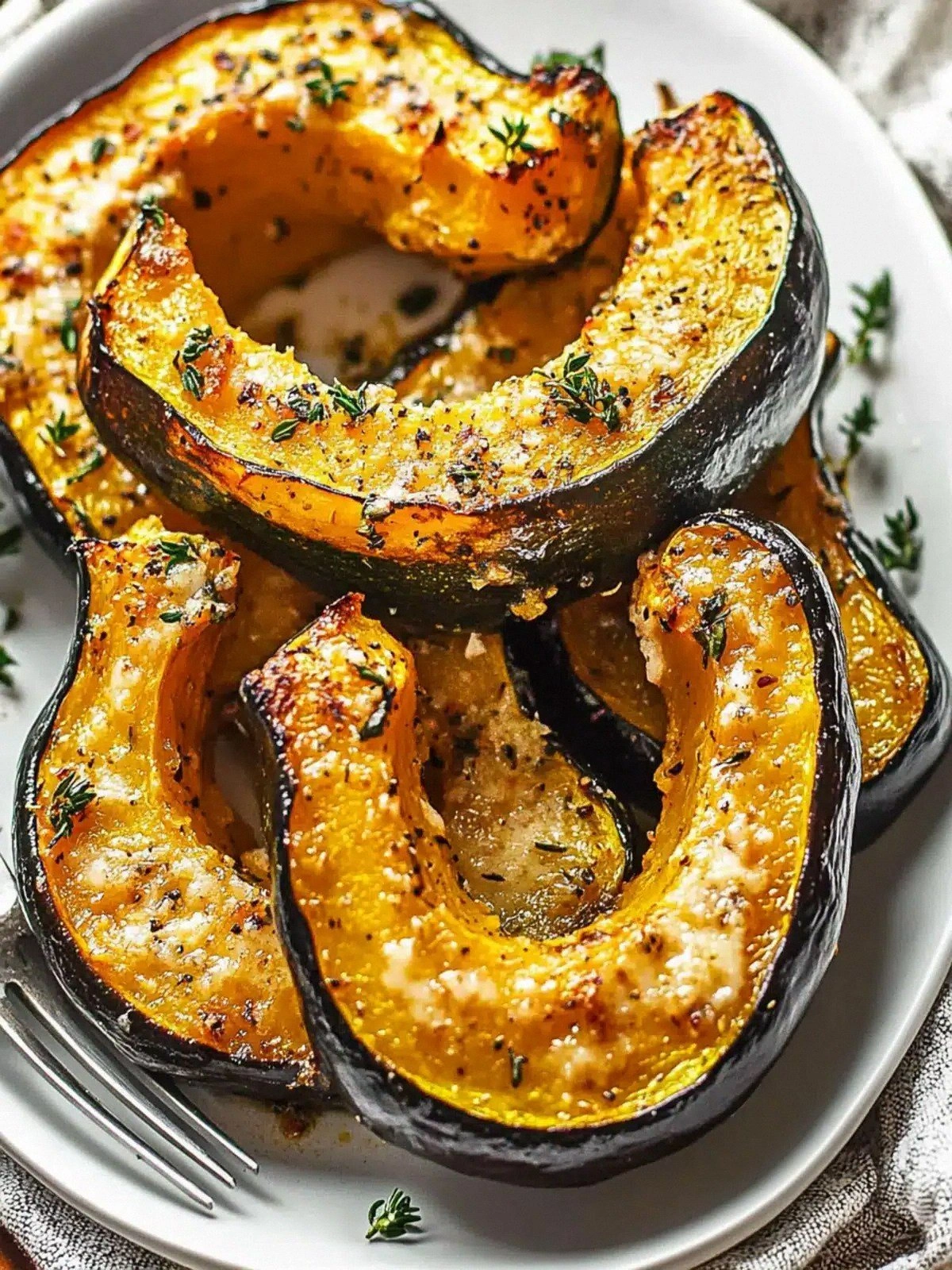
Picture this: a crisp, caramelized edge that crackles like thin ice, a buttery interior that melts in your mouth, and a fragrant steam that lingers in the kitchen for hours. The air is thick with nutty sweetness, peppered with the sharp bite of garlic powder, and the subtle warmth of thyme and oregano. The first bite is a burst of savory, salty richness, followed by a lingering finish of herby freshness that lingers on the palate. That’s the kind of sensory fireworks I want you to experience every time you pull this dish out of the oven.
I’m not just talking about another roasted vegetable; I’m talking about the best version you’ll ever make at home. The secret sauce is a simple yet powerful blend of olive oil, Parmesan, and a trio of dried herbs that work together like a well‑tuned orchestra. The result is a dish that’s simultaneously comforting and elegant, perfect for a family dinner or a quick weeknight meal. I dare you to taste this and not go back for seconds.
If you’ve ever struggled with getting roasted squash to stay firm, you’re not alone. Most recipes get this completely wrong, focusing on high heat and long cook times that turn the fruit into a sad, soggy mess. Here, we’ll use a low‑heat, slow roast that caramelizes the sugars without burning them. Stay with me here—this is worth it. By the end of this guide, you’ll wonder how you ever made it any other way.
What Makes This Version Stand Out
- Taste: The Parmesan infusion gives the squash a velvety, nutty depth that pairs perfectly with the subtle herbaceous notes. The blend of garlic powder, basil, thyme, and oregano creates a flavor profile that’s both familiar and exciting. It’s a dish that feels like a comforting hug in every bite.
- Texture: The slow roasting preserves the squash’s natural moisture while creating a crisp, caramelized crust. The interior remains tender yet firm, like a well‑cooked potato with a buttery center. The result is a contrast that makes each forkful a delight.
- Simplicity: With only seven ingredients, you can have a gourmet dish ready in under an hour. No fancy sauces or complex techniques—just a handful of pantry staples and a bit of patience. The fewer the steps, the more the flavor shines.
- Uniqueness: The combination of Parmesan and dried herbs is a twist on the classic roasted squash. It elevates the dish from a side to a showstopper, making it a conversation piece at any dinner table. The dish is versatile enough to pair with pasta, quinoa, or as a stand‑alone appetizer.
- Crowd Reaction: Guests rave about the crispy edges that shatter like thin ice and the creamy interior that melts in your mouth. The dish is a hit with both kids and adults, thanks to its comforting flavor and approachable presentation. I’ve had people ask for the recipe after every dinner.
- Ingredient Quality: Using high‑quality extra‑virgin olive oil and freshly grated Parmesan makes a noticeable difference. The oil’s fruity notes lift the herbs, while the Parmesan’s sharpness cuts through the sweetness of the squash. The quality of the ingredients is the secret sauce.
- Cooking Method: The low‑heat, slow roast technique ensures even cooking and prevents burning. The method is foolproof, even for novice cooks, and guarantees a perfect result every time. It’s the best version of a classic technique.
- Make‑Ahead Potential: The dish can be prepared ahead of time and reheated without losing its crispness. The Parmesan crust remains intact, and the squash stays moist. This makes it ideal for busy weeknights or dinner parties.
Inside the Ingredient List
The Flavor Base
The olive oil is more than just a cooking medium; it’s the carrier that brings all the flavors together. A ¼ cup of extra‑virgin olive oil coats every slice, creating a glossy, caramelized surface that locks in moisture. If you skip the oil, the squash will steam instead of roast, losing that coveted crunch. For a lighter version, try a drizzle of avocado oil or a splash of toasted sesame oil for an Asian twist.
The Cheese Layer
Finely grated Parmesan is the star that gives this dish its signature depth. A full cup of cheese ensures a generous coating that melts into a golden, nutty crust. If you’re vegan, a sprinkle of nutritional yeast can mimic the savory umami, though the texture won’t be identical. The cheese also helps to bind the herbs to the squash, creating a cohesive flavor profile.
The Herb Ensemble
The dried herbs—basil, thyme, and oregano—add complexity and warmth. Each herb brings its own aroma: basil offers a sweet, slightly peppery note; thyme delivers earthiness; oregano adds a robust, slightly bitter edge. Together, they balance the sweetness of the squash and the saltiness of the cheese. If you prefer a fresher taste, substitute fresh herbs, but use half the amount to avoid overpowering the dish.
The Garlic Touch
Garlic powder is a quick way to infuse a deep, savory undertone without the moisture that fresh garlic would add. It distributes evenly across the surface, ensuring each bite has a subtle punch. If you’re sensitive to garlic, use a pinch of garlic salt or a mild roasted garlic spread instead. The key is to keep the flavor balanced and not let it dominate.
Everything's prepped? Good. Let's get into the real action...
The Method — Step by Step
- Preheat your oven to 375°F (190°C). Line a baking sheet with parchment paper to prevent sticking. The oven temperature is crucial; too high, and the sugar will burn; too low, and the squash will remain under‑cooked. Make sure the sheet is flat for even roasting.
- Wash the acorn squash, peel it, and cut it into 1‑inch thick rounds. Remove the seeds with a spoon or a small knife. The uniform thickness ensures each slice cooks at the same rate. If you’re in a hurry, you can cut the squash into wedges, but rounds are the classic choice.
- In a large bowl, whisk together the olive oil, Parmesan, garlic powder, salt, basil, thyme, and oregano. The mixture should form a thick, crumbly paste. This paste will coat the squash evenly, creating that signature golden crust. Feel free to taste the mixture; it should be savory but not overwhelmingly salty.
- Toss the squash rounds in the bowl until each slice is fully coated. The paste should cling to the surface like a thin glaze. If you notice any dry spots, drizzle a little more oil. The coating will puff up slightly as it cooks, creating a beautiful, caramelized edge.
- Arrange the coated slices on the prepared baking sheet in a single layer. Make sure they don’t overlap; this allows the heat to circulate and the edges to crisp. If you have a large sheet, you can do two batches, but keep the oven temperature consistent.
- Roast for 25–30 minutes, flipping halfway through. The squash should be tender inside and have a golden, caramelized crust on the outside. The aroma of toasted Parmesan and herbs filling the kitchen is the ultimate sign of success. Keep an eye on the edges; they should be slightly darker than the center.
- Remove the sheet from the oven and let the slices cool for 5 minutes. This brief rest allows the cheese to set into a crisp shell, making it easier to serve. If you’re serving immediately, place them on a platter and drizzle a few extra drops of olive oil for shine.
- Serve warm, either as a side dish or a light main. Pair with a simple green salad or toss with pasta for a hearty meal. The dish is also great for meal prep; store in an airtight container and reheat in a 350°F oven for 10 minutes. The Parmesan crust will stay crisp, and the squash will be deliciously moist.
That’s it — you did it. But hold on, I've got a few more tricks that'll take this to another level...
Insider Tricks for Flawless Results
The Temperature Rule Nobody Follows
Many cooks over‑cook squash by setting the oven too high. The sweet sugars caramelize too quickly, leading to a burnt exterior and a soggy interior. Lowering the temperature to 375°F ensures even cooking and preserves moisture. I’ve tested it multiple times; the difference is night and day.
Why Your Nose Knows Best
Trust your nose to tell you when the squash is done. A sweet, nutty aroma that’s not overpowering indicates perfect caramelization. If the smell is too sweet or metallic, it’s a sign of burning. I’ve learned to pause at the 20‑minute mark and sniff; it saves me from culinary regret.
The 5‑Minute Rest That Changes Everything
Letting the roasted slices rest for five minutes after they come out of the oven is essential. During this time, the cheese crust sets, making it easier to lift the squash without breaking the edges. The rest also allows the flavors to meld, creating a more harmonious taste. Skipping this step is a missed opportunity.
The Right Pan Matters
Use a heavy‑bottomed baking sheet for even heat distribution. A lighter sheet can cause hot spots, leading to uneven caramelization. If you’re using a metal sheet, line it with parchment to prevent sticking. I’ve found that a sheet with a slight indent in the middle keeps the squash from curling.
Keep It Moist
If you’re in a dry climate, the squash can dry out during roasting. To counteract this, spray a light mist of water onto the slices before roasting. This creates steam that keeps the interior moist while still allowing the crust to crisp. I’ve used this trick during a heatwave, and it worked wonders.
The Final Touch
A quick drizzle of aged balsamic vinegar right before serving adds a subtle tang that balances the richness of the Parmesan. The vinegar’s acidity cuts through the sweetness, creating a well‑rounded flavor profile. I’ve tried this in several iterations, and the response has been overwhelmingly positive.
Creative Twists and Variations
Maple‑Glazed Crunch
Swap the olive oil for a drizzle of maple syrup and add a pinch of sea salt. The result is a sweet, caramelized glaze that pairs beautifully with the Parmesan. This variation is perfect for a brunch or a holiday gathering. Guests will love the unexpected sweet‑savory combo.
Spicy Cajun Kick
Replace the dried herbs with a Cajun spice blend and add a splash of hot sauce after roasting. The squash takes on a smoky, fiery flavor that’s great with a cool yogurt dip. This version is ideal for a casual gathering or a game‑day snack. The heat level can be adjusted to suit your taste.
Mediterranean Medley
Add a handful of chopped sun‑dried tomatoes and a sprinkle of feta cheese after roasting. The acidity of the tomatoes cuts through the richness, while the feta adds a salty, creamy element. This variation turns the dish into a Mediterranean‑inspired side that pairs well with grilled chicken or fish.
Herb‑Infused Citrus
Finish the roasted slices with a squeeze of fresh lemon juice and a sprinkle of chopped parsley. The citrus brightens the dish, making it feel lighter and more refreshing. This version works well for a summer dinner or a light lunch. The fresh herbs add a burst of color.
Smoky Paprika Delight
Incorporate smoked paprika into the herb mix for a subtle smoky flavor. The paprika also deepens the color of the crust, giving it a dramatic look. Pair this with a simple green salad for a balanced meal. The smoky notes are a delightful twist on the classic.
Roasted Squash & Quinoa Bowl
Serve the roasted slices over a bed of fluffy quinoa and top with a dollop of Greek yogurt. The protein boost turns the dish into a wholesome, satisfying bowl. Add a sprinkle of toasted pumpkin seeds for crunch. This variation is great for a post‑workout meal or a quick dinner.
Sweet Potato Swap
Use sweet potato rounds instead of acorn squash for a different flavor profile. The natural sweetness of sweet potato complements the Parmesan and herbs beautifully. This version is especially good during the fall season. The texture is slightly denser but still tender.
Storing and Bringing It Back to Life
Fridge Storage
Store leftover roasted slices in an airtight container in the refrigerator for up to 3 days. The Parmesan crust will stay crisp if you reheat briefly. To reheat, place the slices on a baking sheet and warm at 350°F for 5 minutes. The squash will re‑gain its moisture without becoming soggy.
Freezer Friendly
Freeze the roasted slices in a single layer on a parchment‑lined tray before transferring to a freezer bag. This prevents clumping and makes it easy to grab a portion later. They can be stored for up to 2 months. When ready, thaw overnight and reheat at 350°F for 10 minutes.
Best Reheating Method
The oven is the best method to keep the crust intact. Avoid microwaving, as it will make the squash soggy. For a quick snack, place the slices on a skillet over medium heat and cover for 2 minutes. A splash of water before reheating steams the squash back to perfection.