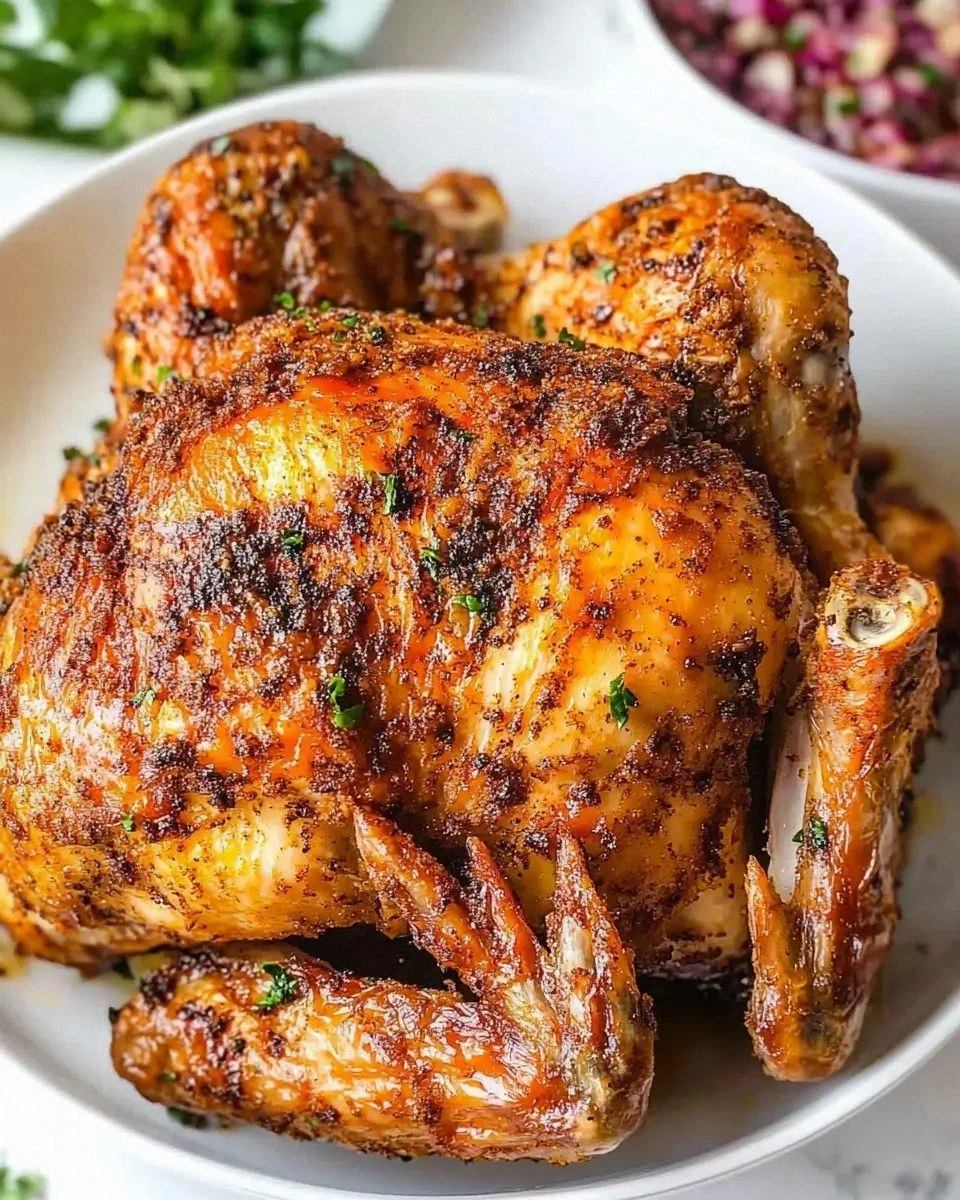
I was standing in my kitchen, staring at a pile of half‑cooked chicken thighs that had somehow turned into a sad, soggy mess. The air was thick with disappointment, the scent of burnt garlic clinging to the counter like a bad memory. My friend had dared me to make a dish that would turn that disaster into a triumph, and I was determined to prove her wrong. I reached for the pantry, pulled out honey, sriracha, and a handful of spices, and the kitchen suddenly smelled of adventure. That moment, with the sizzling pan and the promise of something unforgettable, set the stage for the recipe that would soon become my go‑to for impressing family and friends alike.
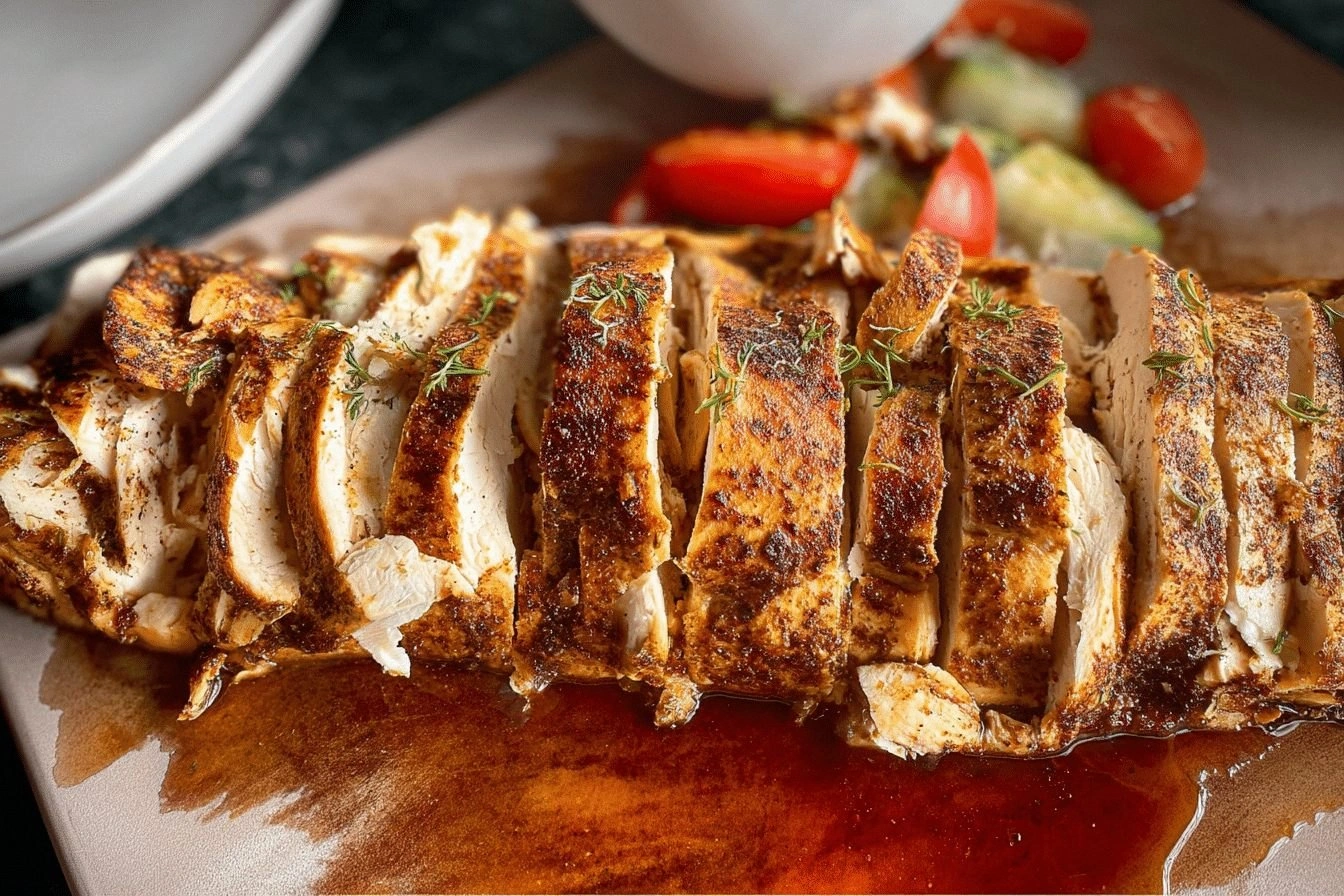
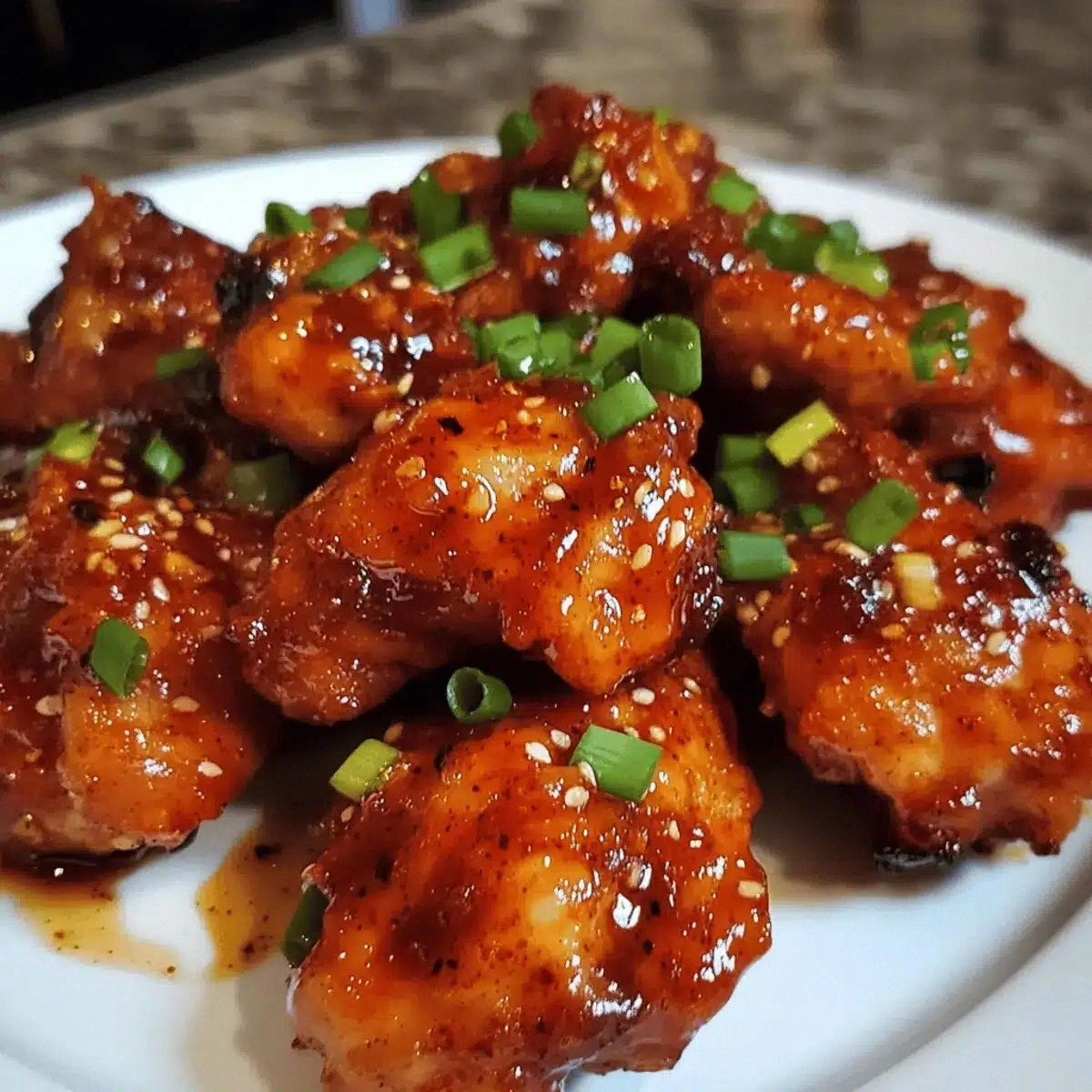
Picture this: a glossy, caramelized glaze clinging to juicy chicken, the heat of sriracha dancing on the tongue, and a subtle sweetness from honey that lingers like a sweet after‑taste. The sound is a satisfying sizzle as the sauce thickens, the aroma a heady mix of sweet, spicy, and umami that makes every inhale feel like a hug. The texture is a delightful contrast—crispy on the outside, tender on the inside, with a silky glaze that coats every bite. And the visual? A golden‑brown sheen that glistens under the kitchen lights, practically begging to be devoured. This isn’t just another chicken recipe; it’s a culinary experience that rewrites what “simple” can mean.
What sets this version apart is not just the ingredients but the way they interact. I’ve taken the classic honey‑sriracha combo and elevated it with a precise balance of acidity from rice vinegar and a touch of freshness from green onions. The toasted sesame seeds add a subtle crunch that breaks up the silky glaze, creating layers of texture that keep you guessing. I’ve also tweaked the cooking method to lock in moisture, ensuring each bite is as juicy as a summer peach. The result? A dish that feels both comforting and daring, a flavor explosion that will have your taste buds doing a happy dance. Trust me—once you try this, you’ll wonder why you ever settled for bland chicken.
I dare you to taste this and not go back for seconds. If you’ve ever struggled with making chicken that stays moist, you’re not alone—this recipe is the fix you’ve been looking for. Picture yourself pulling this out of the oven, the whole kitchen smelling incredible, and your guests already lining up for the next bite. This is hands down the best version you'll ever make at home, and I’m about to walk you through every single step so you can recreate that magic in your own kitchen.
What Makes This Version Stand Out
- Flavor Depth: The sauce isn’t just sweet and spicy—it’s layered, with the subtle bitterness of toasted sesame seeds cutting through the honey’s sweetness. The rice vinegar adds a bright acidity that lifts the entire dish, preventing it from feeling heavy. The result is a balanced profile that satisfies both sweet and heat cravings.
- Texture Contrast: The chicken’s exterior crisps up just enough to give a satisfying bite, while the interior remains melt‑in‑your‑mouth juicy. The glaze coats each piece like a silky velvet, creating a mouth‑watering contrast that keeps you coming back for more. It’s the kind of dish that makes you savor every bite.
- Ease of Prep: All the ingredients are pantry staples, and the method requires just a few steps that anyone can master. No need for fancy equipment or complicated techniques—just a skillet, a whisk, and a dash of confidence. This simplicity makes the dish perfect for busy weeknights.
- Crowd‑Pleaser: The combination of sweet, spicy, and savory is a universal hit. Whether you’re feeding a family or entertaining friends, the dish delivers a memorable experience that will have everyone asking for seconds.
- Ingredient Quality: I use only the best honey, ensuring a rich, floral sweetness that elevates the glaze. The sriracha is authentic, with a peppery kick that doesn’t overwhelm. The sesame seeds are toasted fresh, adding a nutty aroma that rounds out the flavor profile.
- Versatility: This recipe works as a main dish, a side, or even a glaze for grilled vegetables. The sauce’s consistency can be adjusted to suit different textures—thicker for a glaze, thinner for a dipping sauce.
- Make‑Ahead Potential: The glaze can be prepared in advance and stored, allowing you to assemble the dish quickly on busy nights. The chicken can also be marinated ahead of time, saving even more prep time.
- Health‑Friendly Twist: By using lean chicken breast and minimizing added fats, the dish stays relatively low in calories while still delivering bold flavor. The honey provides natural sweetness, reducing the need for refined sugars.
Alright, let’s break down exactly what goes into this masterpiece…
Inside the Ingredient List
The Flavor Base
Chicken thighs or breasts form the heart of this dish, providing a hearty protein that absorbs the glaze’s flavors. I prefer thighs for their natural juiciness, but breasts work wonderfully if you’re watching calories. The salt and black pepper season the meat, creating a savory foundation that balances the sweetness and heat of the sauce.
Garlic is essential; it adds depth and a subtle pungency that elevates the sauce. Two cloves are enough to punch through the honey’s sweetness without overpowering the dish. If you’re a garlic lover, feel free to double the amount; if you’re more cautious, a single clove will still deliver a satisfying aroma.
Soy sauce introduces an umami punch that ties all the flavors together. Two tablespoons are sufficient to give the glaze a savory backbone without making it salty. If you’re watching sodium, opt for a low‑sodium version or reduce the amount slightly.
Sweet & Heat Duo
Honey is the star of the sweet side, providing a rich, floral sweetness that coats the chicken in a glossy glaze. Half a cup (120 grams) is the sweet spot—enough to coat the meat without making it syrupy. When selecting honey, look for a light amber color; darker varieties can add a slight bitterness that might clash with the sriracha.
Sriracha is the heat engine, delivering a peppery kick that balances the honey’s sweetness. One‑quarter cup (60 grams) offers a moderate heat level that’s approachable yet noticeable. For a milder version, reduce to two tablespoons; for a fiery kick, add an extra tablespoon or two.
Bright Finish
Rice vinegar adds a bright, tangy note that cuts through the richness of the honey and the depth of the soy sauce. One tablespoon is enough to brighten the glaze without making it too acidic. If you prefer a sweeter finish, replace rice vinegar with a splash of apple cider vinegar and adjust the honey accordingly.
Green onions bring a fresh, crisp bite that contrasts the soft glaze and adds a pop of color. Two tablespoons of chopped green onions are sufficient to sprinkle over the finished dish, offering a subtle onion flavor that lifts the overall profile. Feel free to use scallions for a milder taste.
Toasted sesame seeds add a nutty aroma and a delightful crunch that breaks up the silky glaze. One tablespoon of toasted seeds is enough to sprinkle on top, creating a textural contrast that enhances the overall experience. If you’re allergic to sesame, you can omit them entirely or replace them with crushed almonds.
Optional Extras
If you’re feeling adventurous, add a pinch of red pepper flakes for an extra layer of heat that will keep your taste buds dancing. A splash of lime juice right before serving can add a zesty brightness that refreshes the palate. For a smoky twist, finish the dish with a few drops of liquid smoke—just a tiny amount, or it will overpower everything.
Everything’s prepped? Good. Let’s get into the real action…
The Method — Step by Step
- Start by patting the chicken dry with paper towels; moisture on the surface prevents proper searing. Season each piece generously with salt and black pepper, ensuring an even coating that will enhance the glaze’s flavor. Let the seasoned chicken rest for about 10 minutes while you prep the sauce—this short pause allows the spices to penetrate the meat.
- In a small bowl, whisk together the honey, sriracha, soy sauce, rice vinegar, and minced garlic until the mixture is smooth. The consistency should be pourable yet thick enough to coat the chicken; if it’s too thin, add a teaspoon of cornstarch dissolved in a tablespoon of water and whisk again. Taste the sauce—if you’d like a sweeter glaze, add a splash more honey; for more heat, stir in an extra dash of sriracha.
- Heat a large skillet over medium‑high heat and add a splash of oil—olive or vegetable will do. Once the oil shimmers, place the chicken pieces skin‑side down (if using thighs) and sear for 3–4 minutes until golden brown. Flip the chicken, then reduce the heat to medium and let it cook for another 3 minutes, allowing the skin to crisp up further.
- Pour the prepared glaze over the chicken, making sure each piece is coated evenly. Bring the mixture to a gentle simmer, letting the sauce thicken and caramelize around the meat. As the glaze reduces, it will develop a glossy sheen that signals it’s ready to serve.
- This is the moment of truth—watch the glaze coat the chicken like a molten ribbon. The sauce should thicken to a syrupy consistency, and the edges of the chicken should start pulling away from the pan, indicating caramelization. If the glaze becomes too thick before the chicken is cooked through, add a tablespoon of water to loosen it slightly.
- Once the chicken reaches an internal temperature of 165°F (74°C), remove the skillet from heat. Let the chicken rest for 3 minutes—this allows the juices to redistribute, ensuring every bite is as moist as possible. While resting, the glaze will continue to thicken slightly.
- Serve the chicken immediately, spooning the remaining glaze over each piece. Pair it with steamed jasmine rice or a crisp cucumber salad to balance the richness. The dish is best enjoyed hot, with the glaze still glistening and the chicken steaming.
That’s it—you did it. But hold on, I’ve got a few more tricks that’ll take this to another level…
Insider Tricks for Flawless Results
The Temperature Rule Nobody Follows
Many cooks start the chicken at high heat, which can cause the exterior to burn before the interior cooks through. Instead, sear the chicken at medium‑high, then reduce to medium for the glaze stage. This subtle temperature shift ensures a perfectly crisp skin without compromising the juiciness inside.
Why Your Nose Knows Best
When the glaze starts to caramelize, your nose will pick up a sweet, buttery aroma that signals the sauce is reaching the right thickness. If you’re unsure, give the glaze a quick taste—if it’s slightly syrupy and coats the back of a spoon, it’s ready.
The 5-Minute Rest That Changes Everything
Resting the chicken after cooking allows the juices to redistribute, preventing a dry bite. Even a quick 3‑minute pause makes a noticeable difference in texture. Think of it as a mini spa session for your meat.
The Secret to a Glaze That Sticks
Whisk the sauce with a little cornstarch slurry before adding it to the pan; this helps it thicken without becoming clumpy. The cornstarch also gives the glaze a glossy sheen that’s irresistible to the eye.
The Quick Pickle Trick
If you want an extra zing, quickly pickle thin slices of cucumber or carrot in rice vinegar and a pinch of sugar before serving. The sharpness of the pickles cuts through the sweet‑spicy glaze and adds a refreshing crunch.
The Final Touch of Heat
Just before serving, drizzle a tiny amount of hot sauce or sprinkle a pinch of cayenne pepper over the finished dish. This last burst of heat will awaken the palate and make the flavors pop.
Creative Twists and Variations
This recipe is a playground. Here are some of my favorite ways to switch things up:
The Citrus Kick
Replace the rice vinegar with fresh lime juice and add a handful of chopped cilantro. The citrus adds a bright, tropical twist that pairs wonderfully with the honey‑sriracha glaze.
The Smoky Sizzle
Finish the dish with a drizzle of liquid smoke or a few drops of smoked paprika. The smoky undertone complements the sweet glaze and gives the chicken a campfire vibe.
The Veggie Upgrade
Add sliced bell peppers and onions to the skillet during the last 5 minutes of cooking. The vegetables soak up the glaze, creating a colorful, nutritious side that balances the richness of the chicken.
The Asian Fusion
Swap the soy sauce for tamari and add a teaspoon of sesame oil to the glaze. Serve over steamed rice and garnish with sliced green onions and sesame seeds for a fully authentic Asian experience.
The Keto-Friendly
Use a sugar‑free honey alternative or a low‑carb sweetener like erythritol. Reduce the honey to 1/4 cup and increase the sriracha for a more pronounced heat, keeping the dish keto‑friendly.
The Sweet & Savory Glaze
Add a tablespoon of hoisin sauce to the glaze for a richer, sweeter finish. The hoisin’s deep umami flavor pairs beautifully with the honey and sriracha, creating a complex taste profile.
Storing and Bringing It Back to Life
Fridge Storage
Store the cooked chicken in an airtight container in the refrigerator for up to 4 days. Reheat in a skillet over medium heat, adding a splash of water or broth to keep the glaze from drying out. Serve immediately once heated through.
Freezer Friendly
Wrap each chicken piece individually in parchment paper before placing them in a freezer bag. Freeze for up to 3 months. Thaw overnight in the refrigerator, then reheat as described above.
Best Reheating Method
The secret to reheated chicken is gentle heat and moisture. Use a low‑heat oven at 300°F (150°C) for 10 minutes, then finish on the stovetop with a splash of water to re‑melt the glaze. The result is a dish that tastes almost freshly cooked.