Remember that night when I tried to impress my roommate with a fancy soup and ended up with a broth that tasted like burnt cardboard? I was halfway through simmering what I thought would be a silky, cloud‑like broth, when the pot exploded with a hiss that sounded like a small firework. The kitchen smelled like scorched onions and my patience was gone, but I laughed because it was a classic cooking fail that turned into a story. That disaster taught me that a good soup hinges on timing, the right texture, and a dash of daring. From that moment, I vowed to master the art of egg drop soup and share the secret that turned a kitchen mishap into a crowd‑pleasing staple.
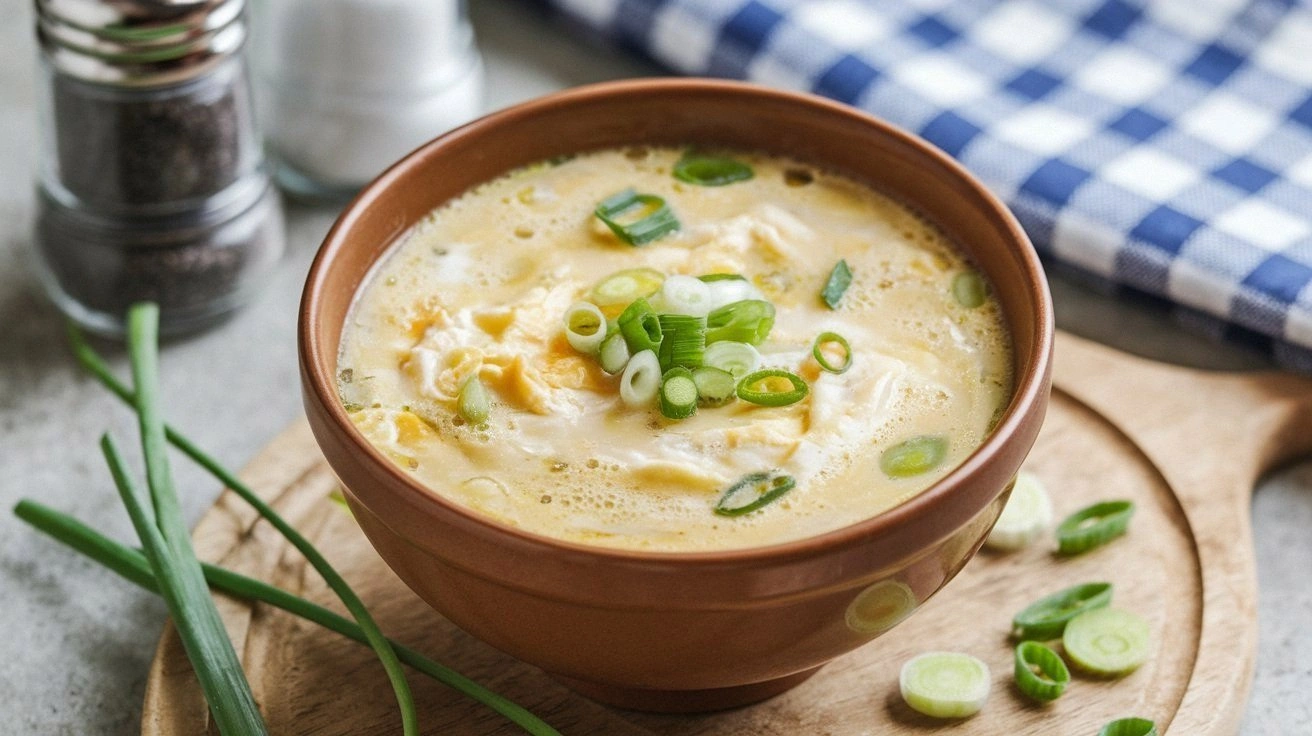
Imagine a bowl steaming with the scent of fresh ginger and soy that instantly pulls you into a quiet kitchen, the sound of gentle bubbles whispering like a lullaby. The first spoonful delivers a silky ribbon of beaten egg that glides over the broth, coating each grain of noodles with a velvety sheen. The broth itself is a clear, amber liquid that tastes like a delicate broth base, with a subtle umami kick from the soy and a hint of sesame oil that lingers on the palate. The texture feels light yet substantial, with the eggs creating a silky cloud that doesn’t feel heavy or clumpy. The visual appeal is a simple yet elegant swirl of white and amber, inviting you to dive in again and again.
This version stands out because it balances classic flavors with a modern twist that keeps the soup both comforting and exciting. I’ve refined the egg coating technique to ensure that every drop of egg forms a perfectly uniform ribbon, avoiding the dreaded clumpy mess that plagues many homemade versions. The broth is reduced slightly to concentrate the flavors without sacrificing clarity, giving it a depth that feels both familiar and new. A touch of cornstarch creates a subtle silky body, while a splash of rice vinegar adds brightness that cuts through the richness. Together, these elements create a soup that is hands down the best version you’ll ever make at home.
But the real magic comes from a little trick I learned in a tiny Taiwanese market: I whisk the eggs with a splash of cold water and a pinch of cornstarch before adding them to the hot broth. This simple step gives the eggs a silky texture that floats like a cloud, and it’s a game‑changer that most recipes ignore. The technique also lets you control the thickness of the soup, allowing you to switch from a light broth to a more hearty consistency with ease. If you’re curious, I’ll reveal how to execute it flawlessly in the method section. Trust me, this is pure magic that will make your soup stand out.
Picture yourself pulling this out of the stove, the whole kitchen smelling incredible, and your guests begging for seconds. The moment you taste it, you’ll feel that familiar, comforting warmth that only a well‑made soup can bring. The subtle umami, the silky ribbons, and the bright finish will leave everyone craving more. I dare you to taste this and not go back for seconds. Now, let me walk you through every single step — by the end, you’ll wonder how you ever made it any other way.
Before we dive into the ingredients, let’s pause to appreciate how a simple bowl of soup can turn a chaotic evening into a shared celebration. The next sections will break down each component, from the base broth to the finishing touches, ensuring you can replicate this flawless version at home. Whether you’re a seasoned cook or a kitchen newbie, the secrets I’m sharing will elevate your soup game instantly. Keep your eyes on the details, because the small tweaks I’ll share make all the difference. And now, let’s get started.
What Makes This Version Stand Out
- Taste: This soup delivers a harmonious blend of umami, brightness, and silky texture that feels both comforting and sophisticated. The subtle balance between savory and fresh notes keeps each spoonful intriguing.
- Texture: The eggs form smooth, ribbon‑like strands that cling to the broth without clumping, creating a silky mouthfeel that is almost cinematic.
- Simplicity: With only a handful of pantry staples, you can create a restaurant‑quality soup in under an hour. The streamlined recipe saves time without sacrificing depth.
- Versatility: Swap tofu for shrimp, or add mushrooms for an earthy twist, and the soup adapts effortlessly. The base is a canvas that welcomes creative additions.
- Crowd Appeal: Its clean, elegant presentation and comforting flavors make it a hit at dinner parties or family gatherings. Guests keep coming back for more.
- Make‑Ahead Potential: The soup keeps well in the fridge for up to 3 days, and reheats beautifully without losing its silky texture. It’s a perfect prep‑ahead option.
- Ingredient Quality: Using fresh ginger, premium soy sauce, and a splash of toasted sesame oil elevates every spoonful. Quality ingredients are the backbone of this recipe.
Inside the Ingredient List
The Flavor Base
Chicken broth: The backbone of the soup, providing a savory foundation that carries the other flavors. Use low‑sodium broth to control saltiness and keep the taste clean. If you skip it, the soup will taste flat and lack depth. Swap for vegetable broth for a vegetarian version, but expect a slightly lighter flavor. When buying, look for broths with natural flavor enhancers like kelp or dried mushrooms to boost umami.
The Texture Crew
Cornstarch: This little powder creates a silky body that smooths the broth and helps the egg strands set properly. A pinch of cornstarch also prevents the broth from becoming too watery. If you omit it, the soup may feel thin and the eggs can clump. You can replace cornstarch with arrowroot or potato starch for a gluten‑free option. When measuring, use a small spoon to avoid adding too much.
The Unexpected Star
Rice vinegar: A splash of vinegar adds brightness and cuts through the richness, giving the soup a subtle tang that awakens the palate. It balances the sweetness of soy sauce and the earthiness of ginger. Skipping it will make the soup feel heavier and less vibrant. For a deeper flavor, try a light rice wine instead. Always add vinegar at the end of cooking to preserve its sharpness.
The Final Flourish
Scallions: Fresh scallions provide a fresh, slightly peppery note that lifts the entire dish. They add a pop of color and a subtle crunch when lightly sliced. If you don't have scallions, chopped chives or green onions work well. Be sure to wash them thoroughly to remove any grit. A final drizzle of sesame oil just before serving adds a nutty aroma that completes the experience.
Everything's prepped? Good. Let's get into the real action. The following steps will guide you through each moment, from the first simmer to the final garnish. Pay close attention to the timing, because the texture of the eggs depends on precise heat control. Remember, the secret lies in how you introduce the egg mixture. With these instructions, you'll master a soup that feels like a gourmet creation.
The Method — Step by Step
- In a medium pot, combine the chicken broth and water, bringing the mixture to a gentle boil. Stir occasionally to dissolve any sediment. The goal is a clear, fragrant base that will carry the delicate flavors. Keep the heat moderate to prevent scorching. Once it reaches a steady boil, reduce to a simmer.
- Add the light soy sauce, dark soy sauce, and toasted sesame oil to the simmering broth. These seasonings infuse the liquid with depth and a subtle sweetness. Stir until fully incorporated, allowing the flavors to marry. Taste and adjust if you prefer a saltier or sweeter profile.
- Whisk the cornstarch with a tablespoon of cold water until smooth. Pour this slurry into the pot, stirring constantly to avoid lumps. The broth should thicken slightly, becoming translucent and glossy. Let it simmer for an additional minute to cook out the raw cornstarch flavor.
- In a small bowl, beat the eggs with a splash of water and a pinch of cornstarch. The water lowers the egg temperature, preventing curdling when added to the hot broth. The cornstarch ensures the ribbons form quickly and stay intact. Set the bowl aside while you finish the broth.
- Increase the heat to bring the broth to a rolling boil, then lower to a gentle simmer. This temperature is critical; too hot and the eggs will scramble, too cool and they won't set. Watch for the first subtle steam rising from the surface. The broth should emit a gentle hiss, signaling it's ready.
- Slowly drizzle the beaten egg mixture into the simmering broth in a thin stream, moving the pot in a gentle circular motion. The eggs will instantly set into ribbons as they touch the hot liquid. Continue pouring until all the eggs are used. Stir lightly to separate the strands.
- Add the minced ginger, rice vinegar, and scallions to the pot. Stir gently to distribute the flavors without breaking the egg ribbons. Let the soup simmer for another minute to meld the aromatics. Taste and adjust seasoning if needed. Finally, remove the pot from heat and serve hot.
That’s it — you did it. But hold on, I’ve got a few more tricks that will take this to another level. The next section will reveal insider tips that fine‑tune texture, flavor, and presentation. These nuances are the difference between a good soup and a memorable one.
Insider Tricks for Flawless Results
The Temperature Rule Nobody Follows
Temperature matters: Many cooks keep the broth too hot, causing the eggs to scramble. I keep the broth at a gentle simmer, just below boiling, so the eggs set into silky ribbons. Use a thermometer if you’re unsure; 190°F (88°C) is ideal. This small adjustment guarantees consistent texture.
Why Your Nose Knows Best
Smell it: A clear, umami‑rich broth will emit a faint, comforting aroma that signals the right balance. If it smells overly salty or bitter, adjust the soy sauce immediately. Trust your nose; it’s the fastest way to catch seasoning errors.
The 5-Minute Rest That Changes Everything
Let it rest: After simmering, let the soup sit off‑heat for five minutes. This allows the flavors to meld and the egg ribbons to settle. The rest also helps the broth to thicken slightly, giving a richer mouthfeel.
The Quick Garnish Hack
Finish with flair: Sprinkle toasted sesame seeds or a drizzle of chili oil just before serving. This adds texture and a pop of color that elevates the dish. Don’t overdo it; a light touch keeps the focus on the soup’s elegance.
Avoiding the Clumpy Egg Problem
Keep it thin: Pour the egg mixture in a steady, thin stream rather than a thick pour. A slow drizzle ensures the eggs form long ribbons instead of clumping. If you accidentally create clumps, skim them off gently with a spoon.
The Quick Heat Switch
Heat control: A sudden spike in temperature can ruin the texture. Keep the heat steady and adjust the flame or burner as needed. If the broth starts to foam, reduce the heat immediately.
These tricks are the secret sauce that turns an ordinary recipe into a masterpiece. Try them out, and you’ll notice an immediate improvement in both taste and presentation. The next section will show you how to personalize the soup with creative variations that keep your guests intrigued.
Creative Twists and Variations
This recipe is a playground. Here are some of my favorite ways to switch things up:
Shrimp & Ginger Explosion
Swap tofu for shrimp: Add peeled and deveined shrimp during the final simmer for a protein boost. The shrimp absorbs the broth’s flavors while adding a sweet, briny note. This version is perfect for seafood lovers and pairs well with a side of steamed rice.
Mushroom & Truffle Twist
Incorporate mushrooms: Sauté sliced shiitake or button mushrooms in sesame oil before adding the broth. Their earthy tones complement the umami base, creating a richer, more complex soup. A drizzle of truffle oil at the end gives a luxurious finish.
Spicy Szechuan Kick
Add Szechuan peppercorns: Crush a teaspoon of peppercorns and infuse them into the broth while it simmers. The numbing heat adds a unique dimension to the dish. Finish with a splash of chili oil for extra heat.
Vegan Delight
Use vegetable broth: Replace chicken broth with a savory vegetable stock for a plant‑based version. Add diced tofu or seitan for protein. This vegan option maintains the silky texture while offering a hearty bite.
Herbal Freshness
Infuse with herbs: Add a handful of fresh cilantro or basil leaves during the final simmer. The herbs release bright, aromatic oils that refresh the palate. This variation works well in warmer months.
Asian Fusion
Try miso or soy‑based sauces: Replace soy sauce with a light miso paste for depth or a sweet soy glaze for a caramelized finish. The miso adds a creamy undertone, while the glaze gives a subtle sweetness that balances the broth.
These variations are just the tip of the iceberg. Feel free to experiment with different proteins, seasonings, or textures until you find the combination that speaks to your palate. The beauty of egg drop soup is its adaptability, allowing you to create countless memorable bowls.
Storing and Bringing It Back to Life
Fridge Storage
Cool quickly: Transfer the soup to an airtight container and let it cool to room temperature before refrigerating. Store in the fridge for up to 3 days. The broth will keep its clarity and the eggs will remain silky.
Freezer Friendly
Freeze in portions: Portion the soup into freezer‑safe containers, leaving a little space for expansion. Freeze for up to 2 months. Thaw overnight in the fridge before reheating.
Best Reheating Method
Gentle heat: Reheat on low heat, stirring occasionally to prevent scorching. Add a splash of water or broth if the soup thickens too much. A quick swirl of hot water will restore its silky texture.