I was standing in my kitchen, the timer on my old stovetop ticking like a nervous metronome, when my roommate dared me to make something that would “blow the mind of anyone who’s ever tasted adobo.” I laughed, grabbed a pork shoulder that was still in its vacuum‑sealed bag, and thought, “What if I let a slow cooker do the heavy lifting while I obsess over the sauce?” The moment the lid sealed, the air filled with a perfume that was part sweet, part tangy, and entirely unforgettable—like a tropical sunset caught in a bottle. Most adobo recipes give you a one‑note punch of salty‑vinegary, but this version adds black beans that turn the broth into a velvety, earthy river that clings to each morsel of pork like a second skin. I’ll be honest — I ate half the batch before anyone else got a chance to try it, and that’s the kind of confession that proves you’re onto something spectacular.
Picture yourself pulling the crockpot lid off, steam billowing out in a cloud that smells like a street market in Manila meets a backyard barbecue in Texas. The pork is fork‑tender, the beans are plump, and the sauce has thickened into a glossy glaze that catches the light like liquid amber. You’ll hear the faint crackle of the caramelized edges as you give the mixture a quick stir, and you’ll feel the heat radiating from the pot, promising a comforting bite that will make you sigh in relief after a long day. Most recipes get this completely wrong—either they over‑cook the pork until it falls apart like mush, or they under‑season the broth, leaving you with a bland stew that feels like a missed opportunity. This is hands down the best version you’ll ever make at home because it balances the classic adobo tang with a deep, umami richness that only black beans can deliver.
The secret? A simple technique that most home cooks overlook: a quick sear of the pork before it goes into the slow cooker. That sear creates a Maillard reaction, a flavor‑building firework that transforms the meat’s surface into a caramelized crust, locking in juices and adding a layer of complexity that you can’t achieve by slow‑cooking alone. I’ll also throw in a splash of brown sugar at the very end, which caramelizes just enough to give the sauce that glossy finish that makes you want to drizzle it over rice, tacos, or even a humble slice of toast. And because I love a good surprise, I’m tossing in a pinch of fresh ginger that cuts through the richness with a bright, peppery zing.
Let me walk you through every single step — by the end, you’ll wonder how you ever made adobo any other way. Okay, ready for the game‑changer? This next part? Pure magic. I dare you to taste this and not go back for seconds.
What Makes This Version Stand Out
- Depth: The black beans add an earthy backbone that turns a simple sauce into a hearty, stew‑like experience.
- Texture: Searing the pork first gives you a caramelized crust that stays intact, while the beans stay buttery and soft.
- Simplicity: Once everything is in the crockpot, you can walk away and let the flavors meld for hours—no babysitting required.
- Uniqueness: Most adobo recipes skip beans entirely; this addition makes the dish a complete protein powerhouse.
- Crowd Reaction: Guests often ask for the “secret ingredient,” and the answer is always a grin and a shrug.
- Ingredient Quality: Using a good‑quality soy sauce and raw, unfiltered vinegar elevates the dish from pantry‑basic to restaurant‑level.
- Cooking Method: The low‑and‑slow approach breaks down connective tissue, resulting in melt‑in‑your‑mouth pork.
- Make‑Ahead Potential: This dish tastes even better the next day, making it perfect for meal prep or leftovers.
Inside the Ingredient List
The Flavor Base
Soy sauce is the backbone of any adobo, delivering that salty umami punch that makes the dish instantly recognizable. I choose a naturally brewed soy sauce because it has a richer, more complex flavor than the chemically produced varieties you find in the discount aisle. If you skip it, you’ll lose the deep, savory depth that makes the sauce sing, and you’ll end up with a flat broth that feels more like a watery vinaigrette. A good swap is tamari for a gluten‑free version, but keep the volume the same to maintain balance. When shopping, look for a bottle that’s amber‑colored; that usually means it’s been aged longer, which translates to a smoother finish.
The Tangy Trio
Cane vinegar (or a high‑quality rice vinegar) provides the bright acidity that cuts through the pork’s richness, while the water dilutes the intensity just enough to keep the sauce from becoming a vinegar bomb. Garlic and ginger are the aromatic heroes; garlic brings that familiar warmth, and ginger adds a subtle peppery heat that lifts the whole profile. If you omit ginger, the dish loses its bright counterpoint, and the flavors can become overly heavy. A handy swap for the ginger is a pinch of ground white pepper, but fresh ginger is worth the extra minute of peeling. Choose garlic that feels firm and heavy for the best flavor extraction.
The Texture Crew
Black beans are the surprise star here. Their creamy interior absorbs the sauce, turning each bean into a tiny flavor bomb that bursts with earthy goodness. If you use canned beans, be sure to rinse them well; otherwise you’ll introduce unwanted sodium and a metallic aftertaste. For a fresher feel, cook dried beans overnight and simmer them until just tender before adding them to the crockpot. Skipping the beans would make this a standard adobo, and you’d lose the hearty, stew‑like quality that makes this version a complete meal.
The Final Flourish
A tablespoon of brown sugar is the secret sweetener that balances the acidity and adds a glossy finish to the sauce. Bay leaves and whole black peppercorns bring a subtle herbal and spicy note that deepens the complexity without overwhelming the palate. A pinch of salt to taste lets you fine‑tune the seasoning after the cooking process, ensuring the broth is perfectly balanced. Finally, a handful of fresh cilantro or sliced green onions sprinkled on top adds a pop of color and a fresh, herbaceous lift right before serving.
Everything’s prepped? Good. Let’s get into the real action…
The Method — Step by Step
-
Begin by patting the pork cubes dry, then season them lightly with salt and pepper. Heat a heavy skillet over medium‑high heat, add a splash of oil, and once the oil shimmers, place the pork in a single layer. Let the pieces sear without moving them for about 2‑3 minutes per side, watching for that deep brown crust that signals the Maillard reaction is in full swing. This is the moment of truth: a good sear locks in juices and builds the foundation for a sauce that clings like velvet.
Kitchen Hack: Use a cast‑iron pan for the sear; it retains heat better and gives a more even crust. -
While the pork is browning, mince the garlic, grate the ginger, and slice the onion into thin wedges. Toss these aromatics into the skillet once the pork is browned, letting them sweat for about a minute until they turn fragrant and slightly translucent. Add the bay leaves, whole peppercorns, and a splash of soy sauce to deglaze the pan, scraping up those caramelized bits stuck to the bottom—those are flavor gold.
-
Transfer the seared pork and aromatics into the crockpot, then pour in the remaining soy sauce, vinegar, water, and brown sugar. Stir gently to combine, making sure the pork is mostly submerged but not swimming—this ensures even cooking while preserving the sauce’s thickness. Add the black beans now, letting them soak up the surrounding flavors as they cook. The sauce should look slightly watery at this stage; it will reduce and thicken as the hours pass.
Watch Out: If you set the crockpot to “high” for the entire cook time, the beans can become mushy and the pork may dry out; low and slow is the key. -
Cover the crockpot and set it to low for 7‑8 hours, or high for 4‑5 hours if you’re short on time. Resist the urge to lift the lid—every peek releases heat and extends the cooking time, which can throw off the texture. Around the 6‑hour mark (low setting), give the pot a gentle stir to redistribute the beans and ensure nothing sticks to the bottom. The aroma at this point will be intoxicating, a blend of sweet, sour, and smoky that makes you want to lick the spoon.
-
When the cooking time is up, taste the broth. If it feels too sharp, stir in an extra teaspoon of brown sugar; if it’s too salty, a splash of water or a tiny drizzle of extra vinegar will bring balance back. This is where your nose knows best—trust the scent as much as the taste.
-
Turn the crockpot to “warm” and let the dish sit for an additional 15 minutes. This resting period allows the flavors to meld even more, creating a sauce that’s glossy and cohesive. If you’re serving immediately, go ahead and plate; if you’re prepping for later, let it cool to room temperature before transferring to airtight containers.
Kitchen Hack: After resting, whisk the sauce briefly with a fork to re‑emulsify any separated oil, giving it that restaurant‑style sheen. -
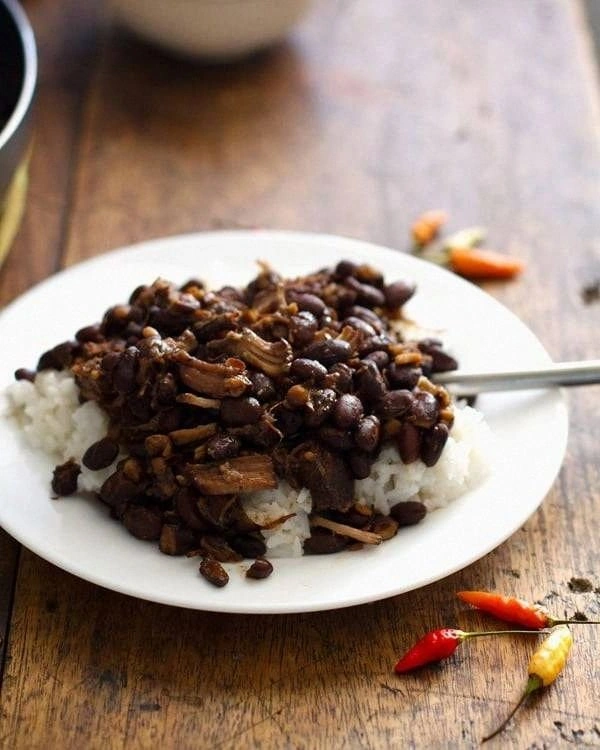
To serve, spoon generous portions of pork and beans over a bed of steaming jasmine rice, then drizzle the thickened sauce over the top. Garnish with freshly chopped cilantro and, if you like a little heat, a few slices of red chili. The contrast between the fluffy rice and the rich, glossy adobo creates a mouthfeel that’s both comforting and exciting.
-
That’s it — you did it. But hold on, I’ve got a few more tricks that’ll take this to another level. Stay with me here — this is worth it.
Insider Tricks for Flawless Results
The Temperature Rule Nobody Follows
Most home cooks set their crockpot to “low” and forget that the actual temperature can vary by brand. I always use a kitchen thermometer to confirm that “low” sits around 190°F (88°C). If you’re cooking on a low setting and the broth isn’t bubbling gently, increase the time by an extra 30 minutes. A friend once tried to rush this recipe by turning the heat up high, only to end up with beans that turned to mush and pork that felt rubbery—lesson learned.
Why Your Nose Knows Best
Your sense of smell is a more reliable indicator of flavor balance than a taste test alone. When the sauce starts to emit a sweet‑vinegary aroma, that’s your cue to check the seasoning. If the scent leans too heavily toward vinegar, add a pinch of sugar; if it smells overly sweet, a dash of extra soy sauce will bring it back to savory harmony. Trusting your nose saves you from over‑correcting and keeps the final dish nuanced.
The 5‑Minute Rest That Changes Everything
After the crockpot finishes, let the dish rest for five minutes with the lid off. This short cooling period lets the sauce thicken naturally as steam escapes, giving you a richer, more concentrated glaze. It also allows the pork fibers to relax, making each bite melt‑in‑your‑mouth rather than tough. I used to skip this step and was always surprised by a slightly watery finish—now I never do.
Bean Prep Power‑Up
If you’re using dried black beans, soak them overnight, then simmer them with a bay leaf and a pinch of salt until just tender. This pre‑cooking step ensures the beans hold their shape during the long crockpot session and absorb the adobo flavors without disintegrating. Skipping the soak can lead to uneven texture, with some beans still hard while others become mushy.
Final Garnish Boost
A splash of fresh lime juice right before serving adds a bright, citrusy lift that cuts through the richness. I also love sprinkling toasted sesame seeds for a subtle nutty crunch. These finishing touches turn a great dish into a show‑stopper that earns compliments from even the most skeptical eaters.
Creative Twists and Variations
This recipe is a playground. Here are some of my favorite ways to switch things up:
Spicy Szechuan Splash
Swap the black beans for a cup of cooked edamame and add two teaspoons of Szechuan peppercorn oil. The result is a tongue‑tingling heat that pairs beautifully with the sweet‑sour base. Perfect for anyone who loves a little numbing spice.
Coconut Curry Fusion
Stir in a half‑cup of coconut milk during the last hour of cooking and sprinkle in a tablespoon of red curry paste. This creates a creamy, aromatic twist that feels like a tropical vacation in a bowl. Serve over coconut‑infused jasmine rice for extra indulgence.
Smoky Chipotle Version
Add one chipotle pepper in adobo sauce (finely chopped) and a teaspoon of smoked paprika at the start. The smoky depth complements the black beans and gives the dish a subtle barbecue vibe. Great for backyard gatherings.
Herbaceous Green Delight
Replace the bay leaves with fresh thyme and rosemary, and toss in a handful of chopped kale during the final 30 minutes. The herbs add a fresh, earthy note while the kale brings a pop of color and extra nutrients.
Sweet‑And‑Savory Pineapple
Fold in a cup of fresh pineapple chunks halfway through cooking. The fruit’s natural sweetness balances the vinegar and creates a caramelized glaze that’s irresistibly sticky. This variation is a hit with kids who love a hint of tropical sweetness.
Storing and Bringing It Back to Life
Fridge Storage
Transfer the cooled adobo to an airtight container and store it in the refrigerator for up to four days. The flavors continue to develop, making each reheated serving taste even richer. When reheating, add a splash of water or broth and gently simmer until warmed through.
Freezer Friendly
Portion the dish into freezer‑safe bags, removing as much air as possible before sealing. It freezes beautifully for up to three months. To thaw, move the bag to the fridge overnight, then reheat in a saucepan over low heat, stirring occasionally.
Best Reheating Method
For the ultimate texture, reheat in a skillet over medium heat, adding a tablespoon of water or broth to revive the sauce’s sheen. Cover the pan for the first few minutes to steam the pork back to tenderness, then uncover to let any excess liquid evaporate. This method restores the glossy finish and keeps the beans from drying out.