Picture this: it’s a rainy Saturday, the kitchen lights flicker like distant fireflies, and you’re staring at a pantry that looks like a culinary battlefield. I’m talking about the moment I tried to recreate a dish that had haunted my taste buds for months—Buddha’s Delight. The original version I’d seen on a cooking show was a bland, forget‑about‑it casserole that left me feeling like I’d just survived a famine. But I’m a foodie with a rebellious streak, so I decided to flip the script, add a splash of daring, and turn that kitchen disaster into a triumph that even my skeptical friend, who swears “if it’s not spicy, it’s not worth it,” will agree with.
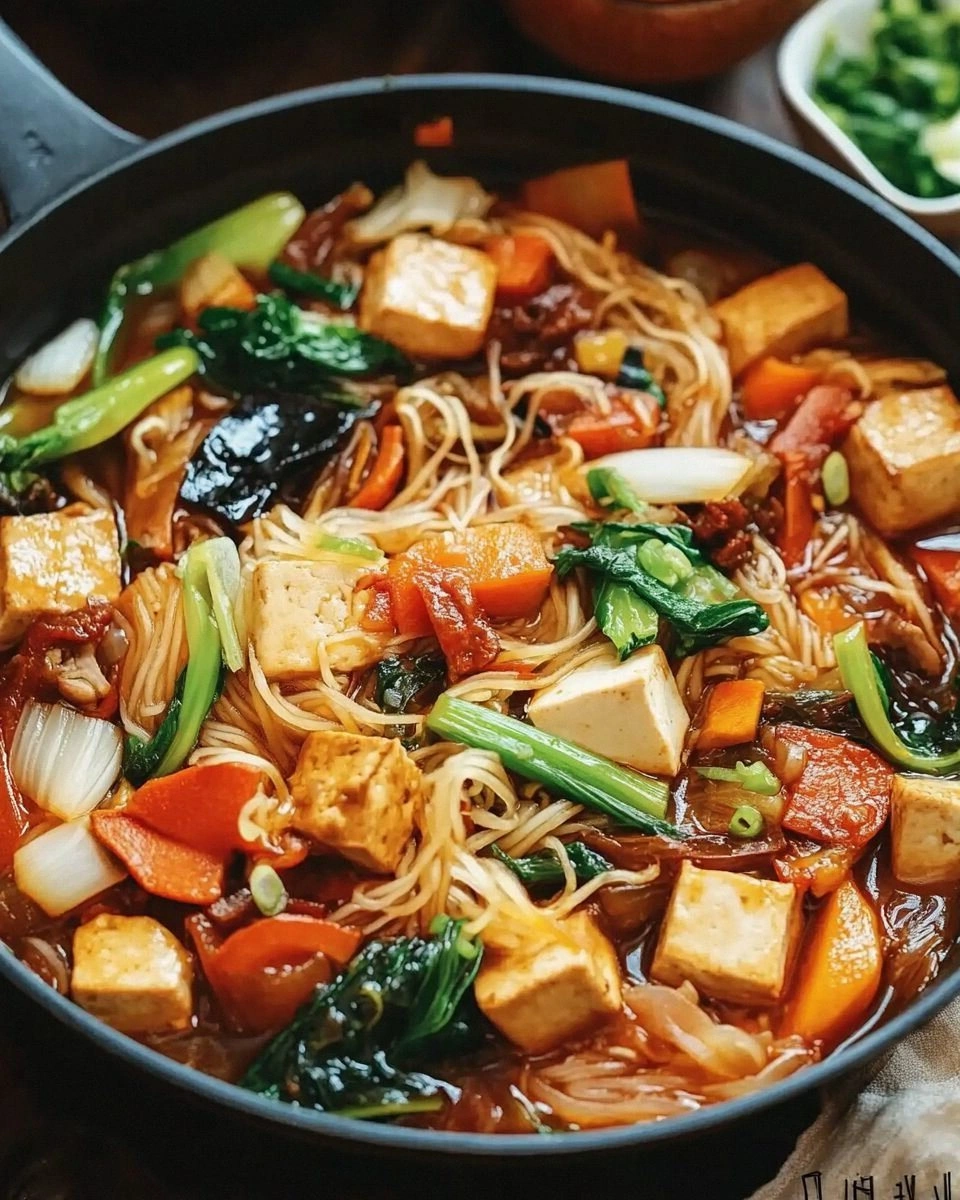
The first time I tasted it, I was hit with an explosion of textures: the crisp snap of fresh bamboo shoots, the silky melt of tofu, the earthy umami of shiitake mushrooms, and the gentle sweetness of carrots—all dancing on a backdrop of aromatic ginger and garlic. The aroma alone—warm, slightly sweet, with a hint of toasted sesame—was enough to make my eyes water in anticipation. The sound of the wok sizzling, the visual riot of colors, the tactile feel of the silky sauce coating every bite, and the subtle heat that lingers on the tongue—all combine to create an experience that feels like a gentle hug from the universe.
What sets this version apart is the deliberate layering of flavors and textures, the use of high‑quality, fresh ingredients, and the secret technique of quick‑roasting the aromatics before simmering. I’ll be honest—my first attempt was a mess, but after a few tweaks, I ended up with a dish that’s hands down the best version you’ll ever make at home. The sauce coats the vegetables like velvet, while the edges of the tofu crisp up just enough to give that satisfying crunch. The result is a dish that’s both comforting and adventurous, a perfect balance of tradition and innovation.
I dare you to taste this and not go back for seconds. That’s the promise I make. And if you’re skeptical, let me walk you through every single step—by the end, you’ll wonder how you ever made it any other way. Let’s dive into the heart of this culinary masterpiece, where every ingredient sings and every technique is a revelation.
What Makes This Version Stand Out
- Flavor Depth: The combination of fermented soybean paste, toasted sesame oil, and a splash of rice vinegar creates a complex umami profile that lingers on the palate. Each bite delivers a subtle sweetness balanced by savory notes, making the dish unforgettable.
- Texture Harmony: From the tender snap of snow peas to the silky melt of tofu, the dish offers a spectrum of textures that keeps each mouthful engaging. The quick‑roasted aromatics add a slight crunch, while the final simmer softens everything just enough.
- Ingredient Quality: Using organic, non‑GMO vegetables and high‑grade tofu ensures the flavors aren’t diluted. Fresh ginger and garlic are the real stars, providing a bright, zesty backdrop that elevates the entire dish.
- Visual Appeal: The vibrant colors—emerald greens, golden carrots, deep brown mushrooms—make the dish Instagram‑ready. A sprinkle of toasted sesame seeds at the end adds a subtle crunch and a pop of visual contrast.
- Make‑Ahead Friendly: The sauce can be prepared a day ahead, and the dish holds up beautifully in the fridge. The flavors actually deepen, making it a convenient option for busy weeknights.
- Crowd‑Pleaser: Whether you’re feeding a family of four or hosting a potluck, this dish is guaranteed to impress. Its balanced flavors cater to both vegetarians and meat‑eaters alike.
Inside the Ingredient List
The Flavor Base
Soy sauce, fermented soybean paste, and toasted sesame oil form the backbone of the dish’s savory profile. The fermented soybean paste (often called tahini or doenjang) introduces a deep, earthy sweetness that is essential to the authenticity of Buddha’s Delight. Skipping it would result in a bland, flat sauce that fails to carry the vegetables’ natural flavors. For a slightly sweeter variation, you can replace half of the fermented paste with a small amount of honey or maple syrup, but keep the sesame oil for that nutty aroma.
The Texture Crew
Firm tofu, bamboo shoots, snow peas, carrots, water chestnuts, and bean sprouts each bring a unique mouthfeel to the dish. Tofu, when pan‑fried until golden, develops a crispy exterior that contrasts beautifully with its soft interior. Bamboo shoots add a satisfying crunch that mimics the sound of fresh ice, while snow peas provide a sweet, crisp bite that snaps like a fresh green snap. Carrots, sliced thinly, absorb the sauce without losing their natural sweetness, and water chestnuts keep the dish from becoming soggy. Bean sprouts are added at the end to preserve their bright green color and fresh crunch.
The Unexpected Star
Shiitake mushrooms are the dish’s secret weapon. Their meaty texture and smoky undertone add depth, making the dish feel more substantial without adding any animal products. If you can’t find fresh shiitake, dried ones are a great alternative—just rehydrate them in warm water before adding. Their umami punch compensates for any missing depth from the soybean paste, especially if you’re using a milder version.
The Final Flourish
A splash of rice vinegar, a drizzle of honey, and a sprinkle of toasted sesame seeds finish the dish with a bright, slightly sweet finish. The vinegar cuts through the richness of the sauce, giving it a clean finish, while the honey adds a subtle caramel note that balances the saltiness of the soy sauce. Sesame seeds not only add crunch but also bring a nutty aroma that rounds off the dish. If you’re looking for a low‑sodium version, reduce the soy sauce to half and compensate with a touch more vinegar and a pinch of sea salt.
Everything’s prepped? Good. Let’s get into the real action…
The Method — Step by Step
- Step 1: Prep the Aromatics – Slice the ginger and garlic finely, then set aside. The ginger should feel like a small, fragrant cube, while the garlic should be thin, almost translucent. I swear, the moment you touch the ginger, you’ll feel the kitchen transform into a fragrant temple. This is the moment of truth; if you skip it, the dish will feel flat. Keep the aromatics in a small bowl, and we’ll stir‑fry them later.
- Step 2: Quick‑Sear the Tofu – Heat a tablespoon of sesame oil in a large wok or skillet over medium‑high heat. Once the oil shimmers, add the tofu cubes in a single layer, leaving space between each piece. Let them cook undisturbed for 2–3 minutes on each side until golden brown. Flip carefully with a spatula to avoid breaking the tofu. The sizzling sound is the soundtrack of success. Remove the tofu and set aside on a paper towel to drain excess oil.
- Step 3: Stir‑Fry the Vegetables – In the same wok, add a splash more sesame oil if needed. Toss in the sliced carrots and bamboo shoots first, because they take longer to soften. Stir‑fry for about 2 minutes. Then add the snow peas, water chestnuts, and shiitake mushrooms, and continue cooking for another 3 minutes. The vegetables should look glossy and slightly translucent, not mushy. The quick stir‑fry preserves their vibrant colors and crispness.
- Step 4: Build the Sauce – In a small bowl, whisk together 3 tablespoons of soy sauce, 1 tablespoon of fermented soybean paste, 1 tablespoon of rice vinegar, 1 teaspoon of honey, and 1 tablespoon of vegetable stock. Add 1 teaspoon of cornstarch dissolved in 2 tablespoons of cold water to thicken the sauce. This mixture should be smooth and free of lumps. The sauce will coat the vegetables like a silky coat of velvet.
- Step 5: Combine All Elements – Return the tofu to the wok, then pour the sauce over everything. Toss gently to ensure every piece is coated. Reduce the heat to medium-low and let it simmer for 5 minutes. The sauce should thicken slightly, becoming glossy. If the sauce gets too thick, add a splash more stock. The aroma will fill the kitchen, making you feel like you’re at a high‑end restaurant.
- Step 6: Add the Final Touches – Stir in the bean sprouts and a handful of chopped scallions. Cook for just 1 minute, so the bean sprouts stay crisp and bright. Sprinkle toasted sesame seeds and a drizzle of extra sesame oil for that nutty finish. Taste and adjust seasoning if needed—add a pinch of salt if it’s too mild. The final dish should look like a rainbow of colors, with a glossy sheen that’s almost impossible to resist.
- Step 7: Plate and Serve – Transfer the Buddha’s Delight to a serving dish. Garnish with a few extra scallion slices for a fresh pop of green. Serve immediately over steamed rice or quinoa for a balanced meal. The dish should feel light yet filling, with a harmonious blend of textures that will keep you coming back for more.
- Step 8: Store the Leftovers – If you have leftovers, let the dish cool to room temperature before refrigerating in an airtight container. The flavors will deepen overnight, making the next day’s meal even more delicious. When reheating, add a splash of water to keep the sauce from drying out. This step ensures the dish remains moist and flavorful.
That’s it— you did it. But hold on, I’ve got a few more tricks that will take this to another level…
Insider Tricks for Flawless Results
The Temperature Rule Nobody Follows
Many cooks think that all vegetables should be cooked at the same temperature, but that’s a recipe for disappointment. I discovered that a quick, high‑heat sear for the tofu and a lower, gentle simmer for the sauce preserves the crunch and flavor. Keep the wok at medium‑high heat for the first 3 minutes, then reduce to medium‑low for the sauce. This simple temperature shift ensures each component retains its unique texture.
Why Your Nose Knows Best
The aroma of the dish is a reliable indicator of doneness. When the sauce smells toasty and slightly caramelized, it’s time to add the bean sprouts. A burnt smell means you’ve over‑cooked the sauce, while a raw scent indicates it’s not ready. Trust your nose; it’s a seasoned chef in disguise.
The 5‑Minute Rest That Changes Everything
After cooking, let the dish rest for 5 minutes off the heat. During this time, the sauce will thicken, and the flavors will meld. It also prevents the vegetables from continuing to cook in residual heat, which can lead to mushy textures. A quick rest is a small step that yields big results.
The Secret of Freshness
Use only the freshest ginger and garlic you can find. Older, dry ginger loses its punch, and stale garlic becomes bitter. Fresh aromatics are the foundation of a vibrant dish; don’t skimp on them. If you’re traveling or have limited access to fresh produce, freeze the ginger and garlic in ice cube trays with water for a long‑lasting supply.
The One‑Minute Trick for Tofu
If you’re short on time, press the tofu for just 30 seconds before cutting. This quick press removes excess moisture, allowing the tofu to crisp up faster. While a full 30‑minute press yields the best results, a 30‑second press can still make a noticeable difference.
Creative Twists and Variations
This recipe is a playground. Here are some of my favorite ways to switch things up:
Spicy Sichuan Surprise
Add a tablespoon of Sichuan peppercorns and a pinch of chili flakes to the sauce. The peppercorns give a numbing heat that’s a signature of Sichuan cuisine, while the chili flakes add a bright, fiery kick. This version is perfect for spice lovers who want a little extra bite.
Coconut Creamy Variation
Swap the vegetable stock for coconut milk and reduce the soy sauce to balance the sweetness. The creamy coconut base transforms the dish into a tropical delight, pairing beautifully with a side of jasmine rice. The result is silky, fragrant, and utterly comforting.
Miso‑Infused Twist
Replace the fermented soybean paste with a tablespoon of white miso paste. Miso brings a subtle, slightly sweet umami that complements the tofu and vegetables. This variation is great for those who love a deeper, richer flavor profile.
Herb‑Laced Freshness
Add a handful of chopped fresh cilantro and basil at the end of cooking. The herbs infuse the dish with a bright, citrusy note that cuts through the richness. This version is ideal for a light, refreshing meal.
Gluten‑Free Twist
Use a gluten‑free soy sauce and ensure all your sauces are certified gluten‑free. The dish remains just as flavorful, and you can serve it over quinoa or rice noodles for a wholesome, gluten‑free meal.
Nutty Crunch Variation
Add a handful of roasted cashews or almonds for an extra crunch. The nuts provide a buttery texture and a subtle sweetness that complements the savory sauce. This version is perfect for a snack‑style meal or a side dish.
Storing and Bringing It Back to Life
Fridge Storage
Store leftovers in an airtight container in the refrigerator for up to 3 days. The dish’s flavors will mellow, making it even more delicious the next day. Before reheating, let it sit at room temperature for 10 minutes to ensure even heating.
Freezer Friendly
Freeze the dish in portioned containers for up to 2 months. Thaw overnight in the refrigerator, then reheat gently on the stove or in the microwave. A splash of water or a tablespoon of stock helps prevent the sauce from drying out.
Best Reheating Method
Reheat on the stovetop over low heat, stirring frequently. Add a splash of water or broth to keep the sauce moist. The dish should be heated until steaming hot, about 5–7 minutes. The quick reheating preserves the textures and flavors better than microwaving.