I was standing in my kitchen, staring at a stack of burnt pancakes that had turned my countertop into a charcoal art exhibit. The smell of scorched batter had me reaching for the nearest bottle of Biscoff spread, the sweet, caramelized cookie butter that had always been my secret weapon against bland breakfast. I laughed, because who really needs a kitchen that looks like a disaster zone? Yet, that very moment sparked a revelation: what if the humble pancake could be transformed into a decadent, cloud‑soft treat that melts in your mouth with a whisper of caramel and a hint of spice?
Picture this: the first bite sends a wave of buttery sweetness across your tongue, followed by the unmistakable crunch of crushed Biscoff cookies embedded in the batter, and then the subtle warmth of cinnamon dancing on the back of your throat. The aroma that fills the air is a sweet, toasty perfume, like a freshly baked cookie aisle in a bakery. The sound is that satisfying sizzle that announces a pancake ready to flip, the gentle pop of batter meeting hot iron. The texture? Light as a cloud but with a satisfying bite that feels like a hug from a favorite blanket. The taste is a symphony of caramel, butter, and a whisper of vanilla that lingers long after the last bite.
This version stands out because it does more than just flip a pancake. It turns a simple breakfast into an experience that feels like a small celebration. The secret lies in the balance of the Biscoff spread and the crushed cookies, the precise timing of the batter, and a few small but powerful tweaks that most recipes skip. I dare you to taste this and not go back for seconds—once you’ve had one, the rest will be a blur of anticipation.
Let me walk you through every single step—by the end, you’ll wonder how you ever made it any other way. From the first whisk to the final drizzle, we’ll cover every nuance that turns ordinary batter into a golden, caramel‑laden masterpiece. The journey begins with understanding why this version is superior, then diving into the ingredients, the method, and the tricks that guarantee a flawless outcome. So, grab your apron, and let’s get cooking.
What Makes This Version Stand Out
- Taste: The Biscoff spread infuses the batter with a deep caramel flavor that permeates every bite, while the crushed cookies add a delightful crunch that contrasts the soft interior.
- Texture: The batter is light and airy thanks to the combination of baking powder and soda, yet it holds its shape, creating a pancake that flutters in the air before landing in your mouth.
- Simplicity: Only ten ingredients, all of which are pantry staples or easily found in grocery stores. No special equipment required—just a skillet and a spatula.
- Uniqueness: The addition of Biscoff spread and crushed cookies creates a flavor profile that feels indulgent yet balanced, unlike the typical sugary pancake.
- Crowd Reaction: Friends and family who have tried this version report that it’s “hands down the best version you'll ever make at home.” The instant feedback is a testament to its appeal.
- Ingredient Quality: Using a high‑quality Biscoff spread ensures that the caramel notes are rich and not cloying, while the fresh eggs and real butter provide a silky mouthfeel.
- Cooking Method: The technique involves a precise timing for flipping and a gentle finish that preserves the caramelized edges without burning.
- Make‑Ahead Potential: The batter can be prepared up to 24 hours in advance, and the pancakes themselves can be reheated without losing their golden crispness.
Alright, let's break down exactly what goes into this masterpiece...
Inside the Ingredient List
The Flavor Base
At the heart of this recipe lies the Biscoff spread—an indulgent cookie butter that delivers a caramelized sweetness reminiscent of a freshly baked cookie aisle. The spread’s rich, buttery texture melds seamlessly with the batter, creating a cohesive flavor that coats the pancake like velvet. If you skip this, you lose the signature caramel depth that makes these pancakes memorable. For a twist, try substituting a portion of the spread with peanut butter for a nutty undertone.
The Texture Crew
The crushed Biscoff cookies are the secret to the delightful crunch that punctuates each bite. They’re not merely an add‑in; they act as tiny textural anchors that break the batter’s uniformity, creating pockets of caramelized sweetness. If you omit them, the pancakes become too smooth and lose that satisfying bite. A quick tip: pulse the cookies in a food processor for 10‑seconds to achieve the perfect crumb size.
The eggs and butter work together to give the batter a silky consistency, ensuring that the pancakes rise evenly. The eggs’ proteins form a network that traps air, while the butter adds richness and a glossy finish. Skipping either can result in a dense, flat pancake that feels like a sad, soggy pancake.
The Unexpected Star
The vanilla extract is the quiet hero that ties everything together. Its subtle warmth enhances the caramel notes of the Biscoff spread without overpowering them. If you’re vegan, you can replace it with a splash of almond or oat milk for a mild, nutty flavor. Remember, vanilla is a flavor enhancer; a little goes a long way.
The Final Flourish
The baking powder and soda are the leavening agents that give the pancakes their airy lift. Baking powder alone can produce a slightly sweet rise, but the addition of soda balances the acidity of the Biscoff spread, creating a neutral base that lets the caramel shine. If you’re sensitive to sodium, you can reduce the salt slightly, but do not skip it entirely, as it amplifies the sweetness.
Everything's prepped? Good. Let's get into the real action...
The Method — Step by Step
- In a large bowl, whisk together the flour, sugar, baking powder, baking soda, and salt. The dry mix should be smooth, with no lumps. This step is critical because it ensures that the leavening agents are evenly distributed, giving each pancake a uniform rise. Think of this as the foundation of a skyscraper—without a solid base, everything above will wobble.
- In a separate bowl, combine the milk, eggs, melted butter, vanilla extract, and Biscoff spread. Whisk until the mixture is smooth and the spread is fully incorporated. The butter’s fat content is key here; it prevents the batter from becoming too dry and gives the pancakes a glossy sheen.
- Pour the wet mixture into the dry mixture, stirring gently until just combined. Over‑mixing will develop gluten, leading to tough pancakes. The batter should be slightly lumpy; that’s fine. It’s a sign that the batter is airy and ready to rise.
- Fold in the crushed Biscoff cookies, reserving a handful for topping. The cookies should be evenly distributed, but you want to avoid crushing them into crumbs that dissolve in the batter. They’re the crunchy surprise that makes each bite exciting.
- Heat a non‑stick skillet or griddle over medium heat and lightly oil it with a paper towel dipped in butter. When a few drops of water sizzle and evaporate, the pan is ready. This simple test ensures that you’re not cooking on an over‑hot surface that would burn the pancakes.
- Pour 1/4 cup of batter onto the skillet for each pancake. The batter should spread out slightly, forming a circle about 4 inches in diameter. The edges should start to puff and turn golden before the center is fully set.
- When you see bubbles forming on the surface and the edges lifting, flip the pancake with a spatula. Cook the other side until it’s a deep golden brown, about 1‑2 minutes. This second flip is the moment of truth; a missed flip can result in a pancake that’s unevenly cooked.
- Transfer the cooked pancake to a plate and cover loosely with foil to keep it warm. Repeat with the remaining batter, adding more butter to the skillet as needed to prevent sticking. The final pancake should have a crisp edge that shatters like thin ice when you bite into it.
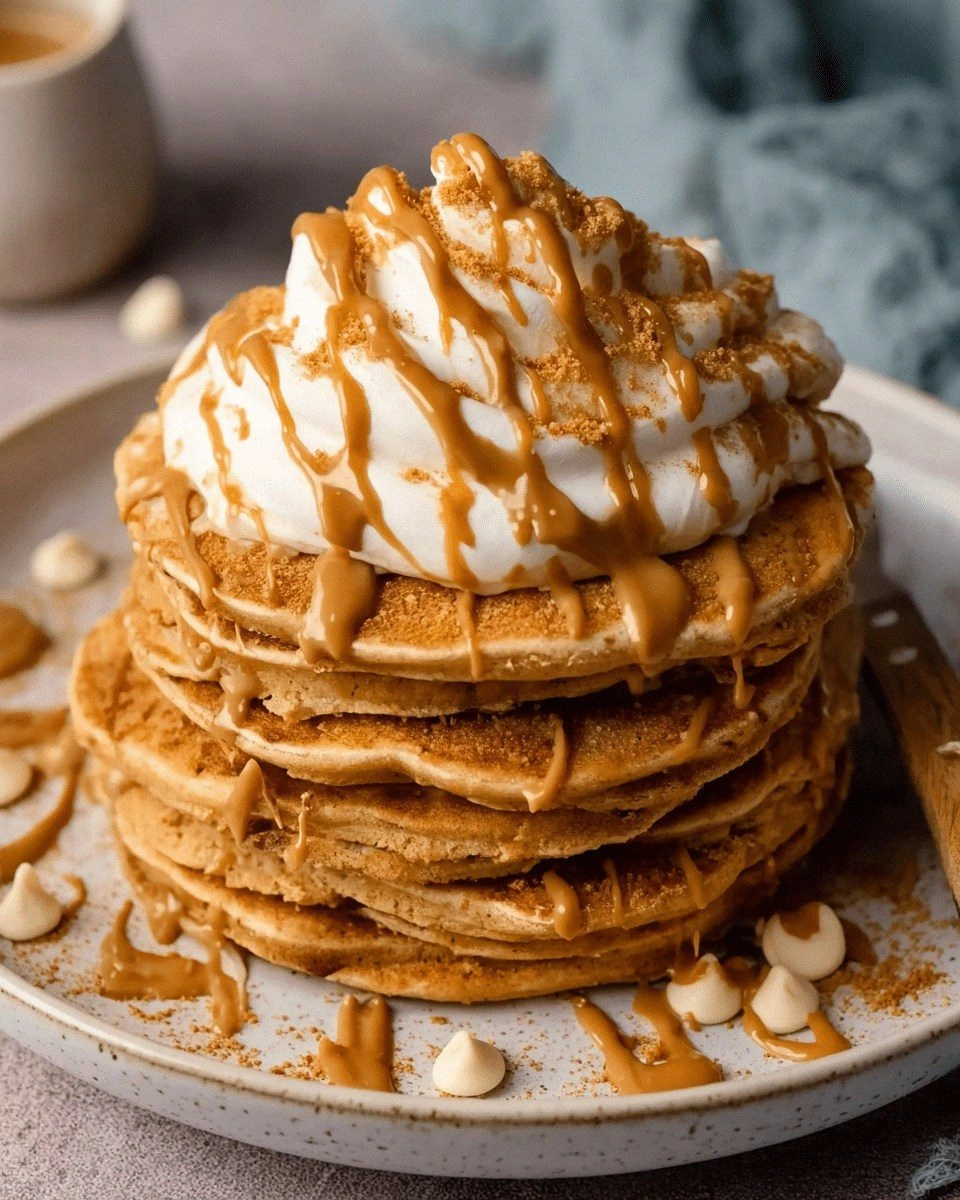
- Once all pancakes are cooked, drizzle the remaining Biscoff spread over the stack and sprinkle the reserved cookie crumbs on top. The extra spread adds a glossy finish, while the crumbs provide an extra crunch that balances the softness of the pancakes.
That's it — you did it. But hold on, I've got a few more tricks that'll take this to another level. From the right pan temperature to the best way to keep the pancakes warm, these insights will make every batch feel like a professional kitchen creation.
Insider Tricks for Flawless Results
The Temperature Rule Nobody Follows
Many cooks think medium heat is enough, but the sweet spot for these pancakes is a steady medium‑low. A slightly lower temperature allows the batter to cook through without burning the outer edges. If you’re using a cast‑iron skillet, preheat it for 5 minutes before adding butter; this ensures even heat distribution and prevents the pancakes from sticking.
Why Your Nose Knows Best
Before flipping, let your nose guide you. The moment the batter smells toasty and caramelized, you know the edges are ready to turn. Trusting your senses beats timers and guarantees that every pancake is perfectly golden. If you’re new to cooking, this is a great way to develop a feel for the process.
The 5‑Minute Rest That Changes Everything
After you finish cooking, let the pancakes rest for five minutes on a wire rack. This rest period allows the steam to escape, preventing the pancakes from becoming soggy. The rest also lets the flavors meld, intensifying the Biscoff notes and making the pancakes even more irresistible.
The Butter Trick for a Crispy Finish
A small trick that many overlook is to add a pat of butter to the skillet right before flipping each pancake. The butter creates a crisp, golden crust that gives the pancakes a satisfying crunch. It also adds a subtle buttery aroma that complements the caramel notes of the Biscoff spread.
The Secret to Layering Flavor
If you want to elevate the flavor, drizzle a thin line of Biscoff sauce between each pancake layer. This creates a cascading effect of caramel sweetness that makes each bite a new experience. The sauce also helps bind the layers together, preventing them from falling apart when you stack them.
Creative Twists and Variations
This recipe is a playground. Here are some of my favorite ways to switch things up:
Nutty Biscoff Pancakes
Swap the Biscoff spread for almond butter and add a handful of chopped almonds to the batter. The nutty flavor complements the caramel notes, creating a richer, more complex taste. The almonds also add a satisfying crunch that rivals the crushed cookies.
Chocolate Biscoff Surprise
Fold in 1/4 cup of dark chocolate chips into the batter, and top the finished pancakes with a drizzle of melted chocolate. The bittersweet chocolate balances the sweetness of the Biscoff, giving the pancakes a decadent finish that feels like a chocolate‑caramel dream.
Citrus Burst Biscoff Pancakes
Add the zest of one orange to the batter, and finish with a light dusting of powdered sugar. The citrus zest brightens the caramel flavor, providing a fresh contrast that lifts the overall taste profile. This variation is perfect for a brunch that feels both sweet and bright.
Vegan Biscoff Pancakes
Replace the eggs with flaxseed meal (1 tablespoon flaxseed + 3 tablespoons water) and use plant‑based milk. The Biscoff spread can be found in vegan varieties, ensuring that the pancakes remain indulgent while staying cruelty‑free. The texture remains airy, and the flavor stays true to the original.
Savory Biscoff Pancake Topping
For a surprising twist, top the pancakes with a dollop of goat cheese and a sprinkle of fresh thyme. The creamy, tangy cheese pairs with the sweet Biscoff, creating a savory‑sweet balance that feels like a gourmet brunch.
Storing and Bringing It Back to Life
Fridge Storage
Cool the pancakes completely on a wire rack, then stack them with parchment paper between layers. Store the stack in an airtight container in the refrigerator for up to 3 days. The pancakes will retain their texture, and the Biscoff flavor will remain vibrant.
Freezer Friendly
Place the cooled pancakes in a freezer bag, separating layers with parchment paper. Freeze for up to 2 months. When ready to serve, thaw overnight in the refrigerator or microwave on low for 30‑60 seconds. The pancakes will stay fluffy and the Biscoff notes will stay intact.
Best Reheating Method
Reheat the pancakes in a preheated oven at 350°F (175°C) for 5‑7 minutes. Alternatively, use a skillet over medium heat, adding a splash of water to create steam that keeps the pancakes moist. Before serving, drizzle a little Biscoff sauce to restore that glossy, caramel finish.