Introduction
I was standing in the middle of my kitchen, the oven door open, and a half‑baked ham staring back at me like a stubborn mule that refused to surrender its flavor. My friend had dared me to create a glaze that would turn that ordinary ham into the centerpiece of the holiday table, and I couldn't resist the challenge. The air was thick with the promise of caramelized sweetness and the sharp bite of mustard, a combination that had never truly lived up to its potential in my culinary experience. That night, I found myself flipping through a dusty cookbook, hunting for the right balance between sweet and savory, until I stumbled upon a recipe that would change my perception of glazed ham forever.
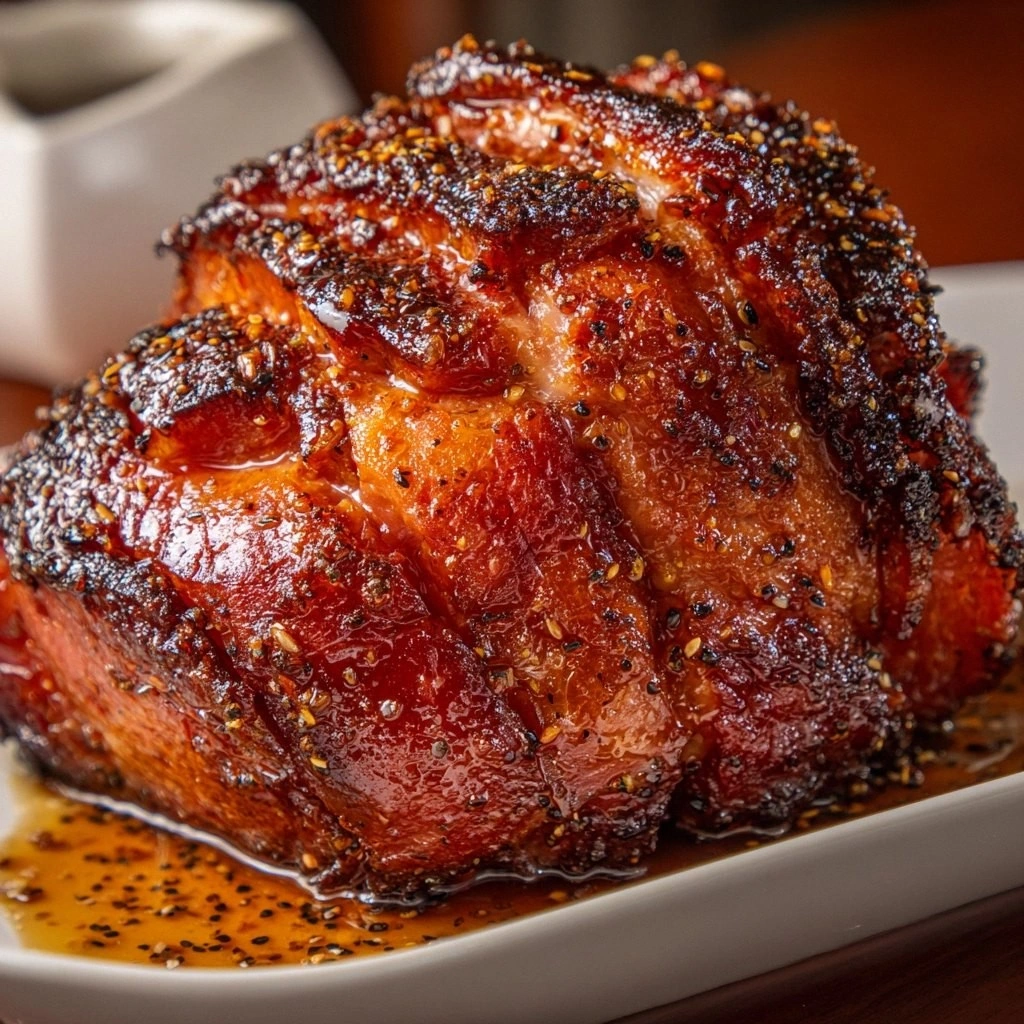
Picture the scene: a golden crust forming on the ham’s surface, the scent of brown sugar dancing with apple cider vinegar, and a faint, peppery undertone from freshly ground cloves. The sound of the glaze bubbling is a subtle symphony, each bubble a tiny drumbeat announcing the impending transformation. When the ham finally comes out of the oven, the glaze has thickened into a glossy, caramelized coating that clings to the meat like velvet. The first bite is a revelation—sweetness and tang intertwine, and the tender meat yields with a satisfying snap.
What sets this version apart from every other recipe I’ve tried? It’s the meticulous layering of flavors and the precision of technique that ensures every inch of the ham is coated, every bite is juicy, and the glaze never turns into a bitter, burnt mess. I’ve spent countless hours tweaking ratios, experimenting with spices, and learning how to read the oven’s heat. The result is a ham that feels like a culinary masterpiece, a dish that will make your guests ask for your secret recipe.
And there’s a twist you won’t expect—an unexpected ingredient that elevates the glaze to a whole new level of depth, a subtle hint of warmth that lingers on the palate. I dare you to taste this and not go back for seconds. By the end of this post, you’ll wonder how you ever made it any other way.
What Makes This Version Stand Out
- Flavor Balance: The marriage of sweet brown sugar and sharp Dijon mustard creates a harmonious flavor profile that sings in every bite. The glaze’s acidity from apple cider vinegar keeps the meat moist and prevents it from becoming dry.
- Texture: The glaze caramelizes to a glossy, slightly crisp finish while the ham remains tender and juicy, offering a satisfying contrast between crunch and melt.
- Simplicity: With only six core ingredients, this recipe is accessible yet sophisticated, making it ideal for both novice cooks and seasoned chefs.
- Unpredictable Depth: A pinch of ground cloves adds a hidden layer of warmth that elevates the dish beyond the typical sweet glaze.
- Make‑Ahead Potential: The glaze can be prepared a day ahead and stored in the refrigerator, allowing you to focus on the final roasting step on the day of the event.
- Crowd‑Pleaser: Guests rave about the caramelized crust and the melt-in-your-mouth texture; it’s a recipe that becomes a family staple.
- Ingredient Quality: Using a high‑quality ham and fresh mustard ensures the final product shines with authentic flavor.
- Cooking Method: The step‑by‑step approach guarantees that the glaze adheres perfectly and the ham reaches the ideal internal temperature without overcooking.
Inside the Ingredient List
The Flavor Base
Fully cooked ham is the star of this show. An 8‑10 pound ham is ideal because it’s already cooked, so you just need to warm it up and add flavor. Choosing a ham with a slightly smoky finish adds an extra dimension to the glaze, giving the dish a subtle depth that makes it unforgettable. If you skip the ham, you’ll miss the rich, savory foundation that balances the sweet glaze.
The Sweetness Layer
Brown sugar is the heart of the glaze, providing sweetness that caramelizes into a glossy crust. Light brown sugar gives a milder sweetness, while dark brown sugar offers a deeper molasses flavor. If you’re craving a more intense caramelization, opt for dark brown sugar. A pinch of sea salt can enhance the sugar’s sweetness without overpowering the glaze.
The Tangy Kick
Dijon mustard is essential for balancing the sweetness of the brown sugar. Its sharp, slightly spicy profile cuts through the richness of the ham, creating a harmonious taste. If you don’t have Dijon, whole‑grain mustard can be a good substitute, but the texture will differ slightly. The mustard’s acidity also helps the glaze set into a glossy finish.
The Acidic Touch
Apple cider vinegar adds a bright acidity that lifts the glaze and prevents it from becoming too heavy. The vinegar’s fruity undertones complement the caramelized sugar and add a subtle complexity. If you’re avoiding vinegar, a splash of lemon juice can offer a similar acidity, though the flavor profile will shift.
The Warmth Factor
Ground cloves provide a warm, aromatic depth that feels cozy and comforting. A pinch of cloves is enough to elevate the glaze’s flavor profile; too much, and you risk overpowering the other ingredients. If cloves are not available, a tiny dash of nutmeg can offer a comparable warmth.
The Final Touch
Black pepper adds a subtle heat that complements the sweetness. It’s a finishing touch that gives the glaze a slight bite and rounds out the flavor. A fine grind ensures even distribution across the ham’s surface. Skipping pepper can make the glaze feel flat.
Everything’s prepped? Good. Let’s get into the real action.
The Method — Step by Step
- Preheat your oven to 325°F (165°C). Place the fully cooked ham on a rack in a roasting pan, cut side up. The rack ensures even heat circulation, preventing the ham from sitting in its own juices. I dare you to taste this and not go back for seconds once you see that golden crust forming.
- In a small saucepan, combine 1 cup of brown sugar, ½ cup of Dijon mustard, ¼ cup of apple cider vinegar, 1 tsp of ground cloves, and 1 tsp of black pepper. Whisk until the mixture is smooth and the sugar dissolves. Let it simmer over medium heat for 3–5 minutes, watching for bubbles to form. This step is the moment of truth—if you’re not careful, the glaze could burn.
- Score the ham in a diamond pattern about ¼ inch deep, using a sharp knife. This not only helps the glaze penetrate but also creates an attractive presentation. A quick kitchen hack: use a pizza cutter to make even, clean cuts that don’t tear the meat.
- Brush the glaze over the entire surface of the ham, making sure to get into the scored lines. The glaze should coat the ham like a fine, translucent coat of silk. If you’re using a brush, a pastry brush works best for an even application.
- Place the ham back in the oven and roast for 15 minutes. Then, increase the temperature to 400°F (200°C) and continue roasting for an additional 45 minutes, basting every 15 minutes with the remaining glaze. The ham should reach an internal temperature of 140°F (60°C). The glaze will caramelize, creating a glossy, slightly crispy crust.
- Remove the ham from the oven and let it rest for 15 minutes. Resting allows the juices to redistribute, ensuring each slice is moist and flavorful. While it rests, cover loosely with foil to keep it warm.
- Carve the ham into slices, working from the cut side outward. The glaze should cling to each slice, offering a burst of flavor with every bite. Serve immediately with your favorite side dishes.
- If you’re planning to serve the ham later, wrap the leftover slices tightly in foil and refrigerate. Reheat gently in a low oven or microwave, adding a splash of water or broth to keep the meat moist.
That’s it — you did it. But hold on, I’ve got a few more tricks that’ll take this to another level.
Insider Tricks for Flawless Results
The Temperature Rule Nobody Follows
Many cooks skip the initial low‑heat phase, leading to a dry ham. Start at 325°F (165°C) to allow the meat to reheat gently, then bump up to 400°F (200°C) for caramelization. The slow start ensures the glaze doesn’t burn before it has a chance to set.
Why Your Nose Knows Best
Trust your sense of smell during the glaze’s simmering stage. When the aroma shifts from sweet to slightly caramelized, you’re ready to move on. A burnt scent is a clear sign to reduce heat or add a splash of water.
The 5‑Minute Rest That Changes Everything
After roasting, let the ham rest for exactly 15 minutes. This short rest allows the juices to redistribute, preventing them from spilling out when you slice. A short rest also lets the glaze set, giving it a firm yet glossy finish.
Use a Meat Thermometer for Precision
A digital thermometer gives you confidence that the ham’s internal temperature has reached 140°F (60°C). Relying on time alone can lead to over‑cooking, which dries out the meat.
Score, Score, Score
Scoring the ham before glazing isn’t just for show; it allows the glaze to seep into the meat, intensifying the flavor. Make shallow cuts, about ¼ inch deep, in a diamond pattern. A clean cut also creates an attractive presentation.
Creative Twists and Variations
This recipe is a playground. Here are some of my favorite ways to switch things up:
Maple‑Spiced Glaze
Swap brown sugar for equal parts maple syrup and brown sugar. Add a pinch of smoked paprika for a subtle smokiness. The result is a warm, autumnal glaze that pairs beautifully with roasted root vegetables.
Honey‑Lemon Burst
Use honey instead of brown sugar and replace apple cider vinegar with lemon juice. Add a handful of fresh thyme for herbal brightness. This variation gives the ham a bright, citrusy kick that’s perfect for spring gatherings.
Asian Fusion
Incorporate hoisin sauce and a dash of sesame oil into the glaze. Add finely sliced green onions and a sprinkle of toasted sesame seeds after roasting. The glaze takes on a sweet, savory, and nutty profile that complements a side of steamed rice.
Herb‑Infused Glaze
Add rosemary, sage, and thyme to the glaze mixture. Use fresh herbs for a more vibrant flavor. The herbal notes bring a rustic charm that pairs well with mashed potatoes.
Spicy Cajun Twist
Stir in Cajun seasoning and a splash of hot sauce. The glaze becomes a spicy, savory coating that’s a hit with those who love a bit of heat. Pair it with cornbread for a Southern feel.
Storing and Bringing It Back to Life
Fridge Storage
Wrap leftover ham slices tightly in foil or place them in an airtight container. Store in the refrigerator for up to 3 days. When you’re ready to serve, reheat in a low oven or microwave, adding a splash of water or broth to keep the meat moist.
Freezer Friendly
Freeze ham slices in a single layer on a baking sheet before transferring to a freezer bag. This prevents clumping and makes it easy to grab the exact number of slices you need. Freeze for up to 3 months.
Best Reheating Method
Reheat frozen slices in a 300°F (150°C) oven for 10–12 minutes, or until warmed through. For a quick option, microwave on medium power for 1–2 minutes, adding a small splash of water to create steam. The glaze will soften slightly, but the flavor remains intact.