Picture this: it’s a sweltering July afternoon, the kitchen lights flicker over a stack of forgotten pastries, and you’re staring at a bowl of egg whites that have already begun to form a stubborn, rubbery film. I was halfway through a batch of what I thought was a classic meringue, when the clock hit 3:00 PM and the edges had turned a dull, ashy brown. I could have salvaged it, but I’d be giving my guests a lesson in disappointment. That evening, I decided to rewrite the rulebook and turn the disaster into a triumph.
From the moment I cracked the eggs, the air filled with a sweet, almost metallic scent that promised something extraordinary. The whites swirled like a calm sea, reflecting the kitchen lights, while the sugar crystals glistened like tiny stars. When the first golden flecks began to form, I could hear a faint hiss, the sound of air being coaxed into a new texture. The taste that followed was a subtle, almost invisible sweetness that left the palate craving more. The feel of the meringue, silky on the tongue yet crisp on the tongue, was a revelation that made me wonder if I’d been missing something all along.
I’m not going to lie: the first time I tasted this version, I could barely keep a straight face. The airy interior collapsed into a cloud of flavor, and the crust had that satisfying snap that made my ears ring in a way that only the best desserts can. I dared myself to taste it again and again, and each bite felt like a secret whispered by the summer breeze. The moment you bite into the meringue, the blackberries burst with a tang that cuts through the sweetness, while the lemon zest adds a bright, citrusy echo that lingers.
What makes this recipe stand out isn’t just the perfect balance of textures or the bold, unmistakable flavor. It’s the tiny, almost invisible details that elevate it from a simple dessert to an unforgettable experience. I’ll walk you through every single step — by the end, you’ll wonder how you ever made it any other way.
What Makes This Version Stand Out
- Texture: The meringue is crisp on the outside yet cloud‑like inside, a contrast that feels like biting into a snowflake that melts into velvet.
- Flavor: Fresh blackberries provide a natural tartness that cuts through the sweetness, while lemon zest adds a bright, citrusy lift.
- Simplicity: With just ten ingredients and a handful of steps, you can create a showstopper that feels like a gourmet creation.
- Make‑ahead: The meringue can be baked ahead and stored for up to two days, making it a perfect “set it and forget it” dessert.
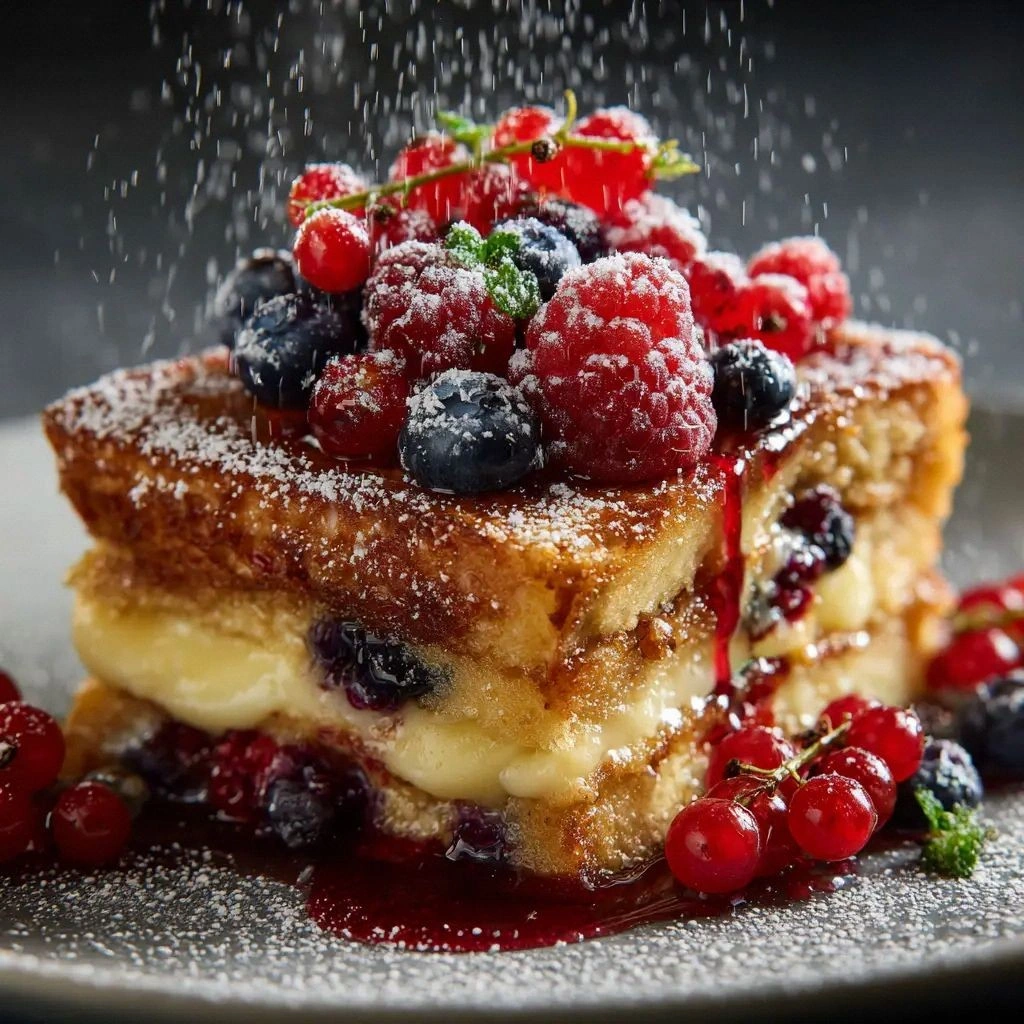
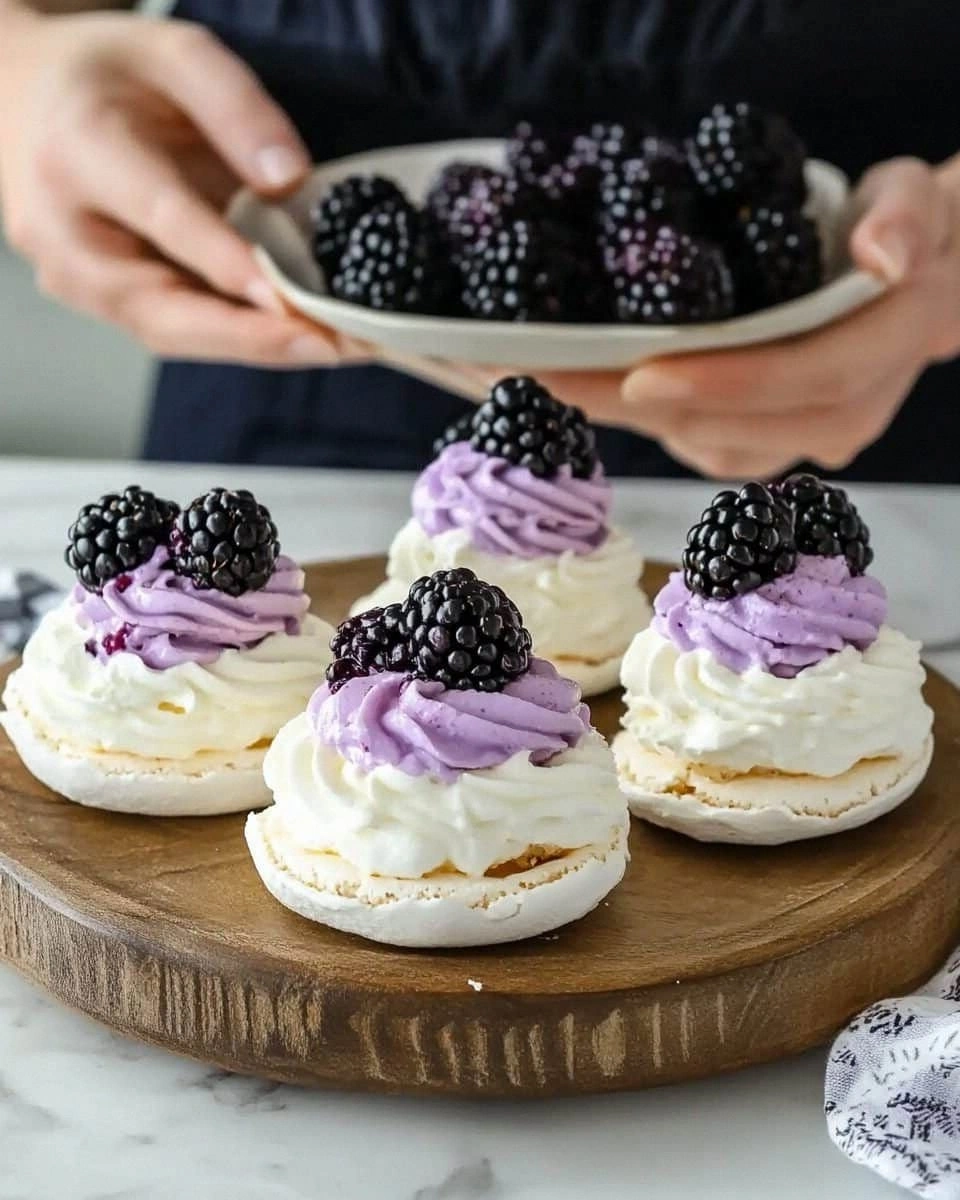
- Visual Appeal: The glossy, golden shell, the vibrant blackberries, and the cloud of whipped cream create a dish that looks as good as it tastes.
- Ingredient Quality: Using high‑quality, fresh ingredients (especially the blackberries) transforms an ordinary pavlova into a masterpiece.
- Audience Reaction: Friends and family often ask for the recipe after the first tasting, and I’ve been known to keep the secret to myself for a while.
- Unique Technique: A dash of vinegar and a pinch of cornstarch in the meringue give it a stability that prevents collapse, a trick that most recipes skip.
Inside the Ingredient List
The Flavor Base
At the heart of every great pavlova is the meringue, a simple blend of egg whites, sugar, and a dash of acidity. The egg whites provide the structure that holds the dessert together, while the sugar sweetens and creates the glossy, caramelized surface. Adding a teaspoon of white vinegar is a small but crucial detail; it lowers the pH, stabilizing the proteins and preventing the whites from collapsing. A tablespoon of cornstarch, meanwhile, gives the meringue a silky finish and a subtle thickness that keeps it from turning rubbery.
The Texture Crew
Whipped cream is the velvet layer that contrasts the meringue’s crunch. Heavy cream, when beaten to stiff peaks, locks in air and creates a light, airy texture that clings to the meringue like a gentle blanket. The powdered sugar not only sweetens the cream but also thickens it slightly, giving it a silky mouthfeel. When you fold in a teaspoon of lemon zest, you add a bright, aromatic note that lifts the overall flavor profile.
The Unexpected Star
Blackberries are the star that gives this pavlova its signature flavor. Fresh blackberries bring a natural tartness that balances the sweetness of the meringue and whipped cream. They also add a burst of color that makes the dish visually stunning. If you can’t find fresh berries, a small amount of blackberry jam or puree can be used, but the texture will be different — more syrupy and less juicy.
The Final Flourish
Lemon juice, added in small amounts, brightens the entire dessert. It’s not just for flavor; the acidity helps to stabilize the meringue and keeps the whipped cream from separating. A tablespoon of lemon zest provides an aromatic punch, while a tablespoon of lemon juice offers a subtle tart counterpoint. Together, they create a harmonious balance that makes each bite feel fresh and lively.
Everything’s prepped? Good. Let’s get into the real action…
The Method — Step by Step
- Preheat your oven to 250 °F (120 °C). Line a baking sheet with parchment paper and place a silicone ring or a round cookie sheet on top. This will keep the meringue from spreading too wide and help it maintain its perfect dome shape.
- In a clean, dry bowl, whisk the egg whites with an electric mixer on medium speed until soft peaks form. The bowl must be free of any grease or moisture; even a single speck can sabotage the meringue’s rise.
- Gradually add the granulated sugar, one tablespoon at a time, while continuing to whisk. The mixture should become glossy, and the sugar should dissolve completely. If the sugar crystals remain visible, let the mixture sit for a few minutes before whisking again.
- Add the vanilla extract, white vinegar, and cornstarch. Whisk until the mixture is smooth and the cornstarch is fully incorporated. This is the moment of truth; the meringue should feel silky and glossy.
- Transfer the meringue into a piping bag fitted with a round tip or simply spoon it onto the parchment paper in a circular shape, about 6 inches in diameter. Use a spatula to smooth the top, ensuring an even thickness of roughly 1 inch.
- Bake in the preheated oven for 45 minutes. After 45 minutes, turn the oven off, leave the door slightly ajar, and let the meringue cool in the oven for an additional 30 minutes. This gradual cooling prevents the meringue from cracking.
- While the meringue is cooling, whip the heavy cream with powdered sugar to stiff peaks. Fold in the lemon zest gently. The mixture should be light, airy, and hold its shape when spooned.
- Once the meringue is completely cooled, top it with a generous swirl of whipped cream, then scatter fresh blackberries on top. Finish by lightly drizzling a teaspoon of lemon juice over the berries to add a bright, acidic note.
- Serve immediately, or refrigerate for up to two days. When ready to serve, let the pavlova sit at room temperature for about 15 minutes so the whipped cream softens slightly.
That’s it — you did it. But hold on, I’ve got a few more tricks that’ll take this to another level. Trust me, once you’ve mastered these nuances, you’ll never look at a pavlova the same way again.
Insider Tricks for Flawless Results
The Temperature Rule Nobody Follows
Most bakers think any oven temperature will do, but the secret lies in baking at a low, steady temperature of 250 °F (120 °C). This slow rise allows the meringue to dry out evenly without browning too quickly. If you’re using a convection oven, reduce the temperature by 25 °F to avoid over‑browning.
Why Your Nose Knows Best
Before you even taste the first bite, the aroma of the meringue should carry a sweet, almost metallic scent. If it smells overly sugary or like raw sugar crystals, you’re probably still in the mixing phase. A subtle, buttery aroma indicates that the meringue is ready to bake.
The 5‑Minute Rest That Changes Everything
After removing the meringue from the oven, leave it in the warm oven with the door slightly ajar for 30 minutes. This rest period allows the interior to set while the exterior remains crisp. Skipping this step often results in a soggy center.
Keep the Cream Light
When whipping the cream, stop as soon as stiff peaks form. Over‑whipped cream becomes grainy and can separate when it sits. Adding a tablespoon of powdered sugar right before the final whisk helps stabilize the peaks.
Use Fresh Blackberries, Not Frozen
Frozen berries can release water as they thaw, soaking the meringue and making it soggy. If you’re using frozen berries, thaw them in a colander, pat them dry, and remove any excess juice before topping the pavlova.
Creative Twists and Variations
This recipe is a playground. Here are some of my favorite ways to switch things up:
Chocolate‑Covered Pavlovas
Dip the cooled meringue in melted dark chocolate and let it set. The chocolate adds a rich, bittersweet layer that pairs wonderfully with the tart blackberries.
Berry Medley Pavlova
Replace half of the blackberries with fresh strawberries or blueberries for a colorful, multi‑berry experience. The different textures and flavors create a dynamic dessert.
Almond‑Infused Meringue
Add a tablespoon of ground almonds to the meringue batter. The nutty undertone complements the citrus notes and gives a subtle crunch.
Maple‑Honey Drizzle
Drizzle a thin line of pure maple syrup or honey over the top before serving. This adds a warm, caramelized sweetness that balances the tartness of the berries.
Vanilla‑Lemon Pavlova
Replace the vanilla extract with a vanilla bean and add an extra half teaspoon of lemon zest. The aromatic vanilla and bright lemon create a fragrant, sophisticated flavor profile.
Mini Pavlova Cups
Bake the meringue in muffin tins to create individual servings. These bite‑sized delights are perfect for parties and make it easy to control portion sizes.
Storing and Bringing It Back to Life
Fridge Storage
Store the completed pavlova in an airtight container in the refrigerator for up to 24 hours. The meringue will remain crisp, and the whipped cream will stay fresh if kept sealed.
Freezer Friendly
For longer storage, freeze the meringue without the topping. Wrap it tightly in plastic wrap and place it in a freezer bag. When ready to serve, thaw in the refrigerator for 4 hours, then top with fresh whipped cream and berries.
Best Reheating Method
To revive a chilled pavlova, let it sit at room temperature for 15 minutes. If the whipped cream has hardened, gently warm it in a microwave at 20 % power for 10‑15 seconds, then re‑whip to restore its airy texture. Add a splash of water before reheating if the meringue feels dry.