I was standing in my kitchen, half‑asleep, when a sudden craving for something crunchy, tangy, and utterly comforting hit me like a freight train. I stared at the empty pantry, the silence broken only by the faint hum of the refrigerator, and I thought, “What if I could cram the whole Banh Mi experience into a single bowl?” The idea was reckless, the kind of culinary dare that makes you wonder if you’re a genius or a mad scientist. I grabbed a bag of jasmine rice, a pack of chicken, and a handful of fresh veggies, and the adventure began. That night, the kitchen smelled like a street market in Saigon, the sizzle of sesame oil dancing with garlic powder, and the promise of a dish that would make even the most skeptical foodie bow down.
The first attempt was a disaster – the rice turned mushy, the chicken was dry, and the veggies were limp. I was ready to throw in the towel, but then I remembered a trick I’d learned from a Vietnamese aunt: soak the rice, marinate the protein, and never, ever over‑cook the veggies. I rewound, adjusted, and tried again, this time with a methodical, almost obsessive attention to timing. The result? A bowl that sang with layers of flavor, each bite a symphony of sweet carrots, briny soy, bright lime, and that unmistakable sesame‑kissed crunch. I dare you to taste this and not go back for seconds – it’s that good.
What makes this version stand out is not just the ingredients, but the choreography of the process. I’m talking about a dance where the rice is the steady bass line, the chicken (or tofu) is the soaring solo, and the fresh garnishes are the sparkling fireworks at the finale. Most recipes get the balance wrong, either drowning the bowl in sauce or leaving it dry as a desert. Here, the sauce clings to every bite like velvet, while the veggies stay crisp enough to snap under your teeth. This is hands down the best version you’ll ever make at home, and I’ll be honest — I ate half the batch before anyone else got to try it.
Okay, ready for the game‑changer? I’m about to reveal a secret ingredient that most Banh Mi bowls skip entirely: a splash of lime juice added at the very end, just before serving. That tiny burst of acidity lifts the whole dish, turning a good bowl into an unforgettable one. Picture yourself pulling this out of the pot, the whole kitchen smelling incredible, steam curling up as you drizzle the final drizzle of sauce. Let me walk you through every single step — by the end, you’ll wonder how you ever made it any other way.
What Makes This Version Stand Out
- Flavor Fusion: The marriage of soy sauce, sesame oil, and a dash of lime creates a bright, umami‑rich glaze that coats the chicken and rice alike, delivering a punch that’s both familiar and exciting.
- Texture Triumph: Crispy carrots and cucumbers contrast with fluffy jasmine rice, while the optional radishes add a peppery snap that keeps every forkful interesting.
- Simplicity: With just a handful of pantry staples and a quick soak, you can have a restaurant‑level bowl on the table in under an hour.
- Uniqueness: The optional Sriracha drizzle adds heat without overwhelming, letting you dial the spice level up or down with a single shake.
- Crowd Reaction: Friends who’ve never tried Banh Mi before will swear they’ve been transported to a bustling Vietnamese street corner, and they’ll ask for the recipe twice.
- Ingredient Quality: Using Halal chicken breast (or firm tofu for a plant‑based twist) ensures the protein stays tender, while jasmine rice provides a fragrant base that’s far superior to plain white rice.
- Cooking Method: Marinating the protein before a quick sear locks in moisture, and soaking the rice prevents it from turning gummy.
- Make‑Ahead Potential: The rice and protein can be pre‑cooked and stored, making weekday lunches a breeze without sacrificing flavor.
Inside the Ingredient List
The Flavor Base
The soy sauce and sesame oil are the heart of the bowl, delivering that unmistakable umami depth that makes Banh Mi legendary. Soy sauce brings saltiness and a fermented richness, while sesame oil adds a nutty aroma that lingers on the palate. If you skip the sesame oil, you’ll lose that subtle toasted note that balances the acidity of the lime. For a gluten‑free version, swap regular soy sauce for tamari – the flavor stays robust, and you avoid any hidden wheat.
The Texture Crew
Carrots and cucumbers are the crunchy heroes, each offering a different bite: carrots bring a sweet earthiness, cucumbers a cool, watery snap. The optional radishes introduce a peppery bite that cuts through the richness of the protein. If you’re not a fan of raw radish, thinly sliced pickled daikon works just as well and adds a subtle tang. Remember, the key is to slice everything uniformly so they cook (or stay raw) at the same rate.
The Unexpected Star
Jasmine rice, often relegated to a side dish, becomes the canvas for this bowl. Its fragrant aroma and slightly sticky texture soak up the sauce, ensuring each spoonful is flavorful. Rinsing and soaking the rice removes excess starch, preventing a gummy mess. If jasmine isn’t on hand, basmati works as a decent substitute, but you’ll miss that floral perfume that makes the dish sing.
The Final Flourish
Cilantro and lime are the finishing touches that elevate the bowl from good to unforgettable. Cilantro’s bright, citrusy notes cut through the richness, while a squeeze of lime adds a zing that awakens every other flavor. If cilantro isn’t your thing, fresh Thai basil offers a similar aromatic lift. The final drizzle of Sriracha (optional) provides a controlled heat wave that can be adjusted to taste.
Everything's prepped? Good. Let's get into the real action…
The Method — Step by Step
Start by rinsing the jasmine rice under cold water until the water runs clear. Drain and place the rice in a bowl, covering it with fresh water for a 30‑minute soak. This step is crucial – it removes excess starch and ensures each grain stays separate. While the rice soaks, preheat a large skillet over medium‑high heat and add the sesame oil, letting it shimmer like a tiny pool of liquid gold.
While the oil heats, combine the soy sauce, garlic powder, ginger powder, and a splash of lime juice in a small bowl. Whisk until the spices are fully dissolved, creating a glossy glaze. This mixture will become the flavor‑bomb coating for your protein. That sizzle when it hits the pan? Absolute perfection. Once the oil is hot, add the chicken (or tofu) pieces, spreading them out in a single layer.
Kitchen Hack: Pat the chicken dry with paper towels before marinating; a dry surface sears better and stays juicy.Let the chicken sear without moving it for about 2‑3 minutes. You’ll hear a satisfying crackle as the edges start to brown. Flip the pieces and pour the soy‑garlic‑ginger glaze over them, stirring to coat evenly. Cook for another 3‑4 minutes until the chicken is cooked through and the glaze thickens, clinging to each bite like a sweet‑savory glaze. If you’re using tofu, be gentle – you want those golden edges without breaking the cubes.
While the protein finishes cooking, drain the soaked rice and transfer it to a medium saucepan. Add 4 cups of fresh water, bring to a boil, then lower the heat to a gentle simmer. Cover and let it cook for 12‑15 minutes, or until the water is fully absorbed and the grains are tender. When you lift the lid, the aroma should be floral and inviting. Remove from heat and let it sit, covered, for 5 minutes before fluffing with a fork.
Now for the veggies: Toss the shredded carrots, sliced cucumbers, and optional radishes in a bowl with a pinch of salt and a drizzle of the remaining glaze. The salt draws out a little moisture, keeping the vegetables crisp. Let them sit while you finish the rice – this quick marination brightens their flavor and adds a subtle glaze.
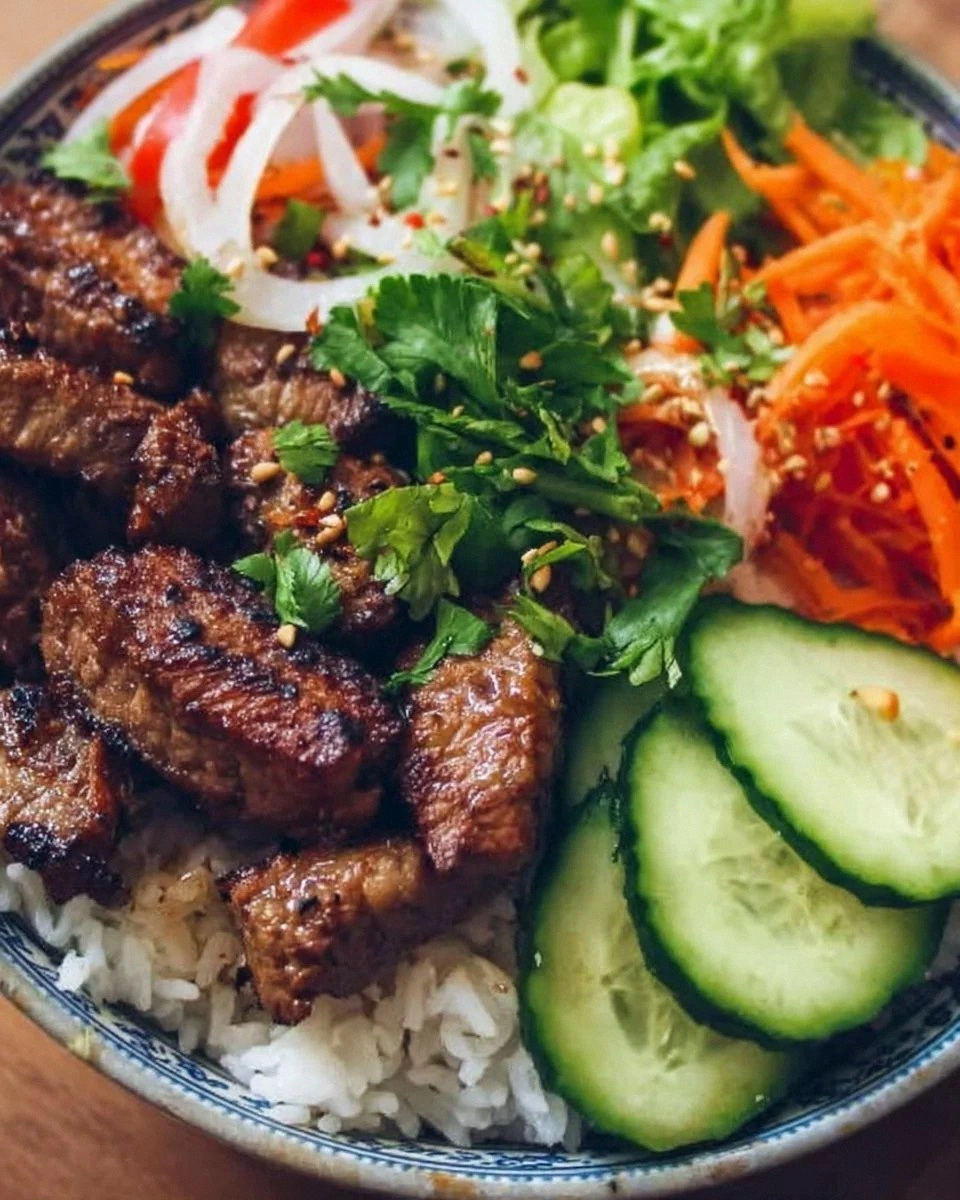
Time to assemble! Scoop a generous mound of jasmine rice into each bowl, creating a soft, fragrant base. Arrange the seared chicken (or tofu) on top, then fan out the marinated veggies around the protein. Sprinkle chopped cilantro over everything, and place a lime wedge on the side for that final burst of citrus.
If you love heat, drizzle Sriracha sauce over the top or serve it on the side for diners to control the spice. The beauty of this bowl is that each component can be mixed or left separate, letting you customize each bite. And now the fun part. Grab a spoon, give everything a good toss, and watch the colors swirl together like a painter’s palette.
Serve immediately, encouraging guests to squeeze fresh lime over their bowls for that bright, tangy finish. The combination of warm rice, savory protein, crisp veggies, and zesty lime creates a harmony that’s both comforting and exciting. Stay with me here — this is worth it. And remember, the leftovers (if any) taste even better after the flavors have melded overnight.
Watch Out: Over‑cooking the rice will turn it mushy; keep a close eye on the simmer and remove from heat as soon as the water is absorbed.
That's it — you did it. But hold on, I've got a few more tricks that'll take this to another level…
Insider Tricks for Flawless Results
The Temperature Rule Nobody Follows
Never cook the rice on high heat; a gentle simmer keeps the grains intact and prevents scorching. I once cranked the burner to “max” in a rush and ended up with a burnt bottom layer that ruined the entire batch. Keep the flame low, and trust the timer. The result is rice that’s fluffy, each grain distinct, and ready to soak up that glorious glaze.
Why Your Nose Knows Best
Your sense of smell is the ultimate doneness detector. When the chicken hits the pan, listen for that subtle crackle and inhale the nutty aroma of sesame oil. If you smell a faint burnt note, the heat is too high – lower it immediately. This auditory‑olfactory combo ensures perfectly seared protein every time.
The 5‑Minute Rest That Changes Everything
After cooking the rice, let it rest for five minutes off the heat before fluffing. This short pause allows steam to redistribute, giving you a lighter texture. Skipping this step leaves the rice a bit dense, and the bowl loses that airy lift. Trust me, this tiny pause is a game‑changer.
Seasoning Layers, Not Just a Final Sprinkle
Season each component individually – a pinch of salt on the veggies, a dash of soy in the glaze, and a final squeeze of lime on the assembled bowl. Layering seasoning builds depth, preventing any single flavor from dominating. A friend tried skipping the veggie salt once — let’s just say the crunch was there, but the flavor was flat.
The Quick Pickle Hack
If you have extra radishes or carrots, toss them in a quick pickle of rice vinegar, sugar, and a pinch of salt for 10 minutes. The tangy snap adds a new dimension without extra effort. This hack turns ordinary raw veggies into a vibrant, tangy accent that brightens the whole bowl.
Creative Twists and Variations
This recipe is a playground. Here are some of my favorite ways to switch things up:
Spicy Peanut Fusion
Swap the soy‑ginger glaze for a creamy peanut sauce made with peanut butter, soy sauce, lime, and a touch of honey. The nutty sauce adds richness and a subtle heat, perfect for those who love Thai‑inspired bowls. Top with crushed peanuts for extra crunch.
Mediterranean Medley
Replace the chicken with grilled halloumi and the veggies with roasted red peppers, olives, and feta crumbles. Use olive oil instead of sesame and add a dash of oregano. This version brings a sunny, Mediterranean vibe while keeping the rice base.
Breakfast Banh Mi Bowl
Use scrambled eggs or tofu scramble as the protein, add pickled daikon, and a drizzle of hoisin sauce. Sprinkle toasted sesame seeds and serve with a side of fresh fruit for a balanced morning meal that still feels indulgent.
Vegan Power Bowl
Stick with tofu, add edamame, and swap soy sauce for tamari. Toss in shredded purple cabbage for color, and finish with a drizzle of sriracha‑lime mayo (vegan mayo mixed with sriracha and lime juice). This version packs protein and fiber, keeping you full for hours.
Grilled Pineapple Twist
Add grilled pineapple chunks to the bowl for a sweet‑savory contrast. The caramelized pineapple pairs beautifully with the salty soy glaze, creating a tropical flair that’s perfect for summer barbecues.
Storing and Bringing It Back to Life
Fridge Storage
Transfer the rice, protein, and veggies into airtight containers. Store each component separately to preserve texture – the rice stays fluffy, the veggies stay crisp, and the protein retains its glaze. This bowl keeps well for up to 3 days; just reassemble before serving.
Freezer Friendly
Portion the cooked rice and marinated chicken (or tofu) into freezer‑safe bags. Label with the date and freeze for up to 2 months. Thaw overnight in the fridge, then reheat in a skillet with a splash of water to revive the glaze.
Best Reheating Method
For the rice, add a tiny splash of water (about a tablespoon per cup) and microwave covered for 1‑2 minutes, stirring halfway. For the protein, a quick sauté in a hot pan for 2‑3 minutes restores the sear. Toss everything together, finish with a fresh squeeze of lime, and you’ll swear it’s fresh‑made.