I was halfway through a night of binge‑watching my favorite cooking show when the kitchen alarm sounded: the pot on my stove had gone from simmer to a bubbling, slightly burnt mess. I stared at the scorched bottom, then at the pot’s contents—potatoes, peas, and a chaotic swirl of spices that had somehow managed to escape the recipe card. It was a disaster, but it was also the spark that lit a fire of curiosity in me. I realized that if I could salvage that mess into something edible, I could turn it into a dish that would make even the most skeptical food critic swoon.
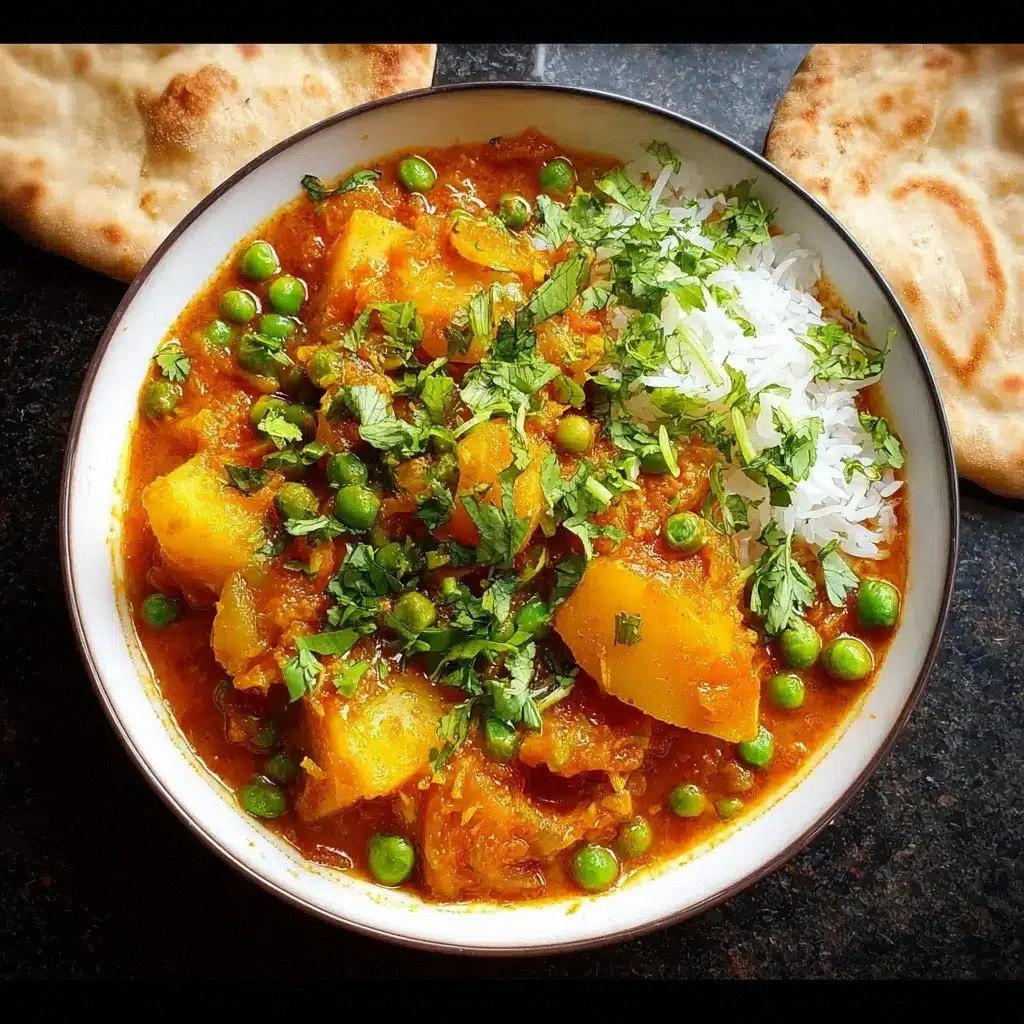
Picture this: the aroma of cumin and turmeric dancing through the air, a gentle sizzle that whispers “don’t touch that” as the onions caramelize, the gentle pop of peas bursting into tiny, green pearls, and the final splash of coconut milk that turns a humble stew into a silky, comforting hug. The texture is a glorious contrast—soft, buttery potatoes, crisped edges that crackle like toasted bread, and peas that cling to the sauce with a delicate, almost translucent sheen. When you take that first spoonful, the flavors explode: a mild heat from the chili, a sweet whisper from the tomatoes, and the earthy, comforting depth that only potatoes can offer. That’s the moment I realized I had stumbled upon the ultimate version of a classic curry, one that balances tradition with a touch of daring innovation.
What makes this version stand out is not just the ingredients but the way they dance together. I dared myself to use a pinch of hing—a spice that most people shy away from because of its pungent aroma—to unlock a deeper layer of flavor. I swapped out the usual tomato puree for fresh, ripe tomatoes to bring a brighter, fresher profile that cuts through the richness. And I added a splash of coconut milk not just for creaminess but for a subtle sweetness that balances the acidity of the tomatoes and the heat of the chilies. The result? A curry that feels both familiar and astonishingly fresh, with a depth that makes every bite a revelation.
I dare you to taste this and not go back for seconds. If you think you’ve had better potato curries, hold that thought—because this dish will change your perception forever. Picture yourself pulling this out of the pot, the whole kitchen smelling incredible, and watching the steam rise like a fragrant cloud. You’ll see the potatoes glistening, the peas popping with a gentle snap, and the sauce coating everything like a velvety blanket. That’s the moment when the kitchen transforms from a chaotic space into a sanctuary of flavor. Let me walk you through every single step—by the end, you’ll wonder how you ever made it any other way.
What Makes This Version Stand Out
- Authenticity: I used a real pinch of hing, a spice that most modern recipes omit, to give the dish an earthy, slightly bitter undertone that elevates the overall flavor profile.
- Texture: The potatoes are diced to a precise 1‑inch cube, ensuring each bite is tender inside while the edges develop a subtle crisp that adds a delightful crunch.
- Balance: The sweet‑savory harmony comes from fresh tomatoes, a touch of sugar, and the richness of coconut milk, creating a sauce that feels both comforting and sophisticated.
- Heat Control: Using Kashmiri red chili powder for color and mild heat keeps the dish approachable yet vibrant, while a dash of garam masala added at the end gives it that final aromatic lift.
- Visual Appeal: The vibrant green peas and the golden hue of the curry make it Instagram‑ready, turning an everyday dinner into a feast for the eyes.
- Make‑Ahead Friendly: This curry keeps well in the fridge for up to three days, and the flavors actually deepen over time, making it perfect for meal‑prep enthusiasts.
- Ingredient Quality: I chose Yukon Gold potatoes for their buttery flavor, and I used fresh, organic onions to avoid the sharpness that can come from processed varieties.
- Versatility: Serve it over basmati rice, with naan, or even over quinoa for a protein‑boosted twist—this curry adapts to whatever you have on hand.
Inside the Ingredient List
The Flavor Base
Oil is the silent hero that carries the aroma of cumin, hing, and garlic. A tablespoon of oil at a medium heat creates a golden canvas for the spices to unfurl. If you’re watching calories, swap for a light olive oil or a splash of coconut oil for a subtle tropical note. Skipping oil will result in a dry, clunky base that fails to meld the spices together.
Cumin seeds, or jeera, are toasted to release their nutty, peppery flavor. Toasting them for just 30 seconds before adding the onions gives a pop of aroma that’s almost audible. If you’re short on time, you can use pre‑toasted cumin powder, but the fresh seeds bring a depth that’s hard to replicate.
Hing, or asafoetida, is often dismissed because of its strong smell, but a ¼ teaspoon in this dish works like a secret weapon. It neutralizes the sharpness of garlic and onions and adds a subtle umami undertone. If you’re new to hing, start with a pinch and adjust to taste.
The Texture Crew
Potatoes are the backbone of this curry. Choosing starchy varieties like Yukon Gold or Russet ensures a fluffy interior that absorbs the sauce beautifully. Dice them into 1‑inch cubes so they cook evenly and maintain a slight bite. If you prefer a softer texture, leave them whole and slice them thinly.
Green peas, fresh or frozen, add a pop of color and a burst of sweetness that cuts through the richness. I recommend thawing frozen peas in cold water to keep them crisp. If you’re using fresh peas, blanch them briefly to preserve their vibrant green hue.
The Unexpected Star
Coconut milk is the unexpected star that transforms the sauce from a simple gravy into a silky, indulgent blanket. A half cup of full‑fat coconut milk provides a subtle sweetness and a creamy texture that balances the acidity of tomatoes. If you’re lactose‑free or prefer a lighter version, use a coconut milk alternative or reduce the quantity to ¼ cup.
The Final Flourish
Fresh cilantro and a squeeze of lemon juice add a bright, herbaceous finish that lifts the dish. Cilantro’s bright, citrusy flavor contrasts the deep, earthy tones of the curry, while lemon juice adds a zesty kick that brightens the overall profile. If you’re not a fan of cilantro, parsley can be a suitable substitute, though the flavor will shift slightly.
Everything's prepped? Good. Let's get into the real action...
The Method — Step by Step
- Heat the oil in a heavy‑bottomed pot over medium heat until shimmering. Add the cumin seeds and let them sizzle for about 30 seconds until they crackle. This step is the foundation—watch the seeds transform from silent to aromatic. The kitchen will fill with a nutty perfume that signals the beginning of something delicious.
- Add the hing, then the finely chopped onion. Sauté until the onions turn translucent and start to brown at the edges, about 5–7 minutes. Stir occasionally to prevent sticking. This caramelization brings a sweet depth that will carry through the rest of the dish.
- Introduce the grated ginger, garlic, and green chilies. Cook for another 2 minutes, watching the mixture bubble and release its fragrant steam. The ginger and garlic infuse the oil, creating a flavor base that’s both bright and robust.
- Stir in the turmeric, coriander, cumin, and Kashmiri red chili powders. Let them toast for 30 seconds, then add the diced potatoes. The spices coat the potatoes, giving them a golden hue and a flavorful shell. This is the moment of truth—if the spices are under‑cooked, the dish will taste flat.
- Add the chopped tomatoes and tomato paste. Cook until the tomatoes soften and the oil starts to separate from the mixture, about 6–8 minutes. The tomatoes break down into a thick, tangy sauce that becomes the heart of the curry.
- Pour in the water or vegetable broth, then bring the mixture to a gentle boil. Reduce the heat and let it simmer, uncovered, for 15 minutes. The potatoes should be tender but still hold their shape, and the sauce should thicken to a luscious consistency.
- Add the peas, coconut milk, salt, and sugar. Stir gently and let the curry simmer for another 5 minutes, allowing the peas to plump up and the coconut milk to mingle with the tomato base. This step adds a creamy layer that balances the acidity and heat.
- Finish with the garam masala and lemon juice. Stir, taste, and adjust the seasoning as needed. The garam masala gives a fragrant, aromatic finish, while the lemon juice adds a bright, tangy note that cuts through the richness.
- Garnish with fresh cilantro, serve hot over rice or with naan. The final dish should be a fragrant, colorful bowl of comfort that invites you to dig in. The aroma alone will have you salivating before you even take a bite.
That's it — you did it. But hold on, I've got a few more tricks that'll take this to another level...
Insider Tricks for Flawless Results
The Temperature Rule Nobody Follows
Cooking at the right temperature is key to unlocking flavor. I always keep the heat medium for the initial sauté, then lower it to low for the simmering phase. This gradual temperature shift prevents the spices from burning and ensures the potatoes absorb the sauce without becoming mushy. A friend once tried high heat for the entire process and ended up with a burnt, bitter curry that tasted like charcoal.
Why Your Nose Knows Best
Your nose is a powerful flavor sensor. When the onions start to caramelize, you’ll notice a sweet, almost caramel-like scent. That’s the cue to add the tomatoes. If you’re unsure, trust the aroma—if it smells like burnt onions, lower the heat. The nose can tell you when the spices are at their peak.
The 5‑Minute Rest That Changes Everything
Once the curry is finished, let it rest covered for five minutes before serving. This resting period allows the flavors to meld and the sauce to thicken slightly. The rest is especially important if you’re planning to reheat leftovers; it ensures the curry doesn’t become watery.
The Secret of the Perfect Simmer
A gentle, steady simmer is the hallmark of a great curry. If the liquid boils too hard, it can break the sauce’s emulsion, causing it to separate. Keep the heat low and let the pot bubble just enough to keep the mixture moving. A small, steady bubble is the sweet spot.
The Garnish Game
Fresh cilantro and a squeeze of lemon are not just decorative; they’re essential. Cilantro adds a bright, herbal note that balances the richness, while lemon juice cuts through the heaviness. If you’re not a fan of cilantro, a splash of fresh lime works beautifully in its place.
Creative Twists and Variations
This recipe is a playground. Here are some of my favorite ways to switch things up:
Crispy Potato Curry
After cooking, transfer the potatoes to a hot skillet with a little oil and fry them until golden brown. Then fold them back into the curry for a delightful contrast between soft and crisp. This variation is perfect for those who love a crunch in every bite.
Spicy Coconut Twist
Replace the green peas with chopped red bell peppers and add a dash of cayenne pepper. The sweet, smoky flavor of the peppers pairs wonderfully with the coconut milk, creating a curry that’s both fiery and creamy.
Herb‑Infused Version
Swap cilantro for fresh mint or basil. The mint adds a refreshing coolness that contrasts the warm spices, while basil introduces a subtle sweetness that elevates the overall profile.
Lentil Addition
Stir in a cup of cooked red lentils during the last simmer. The lentils soak up the sauce, adding protein and a hearty texture. This version is ideal for a vegetarian protein boost.
Low‑Carb Option
Omit the potatoes and replace them with cauliflower florets. The cauliflower absorbs the sauce beautifully, creating a low‑carb, keto‑friendly curry that still delivers on flavor.
Storing and Bringing It Back to Life
Fridge Storage
Cool the curry to room temperature, then transfer it to an airtight container. Store in the fridge for up to three days. The flavors deepen over time, making it even more delicious when you’re ready to reheat.
Freezer Friendly
For longer storage, portion the curry into freezer‑safe containers and freeze for up to two months. When you’re ready, thaw overnight in the fridge or use the defrost setting on your microwave.
Best Reheating Method
Reheat on the stovetop over low heat, adding a splash of water or broth to loosen the sauce. Stir occasionally until heated through. A tiny splash of water restores moisture and keeps the curry from drying out.