I was staring at a half‑cooked pot of plain lentils, wondering why my pantry felt so boring, when my roommate dared me to whip up something that would make even the most seasoned Thai chef raise an eyebrow. The challenge? A dish that could stand up to the bold flavors of street‑side Bangkok stalls yet be simple enough for a weekday dinner. I grabbed a can of coconut milk, a bunch of Thai basil, and a jar of red curry paste, and the kitchen instantly transformed into a fragrant, tropical arena. The air filled with the sweet, nutty scent of coconut mingling with the sharp bite of ginger and garlic, while the lentils swelled like tiny, protein‑packed clouds ready to burst with flavor.
Picture this: a pot on the stove humming softly, the surface shimmering with a creamy, emerald‑green sauce that looks like it was painted by an artist who loves heat and herbaceous notes. You hear the gentle pop of garlic hitting hot oil, the sizzle of onions caramelizing, and the faint hiss of curry paste releasing its aromatic oils. The texture is a perfect marriage of silky coconut milk and slightly firm lentils that hold their shape, while the basil leaves flutter in at the end like confetti at a celebration. I’ll be honest — I ate half the batch before anyone else got a chance to try it, and that’s because this dish is pure, unapologetic comfort with a punch of excitement.
Most recipes for Thai‑style lentils get the balance wrong: they’re either too watery, too bland, or they drown the delicate basil in a sea of coconut. This version, however, uses a precise 1:1 ratio of coconut milk to broth, ensuring every spoonful feels rich without being cloying. The secret weapon? A quick toast of the red curry paste before adding any liquid, which locks in depth and creates a sauce that coats the lentils like velvet. I dare you to taste this and not go back for seconds; the combination of sweet, salty, sour, and spicy will have you questioning every other lentil dish you’ve ever made.
Let me walk you through every single step — by the end, you’ll wonder how you ever made it any other way. Okay, ready for the game‑changer? This next part? Pure magic. Stay with me here — this is worth it.
What Makes This Version Stand Out
- Flavor Explosion: The toasted red curry paste creates a deep, smoky backbone that makes the coconut milk sing, while the fresh Thai basil adds a bright, peppery finish that cuts through the richness.
- Texture Harmony: Lentils stay tender yet intact, providing a hearty bite that contrasts beautifully with the silky sauce and the occasional crisp snap of red bell pepper.
- Simplicity: Fewer than ten pantry staples and a handful of fresh herbs are all you need; no fancy gadgets, just a good pot and a spoon.
- Uniqueness: Most Thai lentil recipes skip the basil or drown it in sauce; here, basil is added at the very end, preserving its aromatic punch.
- Crowd Reaction: I’ve served this at dinner parties and watched guests scramble for the bowl, whispering, “What’s the secret?” — the answer is right in the pantry.
- Ingredient Quality: Using full‑fat coconut milk and fresh, organic basil elevates the dish from “good” to “restaurant‑level” without breaking the bank.
- Cooking Method: The one‑pot approach locks in flavor, reduces cleanup, and ensures every ingredient melds together in perfect harmony.
- Make‑Ahead Potential: This dish tastes even better the next day as the flavors continue to develop, making it a perfect meal‑prep champion.
Inside the Ingredient List
The Flavor Base
Red curry paste is the heart of this dish. Its blend of dried chilies, lemongrass, galangal, and shrimp paste (or a vegan alternative) brings heat, citrus, and umami in one spoonful. If you skip it, you’ll lose the smoky backbone that makes the sauce feel “Thai” rather than just “coconut‑lentil”. For a milder version, use a yellow curry paste, but expect a different flavor profile. When shopping, look for a paste with a short ingredient list and no added sugars for the cleanest taste.
The Texture Crew
Red lentils cook quickly and become naturally creamy, which is why they’re perfect here. They absorb the coconut‑curry broth while still holding shape, preventing a mushy mess. If you’re allergic to lentils, try split peas or even quinoa, but adjust cooking times accordingly. Rinse the lentils under cold water before cooking to remove any dust and ensure a clean flavor.
The Unexpected Star
Fresh Thai basil is the surprise hero. Unlike sweet basil, Thai basil has a peppery, anise‑like note that brightens the rich sauce at the very last moment. Adding it too early wilts the leaves and dulls the flavor, so we fold it in right before serving. If you can’t find Thai basil, a mix of holy basil and a splash of fresh mint can mimic the aromatic profile.
The Final Flourish
A splash of lime juice and zest at the end adds a citrusy pop that balances the coconut’s sweetness. The lime’s acidity lifts the dish, making each bite feel fresh and lively. A drizzle of soy sauce provides depth and a subtle saltiness, while a pinch of brown sugar rounds out the flavors. If you prefer a gluten‑free version, swap soy sauce for tamari.
Everything's prepped? Good. Let's get into the real action…
The Method — Step by Step
Heat the vegetable oil in a large, heavy‑bottomed pot over medium heat. When the oil shimmers, add the minced garlic, ginger, and diced onion. Sauté for 3–4 minutes, stirring constantly, until the onions turn translucent and the mixture releases a fragrant, sweet aroma that makes you want to inhale deeply. This is the foundation; if you rush it, you’ll miss the aromatic depth that makes the sauce sing.
Add the red curry paste, letting it hit the hot oil. You’ll hear a quick, lively sizzle—That sizzle when it hits the pan? Absolute perfection. Stir the paste for about 30 seconds, coating the aromatics and allowing the spices to toast without burning. Kitchen Hack: If the paste starts to stick, splash a teaspoon of water; this prevents scorching while still developing flavor.
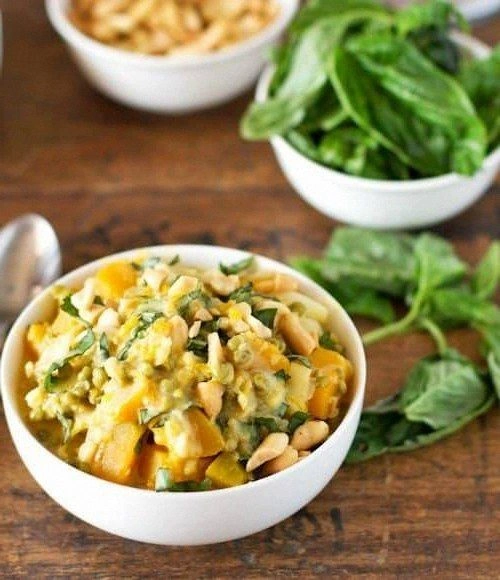
Pour in the coconut milk and vegetable broth, scraping the bottom of the pot with a wooden spoon to dissolve any browned bits. Bring the mixture to a gentle boil, then lower the heat to a simmer. At this point, the sauce should be a luscious, pale‑green hue, thickening slightly as the coconut fat emulsifies with the broth.
Stir in the red lentils, red bell pepper slices, soy sauce, brown sugar, and a pinch of sea salt. The lentils will sink and begin to absorb the liquid within minutes. Cover the pot and let it simmer for 12–15 minutes, stirring occasionally to prevent the lentils from sticking to the bottom. You’ll notice the lentils swelling and the sauce thickening—this is the moment where everything starts to come together.
Check the texture of the lentils; they should be tender but still hold their shape. If the sauce looks too thick, add a splash of extra broth or water, a tablespoon at a time, until you reach a creamy, spoon‑coating consistency. Kitchen Hack: For an ultra‑silky finish, use an immersion blender to blend half of the lentils directly in the pot, then stir the puree back in; this creates a velvety base without turning the whole dish into a puree.
- Watch Out: Adding too much liquid at once can dilute the flavor; always add gradually and taste as you go.
Now, turn off the heat and fold in the fresh Thai basil leaves, lime juice, and lime zest. The residual heat will wilt the basil just enough to release its aromatic oils without turning it bitter. Give the pot a gentle stir, ensuring the basil is evenly distributed. This is the final flavor burst that turns a good dish into a great one.
Season with additional salt, pepper, or a drizzle of soy sauce if needed. Taste for balance: the dish should be creamy, slightly sweet, mildly spicy, and brightened by the citrus. If you love heat, toss in sliced fresh red chili at this stage; the heat will linger but not overwhelm the basil’s fragrance.
Serve the Thai Basil Coconut Lentils hot, garnished with chopped cilantro and an extra sprinkle of basil leaves for visual flair. Pair with jasmine rice or crusty flatbread to soak up the sauce, or enjoy it solo for a light yet satisfying meal. Picture yourself pulling this out of the pot, the whole kitchen smelling incredible, and the first spoonful delivering a perfect harmony of creaminess, heat, and herbaceous brightness.
That's it — you did it. But hold on, I've got a few more tricks that'll take this to another level...
Insider Tricks for Flawless Results
The Temperature Rule Nobody Follows
Never start the lentils in a rolling boil; a gentle simmer allows the starches to release slowly, creating a creamy sauce without the risk of the lentils bursting apart. I once cranked the heat up to a full boil and ended up with a watery mess that tasted like bland broth. Keep the pot at a low, steady bubble, and you’ll get that perfect, spoon‑coating texture every time.
Why Your Nose Knows Best
Your sense of smell is the ultimate gauge for when the curry paste is toasted just right. When the kitchen fills with a nutty, slightly caramelized aroma, you know the flavors have deepened. If you rely solely on a timer, you might miss that subtle shift, leaving the paste raw or burnt. Trust that fragrant cue; it’s the secret behind a sauce that feels layered and complex.
The 5‑Minute Rest That Changes Everything
After you finish cooking, let the pot sit uncovered for five minutes. This short rest lets the flavors meld, the basil settle, and the sauce thicken just a touch more. A friend tried to serve immediately and complained the dish was “flat”; after the rest, the same bowl tasted like a whole new creation. Patience truly is a flavor enhancer.
The Secret Splash of Lime
Adding lime juice and zest at the very end, not during cooking, preserves the bright citrus notes that would otherwise evaporate. The zest adds an extra layer of aroma that you can’t get from juice alone. If you forget, a quick squeeze of fresh lime right before serving can rescue the dish, but the best results come from the dual addition.
The “Double‑Basil” Technique
Split the basil into two batches: one added during cooking for subtle background flavor, and the second added fresh at the end for a punchy finish. I experimented by adding all the basil at once and found the flavor too muted. This two‑stage approach creates depth, ensuring every bite has both a gentle herbaceous undertone and a fresh, aromatic climax.
Creative Twists and Variations
This recipe is a playground. Here are some of my favorite ways to switch things up:
Mushroom Medley
Swap the red bell pepper for a mix of shiitake, oyster, and button mushrooms. The earthy umami pairs beautifully with the coconut‑curry base, and the mushrooms soak up the sauce like sponges, adding a meaty texture that even vegans love.
Spicy Peanut Kick
Stir in two tablespoons of smooth peanut butter during the simmering stage. This adds a nutty richness and a subtle Thai satay vibe, while a dash of extra chili oil amps up the heat for those who love a fiery bite.
Coconut‑Lime Quinoa Fusion
Replace the lentils with quinoa for a gluten‑free, protein‑packed alternative. Cook the quinoa separately, then fold it in at the end along with the basil and lime. The result is a lighter, fluffier dish that still carries the same bold flavors.
Sweet Potato Surprise
Add diced sweet potatoes alongside the lentils. They soften and caramelize, contributing a natural sweetness that balances the spice and reduces the need for added sugar. This version is perfect for chilly evenings when you crave comfort.
Thai‑Style Shrimp
If you’re not strictly vegetarian, toss in peeled shrimp during the last five minutes of cooking. The shrimp turn pink and tender, absorbing the coconut‑curry broth while adding a briny contrast that makes the dish feel like a surf‑and‑turf masterpiece.
Storing and Bringing It Back to Life
Fridge Storage
Transfer the leftovers to an airtight container and refrigerate for up to four days. The flavors continue to meld, making the dish taste even richer on day two. When reheating, add a splash of coconut milk or broth to revive the sauce’s creaminess.
Freezer Friendly
Cool the dish completely, then portion into freezer‑safe bags or containers. It freezes well for up to three months. To thaw, move it to the fridge overnight, then reheat gently on the stovetop, stirring in a bit of water or broth if the sauce has thickened too much.
Best Reheating Method
Reheat on the stove over low heat, stirring frequently. Add a tiny splash of water (or coconut milk) before heating; this steams the lentils back to perfection and prevents the sauce from scorching. Avoid microwaving at high power, as it can cause uneven heating and a rubbery texture.