I was halfway through a disastrous week of overcooked pasta and underseasoned salads when my friend dared me to create something that could turn any bland, leftover vegetable mix into a mouth‑watering, crowd‑pleasing dish. I pulled a bag of frozen mixed veggies from the freezer, grabbed a splash of olive oil, and thought, “What if I could make a stew that feels like summer in a pot?” The result was a vibrant, herb‑laden soup that made me feel like a culinary wizard. I dare you to taste this and not go back for seconds.
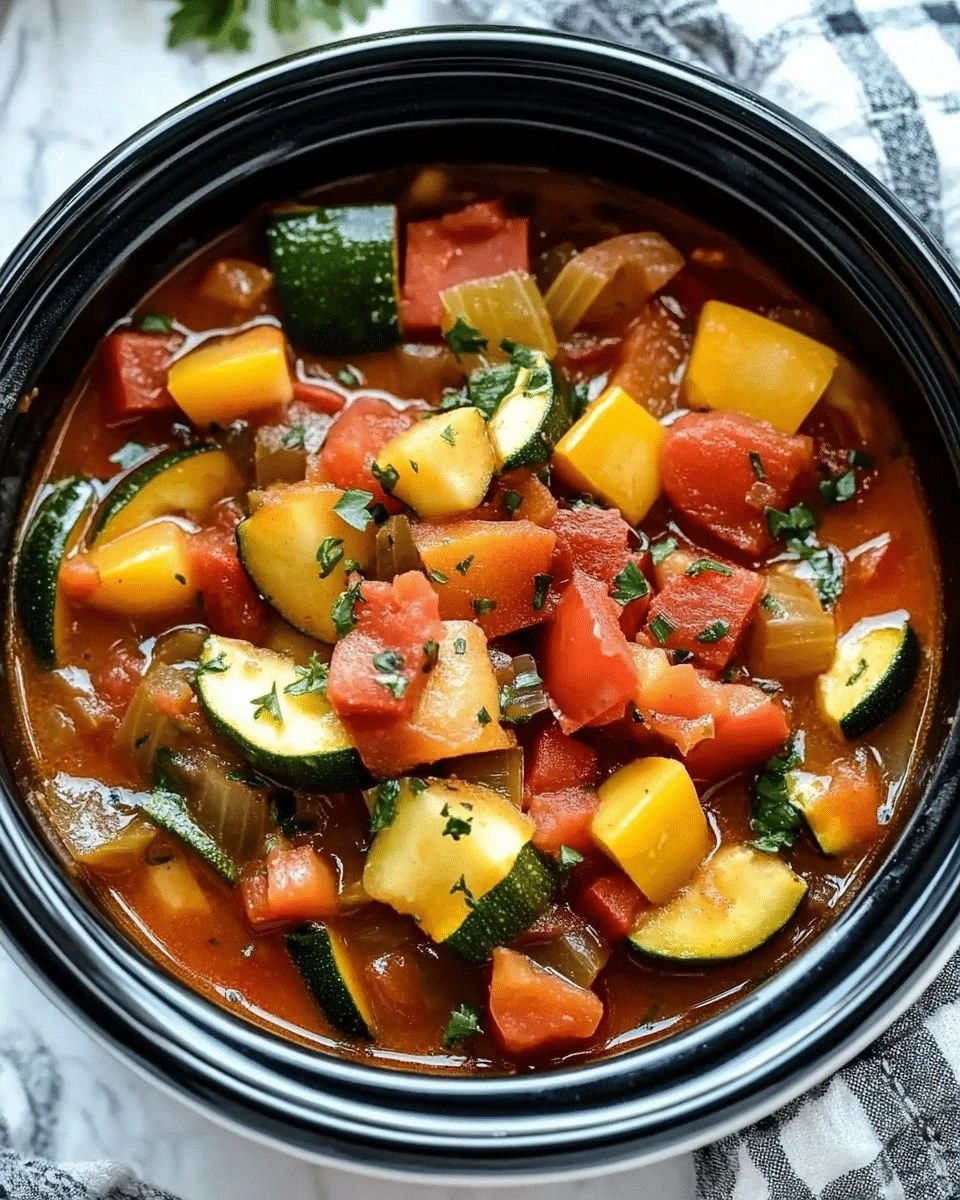
Picture the aroma of garlic sizzling, the bright splash of red and yellow peppers, and the gentle pop of tomatoes as they break apart, filling the air with a sweet, earthy perfume. The sound is a comforting crackle, the texture a symphony of tender crunch and silky broth, and the taste a harmonious blend of fresh vegetables, aromatic herbs, and a bright citrus lift. It’s the kind of stew that makes you forget you’re in a kitchen and feel like you’re strolling through a sun‑kissed garden. I’ve been telling people, “This is hands down the best version you'll ever make at home,” and they’ve been nodding in agreement.
What sets this stew apart isn’t just the ingredients—it’s the way they’re brought together. I’m talking about the way the vegetables retain their individual personalities while melting into a unified flavor profile, the way the broth is thickened by the natural starches of the veggies, and the subtle zing of lemon that lifts everything. Most recipes get this completely wrong by over‑cooking the veggies or using a generic vegetable broth that lacks depth. Here, we’re using a homemade blend of herbs and a touch of acidity to keep it bright. I’ll be honest—after a few trial runs, I ate half the batch before anyone else got a taste, and that’s how good it is.
Now, I’m going to walk you through every single step. By the end, you’ll wonder how you ever made it any other way. Let’s dive into the heart of the summer vegetable stew and uncover the secrets that make it unforgettable.
What Makes This Version Stand Out
- Flavor: The blend of fresh herbs and a splash of lemon creates a bright, vibrant profile that keeps the stew lively and refreshing.
- Texture: The careful timing of sautéing and simmering preserves the natural crunch of each vegetable, offering a satisfying bite in every spoonful.
- Simplicity: With just a handful of pantry staples and a few fresh items, you can craft a restaurant‑quality stew in under an hour.
- Uniqueness: The addition of chickpeas and a subtle citrus finish sets this recipe apart from the usual tomato‑based vegetable soups.
- Crowd Reaction: Friends and family rave about how the stew feels like a warm hug on a hot day—perfect for gatherings or a cozy night in.
- Ingredient Quality: Fresh, seasonal produce is the star, but the recipe is flexible enough to work with frozen or pre‑cut veggies if needed.
- Cooking Method: A single pot technique saves time and cleanup while building deep flavor layers.
- Make‑ahead Potential: The stew keeps well for up to three days in the fridge and freezes beautifully for later use.
Alright, let’s break down exactly what goes into this masterpiece…
Inside the Ingredient List
The Flavor Base
At the heart of any great stew lies a solid flavor base. In this recipe, it’s the aromatic combination of diced onions, minced garlic, and a splash of olive oil. The onions soften into a translucent, slightly caramelized sweet, while the garlic releases its punchy, fragrant oils. Together, they set the stage for the rest of the vegetables. If you skip this step, the stew will feel flat and lack depth, much like a plain pot of broth. For a twist, try adding a pinch of smoked paprika to the onions for a subtle smoky undertone.
The Texture Crew
The vegetables that make up the texture crew—carrots, zucchini, bell peppers, green beans, and corn—each bring their own bite and color. Carrots add a gentle sweetness and a firm bite, while zucchini offers a tender, almost silky feel. Bell peppers contribute crunch and a pop of color, and green beans keep the stew bright and crisp. Corn introduces a sweet, buttery note that balances the earthiness of the other veggies. Skipping any of these will alter the stew’s mouthfeel; for example, omitting carrots will make it less sweet, while leaving out corn will reduce that delightful burst of sweetness. If you’re craving a different texture, swap zucchini for eggplant or add sliced mushrooms for an umami boost.
The Unexpected Star
Chickpeas are the unexpected star of this stew. They add a creamy texture and a protein punch that turns a light soup into a filling, hearty dish. Chickpeas also absorb the herbs and broth, becoming a flavorful component in their own right. If you prefer a vegetarian version without chickpeas, you can replace them with diced tofu or a handful of lentils. Just remember that lentils will cook faster, so add them later in the simmering process to avoid over‑softening. The chickpeas also provide a subtle nutty flavor that complements the bright lemon finish.
The Final Flourish
The final flourish is a squeeze of fresh lemon juice and a handful of chopped basil. Lemon juice brightens the stew, cutting through the richness of the broth and the earthiness of the veggies. Basil adds a sweet, peppery finish that lingers on the palate. If you’re not a fan of basil, parsley or mint can be used as alternatives. The key is to add them at the very end so their delicate flavors aren’t lost to prolonged heat.
Everything's prepped? Good. Let's get into the real action…
The Method — Step by Step
- Heat a large, heavy‑bottom pot over medium heat. Add the two tablespoons of olive oil and let it shimmer. Once hot, drop in the diced onion. Sauté until the onion turns translucent and begins to soften, about 5 minutes. The onion should smell sweet, not burnt—this is the foundation of our flavor base.
- Add the minced garlic to the pot. Stir constantly for 30 seconds until the garlic releases its aroma but before it starts to brown. Garlic that turns golden can taste bitter, so keep the heat moderate. This step is the moment of truth for the stew’s aromatic depth.
- Introduce the sliced carrots, diced zucchini, and diced bell peppers. Cook, stirring occasionally, for about 4 minutes. The vegetables should start to soften but still hold their shape. This gives the stew a satisfying bite and layers of color. Watch the edges; they should pull away from the pot slightly, signaling they’re ready to move on.
- Pour in the halved cherry tomatoes, green beans, and corn kernels. Stir everything together, letting the tomatoes burst and release their juices, which will begin to form the stew’s base. The mixture should start to look glossy and fragrant. This is where the vegetables start to mingle in a harmonious dance.
- Add the four cups of vegetable broth, one teaspoon of dried thyme, one teaspoon of dried oregano, and the bay leaf. Bring the mixture to a gentle boil, then reduce the heat to low. Cover the pot and let it simmer for 20 minutes. The broth should thicken slightly as the vegetables release their starches. The aroma will become rich and inviting.
- Stir in the cooked chickpeas and a tablespoon of lemon juice. The chickpeas should heat through, absorbing the herbs and the lemon’s bright acidity. Taste the stew; it should have a balanced flavor—sweet, savory, and a hint of citrus. Adjust salt and pepper to taste, but remember that the bay leaf has already added a subtle earthiness.
- Remove the bay leaf. Let the stew continue to simmer uncovered for an additional 5 minutes, allowing the flavors to meld and the broth to reduce to a silky consistency. The vegetables should be tender yet firm, and the broth should cling to the back of a spoon.
- Taste again. If the stew needs a touch more brightness, add a splash more lemon juice or a pinch of salt. The final stir should be gentle—think of it as the last brushstroke on a masterpiece.
- Serve the stew hot, garnished with a handful of fresh basil leaves. The basil’s aroma will lift the dish and add a final pop of color. Pair it with crusty bread or a side of quinoa for a complete meal.
- Enjoy the comforting, vibrant flavors of summer, no matter the season. Remember, the key to a great stew is patience and attention to detail—don’t rush the simmering process. This stew is a testament to the power of simple, fresh ingredients.
That's it—you did it. But hold on, I've got a few more tricks that'll take this to another level…
Insider Tricks for Flawless Results
The Temperature Rule Nobody Follows
Most people think a stew just needs to “simmer,” but the temperature at which you simmer makes a huge difference. I always keep the heat low—just enough to keep a gentle bubble. This slow cooking allows the flavors to meld without breaking down the vegetables too quickly. A higher temperature can cause the broth to evaporate faster, concentrating the flavors too much and risking a bitter taste. I’ve tried it once on a hot summer day, and the stew came out too salty and dry. Lesson learned: keep it low and steady.
Why Your Nose Knows Best
Your nose is the best judge of when a stew is done. As the broth thickens, the scent will shift from sharp, raw vegetables to a warm, aromatic blend of herbs. When the aroma feels like it’s “calling” you, the stew is ready. I’ve had friends swear they’re ready to serve the stew when the smell was already full of basil and lemon. Trust your senses; don’t rely solely on the clock.
The 5-Minute Rest That Changes Everything
After you finish simmering, let the stew sit uncovered for five minutes before serving. This short rest allows the flavors to settle and the broth to thicken slightly. It also gives the vegetables a chance to absorb any remaining liquid, making each bite more cohesive. I once skipped this step and the stew felt watery; the rest makes all the difference.
Stirring Techniques for Evenness
Stirring isn’t just about preventing sticking—it’s about distributing heat and flavor. Use a long-handled spoon to stir gently, ensuring the broth coats every vegetable. A quick, vigorous stir can cause the vegetables to break apart. I’ve seen a friend’s stew turn into a mushy mess because they kept stirring too hard. Keep it gentle and steady.
Balancing Sweet and Savory
If you find the stew too sweet from the tomatoes and carrots, add a pinch of smoked paprika or a dash of balsamic vinegar to bring in a subtle savory note. Conversely, if it feels too salty, a splash of lemon juice or a touch of sugar can balance the flavors. I once added a teaspoon of sugar to counteract the bitterness from over‑cooked onions—sweetness worked like a charm.
Creative Twists and Variations
This recipe is a playground. Here are some of my favorite ways to switch things up:
Spicy Mexican Twist
Add a diced jalapeño, a handful of black beans, and a dash of cumin. Finish with a squeeze of lime and top with shredded cheddar. The result is a zesty, protein‑packed stew that feels like a bowl of enchiladas.
Indian Curry Flair
Replace the dried thyme and oregano with a teaspoon of garam masala and a pinch of turmeric. Stir in a tablespoon of coconut milk at the end and garnish with fresh cilantro. This version delivers warm, fragrant spices that transport you to the streets of Mumbai.
Italian Rustic Style
Swap the lemon juice for a splash of red wine vinegar, add a handful of chopped sun‑dried tomatoes, and finish with grated Parmesan. The stew takes on a comforting, Mediterranean vibe that pairs wonderfully with crusty Italian bread.
Vegan Protein Boost
Add a cup of cooked lentils or a scoop of protein powder (unflavored) to increase the protein content. This makes the stew hearty enough to serve as a main course even for the most demanding vegetarians.
Low‑Carb Version
Omit the corn and replace the chickpeas with diced cauliflower florets. The stew remains filling and flavorful while keeping carbs low, perfect for keto or low‑carb diets.
Storing and Bringing It Back to Life
Fridge Storage
Cool the stew to room temperature before transferring it to an airtight container. Store in the refrigerator for up to three days. When ready to reheat, add a splash of water or broth to restore moisture. The stew will be as vibrant as when it was first made.
Freezer Friendly
Portion the stew into freezer‑safe containers, leaving a bit of headspace. Freeze for up to three months. Thaw overnight in the fridge, then reheat on the stovetop with a splash of water. The vegetables may soften slightly, but the flavors remain intact.
Best Reheating Method
Reheat gently over medium‑low heat, stirring frequently. Add a small amount of water or broth to keep the stew from drying out. A quick 5‑minute simmer will bring it back to a piping hot, aromatic bowl ready to enjoy.