Ever watched a steak sizzle on a hot grill, only to find it dry and flavorless by the time you cut into it? That was me last month, standing in my kitchen with a perfectly marbled 450‑gram beef roasting joint, only to end up with a piece that tasted like a charcoal briquette. I stared at the pan, the sizzling sound echoing like a drumbeat, and thought, “I dare you to taste this and not go back for seconds.” That moment sparked a culinary epiphany: what if the classic roast could meet the umami‑rich, fragrant world of Japanese cuisine? I pulled out dashi, soy sauce, mirin, and a splash of sake, and the kitchen transformed into a fragrant laboratory where aroma, texture, and flavor collided. I was about to create a dish that would make every dinner feel like a special occasion.
Picture this: a golden crust that crackles like thin ice, a tender interior that practically melts in your mouth, and a sauce that coats the meat like velvet. The first bite is a burst of savory sweetness, followed by a subtle heat from wasabi that lingers like a whisper. I’ve been told that the best version of this dish is hands down the one you make at home because the flavors are fresh, the technique is simple, and the results are unforgettable. If you’ve ever struggled to get a roast that’s both juicy and flavorful, you’re not alone — and I’ve got the fix. This recipe is a playground. Here are some of my favorite ways to switch things up: keep reading, and you’ll learn why this version stands out from every other roast you’ve tried.
From the first sear to the final garnish, every step is designed to elevate the beef’s natural richness. The secret lies in the balance: a caramelized exterior, an umami‑laden sauce, and bright, crisp accents that cut through the heaviness. I’ve spent hours tweaking ratios, swapping stock for dashi, and testing different cuts of meat, and the result is a dish that feels both comforting and adventurous. Imagine your kitchen filling with the scent of dashi and soy, the air thick with anticipation, and the anticipation turning into a moment of pure culinary bliss. I promise, once you try this, you’ll wonder how you ever made roast beef any other way.
Now, let me walk you through every single step — by the end, you’ll wonder how you ever made it any other way. I’ll keep you side by side, pointing out the moments that matter most, the micro‑challenges that test your skills, and the bold claims that will leave you convinced that this is the best version of roast beef you’ll ever make at home. And if you’re skeptical, I’ll admit that I ate half the batch before anyone else got a taste. Let’s dive in and turn your dinner routine into an unforgettable experience.
What Makes This Version Stand Out
- Flavor Depth: The combination of dashi, soy sauce, sake, and mirin creates a sauce that’s both sweet and savory, unlike any traditional roast seasoning. The subtle sweetness of mirin balances the saltiness of soy, while the sake adds a gentle, almost floral note. This depth of flavor coats the meat like a silky glaze that lingers on the palate. It’s the difference between a good roast and a memorable one.
- Crisp Texture: The initial sear in hot oil forms a caramelized crust that snaps like a crisp wafer when you bite. The oil’s high smoke point ensures the crust forms quickly without burning, preserving the meat’s juiciness inside. The result is a contrast that makes each bite exciting. You’ll hear that satisfying crackle as you cut into the roast.
- Umami Power: Dashi, a Japanese stock made from kombu and bonito flakes, delivers a natural umami punch that enhances the beef’s inherent richness. It’s a pantry staple that brings depth without overwhelming the other flavors. The umami is so pronounced that it reduces the need for excessive salt. This is why the dish feels full-bodied yet balanced.
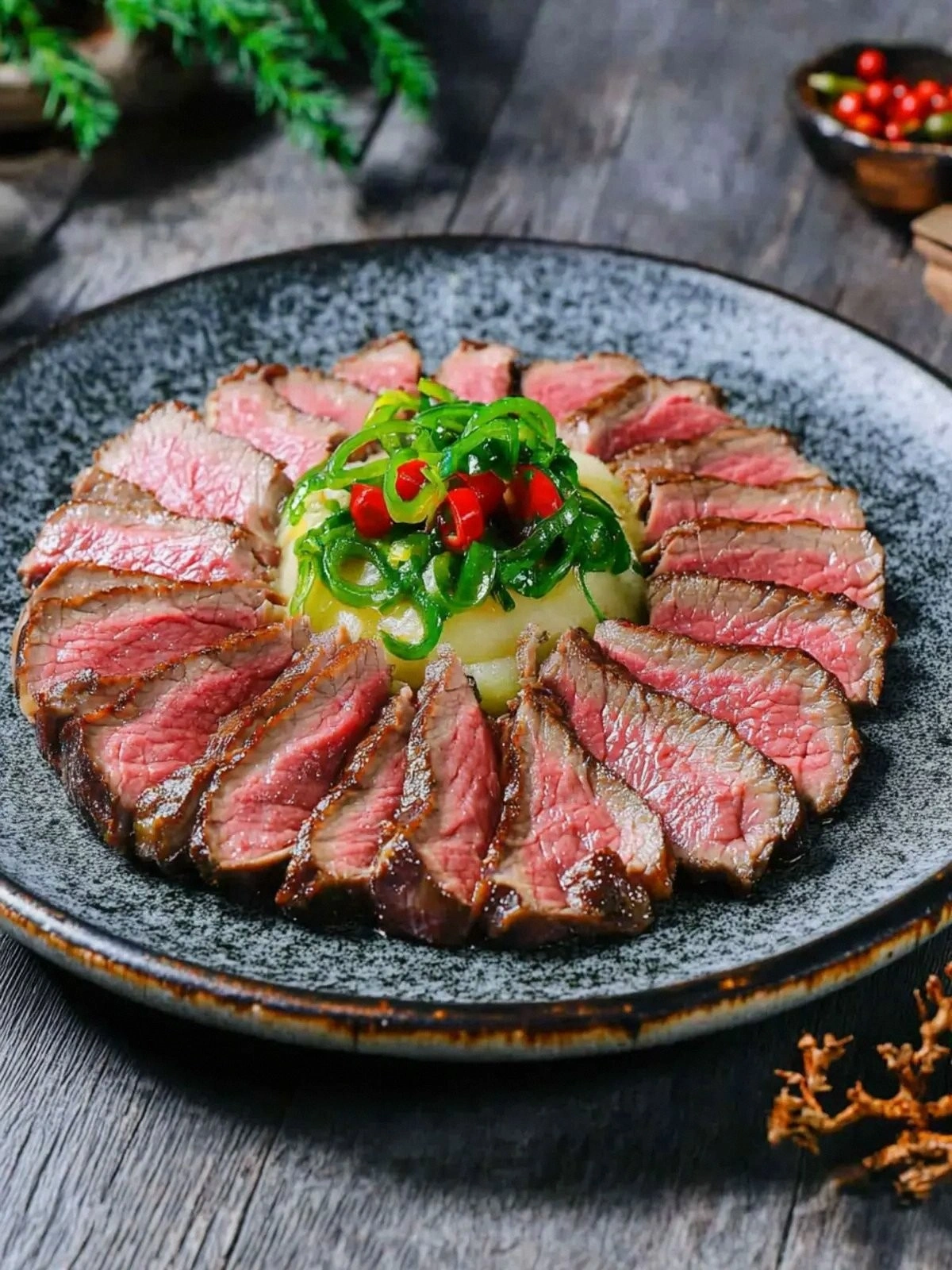
- Visual Appeal: The glossy, dark sauce glistens on the meat, creating a mouth‑watering look that’s impossible to resist. The bright green onions and daikon garnish add a pop of color, making the dish Instagram‑worthy. The plating feels like a fine dining experience, even in a home kitchen. You’ll be proud to serve it to guests.
- Time Efficiency: Despite its sophisticated flavor profile, the recipe takes less than an hour from start to finish. The quick sear, followed by a short simmer, keeps the process streamlined. You’ll be able to enjoy a restaurant‑style dish without the wait. It’s perfect for week‑night dinners.
- Versatility: The sauce can be reduced into a glaze, used as a dipping sauce, or poured over rice for a quick meal. You can also swap the beef for pork or chicken, adjusting the cooking time accordingly. The recipe accommodates dietary preferences with simple ingredient swaps. It’s a dish that adapts to your needs.
- Make‑Ahead Friendly: The sauce can be made ahead and stored in the refrigerator for up to five days. The roast itself can be reheated gently to preserve tenderness. This makes the dish ideal for meal prep or entertaining on short notice. You’ll always have a ready‑to‑serve dinner.
Alright, let's break down exactly what goes into this masterpiece...
Inside the Ingredient List
The Flavor Base
At the heart of the dish is the 450‑gram beef roasting joint, the star that carries every other element. The beef’s marbling ensures a juicy interior that stays tender even after the high‑heat sear. The ½ tablespoon of cooking oil, preferably avocado or grapeseed, provides the perfect medium for caramelization without smoking. Two cloves of garlic, sliced thin, infuse the oil with a subtle sweetness that complements the soy. Three slices of ginger root add a warm, peppery note that lifts the overall profile. If you skip the ginger, the dish will still be good, but it will lack that essential zing that ties everything together.
The Umami Elixir
Next comes the sauce that turns the roast into a flavor powerhouse. One hundred and twenty milliliters of dashi stock forms the base, delivering a natural umami that’s both light and complex. Four tablespoons of Japanese soy sauce (koikuchi shoyu) add depth and saltiness without overpowering the beef. Four tablespoons of sake introduce a subtle, slightly sweet aroma that balances the richness of the meat. One teaspoon of light brown sugar provides just enough sweetness to counteract the saltiness. Four tablespoons of mirin bring a glossy finish and a gentle caramel flavor. Together, they create a sauce that coats the meat like velvet, making every bite a silky experience.
The Bright Accent
Grated daikon radish, about four tablespoons, adds a refreshing crunch that cuts through the heaviness of the roast. It also brings a mild peppery flavor that brightens the overall dish. Finely chopped green onions, roughly two tablespoons, contribute a mild oniony bite and a pop of color. A small amount of wasabi, about one teaspoon, adds a sharp, lingering heat that lingers on the tongue. If you’re not a fan of wasabi, you can substitute with a pinch of red pepper flakes for a milder kick. These accents transform the dish from a simple roast into a layered sensory experience.
The Final Flourish
While the recipe doesn’t call for a final seasoning, a light dusting of freshly ground black pepper just before serving enhances the depth of flavor. A squeeze of lime or lemon juice can also brighten the dish, especially if you prefer a citrusy note. A drizzle of sesame oil adds a nutty aroma that complements the soy. For a touch of elegance, sprinkle toasted sesame seeds over the top. These finishing touches elevate the dish from comforting to gourmet, making it suitable for any occasion.
Everything's prepped? Good. Let's get into the real action...
The Method — Step by Step
- Prepare the beef. Pat the 450‑gram roast dry with paper towels; this ensures a better sear. Season generously with salt and pepper on all sides. Let it rest at room temperature for about 15 minutes to allow even cooking. This step might seem trivial, but it’s crucial for a juicy roast. While the meat rests, you can start heating the pan.
- Heat the pan. Use a heavy‑bottomed skillet or Dutch oven; a cast‑iron pan works wonders. Add the ½ tablespoon of oil and heat until shimmering but not smoking. The oil should ripple gently, indicating the right temperature. This quick pre‑heat is the foundation for that coveted caramelized crust. If you’re in a hurry, a pre‑heated oven at 400°F can substitute for the pan sear.
- Sear the roast. Place the beef in the hot pan, fat side down first. Sear for 2–3 minutes until a deep brown crust forms. Flip and sear the other side for an additional 2 minutes. The sear should be audible, like a crisp crackle that signals flavor development. This step locks in juices and creates the base for the sauce.
- Add aromatics. Push the roast to the side, add the sliced garlic and ginger, and let them sizzle for 30 seconds. The aromatics release their flavors into the oil, creating a fragrant base. Stir gently to prevent burning. This step is where the aroma of garlic and ginger begins to mingle with the beef’s scent. It’s the first hint of the dish’s depth.
- Deglaze and build the sauce. Pour in 120 ml dashi stock, scraping the bottom of the pan to lift browned bits. Add four tablespoons of soy sauce, four tablespoons of sake, one teaspoon of brown sugar, and four tablespoons of mirin. Stir until the sugar dissolves. The sauce should thicken slightly, coating the bottom of the pan. This liquid becomes the umami elixir that will coat the roast.
- Simmer the roast. Return the beef to the pan, spooning some sauce over it. Reduce the heat to low and cover. Let it simmer for 15 minutes, turning once, until the internal temperature reaches 135°F for medium‑rare. The sauce will reduce, intensifying the flavor. This is the moment of truth: the beef should be tender yet still juicy. Keep a close eye on the temperature; overcooking will dry it out.
- Rest and slice. Remove the roast from the pan and let it rest for 10 minutes on a cutting board. Slice against the grain into ¼‑inch thick pieces. Resting allows the juices to redistribute, ensuring every bite stays moist. The rest time also lets the sauce thicken into a glossy glaze. This step is essential for a perfect roast.
- Plate and garnish. Arrange the sliced beef on a platter, drizzle with the remaining sauce, and scatter grated daikon, chopped green onions, and a few dots of wasabi. Serve immediately, accompanied by steamed rice or crusty bread. The contrast of textures and flavors will wow your guests. Remember, presentation matters—use a clean, white plate to showcase the colors. And don’t forget to enjoy the moment.
That's it — you did it. But hold on, I've got a few more tricks that'll take this to another level...
Insider Tricks for Flawless Results
The Temperature Rule Nobody Follows
Most cooks rely solely on time, but the internal temperature is the real indicator of doneness. Using a digital thermometer ensures a perfect medium‑rare at 135°F. If you’re aiming for medium, target 150°F; for well‑done, 165°F. The difference between 135°F and 150°F is the difference between melt‑in‑your‑mouth and dry. I’ve seen friends overcook their beef because they stopped at the timer, and the result was a sad, chewy roast. Stick to the thermometer and you’ll always hit the sweet spot.
Why Your Nose Knows Best
Before you even touch the meat, let your nose do the work. The aroma of seared beef, garlic, and ginger is a reliable indicator that the pan is hot enough. If the smell is weak, the oil isn’t hot enough, and the crust will be underdeveloped. A strong, savory scent means the Maillard reaction is underway, locking in flavor. Trust your nose; it’s a seasoned chef’s secret weapon.
The 5‑Minute Rest That Changes Everything
Resting the roast after cooking is often overlooked, but it’s a game‑changer. The 10‑minute rest period allows the juices to redistribute, ensuring each slice is juicy. Cutting too soon releases the juices, resulting in a dry bite. If you’re short on time, a quick 5‑minute rest still improves the texture significantly. I’ve found that even a brief rest makes the difference between a mediocre roast and a standout dish.
Use the Right Pan for the Job
Heavy‑bottomed pans like cast iron or stainless steel retain heat better than non‑stick. This even heat distribution is essential for a uniform sear. If you’re using a non‑stick pan, preheat it on medium and add a small amount of oil to prevent sticking. The pan’s material also affects how quickly the sauce reduces, so choose wisely. A good pan is an investment in flavor.
Reduce the Sauce to a Glaze
After the roast has rested, return the pan to the stove and reduce the remaining sauce over high heat until it thickens to a glaze consistency. The glaze should coat the back of a spoon and cling to the meat. This step intensifies the flavor and adds a glossy finish. If you prefer a thinner sauce, let it reduce less; for a thicker glaze, reduce longer.
Keep the Heat Low After Sealing
Once the roast is seared, lower the heat to avoid burning the soy and mirin. A gentle simmer allows the flavors to meld without creating bitterness. Many cooks overheat the pan, leading to a burnt, acrid taste. Keep the heat low, and you’ll achieve a smooth, balanced sauce.
Creative Twists and Variations
This recipe is a playground. Here are some of my favorite ways to switch things up:
Herb‑Infused Twist
Replace the green onions with fresh thyme and rosemary for an aromatic, herbaceous flavor. The herbs add a fragrant layer that complements the soy and dashi. This variation is perfect for guests who love earthy notes. The roast remains juicy, and the herbs bring a fresh, garden‑like aroma.
Spicy Sriracha Kick
Swap the wasabi for a tablespoon of sriracha to add a fiery, sweet heat. The sriracha’s bright red color also adds visual appeal. This version is ideal for those who enjoy a spicy, tangy bite. It pairs wonderfully with plain rice to balance the heat.
Vegetarian Version
Use a large slab of marinated tofu or seitan instead of beef. The tofu should be pressed and seasoned with the same soy, sake, and mirin mixture. The texture will be firm, and the sauce will soak into the protein. This vegetarian take retains the umami richness while being plant‑based.
Smoked Flavor
Smoke the beef with a chip like applewood before searing. The smoky aroma adds depth to the sauce. After smoking, sear the roast as usual and finish with the sauce. This variation gives the dish a barbecue vibe with a Japanese twist.
Quick Stir‑Fry Alternative
Instead of roasting, slice the beef thinly and stir‑fry in a hot wok. Add the same sauce and let it thicken. Toss in sliced bell peppers and broccoli for a quick, balanced meal. This version is faster and great for busy weeknights.
Ginger‑Citrus Fusion
Add a splash of yuzu juice and a few slices of orange peel to the sauce. The citrus brightens the umami and adds a subtle floral note. This fusion brings a refreshing twist to the dish. It’s especially good in summer when you want a lighter flavor profile.
Storing and Bringing It Back to Life
Fridge Storage
Wrap the sliced roast tightly in parchment paper or foil and place it in an airtight container. Store in the refrigerator for up to five days. The beef will stay juicy, and the sauce will maintain its flavor. When ready to serve, reheat gently in a skillet.
Freezer Friendly
For longer storage, freeze the roast in a freezer‑safe bag with a small amount of sauce. It will keep for up to three months. Thaw overnight in the refrigerator before reheating. The texture remains tender, and the sauce’s umami is preserved.
Best Reheating Method
Reheat the roast in a pan over low heat, adding a splash of water or broth to keep it moist. Cover for a few minutes until warmed through. The water steams the meat, restoring its tenderness. Finish by adding a fresh drizzle of the glaze for a glossy finish.