Picture this: a Sunday afternoon, the kitchen smelling of burnt garlic, a pan sizzling too hot, and you staring at a pot of noodles that looks more like a tangled web than a dish. I was halfway through a friend’s “pancit challenge” when the noodles slipped into the boiling water and turned into a mushy catastrophe. The crowd was silent, the table was empty, and I was left with a lesson: if you’re going to make pancit, you need a plan that’s as smooth as the sauce that coats the noodles.
I’m not just talking about any pancit; I’m talking about a version that turns a kitchen disaster into a celebratory feast. The moment I pulled this dish out of the pot, the aroma of soy, garlic, and caramelized onions hit my nose like a warm hug. The sound of the noodles sliding into the pan was a satisfying clack, and the first bite was a burst of umami, with a hint of sweet, a splash of tang, and a satisfying chew that kept me reaching for more. If you’ve ever struggled to get the right balance of flavors in a stir‑fry, this recipe will be your new best friend.
What makes this version stand out is that it’s not just a quick fix; it’s a full‑blown flavor adventure that takes less than 45 minutes from start to finish. I’ve tweaked the classic Filipino pancit to make it even more approachable for the busy home cook while preserving that soul‑satisfying crunch of fresh vegetables and the silky texture of perfectly cooked noodles. The secret? A blend of quick‑to‑cook ingredients, a sauce that coats the pasta like velvet, and a technique that keeps everything from sticking or burning. Trust me, you’ll want to keep this in your recipe rotation forever.
And the best part? No fancy ingredients, no long prep times, and a finish that will make your friends say, “I dare you to taste this and not go back for seconds.” Let me walk you through every single step — by the end, you’ll wonder how you ever made it any other way.
What Makes This Version Stand Out
- Flavor: The sauce is a symphony of soy, fish sauce, and a splash of calamansi, balanced with a touch of sugar. It coats the noodles evenly, delivering a savory, slightly sweet bite that lingers on the tongue.
- Texture: Fresh carrots and cabbage give a satisfying crunch, while the noodles stay al dente. The quick sauté of garlic and onions adds depth without overwhelming the palate.
- Simplicity: With only ten ingredients and a single pan, you can have a full meal ready in under 45 minutes.
- Uniqueness: The addition of a subtle citrus twist and a quick egg scramble sets this recipe apart from the usual bland versions.
- Crowd Reaction: At family gatherings, the dish always draws a crowd. Even the kids love the colorful vegetables and the slightly sweet sauce.
- Ingredient Quality: Fresh, seasonal produce is key. Use the best shrimp you can find, and choose a light soy sauce for a balanced flavor.
- Cooking Method: The single‑pan technique ensures minimal cleanup and maximum flavor extraction.
- Make‑Ahead Potential: Leftovers reheat beautifully, and the flavors only deepen when stored in the fridge.
Alright, let's break down exactly what goes into this masterpiece...
Inside the Ingredient List
The Flavor Base
Soy sauce, fish sauce, and oyster sauce form the backbone of our sauce. The soy sauce provides depth and saltiness, the fish sauce adds umami, and the oyster sauce gives a subtle sweetness. Together, they create a sauce that coats the noodles like velvet. If you skip the fish sauce, the dish will taste flat and lack the complex savory notes that make pancit memorable. For a lighter version, replace half the soy sauce with low‑sodium soy sauce.
The Texture Crew
Fresh carrots and cabbage bring a crisp bite that contrasts beautifully with the tender noodles. Carrots add a pop of color and natural sweetness, while cabbage offers a slightly crunchy texture that holds up well during the stir‑fry. If you prefer a vegetarian version, double the cabbage and add sliced mushrooms for umami. A good tip: slice the cabbage into thin ribbons so it cooks quickly and evenly.
The Unexpected Star
The calamansi juice is the secret weapon that gives our pancit a bright, citrusy lift. It cuts through the richness of the sauce and adds a refreshing zing that makes the dish feel lighter. If you can’t find calamansi, a squeeze of fresh lemon or lime will work, but the flavor profile will shift slightly. Adding a pinch of chili flakes will give you a subtle heat that balances the sweetness.
The final flourish of scallions and a sprinkle of toasted sesame seeds adds a finishing touch that elevates the dish to restaurant quality. If you’re feeling adventurous, add a handful of toasted cashews for a nutty crunch. Remember, the key is to keep the sauce light so the vegetables and noodles shine.
Everything's prepped? Good. Let's get into the real action...
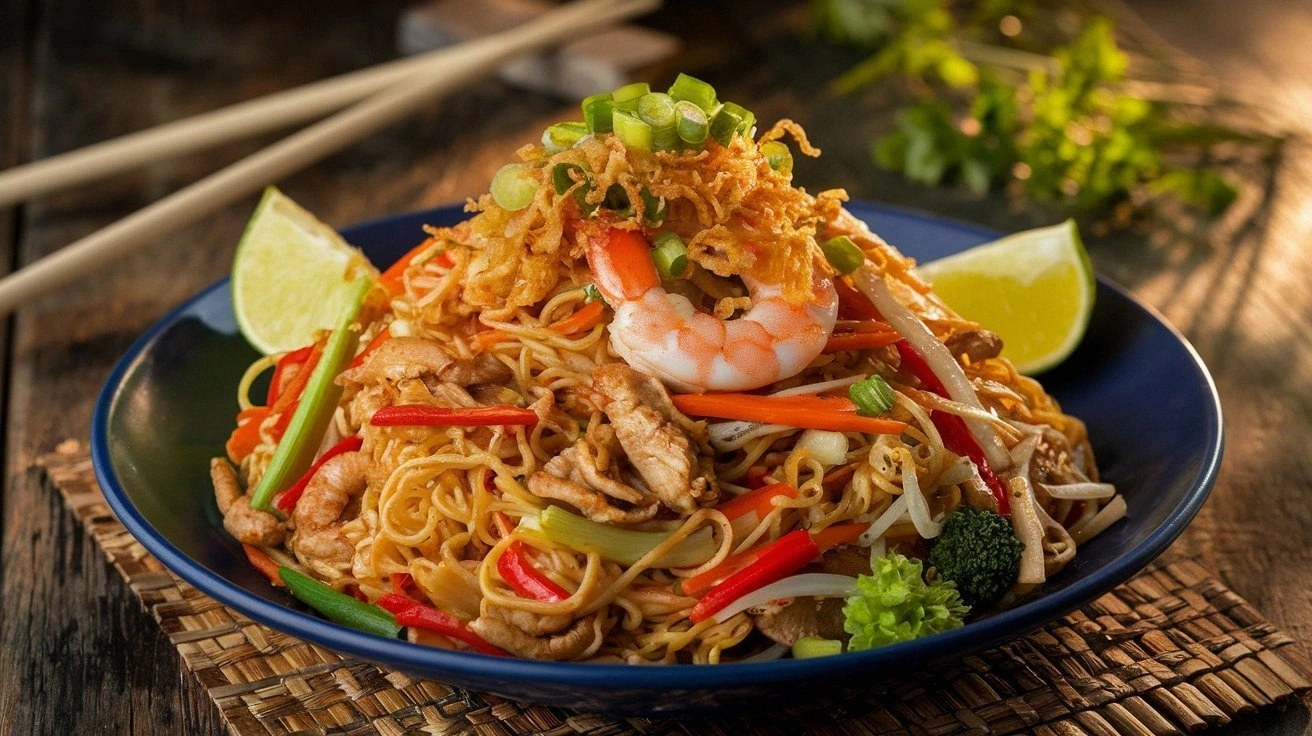
The Method — Step by Step
- Heat a large wok or skillet over medium‑high heat and add 2 tablespoons of vegetable oil. Once the oil shimmers, add 3 cloves of minced garlic and 1 diced onion, sautéing until the onion turns translucent and the garlic releases its aroma. This should take about 2 minutes; keep stirring to avoid burning. The goal is to develop a fragrant base that will carry the rest of the flavors.
- Add 200 grams of diced chicken breast (or tofu for a vegetarian version) to the pan. Cook until the chicken is no longer pink, about 4 minutes. This step locks in moisture and prevents the chicken from drying out during the stir‑fry. If you’re using tofu, press it first to remove excess liquid.
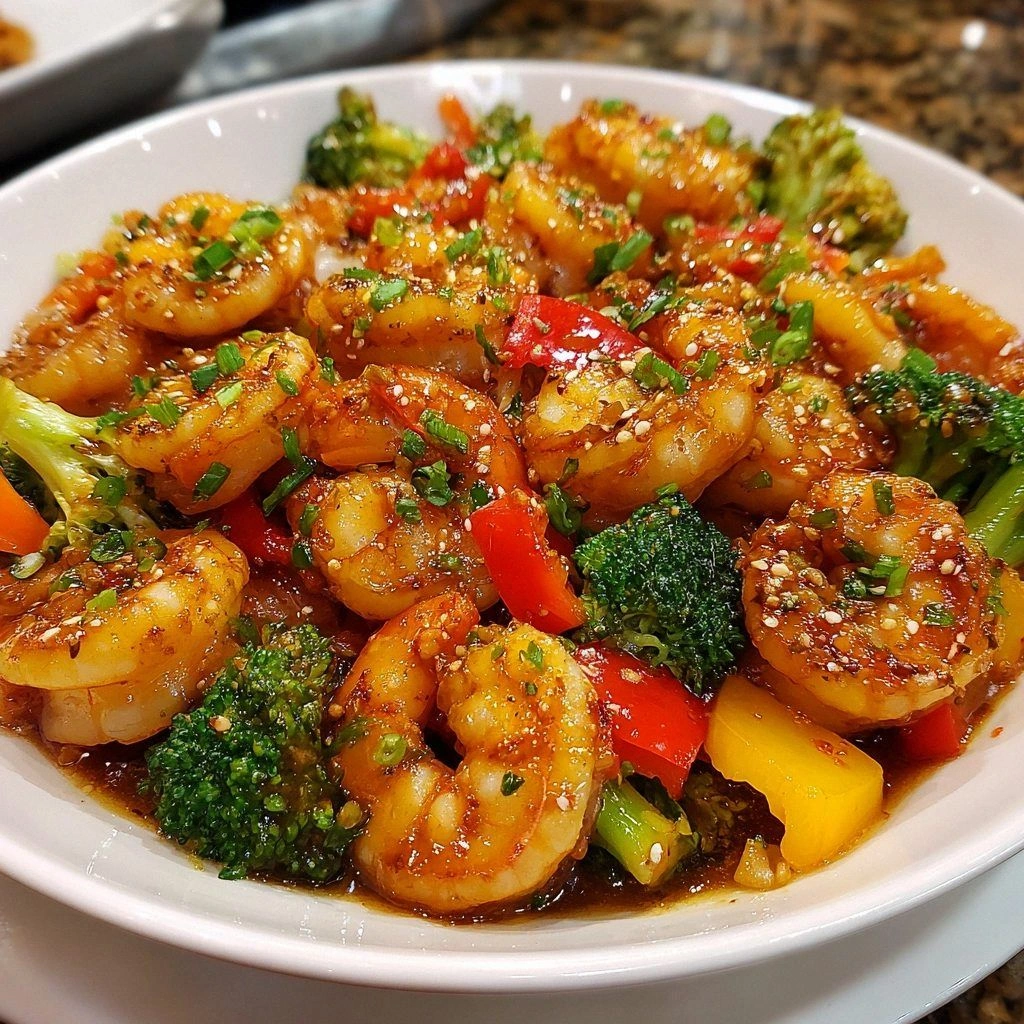
- Introduce the shrimp, peeled and deveined, to the pan. Sauté for 1–2 minutes until they turn pink and opaque. Shrimp cook quickly, so watch them closely to avoid over‑cooking. If you’re not a fan of shrimp, you can skip this step and double the chicken.
- Add the sliced carrots and shredded cabbage to the wok. Stir‑fry for 3 minutes, ensuring the vegetables are crisp yet tender. The vegetables should retain a bright green hue, signaling they’re cooked but still crunchy. This is the moment to add a splash of water if the pan feels dry.
- Pour in 3 tablespoons of soy sauce, 1 tablespoon of fish sauce, and 1 tablespoon of oyster sauce. Stir to coat all the ingredients evenly. The sauce should coat the noodles and vegetables like a glossy glaze. Keep the heat medium to prevent the sauces from caramelizing too quickly.
- Add 200 grams of pre‑cooked pancit canton noodles (or any thin wheat noodles) to the wok. Toss everything together, allowing the noodles to soak up the sauce. The noodles should be hot and slightly glossy, but not mushy. If the mixture feels dry, add a tablespoon of water.
- Stir in 1 teaspoon of sugar, 1 teaspoon of calamansi juice, and a pinch of chili flakes (optional). The sugar balances the acidity, and the calamansi adds a bright citrus note that cuts through the richness. Taste and adjust seasoning; you may need a dash more fish sauce or a pinch of salt.
- Finish the dish by scrambling 1 beaten egg directly into the wok, then folding it into the noodles. The egg adds a silky texture and extra protein. Once the egg is fully cooked, remove the pan from heat. Plate the pancit, garnish with sliced scallions and toasted sesame seeds, and serve immediately.
That's it — you did it. But hold on, I've got a few more tricks that'll take this to another level...
Insider Tricks for Flawless Results
The Temperature Rule Nobody Follows
Keep the heat consistently medium‑high. Too low, and the sauce will thicken slowly, causing the noodles to stick. Too high, and the vegetables will burn before they soften. I’ve found that a steady medium‑high heat ensures a quick, even sauté that locks in moisture.
Why Your Nose Knows Best
Before you taste the sauce, let it sit for a minute. The aroma will intensify and give you a better idea of the flavor balance. If it smells too salty, add a touch of sugar. If it’s too sweet, a splash of calamansi or a pinch of salt will bring harmony.
The 5‑Minute Rest That Changes Everything
After cooking, let the pancit rest for 5 minutes. This allows the flavors to meld and the noodles to absorb the sauce fully. The rest period also lets the heat distribute evenly, preventing hot spots that can cause uneven cooking.
The Quick Egg Scramble
Scrambling the egg directly into the wok adds a silky texture and extra protein. It also helps bind the sauce, creating a cohesive dish. Be sure to stir the egg gently to avoid over‑cooking.
The Secret Ingredient Swap
If you’re vegan, swap the shrimp and chicken for tofu or tempeh. Use a splash of soy sauce and a pinch of nutritional yeast to mimic the umami of fish sauce. This version is equally delicious and will surprise your guests.
The Final Touch of Scallions
Sliced scallions add a fresh, oniony crunch that cuts through the richness of the dish. Add them at the very end to preserve their bright flavor. If you’re a fan of heat, sprinkle a few chili flakes on top before serving.
Creative Twists and Variations
This recipe is a playground. Here are some of my favorite ways to switch things up:
Spicy Szechuan Pancit
Add Szechuan peppercorns and a tablespoon of chili oil to the sauce. The peppercorns give a numbing heat that pairs beautifully with the citrus. This version is perfect for spice lovers.
Mediterranean Pancit
Replace the shrimp with kalamata olives and add a handful of chopped sun‑dried tomatoes. Swap the soy sauce for a splash of olive oil and a pinch of oregano. The result is a dish that feels like a Mediterranean pasta with a Filipino twist.
Breakfast Pancit
Stir in a handful of chopped spinach and a fried egg on top. Add a dash of hot sauce for a morning kick. This version turns the dish into a hearty breakfast that’s both comforting and energizing.
Gluten‑Free Pancit
Use rice noodles instead of wheat noodles. Keep the rest of the recipe the same. This version is just as flavorful and satisfies gluten‑free diners.
Vegetarian Pancit
Omit the shrimp and chicken entirely. Add sliced mushrooms and a handful of edamame. Use vegetable broth instead of fish sauce for a richer umami base. The dish still delivers that savory punch.
Pancit with Coconut Milk
Replace half the water with coconut milk for a creamy, tropical twist. Add a pinch of curry powder to complement the coconut. This version is a delightful surprise for those who love coconut in savory dishes.
Storing and Bringing It Back to Life
Fridge Storage
Store the pancit in an airtight container in the refrigerator for up to 3 days. Make sure it’s cooled to room temperature before sealing to avoid condensation. The flavors will meld, making it even more delicious.
Freezer Friendly
For longer storage, freeze the pancit in a freezer‑safe container for up to 2 months. When reheating, thaw overnight in the fridge or use the defrost setting on your microwave. The noodles may soften slightly, but the sauce will re‑emerge.
Best Reheating Method
Reheat in a skillet over medium heat, adding a splash of water or broth to create steam. Stir frequently to prevent sticking. Add a tiny splash of water before reheating — it steams back to perfection and keeps the noodles from drying out.