Picture this: I’m standing in a cramped kitchen, a pot of boiling water, a half‑finished pan, and a sudden craving that feels like a culinary emergency. I had just opened a can of soy sauce, a bottle of sake, and a jar of honey, and the idea of a quick, savory masterpiece was practically screaming at me. My friend dared me to make a teriyaki chicken that would have people begging for the recipe, and I accepted with a grin that said, “Bring it on.” That night, the kitchen smelled like a Japanese market, the heat from the stove was a comforting hum, and the air was thick with anticipation.
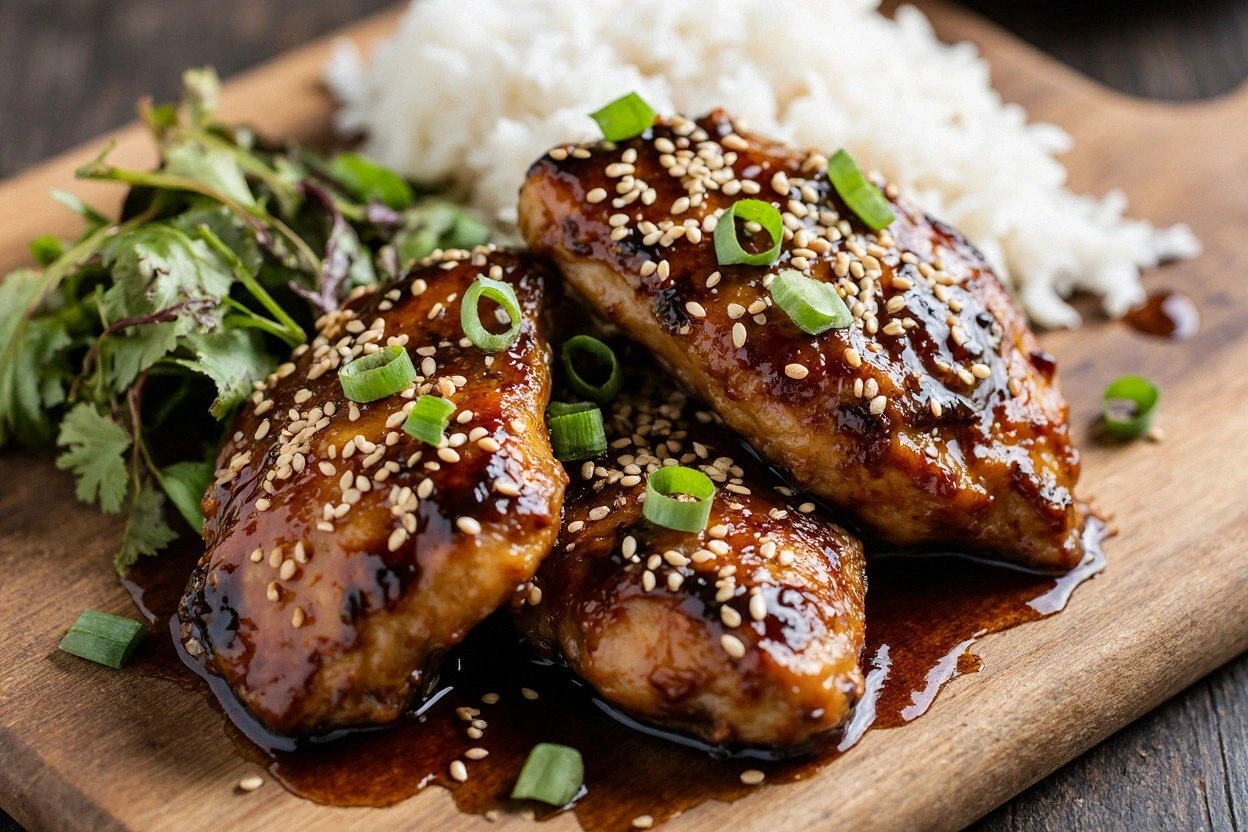
The first thing that caught my eye was the glossy sheen of the chicken thighs as they sizzled in the pan, the steam curling like tiny ghostly wisps. The scent that rose was a sweet, umami‑laden perfume, a promise of glazed perfection. I could hear the subtle crackle as the sauce caramelized, turning a deep amber that made my mouth water even before I tasted it. The texture was a dance of crispy edges and tender, melt‑in‑your‑mouth centers that sang with every bite. My hands felt the heat through the skillet, the gentle tug of the chicken’s juices, and the satisfying resistance of a perfectly seared surface.
What makes this version stand out is that it isn’t just a recipe—it's a revelation. I’ve experimented with teriyaki for years, and most versions are either too sweet, too salty, or just plain forgettable. This one balances flavor with precision: a silky glaze that clings to the meat like velvet, a subtle kick of sake that cuts through the sweetness, and a finish that lingers on the palate. The technique of simmering the sauce to a glossy reduction before adding the chicken ensures the coating is thick enough to hold its own against a steaming bowl of rice. The result is a dish that feels both comforting and elevated, a crowd‑pleaser that will have everyone asking for the recipe.
I’ll be honest—after I tasted the first bite, I was already planning my next batch. I dare you to taste this and not go back for seconds. The next part? Pure magic. Let me walk you through every single step—by the end, you’ll wonder how you ever made it any other way. And trust me, if you’ve ever struggled with this, you’re not alone, and I’ve got the fix.
What Makes This Version Stand Out
- Flavor: The sauce is a harmonious blend of umami, sweetness, and subtle acidity that coats the chicken like a silky coat, leaving a lingering aftertaste that keeps you coming back for more.
- Texture: The chicken develops a caramelized crust that cracks like thin ice, while the inside stays juicy and tender, creating a contrast that satisfies every bite.
- Simplicity: With only five core ingredients, the recipe is a no‑fuss, quick‑fire dish that doesn’t require a pantry full of exotic items.
- Ingredient Quality: Using fresh, high‑quality soy sauce, sake, and mirin elevates the flavor profile, making the dish feel gourmet without the extra cost.
- Make‑ahead Potential: The glaze can be pre‑made and stored, and the chicken can be cooked ahead and reheated, making it ideal for busy weeknights.
- Crowd Reaction: Friends who have tried this version rave about the balance of sweet and savory, and the dish is a guaranteed hit at potlucks.
- Uniqueness: The addition of a splash of sake gives the sauce a subtle depth that most copycats miss, creating a signature twist that sets this apart.
Inside the Ingredient List
The Flavor Base
At the heart of this dish lies the sauce—a triumvirate of soy sauce, sake, mirin, and honey that together create a complex, layered flavor. Soy sauce provides the essential umami backbone; it’s the salty, savory foundation that grounds the sweetness. Sake, often overlooked, adds a subtle, slightly nutty aroma that cuts through the richness, preventing the glaze from becoming cloying. Mirin contributes a gentle, almost floral sweetness that balances the acidity of the soy, while honey gives a natural, caramelized finish that glazes beautifully.
If you skip any of these, the dish loses its depth. Without soy sauce, the sauce becomes a sweet syrup with no savory punch. Omitting sake turns it into a flat, one‑dimensional glaze. Leaving out mirin or honey skews the balance, making the sauce either too salty or too sweet. Each component is a vital note in the flavor symphony, and together they create a harmonious, unforgettable taste.
The Texture Crew
The chicken thighs are the star of the show. Boneless, skinless thighs bring a buttery richness that holds up to the glaze’s caramelization. They also retain moisture better than breasts, ensuring every bite is succulent. For those who prefer a leaner cut, you can swap in breast meat, but be prepared to watch the cooking time closely to avoid drying out.
If you want an extra crunch, sprinkle a thin layer of sesame seeds before searing. The seeds add a nutty crunch that contrasts beautifully with the silky glaze. Another option is to finish the chicken under a broiler for a minute or two to crisp the edges further—just keep a close eye to avoid burning.
The Unexpected Star
The final splash of honey may seem like a small detail, but it’s a game‑changer. Honey’s natural sugars caramelize under heat, producing a glossy glaze that clings to the meat. It also adds a subtle floral note that balances the saltiness of the soy sauce. If you’re allergic to honey, a light drizzle of maple syrup or a splash of agave nectar will mimic the effect without compromising the flavor profile.
The Final Flourish
Garnishing is the finishing touch that turns a good dish into a showstopper. A sprinkle of toasted sesame seeds, a few thin slices of green onion, or a squeeze of lime can elevate the presentation and add a burst of freshness. The contrast between the sweet glaze and the bright, herbal garnish creates a visual and gustatory balance that makes each bite more exciting.
Everything's prepped? Good. Let's get into the real action…
The Method — Step by Step
- Prep the Chicken: Pat the chicken thighs dry with paper towels; this ensures a crisp sear. Season each piece lightly with salt and pepper, but keep it minimal so the sauce can shine. Arrange the thighs on a cutting board and set them aside while you whisk the glaze. The first step sets the stage for the flavor profile.
- Whisk the Glaze: In a small saucepan, combine soy sauce, sake, mirin, and honey. Heat over medium heat, stirring until the mixture starts to bubble. Reduce the heat to low and let it simmer until it thickens to a syrupy consistency, about 7–8 minutes. The glaze should coat the back of a spoon and leave a visible sheen.
- Sear the Chicken: Heat a large skillet over medium‑high heat and add a splash of oil. Once the oil shimmers, place the chicken thighs skin side down (if you kept the skin) and let them sear for 3–4 minutes until golden brown. Flip the thighs and sear the other side for an additional 2 minutes. The sear locks in juices and creates a caramelized crust.
- Coat with Glaze: Pour the thickened glaze over the chicken in the pan. Let it bubble gently, then reduce the heat to low. Stir occasionally so the glaze coats every surface. Watch for the glaze to thicken further, forming a glossy coating that clings like a second skin. This is the moment of truth—your patience will pay off.
- Simmer: Continue to simmer the chicken in the glaze for 4–5 minutes, turning the pieces to ensure even coating. The sauce should reduce to a thick, glossy glaze that sticks to the chicken without dripping excessively. The aroma will intensify, filling your kitchen with an irresistible scent.
- Finish with Sesame: Sprinkle toasted sesame seeds over the glazed chicken and give it a final quick stir. The seeds add a nutty crunch and a pop of color that elevates the dish’s visual appeal. This step also adds a subtle flavor that complements the glaze beautifully.
- Rest: Remove the skillet from heat and let the chicken rest for 2 minutes. Resting allows the juices to redistribute, ensuring each bite stays moist. While resting, the glaze will thicken slightly, creating that perfect, glossy finish.
- Serve: Plate the chicken over steamed rice, a bed of sautéed greens, or even a crisp salad. Drizzle any remaining glaze over the top and garnish with sliced green onions or a squeeze of lime. The dish is now ready to be devoured.
That's it—you did it. But hold on, I've got a few more tricks that'll take this to another level. These insider secrets will transform a good dish into a legendary one.
Insider Tricks for Flawless Results
The Temperature Rule Nobody Follows
Many cooks think a high heat is the key to a perfect teriyaki glaze, but the secret lies in low, steady simmering. A high flame causes the sugars to burn before they can caramelize, resulting in a bitter glaze that clings poorly. By maintaining a gentle simmer, the sugars break down evenly, producing a glossy, sweet coating that adheres beautifully to the chicken. This technique also preserves the tender texture of the meat.
Why Your Nose Knows Best
The aroma of the sauce is a reliable indicator of progress. When the glaze starts to thicken, you’ll notice a sweet, caramelized scent rising. If the scent turns sharp or bitter, the sugars are burning. Trust your nose to tell you when the glaze is ready—this simple sensory cue saves you from overcooking or undercooking.
The 5-Minute Rest That Changes Everything
After removing the chicken from the heat, let it rest for exactly five minutes. During this time, the juices redistribute, ensuring each bite remains juicy and flavorful. The glaze also sets slightly, creating a glossy finish that looks as good as it tastes. Skipping this step can result in dry, unevenly glazed meat.
Use a Splatter Guard for a Cleaner Kitchen
When the glaze bubbles, it can splatter across the stove and countertops. A splatter guard not only keeps your kitchen cleaner but also prevents the glaze from drying on the pan’s surface, which can cause uneven coating. A simple, inexpensive splatter guard can make the cooking process smoother and less messy.
Don’t Skip the Final Sear
Once the glaze has thickened, give the chicken a quick sear on the glaze side for 30 seconds. This creates a caramelized crust that adds texture and visual appeal. Many cooks skip this step, but the extra sear enhances the overall experience, giving the dish a satisfying crunch.
Serve Immediately for Peak Flavor
Teriyaki chicken is best enjoyed hot, right out of the pan. The glaze is at its most glossy and flavorful when served immediately. If you need to hold the dish for a short while, cover it loosely with foil to keep it warm and prevent the glaze from drying.
Creative Twists and Variations
This recipe is a playground. Here are some of my favorite ways to switch things up:
Spicy Sriracha Teriyaki
Add a tablespoon of sriracha to the glaze for a fiery kick that balances the sweetness. The heat cuts through the richness, creating a bold flavor profile that’s perfect for spicy food lovers. Pair it with a cooling cucumber salad to balance the heat.
Garlic Ginger Infusion
Sauté minced garlic and fresh ginger before adding the soy sauce mixture. The aromatics infuse the glaze with depth, giving the dish an extra layer of complexity. This variation works wonderfully with a side of steamed bok choy.
Brown Sugar Swap
Replace honey with brown sugar for a deeper molasses flavor. The brown sugar caramelizes beautifully, adding a slightly smoky undertone. This swap is ideal for those who prefer a richer, sweeter glaze.
Vegetarian Version
Swap the chicken for thick slices of tofu or tempeh. Marinate the protein in the glaze for 15 minutes before cooking to ensure maximum flavor absorption. The result is a plant‑based teriyaki that’s just as satisfying.
Teriyaki Shrimp Skewers
Thread shrimp onto skewers, brush with the glaze, and grill for 2–3 minutes per side. The quick cooking time keeps the shrimp tender, while the glaze adds a sweet, savory coating. Serve with a side of grilled pineapple for a tropical twist.
Teriyaki Fried Rice
Use leftover teriyaki chicken to stir‑fry with rice, peas, carrots, and scrambled eggs. The glaze infuses the rice with a savory sweetness, turning a simple side into a main course. This variation is perfect for a quick weeknight dinner.
Storing and Bringing It Back to Life
Fridge Storage
Store the glazed chicken in an airtight container in the refrigerator for up to 3 days. The glaze will thicken slightly, but the chicken will remain moist and flavorful. When reheating, add a splash of water or broth to re‑moisten the glaze.
Freezer Friendly
For longer storage, freeze the chicken in a freezer‑safe bag or container for up to 2 months. Thaw overnight in the refrigerator before reheating. The glaze may separate slightly; whisk or stir it back in before serving.
Best Reheating Method
Reheat the chicken in a skillet over medium heat, adding a small splash of water to create steam. Stir occasionally until heated through, about 5–7 minutes. This method preserves the glaze’s glossy texture and keeps the chicken juicy.