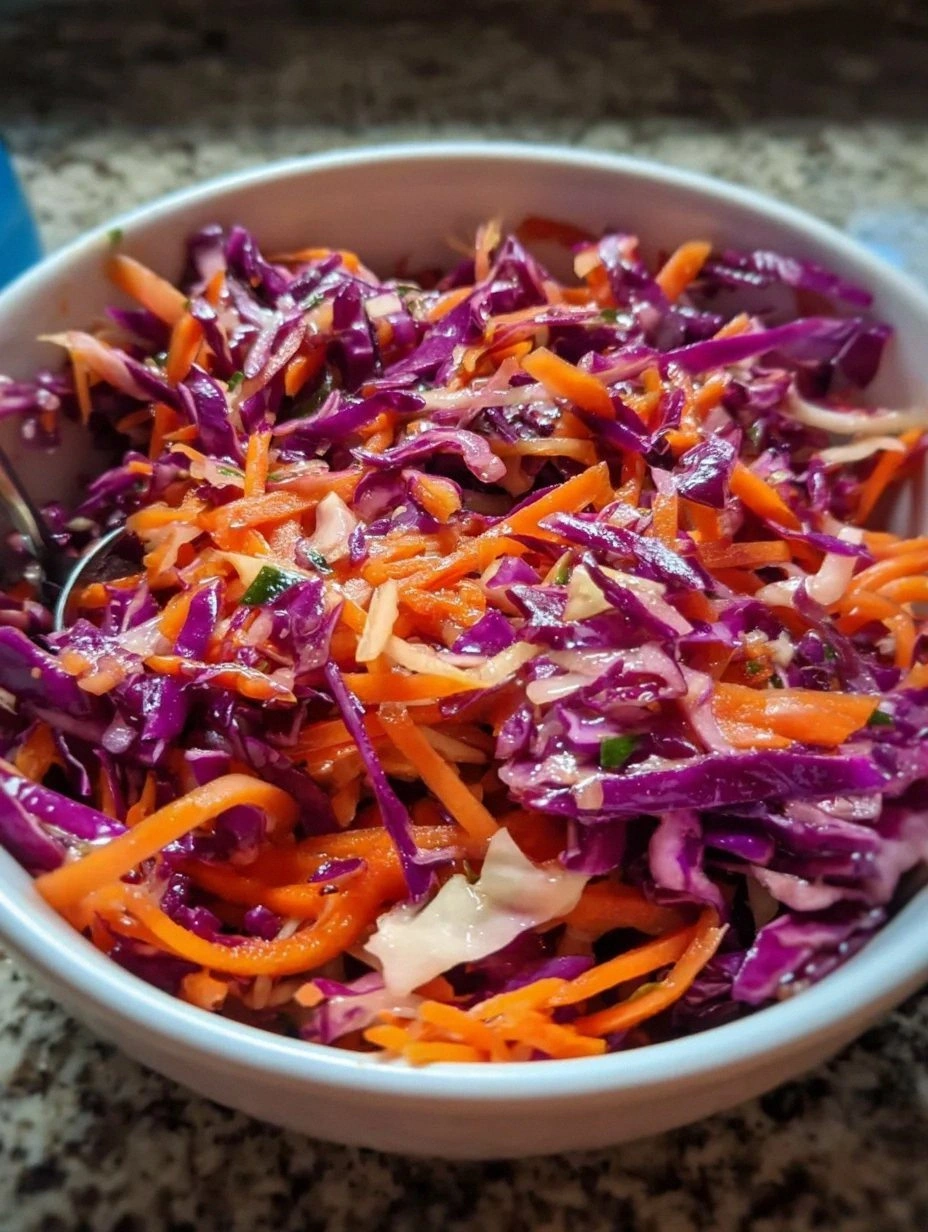
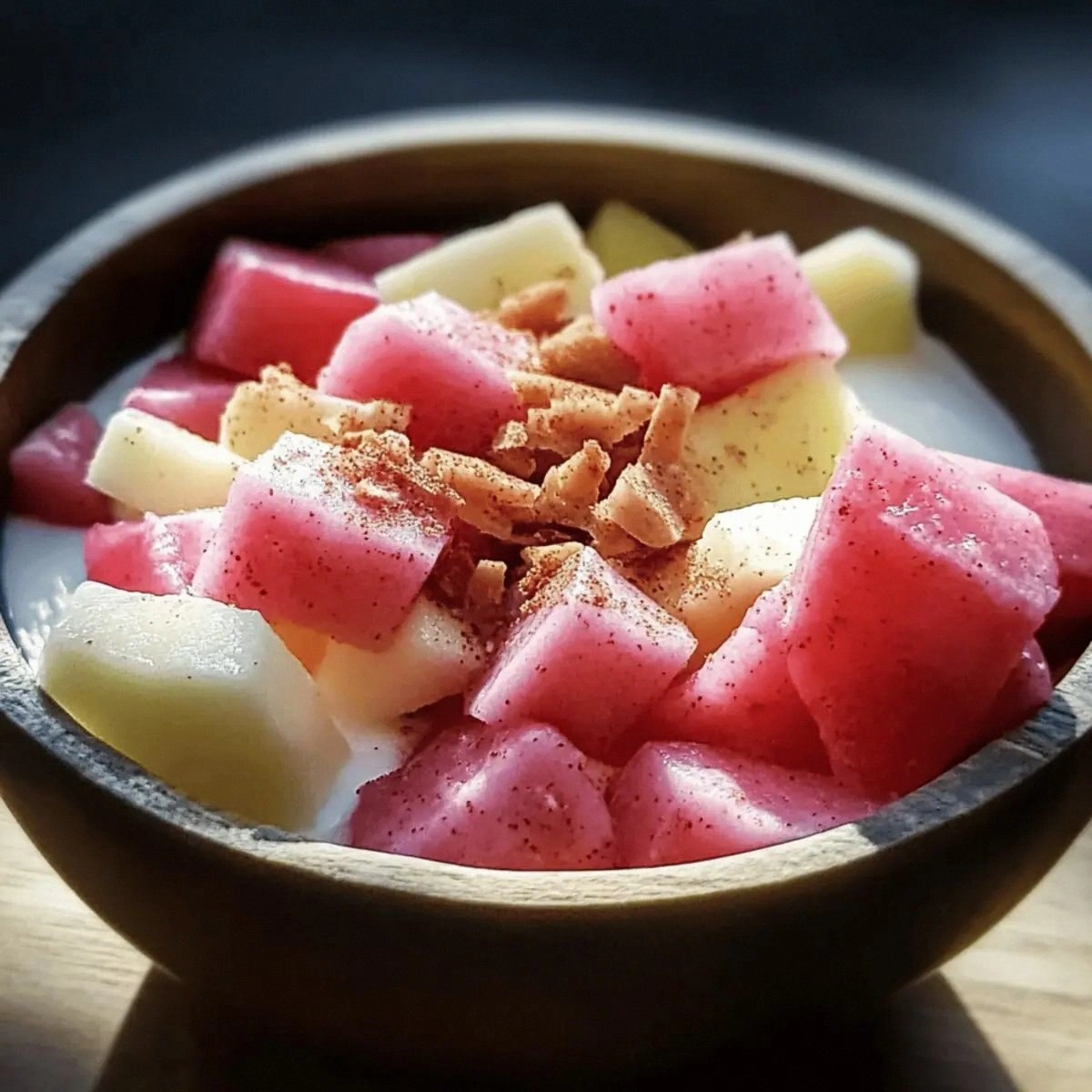
Holiday Swirl Chocolate Bark
Picture this: a winter evening, the kitchen lights flickering like a fireplace, and the scent of chocolate drifting through the air. I was halfway through a batch of cookie dough when a friend dared me to make something that would make everyone’s taste buds do a happy dance. The result? A swirl of dark and white chocolate, punctuated with crunchy pecans, dried cranberries, and a whisper of sea salt that made the whole house feel like a holiday wonderland. I was instantly hooked, and I couldn’t wait to share every single detail with you, because honestly, this is hands down the best version you’ll ever make at home. Let me walk you through every single step — by the end, you’ll wonder how you ever made it any other way.
When I first cracked the first chocolate chip, the kitchen filled with a caramelized aroma that made my mouth water. The dark chocolate melted into a glossy river, while the white chocolate formed a silky ribbon that clung to the pan like velvet. The sound of the chocolate bubbling was a gentle hiss, a prelude to the crunch of toasted pecans that would soon join the party. The sight of the glossy swirl was a visual feast, and the first bite was a burst of sweet, salty, and nutty flavors that danced on the palate. The texture was a perfect balance: the chocolate was smooth and silky, the nuts were crunchy, and the cranberries added a tart pop that lifted the whole experience.
Most recipes get this completely wrong by over-melting the chocolate or under-seasoning the sea salt. The trick is to melt the chocolate just enough to coat the pan without burning it, and to add the salt at the right moment so it dissolves into a subtle undertone. I dare you to taste this and not go back for seconds, because the flavor profile is so well-balanced that you’ll find yourself reaching for more with every bite. The result is a bark that feels luxurious yet approachable, making it a perfect treat for holiday parties or a cozy night in. If you’ve ever struggled with chocolate bark, you’re not alone — and I’ve got the fix that turns a simple snack into a showstopper.
The real magic lies in the swirl technique, which creates a ribbon of flavor that looks as good as it tastes. I’ll reveal a little secret that most people overlook: using a silicone spatula to create a marbled effect that locks in the chocolate’s natural sheen. By the time the bark sets, you’ll have a glossy, edible masterpiece that’s as Instagram-worthy as it is delicious. Picture yourself pulling this out of the pan, the whole kitchen smelling incredible, and watching the chocolate glaze catch the light. This isn’t just a recipe; it’s a holiday tradition waiting to happen, and I’m thrilled to guide you through every twist and turn.
What Makes This Version Stand Out
- Taste: The combination of dark and white chocolate provides a rich, layered sweetness that is complemented by the subtle saltiness of sea salt. The orange zest adds a bright citrus note that cuts through the richness, leaving a lingering freshness that keeps the palate engaged.
- Texture: The bark delivers a delightful contrast between the silky chocolate base, the crunchy pecans, and the chewy cranberries. Each bite offers a different sensory experience, from smooth melt to satisfying snap.
- Simplicity: With only ten ingredients and a straightforward melt-and-scrape technique, this recipe is accessible to beginners while still delivering gourmet results.
- Uniqueness: The swirl design and the addition of orange zest give this bark a festive flair that sets it apart from classic chocolate bark recipes.
- Crowd Reaction: Guests rave about the vibrant appearance and the harmonious balance of sweet, salty, and citrus flavors. The bark is perfect for gifting or as a centerpiece at holiday gatherings.
- Ingredient Quality: Using high‑grade dark chocolate (70% cacao) and premium white chocolate ensures a smooth melt and a deep flavor profile that elevates every bite.
Alright, let's break down exactly what goes into this masterpiece…
Inside the Ingredient List
The Flavor Base
Dark chocolate chips (2 cups) form the foundation of this bark, offering a robust, slightly bitter undertone that balances the sweetness of the white chocolate. When selecting dark chocolate, look for a cacao content of at least 70% to ensure a rich, complex flavor profile. Skipping dark chocolate would leave the bark too sweet and lacking depth. If you prefer a smoother texture, you can substitute the chips with finely chopped bars, but be sure to melt them gently to avoid bitterness.
White chocolate chips (1 cup) add a creamy, buttery sweetness that contrasts beautifully with the dark chocolate. Choose a high‑fat white chocolate to achieve a silky melt that coats the pan without separating. If you’re allergic to dairy, a dairy‑free white chocolate can be used, though it may slightly alter the texture. The key is to melt the white chocolate slowly, stirring constantly, to preserve its glossy sheen.
The Texture Crew
Chopped pecans (1 cup) contribute a crunchy, nutty element that provides a satisfying bite. Toast the pecans in a dry skillet until fragrant, then let them cool before adding them to the bark. If you’re looking for a different nut profile, walnuts or almonds work well, though the flavor will shift slightly.
Dried cranberries (1 cup) bring a tart, chewy burst that cuts through the chocolate’s richness. They also add a pop of color that enhances the visual appeal. For a sweeter version, you can substitute dried apricots or cherries, but keep the quantity consistent to maintain balance.
The Unexpected Star
Orange zest (2 teaspoons) infuses the bark with a bright citrus aroma that lifts the chocolate’s heaviness. Use a microplane to zest a fresh orange, avoiding the bitter white pith. If you’re a fan of mint, a pinch of crushed peppermint candy (½ cup) can replace the zest for a holiday twist.
Mini marshmallows (1 cup) add a playful, chewy texture and a hint of sweetness that pairs well with the nuts and cranberries. They also help bind the bark together, ensuring it stays intact when broken. If you want a healthier option, use sugar‑free marshmallows or omit them entirely for a lighter bite.
The Final Flourish
Sea salt (pinch) provides a subtle savory note that enhances the chocolate’s flavor. A small amount is enough to elevate the overall taste without overpowering the sweetness. If you prefer a saltier bark, increase the pinch to a quarter teaspoon, but keep an eye on the balance.
Edible glitter (1 tablespoon) adds a touch of sparkle that makes the bark feel festive. Sprinkle the glitter over the bark immediately after it sets to ensure it sticks. For a more natural look, you can use a dusting of powdered sugar instead.
Butter (2 tablespoons) is the secret to achieving a glossy finish and a buttery sheen that makes the bark irresistible. Add the butter in the last minute of melting, stirring until fully incorporated. If you’re avoiding dairy, a splash of coconut oil can provide a similar effect.
Everything's prepped? Good. Let's get into the real action…
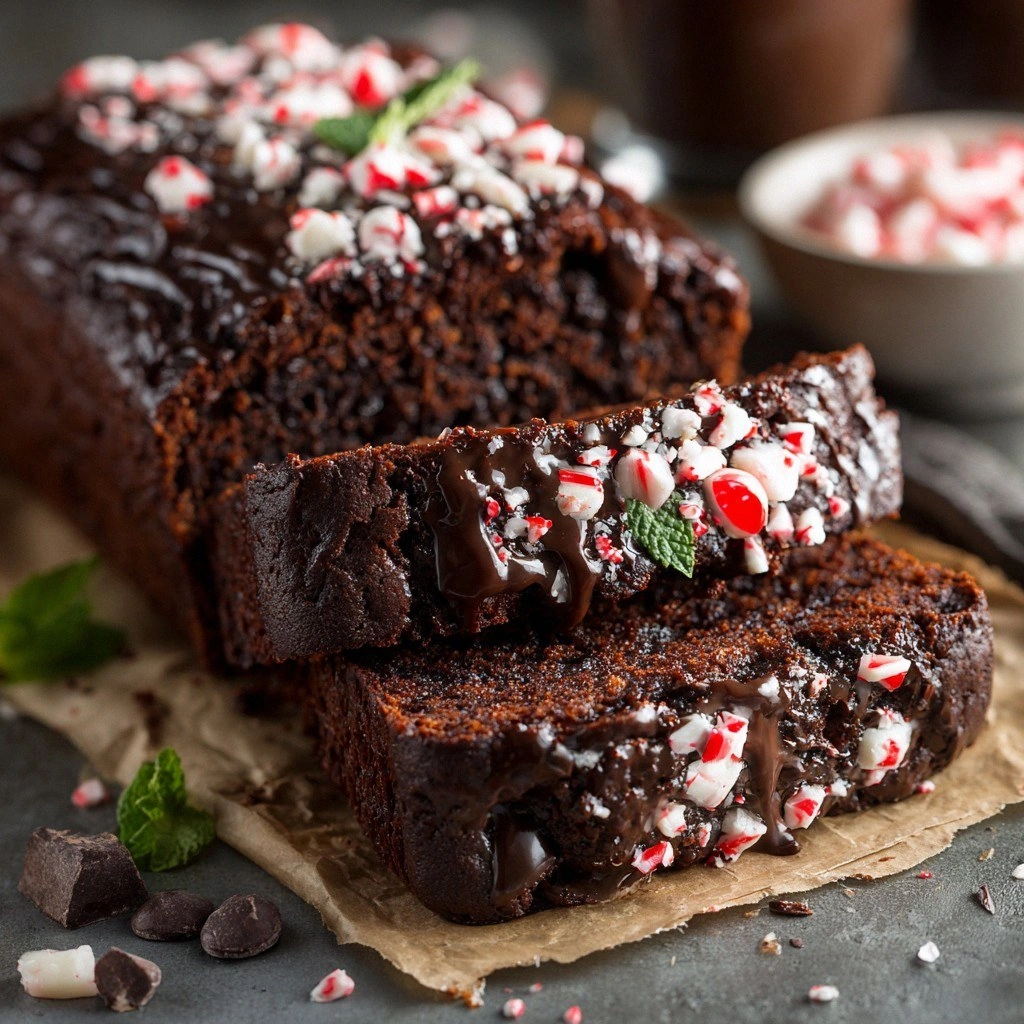
The Method — Step by Step
- Place the dark chocolate chips in a heat‑proof bowl set over a pot of simmering water, creating a gentle double boiler. Stir constantly until the chocolate is fully melted and glossy, which should take about 3-4 minutes. Watch the chocolate’s temperature carefully; it should stay below 120°F to prevent scorching. This is the moment of truth: if the chocolate bubbles, it’s too hot and will seize. Once melted, remove the bowl from the heat and set aside.
- Add the white chocolate chips to the melted dark chocolate, stirring until the mixture turns a uniform light brown color. The white chocolate should be melted gently to avoid separation; keep the temperature under 130°F. As the white chocolate incorporates, the mixture will develop a smooth, creamy consistency. If it looks thick, add a splash of heavy cream to thin it out. Once combined, set the bowl aside again.
- Allow the chocolate to cool slightly, about 2-3 minutes, until it thickens enough to hold its shape but still pliable. This is crucial for the swirl effect; if it’s too thick, the chocolate will crack when you stir. At this point, add the sea salt and stir until fully dissolved. The salt will create a subtle contrast that elevates the chocolate’s flavor.
- Add the orange zest (or peppermint candy) to the chocolate and stir until evenly distributed. The zest should release its oils, giving the bark a bright citrus aroma. If you prefer a minty flavor, replace the zest with crushed peppermint candy at this stage. The mixture should smell fragrant and inviting.
- Stir in the chopped pecans, dried cranberries, and mini marshmallows, ensuring each ingredient is evenly coated. The nuts should be toasted in the chocolate, giving them a slightly caramelized flavor. The cranberries will soften slightly, releasing their juices and adding a subtle sweetness. The marshmallows will melt just enough to bind the mixture together.
- Pour the chocolate mixture onto the parchment‑lined sheet, spreading it into a 12-inch square. Use a spatula to create a gentle swirl pattern, swirling the chocolate in a counterclockwise motion. The swirl should be visible, with ribbons of dark and white chocolate interlacing. This visual trick makes the bark look like a holiday masterpiece.
- Add the butter in the last minute of melting, stirring until fully incorporated. The butter will give the bark a glossy sheen and a buttery finish that makes it irresistible. Let the bark cool at room temperature until it hardens, about 30 minutes. Once set, break the bark into irregular pieces and store in an airtight container.
That's it — you did it. But hold on, I've got a few more tricks that'll take this to another level…
Insider Tricks for Flawless Results
The Temperature Rule Nobody Follows
Many bakers assume that any melted chocolate will do, but temperature is the secret weapon. Keep the chocolate between 110°F and 120°F for dark chocolate and 120°F and 130°F for white chocolate. This ensures a silky texture and a glossy finish. If you’re using a thermometer, aim for the sweet spot; if you don’t have one, test the chocolate by dipping a spoon into it — it should slide off smoothly and not leave a film.
Why Your Nose Knows Best
Smell the chocolate as it melts. A warm, nutty aroma indicates that the chocolate is at the right temperature. If the scent is faint or metallic, it’s either too hot or not melted enough. A strong chocolate smell means you’re on the right track. Trust your nose; it’s the most reliable indicator of chocolate quality.
The 5-Minute Rest That Changes Everything
After adding the butter, let the chocolate rest for 5 minutes before stirring. This allows the butter to fully incorporate, giving the bark a richer flavor and a smoother texture. Skipping this step can result in a greasy bark that clumps. I’ve seen this happen when people rush the process; the result is a less-than-ideal finish.
Use Parchment, Not Wax Paper
Parchment paper provides a non‑stick surface that’s easy to lift the bark off once set. Wax paper can stick to the chocolate, making it difficult to break the bark into pieces. If you don’t have parchment, line the sheet with a silicone baking mat for a similar effect.
Don’t Forget the Finish
Right after the bark sets, dust it lightly with edible glitter or a pinch of sea salt to enhance the visual appeal. The glitter catches the light, while the salt adds a subtle crunch. This finishing touch turns a simple bark into a holiday centerpiece.
Keep It Cool
Store the bark in a cool, dry place. If you live in a humid climate, keep it in an airtight container to prevent the chocolate from blooming. The bark will stay fresh for up to two weeks when stored properly.
Creative Twists and Variations
This recipe is a playground. Here are some of my favorite ways to switch things up:
Minty Winter Wonderland
Replace the orange zest with crushed peppermint candy for a minty, festive flavor. Add a handful of crushed candy cane pieces for extra crunch. This version is perfect for holiday parties and pairs well with hot cocoa.
Nutty Caramel Crunch
Swap the pecans for caramelized almonds and add a splash of caramel sauce to the chocolate mixture. The caramel will coat the nuts, creating a sweet, buttery crunch that’s irresistible. This variation is great for dessert platters.
Berry Burst
Use fresh or frozen blueberries instead of dried cranberries. The berries will release their juices, adding a natural sweetness and a pop of color. This version is lighter and works well for a springtime gathering.
Spiced Chocolate Bark
Add a pinch of cinnamon, nutmeg, and a dash of cayenne pepper to the chocolate mixture. The spices will give the bark a warm, spicy kick that’s perfect for winter evenings. The flavor profile is complex and deeply satisfying.
Almond Joy Twist
Replace the pecans with toasted almonds and add shredded coconut to the mix. The coconut adds a tropical note, while the almonds provide a nutty crunch. This version is reminiscent of the classic candy bar.
Chocolate Sea Salt Caramel
Drizzle a thin layer of caramel sauce over the set bark before breaking it into pieces. The caramel will add a sweet, buttery layer that pairs wonderfully with the sea salt. This variation is ideal for a sophisticated dessert spread.
Storing and Bringing It Back to Life
Fridge Storage
Place the bark in an airtight container and store it in the refrigerator for up to a week. The cold temperature keeps the chocolate firm and prevents blooming. When you’re ready to serve, let the bark sit at room temperature for 10 minutes to soften slightly.
Freezer Friendly
Wrap the bark tightly in plastic wrap, then place it in a freezer bag. It will stay fresh for up to three months. Thaw in the refrigerator overnight, then allow it to come to room temperature before cutting. This method preserves the bark’s texture and flavor.
Best Reheating Method
To revive a cold bark, place a few pieces in a microwave-safe bowl and heat on low for 10-15 seconds. Add a tiny splash of water before reheating to create steam that softens the chocolate without melting it completely. This trick brings back the bark’s original snap and aroma.