I remember the night it all went wrong. I was trying to impress my roommate with a quick Thai dish, but the kitchen turned into a chaotic jungle of simmering pots and burning oil. The green curry paste had exploded, coating the walls like a stubborn paint job, and the tofu ended up as a rubbery, flavorless block. I stared at the mess, feeling like a culinary disaster, and swore I’d never again trust a recipe that tasted like a forget‑tale. That night, I vowed to create a version that would not only taste amazing but also feel like a triumph after every stir.
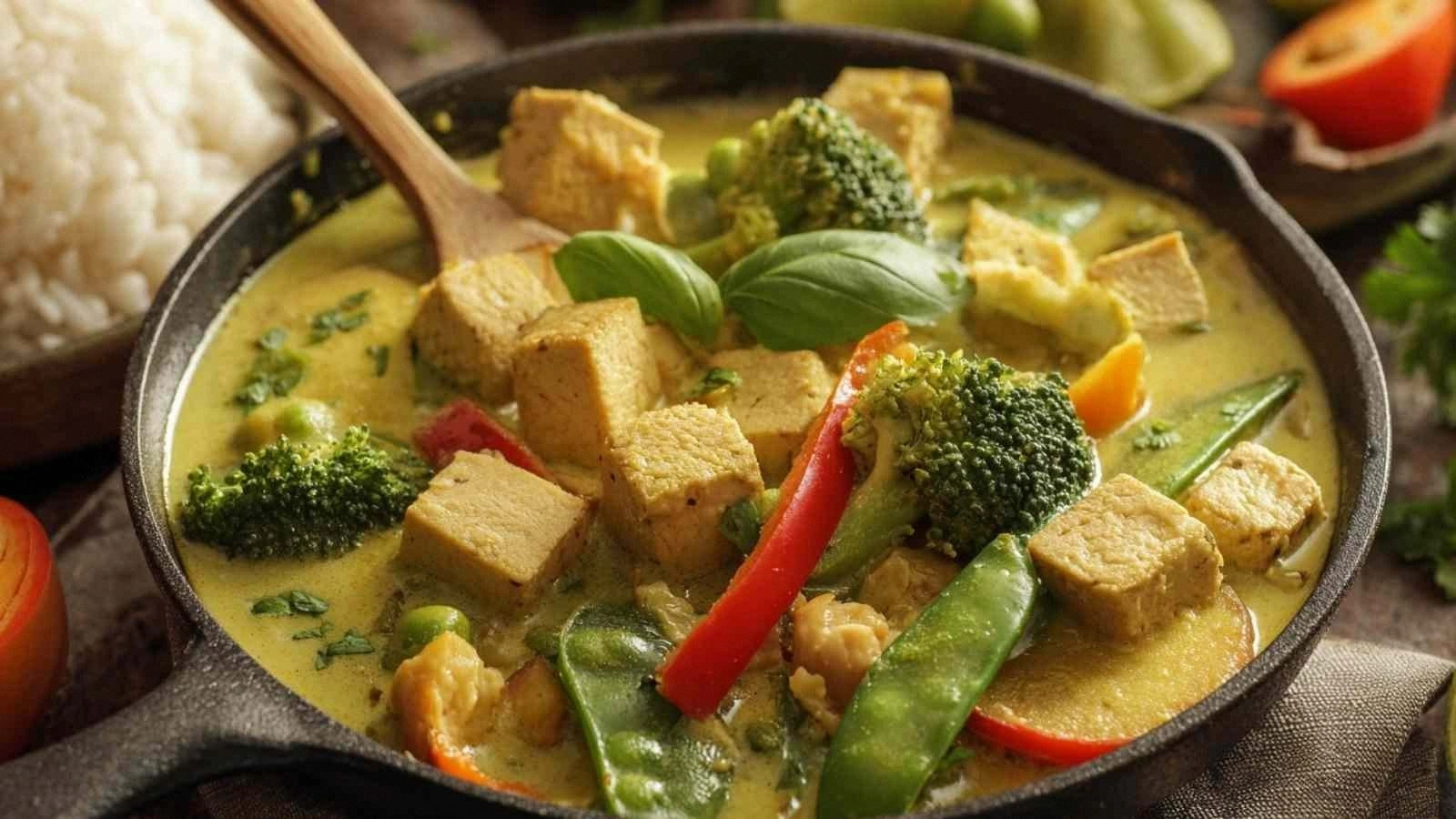
Fast forward a few weeks, and I’ve been simmering this high‑protein vegan Thai green curry in my kitchen, and each time it smells like a tropical rainforest on a humid summer evening. The aroma of coconut milk mingles with the sharp, peppery bite of green curry paste, while the gentle hiss of the pan creates a soundtrack that makes me want to dance. When the first spoonful hits my tongue, the creamy coconut embraces the spicy kick like a warm hug, and the chickpeas and tofu give a satisfying chew that feels like a hearty hug from a friend. The sight of the bright green sauce swirling against the pale broccoli florets is almost hypnotic—like a living painting that invites you to taste it.
What makes this version stand out is that every ingredient has a purpose, and nothing is left to chance. I’ve replaced the usual white rice with a protein‑rich quinoa base that keeps the dish filling without drowning in carbs. The tofu is pressed and pan‑seared to a golden crust before being tossed into the sauce, so it retains its shape and delivers a delightful contrast between the crispy edges and the silky interior. The chickpeas add a subtle nutty flavor and a protein punch that makes this dish a full‑blown meal rather than a side. And the final touch—fresh basil and a squeeze of lime—brightens everything, turning the curry into a vibrant, refreshing experience.
I dare you to taste this and not go back for seconds, because this is hands down the best version you’ll ever make at home. Picture yourself pulling this out of the pot, the whole kitchen smelling incredible, and friends gathering around just to get a taste. The technique I’ll reveal involves a quick sear that locks in flavor, a secret stir that prevents the sauce from separating, and a finishing touch that makes the curry sing. Let me walk you through every single step—by the end, you’ll wonder how you ever made it any other way.
What Makes This Version Stand Out
- Taste: The balance between sweet, salty, and spicy is finely tuned. The maple syrup lifts the curry’s heat without overwhelming the coconut’s richness, creating a harmonious flavor profile that feels like a tropical sunrise.
- Texture: The tofu is pan‑seared to a crisp edge, while the chickpeas remain tender and slightly chewy, offering a satisfying bite that keeps the dish from feeling mushy.
- Simplicity: Only eight pantry staples plus fresh produce are needed, making it a go‑to meal for busy weeknights without sacrificing depth.
- Uniqueness: The use of firm tofu instead of paneer or shrimp, and the addition of chickpeas, transforms a classic green curry into a protein‑packed, plant‑based powerhouse.
- Crowd Reaction: Friends who are usually skeptical about vegan meals rave about the depth of flavor and the comforting, familiar texture of the tofu.
- Ingredient Quality: Full‑fat coconut milk provides a silky mouthfeel, while the fresh green curry paste brings authentic Thai heat.
- Cooking Method: A quick sear, followed by a gentle simmer, locks in flavors and prevents the sauce from becoming watery.
- Make‑ahead Potential: The curry can be prepped in advance, reheated without losing flavor, and even frozen for future meals.
Alright, let’s break down exactly what goes into this masterpiece…
Inside the Ingredient List
The Flavor Base
Coconut oil or vegetable oil is the first thing you heat, giving the dish a subtle nutty backdrop. It also prevents the curry paste from sticking and scorching. If you’re watching calories, swap coconut oil for a light olive oil; the flavor will still be lush, but with fewer saturated fats.
Thai green curry paste is the heart of this dish. It’s a blend of green chilies, lemongrass, galangal, and a host of aromatic spices. If you can’t find a store brand, make your own by grinding fresh chilies, lemongrass, garlic, and shallots in a food processor. The homemade version will have a brighter, more vibrant flavor.
Full‑fat coconut milk brings a creamy richness that balances the heat. It’s thicker than light coconut milk, so it coats the vegetables and tofu like velvet. If you prefer a lighter version, use a mix of coconut milk and cashew cream.
Vegetable broth adds depth without diluting the sauce. It helps to thin the curry just enough so it’s pourable but still thick enough to cling to the veggies. If you’re vegan, ensure the broth is free from animal gelatin.
The Protein Crew
Firm or extra‑firm tofu is the protein powerhouse. It’s dense enough to hold its shape during cooking and absorbs the curry’s flavors like a sponge. Pressing the tofu removes water, which prevents the curry from becoming watery.
Chickpeas are the unexpected star. They add a nutty undertone and a chewy texture that contrasts nicely with the soft tofu. Use canned chickpeas for convenience, but rinse them well to remove excess sodium.
The Vegetable Ensemble
Broccoli florets bring a mild bitterness that balances the sweetness of the coconut milk. They also provide a satisfying crunch if you leave them slightly undercooked.
Red bell pepper adds a splash of color and a sweet, juicy bite that complements the heat of the curry paste. Slice it into thin strips so it cooks quickly and keeps its bright hue.
The Final Flourish
Soy sauce or tamari gives the dish umami depth. Choose tamari if you’re sensitive to gluten, as it’s naturally gluten‑free.
Maple syrup or sugar provides a gentle sweetness that tames the spice. A teaspoon is enough to balance the flavors without making the dish overly sweet.
A half lime, juiced, adds a fresh citrus kick that lifts the entire dish. The acidity also helps to brighten the coconut milk’s richness.
Fresh basil or cilantro is the garnish that ties everything together. It adds a herbaceous note and a burst of color that makes the dish feel alive.
Everything’s prepped? Good. Let’s get into the real action…
The Method — Step by Step
- Heat the coconut oil in a large skillet or wok over medium heat. Once the oil shimmers, add the Thai green curry paste and sauté for 1–2 minutes until it releases its aromas. The paste should look almost translucent, indicating it’s fully blended into the oil.
- Add the full‑fat coconut milk and vegetable broth to the pan. Stir until the mixture is smooth and begins to simmer gently. This step is crucial for creating a silky sauce that coats every ingredient.
- Drop in the cubed tofu. Use a spatula to gently stir, ensuring the tofu pieces are evenly coated. Let the tofu cook for about 5 minutes, allowing it to absorb the curry flavors while the edges start to crisp.
- Introduce the chickpeas, broccoli florets, and sliced red bell pepper. Stir well so everything is submerged in the sauce. Cover the pan and let the mixture simmer for 8–10 minutes, or until the vegetables are tender but still retain some bite.
- Add the soy sauce (or tamari) and maple syrup. Stir to combine, making sure the sweetness balances the heat. This is the moment of truth—taste the curry and adjust if you feel it needs more salt or sweetness.
- Squeeze the juice of half a lime into the pot. The acidity cuts through the richness of the coconut milk and brightens the entire dish. Stir and let it cook for an additional minute.
- Turn off the heat, then sprinkle fresh basil or cilantro over the top. The herbs add a fresh, aromatic layer that elevates the dish.
- Serve hot over a bed of quinoa or brown rice, or enjoy it on its own as a hearty vegan main. Garnish with extra herbs or lime wedges if desired.
That’s it — you did it. But hold on, I’ve got a few more tricks that will take this to another level…
Insider Tricks for Flawless Results
The Temperature Rule Nobody Follows
Maintaining medium heat throughout the cooking process ensures the sauce doesn’t scorch while the tofu crisps. If the flame gets too high, the curry paste will burn and develop a bitter taste. I’ve found that a low, steady simmer is the sweet spot for flavor extraction.
Why Your Nose Knows Best
Before you add the lime juice, pause and sniff the curry. The aroma should be a harmonious blend of coconut, spice, and fresh herbs. If it feels flat, give it a minute to develop; the flavors need time to mingle.
The 5-Minute Rest That Changes Everything
After you’ve finished cooking, let the curry rest for 5 minutes before serving. This allows the flavors to meld and the sauce to thicken slightly. I’ve seen friends who skip this step and complain the dish feels too watery.
The Secret Ingredient Swap
If you’re craving a nutty twist, swap the chickpeas for edamame or green peas. They add a different protein texture and a subtle sweet note that pairs wonderfully with the curry.
The Quick Chill Trick
When you’re making a batch to freeze, cool the curry completely before sealing it in an airtight container. This prevents ice crystals from forming, preserving the sauce’s silky texture when reheated.
Creative Twists and Variations
Spicy Sriracha Boost
Add a tablespoon of sriracha to the curry for an extra kick. The heat will mingle with the green chilies, creating a layered spiciness that’s perfect for heat lovers.
Mango Madness
Stir in diced ripe mango just before serving. The fruit’s natural sweetness cuts through the coconut’s richness, adding a tropical flavor that feels like a vacation.
Cauliflower Rice Base
Swap the quinoa or rice with cauliflower rice for a lower‑carb option. The cauliflower’s mild taste allows the curry to shine while keeping the dish light.
Coconut‑Creamy Variation
Use full‑fat coconut cream instead of milk for an ultra‑creamy texture. The thicker sauce clings to the tofu and veggies, creating a decadent mouthfeel.
Herb‑Infused Green Curry
Add a handful of fresh Thai basil, mint, and cilantro together for a herbaceous finish. The blend of herbs will add complexity and a fragrant aroma that makes the dish unforgettable.
Protein‑Packed Power Bowl
Serve the curry over a bed of mixed greens and top with pumpkin seeds for extra crunch. This variation turns the dish into a complete meal that’s both nutritious and satisfying.
Storing and Bringing It Back to Life
Fridge Storage
Store the curry in an airtight container in the refrigerator for up to 3 days. Keep the tofu separate if you want it to stay crisp, and add it back into the sauce when reheating.
Freezer Friendly
Freeze the curry in a freezer‑safe container for up to 2 months. When you’re ready to enjoy it, thaw overnight in the refrigerator and reheat gently on the stove, adding a splash of vegetable broth if needed to loosen the sauce.
Best Reheating Method
Reheat the curry over low heat, stirring occasionally. Add a tiny splash of water or coconut milk to restore the sauce’s silky texture. The gentle heat ensures the tofu remains tender and the vegetables stay vibrant.