Picture this: a cramped kitchen, a sizzling pan, and a desperate craving that could only be satisfied by something that feels like a hug from the inside out. I was halfway through a week of bland take‑out when my friend dared me to make the best eggplant schnitzel ever. The challenge was simple: turn humble eggplant into a crispy, golden masterpiece that would leave everyone begging for seconds. I didn’t just cook—I transformed a regular night into a culinary triumph.
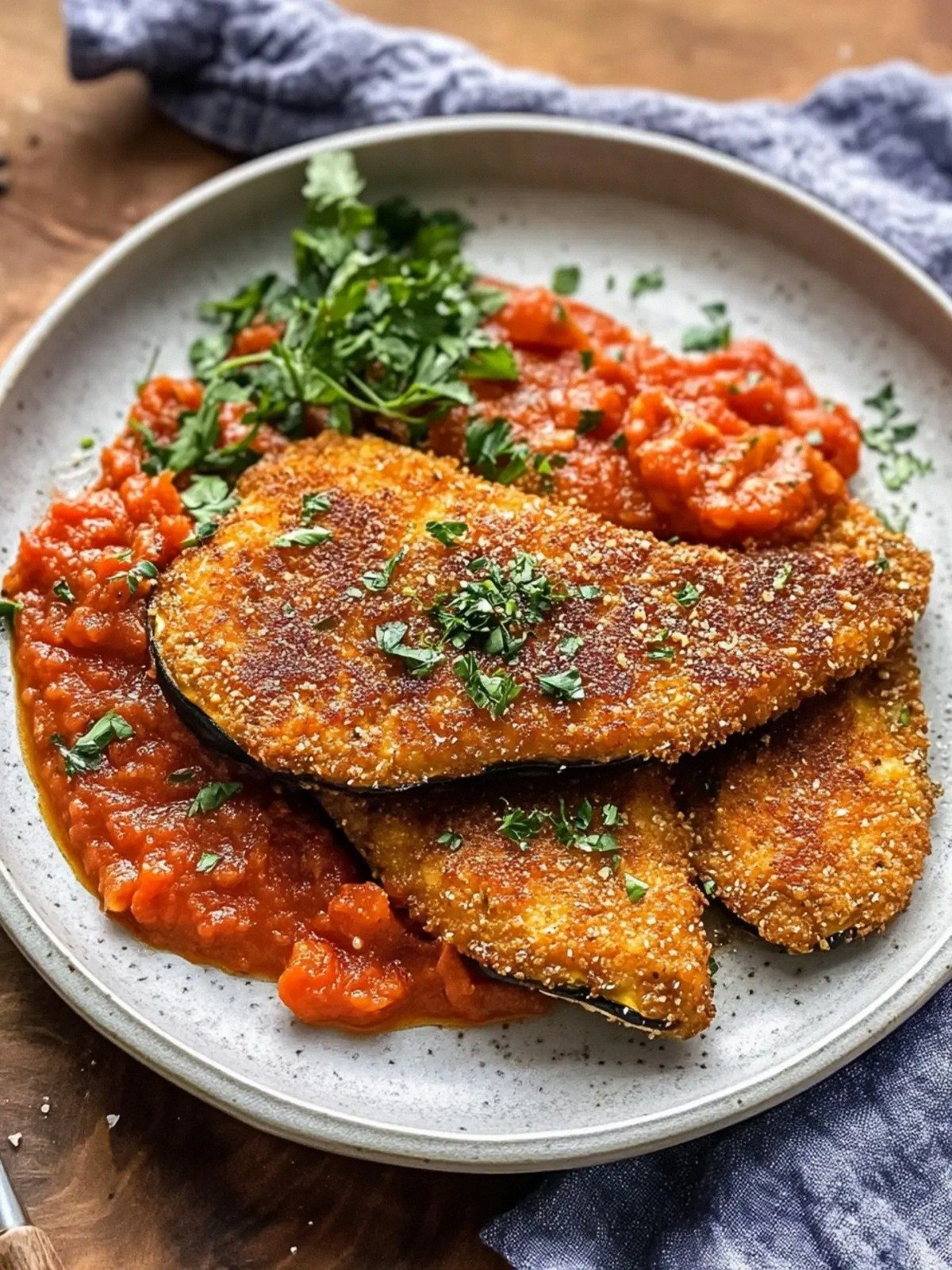
The first bite was a revelation. The outside crackled like a freshly toasted bagel, while the inside melted into a silky, savory center that whispered of Mediterranean sun. The tomato sauce clung to the schnitzel like velvet, its bright acidity cutting through the richness. The aroma—herbs, garlic, and a hint of cumin—filled the room, turning the kitchen into a fragrant sanctuary. I could hear the sizzle as the eggplant hit the pan, a satisfying crack that promised crunch.
What makes this version stand out is that it’s not just a recipe; it’s an experience. I’ve refined the coating to achieve a crisp that shatters like thin ice, and the sauce is a blend of fresh tomatoes and a touch of basil that creates a flavor profile you’ll find in the finest trattorias. Every bite is a dance of textures and flavors that will make you wonder why you ever settled for ordinary. I dare you to taste this and not go back for seconds.
The secret? A unique combination of panko breadcrumbs, a splash of sesame seeds, and a dash of paprika that adds depth without overpowering. The eggplant is sliced thick enough to hold its shape, then marinated in a mixture of olive oil and herbs that infuses it with a subtle, smoky undertone. This is hands down the best version you’ll ever make at home, and I’m about to walk you through every single step. By the end, you’ll wonder how you ever made it any other way.
Alright, let’s break down exactly what goes into this masterpiece. The journey begins with the right ingredients, the perfect coating, and a sauce that sings. Each component is chosen to elevate the humble eggplant into a dish that feels both comforting and adventurous. Stay with me here—this is worth it.
What Makes This Version Stand Out
- Flavor: The tomato sauce is a symphony of fresh tomatoes, garlic, and basil that brightens every bite. The coating adds a subtle smoky note from the sesame seeds.
- Texture: The outer crust is crisp and golden, while the interior remains tender and juicy—like a perfectly baked croissant.
- Simplicity: Only a handful of pantry staples are needed, yet the result feels gourmet.
- Uniqueness: The blend of panko, sesame, and paprika creates a crunch that’s distinct from traditional breaded schnitzels.
- Crowd Reaction: Friends who’ve tried it rave about the balance of flavors and the satisfying crunch.
- Ingredient Quality: Using fresh eggplant and ripe tomatoes makes all the difference; the rest is just good cooking.
- Cooking Method: Quick pan‑frying gives you a crispy exterior without the heaviness of deep‑frying.
- Make‑Ahead Potential: The coated schnitzels can be pre‑baked and reheated, making it a perfect week‑night dinner.
Inside the Ingredient List
The Flavor Base
The foundation of this dish is a vibrant tomato sauce that balances acidity with herbs. Fresh cherry tomatoes are diced and sautéed with minced garlic until they burst into a fragrant sauce. Adding a pinch of Italian herbs and basil leaves brings depth and a subtle peppery warmth. If you’re short on fresh tomatoes, canned crushed tomatoes work well—just simmer them with a splash of olive oil to caramelize the sugars.
Why it matters: The sauce coats the schnitzel like velvet, turning each bite into a burst of Mediterranean sunshine. Skipping it would leave the eggplant feeling flat and uninspired. A good sauce can transform a simple coating into a memorable meal.
The Texture Crew
The coating is where the magic happens. A classic breading of flour, beaten eggs, and panko breadcrumbs creates a golden crust that shatters like thin ice. Adding sesame seeds and a touch of paprika introduces a nutty crunch and a hint of smokiness. The flour helps the eggs stick, while the panko provides airy pockets of crispness. If you’re allergic to gluten, swap the flour for almond flour and use a gluten‑free panko.
Why it matters: The texture contrast between the crispy exterior and the tender interior keeps the dish exciting. Without the coating, the eggplant would be too soft and soggy. The sesame seeds add a subtle nutty flavor that pairs beautifully with the tomato sauce.
The Unexpected Star
Mayonnaise and mustard may seem odd in a schnitzel, but they act as a binder that keeps the coating intact while adding a subtle tang. The mayonnaise coats the eggplant slices before they hit the pan, creating a protective layer that prevents sticking. The mustard adds a bright, sharp contrast that lifts the overall flavor profile. If you prefer a vegan version, replace the mayonnaise with a plant‑based alternative and use a Dijon mustard.
Why it matters: These ingredients lock moisture in and give the schnitzel a slightly creamy undertone. Skipping them would result in a drier product that might not hold together during frying.
The Final Flourish
Fresh parsley and a drizzle of olive oil finish the dish, adding a bright, herbaceous note that cuts through the richness. The parsley also provides a pop of color that makes the plate visually appealing. If you’re looking for extra flavor, sprinkle a little grated parmesan on top before serving. This final touch adds a savory depth that pairs perfectly with the tomato sauce.
Why it matters: The finishing touches elevate the dish from good to great, offering a balanced flavor and a pleasing aesthetic. Without them, the schnitzel would feel incomplete.
Everything's prepped? Good. Let's get into the real action.
The Method — Step by Step
- Begin by slicing the eggplants into 1/2‑inch thick rounds. Sprinkle each slice lightly with salt and let them rest for 20 minutes to draw out bitterness. Pat them dry with paper towels before moving on. This step is crucial for a clean, mild flavor that lets the sauce shine.
- While the eggplant rests, prepare the coating station. In a shallow dish, whisk the flour with a pinch of salt and pepper. In a second dish, beat the eggs with a splash of water. In a third dish, combine the panko breadcrumbs, sesame seeds, paprika, and a dash of cumin. This triple‑layered approach ensures each slice gets a uniform coat.
- Take one eggplant slice, dip it first into the flour, then into the egg mixture, and finally coat it in the breadcrumb mixture. Press the crumbs onto the surface to ensure they stick. Repeat until all slices are coated. The coating should look like a golden, crunchy shell.
- Heat a generous amount of vegetable oil in a large skillet over medium‑high heat. Once the oil shimmers, place the coated slices carefully, ensuring they do not overlap. Let them cook for 3–4 minutes on each side until a deep golden crust forms. Flip them gently with tongs to maintain the crispness.
- While the schnitzels are frying, prepare the sauce. In a saucepan, heat a tablespoon of olive oil over medium heat. Add minced garlic and sauté until fragrant, about 30 seconds. Toss in the diced cherry tomatoes, Italian herbs, basil, and a pinch of salt. Simmer for 10 minutes until the tomatoes break down into a thick sauce.
- Once the tomatoes have cooked, use a potato masher or a spoon to break them into a chunky consistency. Stir in a tablespoon of mayonnaise and a teaspoon of mustard. The mixture should be creamy and slightly tangy, balancing the richness of the fried eggplant.
- When the schnitzels are golden, transfer them to a paper towel‑lined plate to drain excess oil. While still hot, drizzle the tomato sauce over the slices, ensuring every piece is coated. The sauce should cling like a glossy coat, adding moisture without drowning the crispness.
- Finish by sprinkling fresh parsley, a squeeze of lemon, and a drizzle of olive oil over the top. Serve immediately with a side of crusty bread or a fresh green salad. The contrast of textures and flavors will leave everyone asking for seconds.
That's it — you did it. But hold on, I've got a few more tricks that'll take this to another level.
Insider Tricks for Flawless Results
The Temperature Rule Nobody Follows
Many cooks fry at a high heat and then lower it, but the real trick is to keep the oil consistently at 350°F (175°C). Use a thermometer or drop a small breadcrumb into the oil; if it sizzles and rises to the surface within a few seconds, the oil is ready. Maintaining a steady temperature ensures an even crust and prevents the eggplant from absorbing too much oil.
Why Your Nose Knows Best
Before you flip the schnitzel, pause and inhale the aroma. A toasty, nutty scent signals that the crust has set and you’re ready to flip. If the smell is more “raw oil” than “baked bread,” give it a minute longer. Your nose is a reliable guide to avoid under‑cooked or over‑fried pieces.
The 5‑Minute Rest That Changes Everything
After frying, let the schnitzels rest for 5 minutes on a rack or paper towels. This short rest allows the juices to redistribute, preventing a soggy center. It also gives the coating time to firm up, resulting in that coveted crunch that holds up even when the sauce is added.
Layering Flavors Like a Pro
When assembling the sauce, start with the garlic and herbs before adding the tomatoes. This layering builds depth, ensuring each bite has a balanced profile. A friend once tried adding the tomatoes first and the sauce ended up too watery. Stick to the order for optimal flavor.
Keep the Crust Crispy, Not Sticky
If you notice the crust becoming sticky after a few minutes, sprinkle a tiny pinch of flour over the top. This absorbs excess moisture and preserves the crunch. It’s a simple trick that can turn a soggy schnitzel into a crisp masterpiece.
Make‑Ahead Tip for Busy Nights
After coating, bake the schnitzels in a preheated oven at 400°F (200°C) for 15 minutes. Then finish them in a hot skillet for 2 minutes per side. This hybrid method reduces frying time while still delivering a crispy exterior.
Creative Twists and Variations
This recipe is a playground. Here are some of my favorite ways to switch things up:
Spicy Mexican Twist
Swap the Italian herbs for cumin, coriander, and a pinch of cayenne. Add chopped jalapeños to the sauce and finish with a squeeze of lime. The result is a fiery, smoky schnitzel that pairs wonderfully with a cool avocado dip.
Mediterranean Herb Blend
Replace the parsley with chopped dill and mint. Use a splash of white wine in the sauce for a subtle acidity. The fresh herbs elevate the dish to a breezy, seaside feel.
Vegan Version
Use a plant‑based mayonnaise and a vegan egg replacer. Substitute the panko with crushed cornflakes for a gluten‑free crunch. The end product is just as delicious, with a lighter, plant‑powered profile.
Cheesy Delight
Sprinkle grated mozzarella or cheddar over the schnitzels before serving. The melted cheese creates a gooey bridge between the crispy crust and the tomato sauce, adding a comforting richness.
Breakfast Breakfast
Serve the schnitzels with a side of scrambled eggs and toast. The savory crunch complements the fluffy eggs, making for a hearty brunch that feels indulgent yet balanced.
Gluten‑Free Option
Use almond flour instead of regular flour and gluten‑free panko. The coating still crisps beautifully, and the almond flavor adds a subtle nutty undertone that pairs well with the tomato sauce.
Storing and Bringing It Back to Life
Fridge Storage
Cool the schnitzels completely, then store them in an airtight container in the refrigerator for up to 3 days. The coating may soften slightly, but the flavor remains intact.
Freezer Friendly
Arrange the cooled schnitzels on a parchment‑lined tray and freeze until solid. Transfer them to a freezer bag for up to 2 months. This method preserves the texture and makes meal prep a breeze.
Best Reheating Method
Reheat in a hot skillet over medium heat for 3–4 minutes, flipping once, to restore crispness. Add a tiny splash of water before reheating; it steams the schnitzels back to perfection without making them soggy.