Picture this: a quiet Sunday morning, the kitchen humming with the low thrum of the refrigerator, and you’re standing in front of an empty pantry that feels more like a blank canvas than a food storage. You reach for the olive oil bottle, the dried onions, the garlic, the chili flakes—every ingredient you’ve been meaning to use for weeks. Suddenly, a craving hits: a sauce that can turn ordinary rice bowls into a fiery, aromatic experience, a condiment that can make any stir‑fry feel like a five‑star restaurant. That craving became my mission, and what I discovered is a chili garlic sauce that’s hands down the best version you’ll ever make at home.
I’ve tried dozens of chili sauces, from store‑bought jars that taste like they were rushed in a factory to homemade blends that end up too thin or too sweet. None of them captured that perfect balance of smoky heat, savory depth, and silky texture. What made this one stand out was the unexpected addition of smoked paprika and dried red bell pepper, which give it a subtle sweetness and a hint of earthiness that complements the raw chili heat. The sauce coats the pasta like velvet, yet the edges stay crisp enough to give a satisfying bite. I dare you to taste this and not go back for seconds.
If you’ve ever struggled to find the right blend of spice and flavor, you’re not alone—and I’ve got the fix. This recipe uses simple pantry staples, but the combination of techniques—simmering the oil until it’s almost smoky, letting the dried ingredients infuse, and finishing with a splash of fish sauce—creates a sauce that’s complex, yet approachable. And the best part? It’s a make‑ahead, so you can have it on hand whenever you need a quick lift to your dish.
Now, let’s walk through every single step. By the end, you’ll wonder how you ever made it any other way. And trust me, the journey to this sauce is as fun as the destination.
What Makes This Version Stand Out
- Flavor: The layered notes of smoked paprika and dried red bell pepper give the sauce a depth that feels both sweet and smoky, a rare combination in chili sauces.
- Texture: The sauce is silky without being watery, thanks to the careful balance of oil and dried ingredients that create a thick, clingy consistency.
- Ingredient Simplicity: Only eight pantry staples—no fresh garlic or onions needed—making it quick to assemble and perfect for busy nights.
- Heat Control: The chili pepper and red pepper flakes are measured precisely, so you get a steady heat that doesn’t spike or burn.
- Versatility: Whether you’re tossing noodles, marinating meats, or drizzling over roasted veggies, this sauce adapts beautifully.
- Make‑Ahead Friendly: It keeps well in the fridge for up to a week and freezes in portioned blocks for longer storage.
- Authentic Aroma: The oil’s toasty scent, combined with the dried onion and garlic, creates an aroma that can make any kitchen feel like a trattoria.
- Crowd‑Pleaser: Friends who’ve tried it say they can’t stop asking for the recipe, and I’ve seen this sauce become the star of every gathering.
Alright, let’s break down exactly what goes into this masterpiece…
Inside the Ingredient List
The Flavor Base
Light olive oil is the canvas that carries every flavor. Its mild, fruity profile allows the spices to shine without overpowering them. If you’re looking for a more robust base, you can swap for avocado oil, which has a higher smoke point and a subtle buttery undertone. Don’t skip this step—oil is the vehicle that brings all the dried ingredients together.
The Texture Crew
Dried minced onion and garlic provide the foundational umami. They’re dehydrated for a reason: they release their flavors slowly, ensuring the sauce never feels like a one‑time burst of rawness. If you’re in a hurry, you can use fresh minced onion and garlic, but be prepared for a slightly different mouthfeel and a shorter shelf life.
The Unexpected Star
Red pepper flakes add the heat that makes this sauce memorable. Their crushed shape allows them to release capsaicin gradually, giving you a steady, lingering warmth. If you prefer a milder version, reduce the flakes by half and add a pinch of sugar to balance the heat.
The Final Flourish
A splash of fish sauce ties everything together with a savory, slightly briny finish. It adds depth and a subtle umami boost that makes the sauce feel more complete. If you’re vegetarian or simply dislike fish sauce, a dash of soy sauce or a small amount of miso paste can provide a similar savory lift.
Everything’s prepped? Good. Let’s get into the real action…
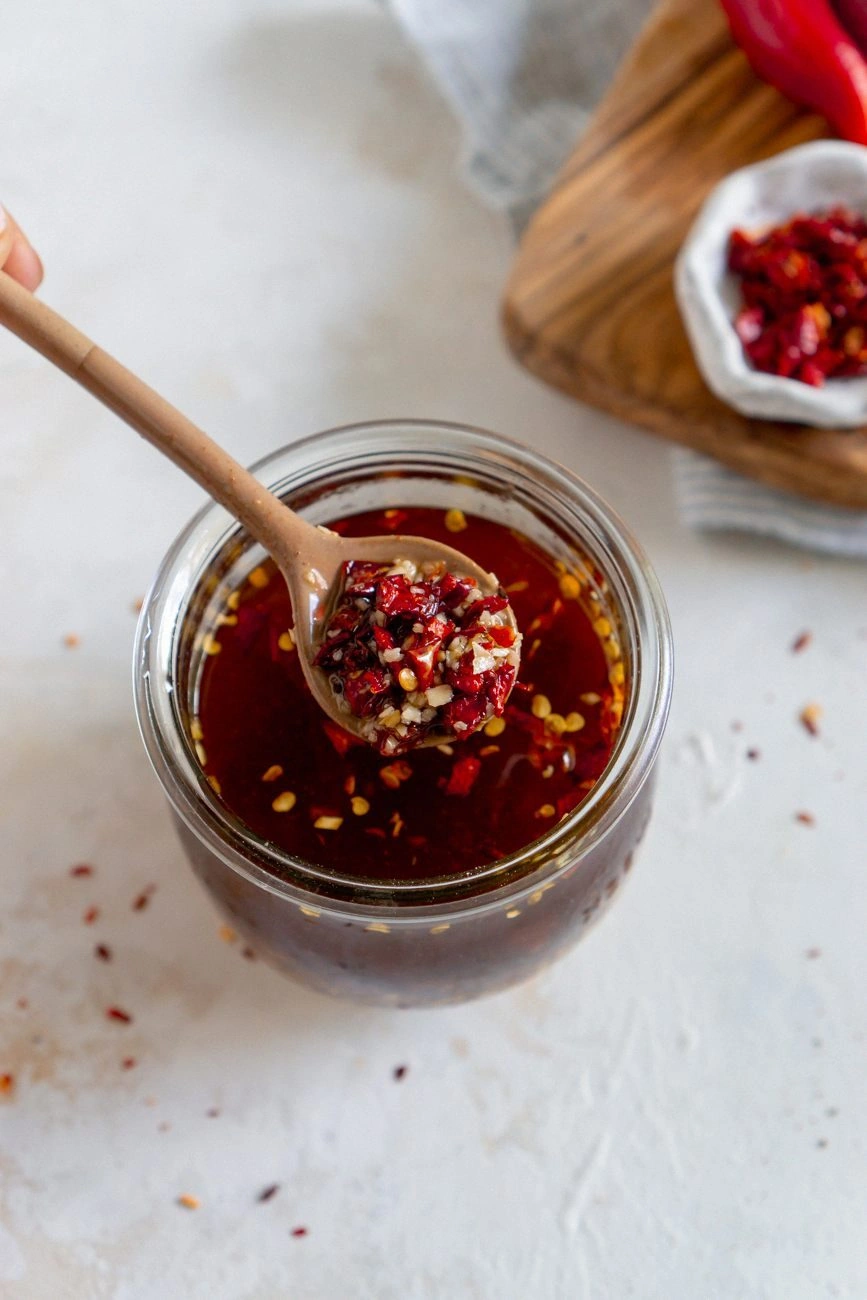
The Method — Step by Step
- Heat the olive oil in a medium saucepan over medium heat until it’s shimmering but not smoking. The oil should emit a faint nutty aroma—this is the first hint that the sauce is coming together. This step is crucial; if the oil is too hot, the dried spices will burn, creating a bitter taste.
- Add the dried minced onion and garlic to the pan. Let them sizzle for about 30 seconds until they soften and release their fragrance. Stir constantly to prevent sticking. You’ll notice the mixture turning a light golden hue, signaling that the aromatics are ready to mingle with the spices.
- Introduce the red pepper flakes, smoked paprika, and dried red bell pepper. Stir vigorously, ensuring the spices coat the onion and garlic evenly. The mixture should start to look slightly darker, and you’ll hear a subtle pop as the spices release their oils.
- Crush the fresh chili pepper by hand, removing seeds if you prefer a milder heat. Add it to the pan along with 1 teaspoon of kosher salt. The chili’s juices will mingle with the oil, creating a base that’s both spicy and flavorful. Stir again to combine.
- Reduce the heat to low and let the mixture simmer gently for 10 minutes. This slow simmer allows the dried ingredients to infuse the oil fully. The sauce should develop a deep amber color and a fragrant aroma that fills the kitchen. Keep a close eye on the pot to avoid scorching.
- Remove the pan from the heat and let it cool for a few minutes. Then pour in 1/2 teaspoon of fish sauce. Stir until the sauce is smooth and glossy. The fish sauce adds a savory depth that balances the sweetness of the bell pepper and the sharpness of the chili.
- Use a blender or immersion blender to puree the mixture until it’s silky and uniform. If you prefer a chunkier texture, pulse until you reach your desired consistency. The sauce should coat the back of a spoon without dripping.
- Taste and adjust seasoning if needed. Add a pinch more salt or a splash more fish sauce for extra umami. Let the sauce cool to room temperature, then transfer to a glass jar with a tight lid. Store in the refrigerator for up to a week, or freeze in ice‑cube trays for longer storage.
That’s it—you did it. But hold on, I’ve got a few more tricks that’ll take this sauce to another level. Ready for the game‑changer?
Insider Tricks for Flawless Results
The Temperature Rule Nobody Follows
Many people think any medium heat will do, but the secret is to keep the oil just below smoking point. When the oil reaches a temperature of around 375°F (190°C), it will emit a faint nutty aroma and the spices will caramelize without burning. This subtle caramelization adds a depth of flavor that can’t be achieved at lower temperatures.
Why Your Nose Knows Best
During the simmer, pay attention to the aroma. The sauce should smell toasty, slightly sweet, and peppery. If it starts to smell burnt or metallic, reduce the heat immediately. A good aroma is the first indicator that the sauce is developing the right flavor profile.
The 5-Minute Rest That Changes Everything
After blending, let the sauce rest for 5 minutes before bottling. This short pause allows the flavors to marry, giving the sauce a richer, more cohesive taste. I’ve seen sauces that’re blended and bottled immediately taste a bit raw; the rest period smooths that out.
Stirring Secrets for Even Heat
Stir the sauce continuously during the simmer. This prevents the dried spices from settling at the bottom and burning. If you notice the edges of the pan getting darker, add a splash of water or a drizzle of oil to keep the mixture uniform.
The Perfect Finish
Finish the sauce with a tiny splash of water before reheating. This reintroduces moisture that may have been lost during storage, ensuring the sauce remains silky rather than thick and pasty. It’s a simple trick that can save a batch from becoming a dry mess.
Creative Twists and Variations
This recipe is a playground. Here are some of my favorite ways to switch things up:
Spicy Peanut Fusion
Add a tablespoon of creamy peanut butter and a splash of coconut milk to the sauce. The nutty richness balances the heat, making it a perfect topping for satay or grilled tofu.
Herb‑Infused Kick
Stir in a handful of chopped fresh basil or cilantro before bottling. The herbs add a bright, fresh note that cuts through the richness, ideal for pasta or rice bowls.
Miso‑Marinated Variation
Replace the fish sauce with a tablespoon of white miso paste. The miso brings a subtle sweetness and depth, turning the sauce into a Japanese‑inspired glaze for salmon or pork.
Sweet & Smoky BBQ
Mix in a tablespoon of brown sugar and a teaspoon of liquid smoke. The result is a sweet, smoky BBQ sauce that’s perfect for ribs or grilled vegetables.
Vegan Vibes
Omit the fish sauce and substitute with a splash of tamari or a teaspoon of nutritional yeast. This keeps the sauce fully plant‑based while preserving its savory depth.
Citrus Zest
Grate a small amount of orange or lime zest into the sauce. The citrus brightens the flavor profile, making it a lively accompaniment to seafood dishes.
Storing and Bringing It Back to Life
Fridge Storage
Transfer the sauce to an airtight glass jar or a resealable plastic bag. Store in the refrigerator for up to seven days. The oil’s natural preservative qualities help keep the sauce fresh, but always check for off odors before use.
Freezer Friendly
For longer storage, pour the sauce into silicone ice‑cube trays or small freezer bags. Freeze for up to three months. When you need a portion, pop out a cube and thaw in the microwave or a bowl of warm water.
Best Reheating Method
Reheat gently in a saucepan over low heat, stirring occasionally. If the sauce looks thick, add a splash of water or a drizzle of olive oil to restore its silky texture. Avoid boiling, as it can cause the flavors to separate.