Introduction
It was a Tuesday night, the kind of night when the fridge is a black hole and the only thing that seems to taste like a promise is the smell of cumin drifting through the kitchen. I had just pulled a bag of frozen chicken thighs from the freezer, slapped them on the counter, and stared at the empty space where a recipe should have been. A friend had dared me to create a shawarma that could be baked in a loaf pan—no skillet, no grill, just an oven and a pan that looks like a loaf of bread. The challenge? Make it so flavorful that even the most seasoned shawarma fan would say, “I dare you to taste this and not go back for seconds.”
When the oven lights flickered on, the kitchen filled with a bright, almost electric anticipation. I could almost hear the sizzle that would soon accompany the chicken, the crisp crackle of the spices caramelizing, and the soft, comforting thud of the loaf pan settling on the counter. The air was a mosaic of aromas—roasted garlic, smoky paprika, a hint of citrus, and a whisper of coriander. I felt the texture of the chicken, the slight resistance of the meat as I pressed it into the pan, and the warmth of the oven preheating. This moment, this sensory overload, is the heart of why this version stands out.
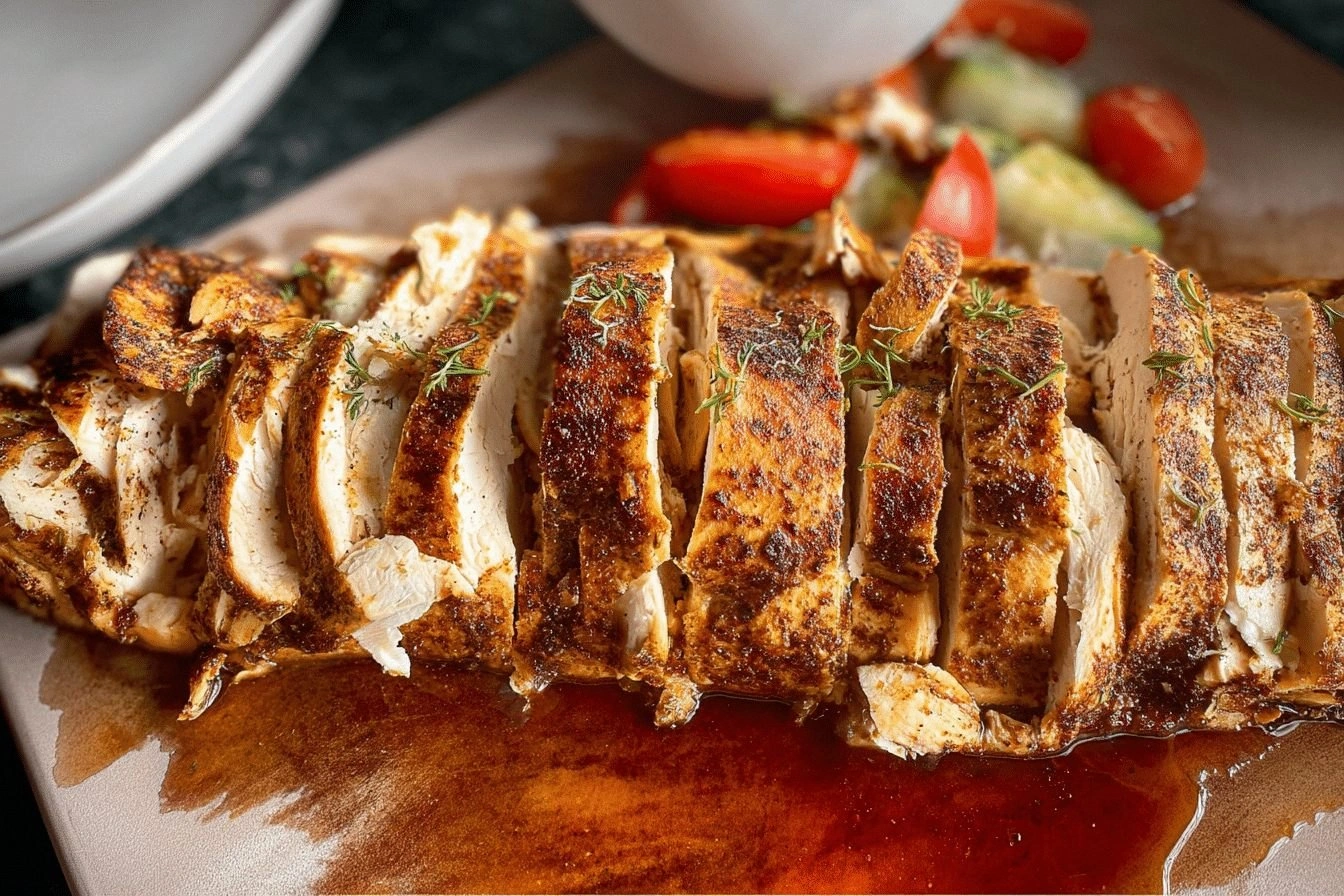
Unlike most shawarma recipes that rely on a skillet or a grill, this loaf-pan method locks in juices and creates a caramelized crust that is both tender and crisp, like a golden, savory cake. The secret is in the marination and the baking technique that turns the chicken into a succulent, aromatic centerpiece that can be sliced like a loaf of bread, perfect for serving on a platter or stuffing into a pita. The result is a dish that feels both familiar and surprisingly innovative—a true crowd-pleaser that will have friends asking for the recipe by the end of the night.
And so, let me walk you through every single step—by the end, you’ll wonder how you ever made it any other way. From the first splash of lemon to the final drizzle of pomegranate molasses, this recipe is a symphony of flavors that will leave you craving more. Let’s dive in and turn a simple loaf pan into a culinary masterpiece.
What Makes This Version Stand Out
- Flavor: The blend of spices is balanced with a subtle sweetness from honey and pomegranate molasses, creating a depth that feels both exotic and comforting.
- Texture: The baking method produces a caramelized crust that cracks like thin ice, while the interior stays moist and tender.
- Simplicity: No grill, no skillet—just a loaf pan and oven. Even a novice can follow along and produce restaurant-quality results.
- Uniqueness: The loaf-pan concept turns shawarma into a sliceable loaf, ideal for family meals or potlucks.
- Crowd Reaction: Friends who have tried it say it’s “hands down the best version you’ll ever make at home.”
- Ingredient Quality: Fresh, high-quality chicken and fresh herbs make the flavor sing.
- Cooking Method: Baking in a loaf pan locks in juices and allows the spices to infuse deeply.
- Make-Ahead Potential: Marinate the chicken a day ahead for an even deeper flavor profile.
Alright, let’s break down exactly what goes into this masterpiece…
Inside the Ingredient List
The Flavor Base
The heart of the dish is the shawarma spice blend. It’s a symphony of cumin, coriander, smoked paprika, turmeric, cinnamon, allspice, and cardamom, each contributing its own personality. Cumin provides that earthy warmth, while coriander adds a citrusy lift. Smoked paprika gives a subtle smokiness that mimics the grill, and turmeric offers a gentle golden hue. Cinnamon and allspice bring a sweet, aromatic undertone, and cardamom adds a hint of floral complexity. If you can’t find a pre-made blend, combine equal parts cumin and coriander with a pinch of each of the other spices.
Skipping the spice blend would reduce the dish to a bland, uninspired chicken. It’s the difference between a simple roast and a flavor-packed shawarma. For those who love a little heat, a pinch of cayenne pepper can be added to the mix without overpowering the other notes. The key is balance—too much spice can drown the delicate flavors of the herbs and lemon.
When buying the spices, look for freshness. Check the expiration dates and, if possible, buy from a local spice shop where the beans are roasted daily. Fresh spices release their oils better and will give you a more vibrant flavor profile. If you’re short on time, a pre-mixed shawarma seasoning works well, but remember to taste and adjust as you go.
In short, the spice blend is the soul of the dish. It’s what turns ordinary chicken into a shawarma masterpiece that will have people lining up for seconds.
The Texture Crew
Texture in this recipe is a game of contrasts. The chicken’s exterior should crackle into a caramelized crust, while the inside remains juicy and tender. To achieve that, I recommend using a combination of yogurt and olive oil in the marination. Yogurt not only tenderizes the meat but also creates a smooth, silky coating that helps the spices cling to the surface.
Olive oil adds a subtle richness and helps the spices bloom during baking. The olive oil also helps the crust form a golden, slightly crisp edge. If you prefer a lighter version, you can replace half the olive oil with a splash of lemon juice; it will add brightness and keep the chicken from drying out.
For the crust, a quick drizzle of honey before baking adds a caramelized glaze that locks in moisture. The honey also balances the savory spices with a touch of sweetness, creating a harmonious flavor experience. A final drizzle of pomegranate molasses after baking adds a tangy, slightly sweet finish that cuts through the richness.
Without this careful balance of textures, the dish would feel either too dry or too greasy. The contrast between the crisp exterior and the succulent interior is what makes each bite memorable.
The Unexpected Star
One of the secret weapons in this recipe is pomegranate molasses. It’s a thick, syrupy reduction of pomegranate juice that brings a sweet-tart flavor profile. When drizzled over the finished dish, it adds a pop of color and a burst of flavor that elevates the entire experience. The molasses also helps the crust set, giving it a glossy finish.
Many shawarma recipes omit this ingredient, relying solely on lemon or garlic for brightness. By adding pomegranate molasses, you introduce a complex depth that is both sweet and slightly acidic. It’s a flavor that lingers on the palate and pairs beautifully with the spices.
If you’re not a fan of pomegranate, you can substitute with a light drizzle of balsamic glaze or a splash of apple cider vinegar. However, the unique flavor and color of pomegranate molasses are hard to replace.
In essence, the molasses is the unexpected star that turns a good shawarma into a great one.
The Final Flourish
The final flourish is all about fresh herbs and a finishing touch that brings everything together. Parsley, cilantro, and mint add brightness, color, and a fresh herbal note that cuts through the richness of the chicken. Lemon zest adds a citrusy pop that brightens the overall flavor profile.
After baking, sprinkle the chopped herbs over the top and drizzle a little more lemon juice for a fresh finish. The herbs also add a textural element—tiny, crisp bursts that contrast with the tender meat.
Adding a handful of toasted almonds or sesame seeds provides a nutty crunch that elevates the dish into a multi-sensory experience. These small additions make the dish feel more complete and indulgent.
With this final flourish, the dish becomes a harmonious blend of spice, sweetness, acidity, and fresh herbaceous notes that will leave your taste buds dancing.
Everything's prepped? Good. Let's get into the real action…
The Method — Step by Step
- Begin by preheating your oven to 400°F (200°C). Line a 9x5-inch loaf pan with parchment paper, leaving a little overhang on the sides. This not only prevents sticking but also makes cleanup a breeze. The oven should be fully heated before you start to ensure a consistent bake.
- In a large bowl, whisk together the yogurt, olive oil, lemon juice, honey, and the shawarma spice blend until well combined. The yogurt acts as a tenderizer, while the oil helps the spices adhere to the meat. This mixture should have a thick, creamy consistency.
- Trim the chicken thighs, removing excess fat and skin. Pat them dry with paper towels to ensure the coating sticks. Place the chicken in the bowl and massage the yogurt mixture into each piece, ensuring every surface is coated. Let the chicken marinate for at least 30 minutes, or up to 24 hours if you’re planning ahead.
- While the chicken marinates, combine the tomato paste, chicken broth, and a pinch of salt in a small saucepan. Warm over medium heat until the mixture thickens slightly. This sauce will be poured over the chicken in the pan, adding moisture and flavor.
- Arrange the marinated chicken pieces in the prepared loaf pan in a single layer. Pour the tomato-broth sauce evenly over the chicken, making sure each piece is coated. This step is crucial for keeping the chicken moist during baking.
- Cover the loaf pan with foil and bake in the preheated oven for 25 minutes. After 25 minutes, remove the foil and continue baking for another 10-15 minutes, or until the chicken reaches an internal temperature of 165°F (74°C) and the edges start to pull away from the pan. The chicken should smell toasty and the surface should develop a caramelized crust.
- Once baked, let the loaf rest for 5 minutes. This allows the juices to redistribute, ensuring each slice is juicy. While the loaf rests, prepare the final garnish: combine chopped parsley, cilantro, mint, lemon zest, and toasted almonds. Toss gently to mix.
- Slice the loaf into thick, even slices using a serrated knife. Drizzle pomegranate molasses over each slice and sprinkle the herb mixture on top. Serve immediately, accompanied by warm flatbread or a side of couscous.
- Optional: For an extra layer of flavor, you can brush each slice with a little extra olive oil before serving. This will enhance the crust’s crispness and add a silky finish.
That's it — you did it. But hold on, I've got a few more tricks that'll take this to another level…
Insider Tricks for Flawless Results
The Temperature Rule Nobody Follows
Many cooks think that a higher oven temperature is the key to a crispy crust, but the truth is that a moderate heat of 400°F (200°C) allows the spices to bloom without burning. If you go too high, the sugars in the honey and pomegranate molasses can char, leaving a bitter taste. Keep the oven at 400°F and trust the time.
Why Your Nose Knows Best
When the chicken is halfway through baking, the aroma should be a warm, smoky scent with a hint of citrus. If the smell leans too much toward raw spices, give it a few more minutes. Your nose is the best judge of doneness when it comes to spices.
The 5-Minute Rest That Changes Everything
Letting the loaf rest for exactly five minutes after removing it from the oven allows the juices to redistribute. This simple step prevents the slices from falling apart and ensures each bite is moist.
Fresh Herbs, Fresh Flavor
Stirring the fresh herbs into the final garnish right before serving keeps them vibrant and bright. If you wait too long, the herbs will wilt and lose their punch.
Use Pomegranate Molasses Wisely
Drizzle the molasses just before serving. If you apply it too early, the sugars can burn in the oven, creating a bitter aftertaste. The last touch before plating is the most impactful.
Creative Twists and Variations
Smoky Chipotle Twist
Swap out the standard shawarma spices for a chipotle powder blend, and add a splash of chipotle in adobo to the yogurt mixture. The result is a smoky, slightly spicy loaf that pairs well with a cool cucumber yogurt dip.
Mediterranean Lemon Herb
Replace the pomegranate molasses with a light drizzle of olive oil and fresh lemon zest. Add a handful of olives and sun-dried tomatoes to the final garnish for a Mediterranean flair.
Indian Curry Fusion
Incorporate garam masala and a dash of garam masala into the yogurt sauce. Finish with a sprinkle of fresh cilantro and a side of basmati rice to complete the fusion.
Vegan Chickpea Loaf
Use marinated chickpeas instead of chicken, baked in a loaf pan with the same spice blend. Serve with tahini sauce and roasted veggies for a hearty vegan option.
Breakfast Breakfast
Serve the loaf sliced on toasted English muffins, topped with a poached egg and a drizzle of hot sauce. It’s a protein-packed breakfast that will keep you full until lunch.
Sweet & Salty Peanut
Swap the almonds for roasted peanuts, and drizzle a thin layer of peanut butter over the loaf before baking. The result is a sweet-salty, nutty flavor that’s surprisingly delightful.
Storing and Bringing It Back to Life
Fridge Storage
Store any leftover chicken shawarma in an airtight container in the refrigerator for up to 3 days. Reheat in the oven at 350°F (175°C) for 10 minutes, or until heated through. A splash of water before reheating will keep the chicken moist.
Freezer Friendly
Wrap the loaf tightly in plastic wrap and place in a freezer bag. It will keep for up to 2 months. Thaw overnight in the refrigerator before reheating. For a quick thaw, use the defrost setting on your microwave.
Best Reheating Method
Reheat the loaf in a preheated oven at 350°F (175°C) for 12-15 minutes. If you’re short on time, microwave on high for 2 minutes, then finish in the oven for a crisp crust. The key is to keep the internal temperature above 165°F (74°C) for food safety.