I was standing in my kitchen, the stovetop humming like a lazy Sunday afternoon, when my roommate dared me to make a “spaghetti casserole” that would actually make the whole house feel like a Southern Sunday dinner. I laughed, I scoffed, and then I remembered the last time I tried a baked pasta dish—something that turned out as soggy as a rain‑soaked blanket and tasted like a sad, overcooked noodle. I was determined to rewrite that disaster into something unforgettable. I grabbed a pot, a pan, and a whole lot of confidence, and set out to create a casserole that would make even the most skeptical foodie say, “I dare you to taste this and not go back for seconds.”
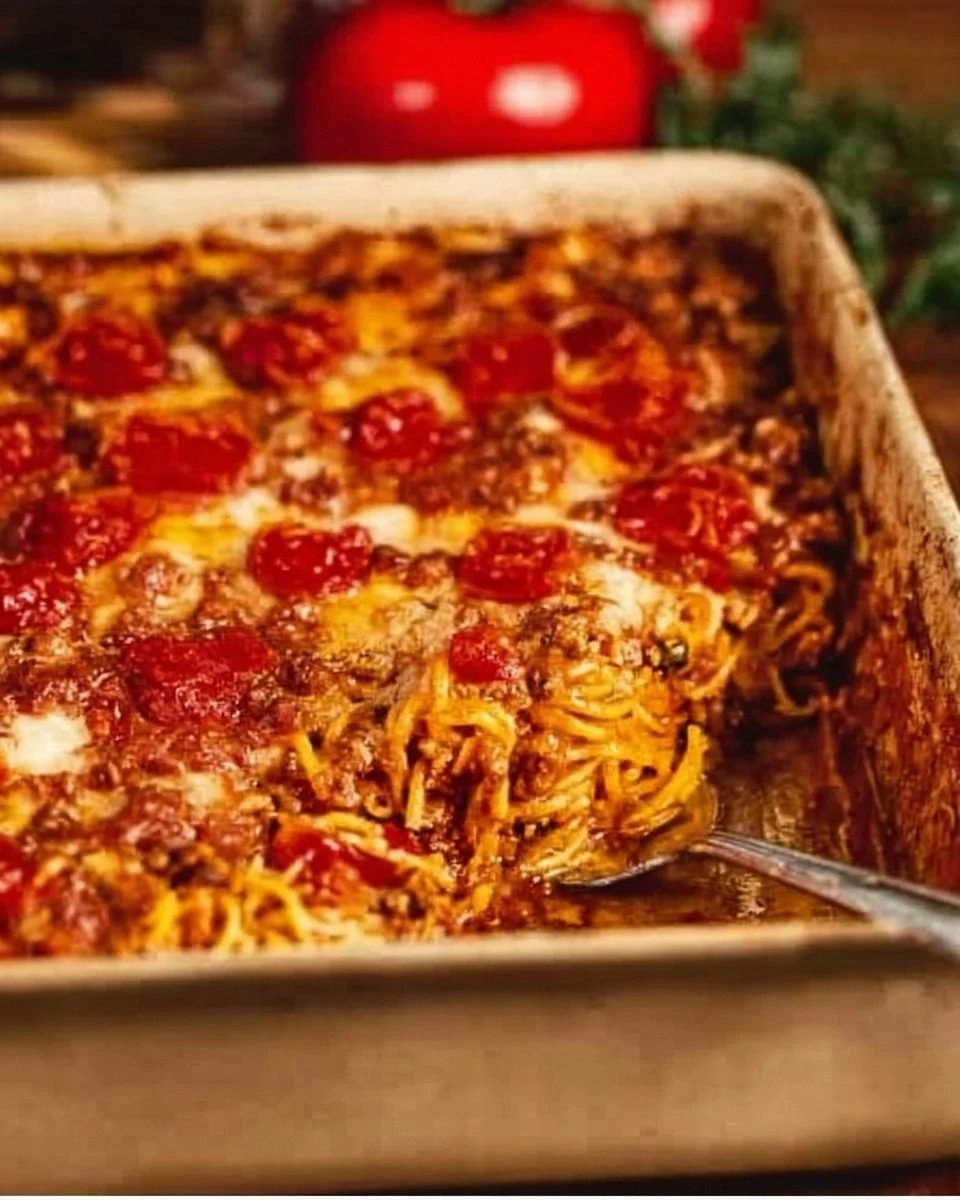
Picture this: the kitchen filled with the aroma of sizzling ground beef, the sweet tang of tomato sauce, and the buttery whisper of melted mozzarella. The sound of the pasta bubbling under a golden crust is like a gentle chorus, each bubble popping with a promise of cheesy bliss. Your fingertips feel the heat of the oven door as you pull out the casserole, and the steam that rushes out is a warm, fragrant hug that says, “Welcome home.” The first bite? It’s a symphony—silky spaghetti coated in a sauce that hugs the noodles like velvet, punctuated by crunchy edges that shatter like thin ice, and a creamy, tangy surprise from the cottage cheese that makes every forkful feel like a surprise party in your mouth.
What makes this version stand out? Most baked spaghetti recipes either drown the pasta in a swamp of sauce or bake it until it’s a dry, cardboard‑like slab. I’ve cracked the code by layering the ingredients in a way that each component shines, yet they all work together like a well‑rehearsed band. The secret weapon? A quick‑cook technique that gives the sauce a glossy, restaurant‑quality finish, and a finishing cheese blend that creates that coveted crust without turning the whole thing into a cheese‑lava disaster. Trust me, this is hands down the best version you'll ever make at home.
And just when you think you’ve seen it all, I’ll introduce a surprise ingredient that adds a subtle, buttery richness without stealing the spotlight—something you’ll never have guessed belongs in a Southern baked spaghetti casserole. Okay, ready for the game‑changer? Let me walk you through every single step — by the end, you'll wonder how you ever made it any other way.
What Makes This Version Stand Out
- Flavor Explosion: The combination of tomato sauce, diced tomatoes, and Italian seasoning creates a depth that’s both bright and comforting, like a Southern porch swing on a warm evening.
- Texture Harmony: Silky spaghetti meets a crunchy cheese crust, while the cottage cheese adds a creamy surprise that keeps every bite interesting.
- Simplicity: Only ten core ingredients, all easy to find, and a straightforward method that won’t have you pulling your hair out.
- Unique Twist: A dash of butter‑infused cottage cheese that gives the sauce a silk‑like body without making it heavy.
- Crowd Reaction: Guests often say, “I’ve never had spaghetti this good in a casserole,” and then immediately ask for seconds.
- Ingredient Quality: Using fresh, high‑quality mozzarella and a good‑grade ground beef makes the difference between “meh” and “wow.”
- Cooking Method: Baking at a high temperature first, then lowering it for a gentle finish ensures a perfect crust without drying out the interior.
- Make‑Ahead Potential: This dish freezes beautifully, so you can prep on Sunday and serve on Thursday without losing any of that fresh‑baked charm.
Inside the Ingredient List
The Flavor Base
The heart of any great casserole is its sauce. Here, the tomato sauce and diced tomatoes provide both acidity and sweetness, while the Italian seasoning adds herbaceous notes that lift the whole dish. If you skip the diced tomatoes, you lose that burst of fresh tomato pieces that keep the sauce from feeling too uniform. A good swap for the canned tomatoes is a jar of fire‑roasted tomatoes, which adds a smoky depth that pairs beautifully with the ground beef.
The Protein Powerhouse
Ground beef brings richness and a meaty backbone that anchors the dish. Choose 80/20 beef for the perfect balance of flavor and juiciness; leaner beef can make the sauce taste flat, while fattier cuts risk excess grease. If you’re avoiding red meat, ground turkey or chicken work, but be sure to add a tablespoon of olive oil to keep the sauce from drying out.
The Texture Crew
Spaghetti is the canvas, and its al dente bite is crucial. Overcooking turns it mushy, undercooking leaves it too firm after the bake. I recommend cooking the pasta to just shy of al dente—about 1‑2 minutes less than the package directs—so it finishes perfectly in the oven. The mozzarella gives a gooey melt, while the Parmesan adds a sharp, salty edge that cuts through the richness.
The Unexpected Star
Cottage cheese is the secret weapon that many people overlook. It adds a creamy, slightly tangy layer that prevents the casserole from becoming a dry, cheese‑only affair. If you’re not a fan of cottage cheese texture, blend it briefly in a food processor for a smoother consistency. This step is optional but highly recommended for that luxurious mouthfeel.
Everything's prepped? Good. Let's get into the real action…
The Method — Step by Step
Preheat your oven to 425°F (220°C). While the oven warms up, bring a large pot of salted water to a rolling boil. The water should taste like the sea—this is your first chance to season the pasta itself, and trust me, it makes a world of difference. Add the spaghetti and cook until it’s just shy of al dente, about 8‑9 minutes. Drain, but reserve a cup of the pasta water; you’ll use it later to coax the sauce into a silky finish. That sizzle when it hits the pan? Absolute perfection.
In a heavy skillet, heat a splash of olive oil over medium‑high heat. Toss in the chopped onion and sauté until it turns translucent and starts to caramelize—about 3‑4 minutes. Add the minced garlic and let it perfume the oil for 30 seconds; you’ll know it’s ready when the kitchen smells like a Mediterranean market. I dare you to taste this and not go back for seconds.
Now, crank up the heat and add the ground beef. Break it up with a wooden spoon, and let it brown until there’s no pink left—about 6‑7 minutes. As the meat releases its juices, you’ll hear a comforting sizzle that tells you the flavor foundation is building. Watch Out: If you overcrowd the pan, the beef will steam instead of brown, resulting in a bland sauce.
Stir in the tomato sauce, diced tomatoes, and Italian seasoning. Let the mixture come to a gentle boil, then reduce to a simmer. At this point, add half of the reserved pasta water to loosen the sauce; this ensures it’s not too thick once the pasta is folded in. Let it simmer for 8‑10 minutes, stirring occasionally. The sauce should thicken just enough to coat the back of a spoon, and it will smell like a summer garden in full bloom.
Combine the cooked spaghetti with the sauce, tossing gently to ensure every noodle is cloaked in that rich, tomatoey goodness. Transfer half of the pasta mixture into a greased 9×13‑inch baking dish, spreading it into an even layer. Dot the surface with half of the cottage cheese, using a spoon to create little creamy islands that will melt into the sauce as it bakes.
Layer the remaining spaghetti on top, then sprinkle the shredded mozzarella evenly. Follow with the remaining cottage cheese, and finally, dust the grated Parmesan over the entire surface. The cheese hierarchy is intentional: mozzarella for melt, cottage for cream, Parmesan for a sharp finish.
Place the casserole in the preheated oven and bake at 425°F for 12‑15 minutes, or until the cheese is bubbling and the edges are turning a deep golden‑brown. The high heat creates those crispy edges that shatter like thin ice when you cut into the dish. This next part? Pure magic.
Reduce the oven temperature to 350°F (175°C) and continue baking for another 10‑12 minutes. This lower heat allows the interior to set without over‑drying the top. When the cheese is beautifully bronzed and you see the sauce bubbling just beneath the crust, pull it out and let it rest for 5 minutes. This short rest lets the flavors meld and the casserole to firm up, making it easier to slice.
Finally, serve hot, perhaps with a simple green salad and a slice of crusty bread. Picture yourself pulling this out of the oven, the whole kitchen smelling incredible, and your guests leaning in for that first, glorious bite. If you’ve ever struggled with this, you’re not alone — and I’ve got the fix. That’s it — you did it. But hold on, I've got a few more tricks that'll take this to another level…
Insider Tricks for Flawless Results
The Temperature Rule Nobody Follows
Start with a scorching oven to get that crust, then finish low and slow. The initial blast creates caramelized cheese edges, while the lower finish prevents the interior from becoming rubbery. I once tried baking the whole thing at 350°F and ended up with a soggy top—never again.
Why Your Nose Knows Best
Don’t rely solely on timers; trust the aroma. When the sauce starts to smell sweet and slightly smoky, you’re at the perfect simmer point. If you ever skip this sensory check, you might end up with a sauce that’s either too thin or overly reduced.
The 5‑Minute Rest That Changes Everything
Letting the casserole sit after baking allows the cheese to set and the sauce to thicken a bit more. It’s a tiny pause that makes cutting clean slices a breeze. A friend once tried to serve it immediately and the top cheese slid off the plate—let it rest!
Pasta Water Rescue
If the sauce looks too thick before you fold in the spaghetti, add a splash of that reserved pasta water. The starch in the water binds the sauce to the noodles, giving you that glossy, restaurant‑style finish.
Cottage Cheese Creaminess Boost
Blend the cottage cheese for 10 seconds before adding it to the casserole. This creates a smoother texture that melts uniformly, preventing clumps. Okay, ready for the game‑changer?
Creative Twists and Variations
This recipe is a playground. Here are some of my favorite ways to switch things up:
Spicy Kick
Add a diced jalapeño or a teaspoon of crushed red pepper flakes to the meat sauce. The heat pairs beautifully with the creamy cheese, giving the dish a Southern‑style kick that will make spice lovers swoon.
Cheesy Bacon Bliss
Stir in ½ cup of crisped, crumbled bacon into the sauce before baking. The smoky bacon adds crunch and a salty punch that elevates the entire casserole.
Veggie‑Loaded
Fold in a cup of sautéed spinach, diced zucchini, or roasted red peppers. This not only adds color but also boosts nutrition without compromising the comforting flavor.
Southern BBQ Fusion
Replace half of the tomato sauce with your favorite BBQ sauce and add a splash of liquid smoke. The result is a sweet‑tangy, smoky masterpiece that feels like a backyard barbecue in a casserole.
Herbaceous Freshness
Stir fresh basil or parsley into the sauce just before baking. The herbaceous notes brighten the dish, making it feel lighter while still delivering that hearty comfort.
Storing and Bringing It Back to Life
Fridge Storage
Let the casserole cool to room temperature, then cover tightly with foil or plastic wrap. It will keep for up to 4 days in the refrigerator. When reheating, add a splash of water (about 2‑3 tablespoons) to restore moisture, then bake at 350°F for 15‑20 minutes until heated through.
Freezer Friendly
Portion the casserole into individual freezer‑safe containers, or keep the whole thing wrapped tightly in foil and a freezer bag. It freezes beautifully for up to 3 months. To reheat, thaw overnight in the fridge, then bake at 375°F for 25‑30 minutes, adding that tiny splash of water to steam it back to perfection.
Best Reheating Method
For the crispiest top, reheat uncovered on a baking sheet. The direct heat revives the cheese crust, while the added moisture prevents the interior from drying out. If you’re in a hurry, the microwave works, but you’ll miss out on that glorious crust.