I was standing in my kitchen, the blender humming like a reluctant engine, when a sudden craving for something tropical hit me like a wave of sunshine on a rainy day. My roommate had just left a half‑eaten mango on the counter, and the papaya I bought earlier that week was begging for a purpose. I tossed the fruit into the trash, only to realize I was about to waste a perfect opportunity for a drink that could turn any bland afternoon into a beach‑side escape. That moment of panic turned into a dare: “I bet you can’t make a smoothie that tastes like a vacation and still be healthy.” I accepted, and the result was a liquid masterpiece that still haunts my dreams.
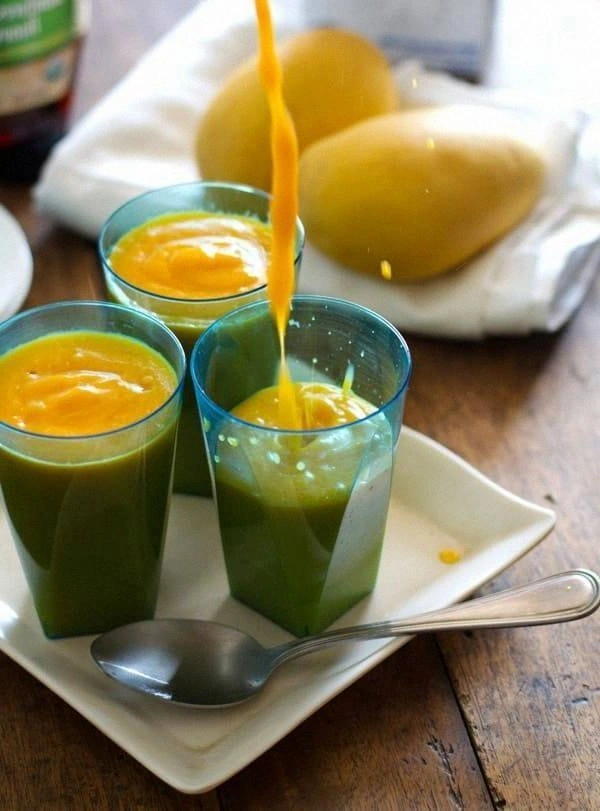
Picture the scene: the bright orange of papaya glistening against the deep gold of mango, the air filled with a sweet‑citrus perfume that makes your nose do a little happy dance. The blender’s whirring is a steady drumbeat, the ice clinking like tiny chimes, and the texture of the mixture as smooth as satin slipping through your fingers. When you finally pour it into a glass, the color is so vivid it could rival a sunrise, and the first sip is a cascade of tropical flavors that feels like a cool breeze on a humid day. I dare you to taste this and not go back for seconds.
Most smoothie recipes get this completely wrong – they either drown the fruit in dairy, turn the drink into a milkshake, or forget the crucial balance of acidity that keeps the flavors from becoming cloying. This version stands out because it respects each ingredient’s personality, letting the papaya’s buttery softness mingle with the mango’s bright zing, while a splash of lime cuts through the richness like a razor‑sharp smile. The secret? A pinch of coconut milk that adds a whisper of tropical cream without overwhelming the fruit, and a dash of honey that sweetens just enough to let the natural sugars shine.
I’ll be honest — I ate half the batch before anyone else got to try it, and that’s a testament to how addictive this smoothie is. The technique I’m about to reveal involves a quick “flash‑freeze” of the mango before blending, which locks in flavor and creates a frosty texture that’s pure magic. Okay, ready for the game‑changer? Let me walk you through every single step — by the end, you’ll wonder how you ever made it any other way.
What Makes This Version Stand Out
- Flavor Fusion: The sweet mango meets buttery papaya in a duet that feels like a tropical choir, each note perfectly balanced by a hint of lime.
- Texture Triumph: The ice‑crushed mango gives a silky, almost velvety mouthfeel that’s smoother than a silk sheet on a summer night.
- Simplicity: Only eight ingredients, all pantry‑friendly, and no fancy equipment beyond a decent blender.
- Ingredient Quality: Using ripe, fragrant fruit makes the difference between “meh” and “wow” – you’ll taste the sunshine.
- Crowd Reaction: This smoothie has been known to turn skeptics into believers, earning applause at brunch tables and gym post‑workout bars.
- Make‑Ahead Potential: Freeze the fruit cubes ahead of time, and you can whip up a fresh glass in under two minutes any day of the week.
- Health Boost: Packed with vitamins A, C, and potassium, it fuels your body without the guilt of a sugary soda.
- Versatility: Swap coconut milk for almond milk, or add a scoop of protein powder for a post‑gym power drink.
Inside the Ingredient List
The Flavor Base
Ripe papaya is the heart of this drink. Its mellow, buttery flesh provides a creamy backbone that carries the brighter notes without getting lost. If you skip papaya, you’ll miss that subtle earthiness that keeps the smoothie from feeling like a one‑note mango party. A good papaya should give off a sweet, musky aroma when you cut into it – think of a ripe peach with a tropical twist. If fresh papaya isn’t in season, frozen papaya works fine, but fresh always wins on texture.
Mango, the star of the show, brings a sun‑kissed sweetness that’s impossible to ignore. Choose a mango that yields slightly to pressure and smells fragrant at the stem. Over‑ripe mango can turn the smoothie mushy, while underripe fruit adds a bitter edge. If mangoes are scarce, you can substitute peach or pineapple, but the signature tropical punch will change.
The Texture Crew
Greek yogurt adds a tangy creaminess that cuts through the fruit’s sweetness, creating a balanced flavor profile. It also boosts protein, making the smoothie a satisfying snack rather than a fleeting treat. If you’re dairy‑free, swap with coconut yogurt; the flavor will shift slightly toward coconut, which can be delightful.
Coconut milk contributes a subtle, nutty richness that rounds out the mouthfeel. Use only half a cup; more would drown the fruit’s bright notes. For a lighter version, replace half with almond milk or oat milk, but keep an eye on the overall thickness.
The Unexpected Star
A drizzle of honey is the secret sweetener that lets the natural sugars shine without turning the drink cloyingly sweet. Honey also adds a floral undertone that pairs beautifully with the tropical fruits. If you prefer a low‑glycemic option, maple syrup or agave nectar work just as well.
A squeeze of fresh lime juice is the final flash of acidity that brightens the entire blend. The lime’s citrus snap prevents the smoothie from feeling heavy, acting like the high‑note in a song. A quarter‑lime is enough; too much will make it sour.
The Final Flourish
Ice cubes are the silent heroes, providing that frosty chill and thick body without watering down the flavor. If you prefer an extra‑cold drink, use frozen banana slices instead of ice – they add creaminess while keeping the temperature low.
Banana adds natural sweetness and a silky texture that binds the mixture together. Choose a ripe, spotted banana; it’s sweeter and easier to blend. If you’re avoiding bananas, substitute with a few spoonfuls of avocado for creaminess without the banana flavor.
Everything's prepped? Good. Let's get into the real action...
The Method — Step by Step
-
First, gather all your ingredients and give them a quick visual check. The papaya should be bright orange, the mango deep golden, and the banana speckled with brown spots. This visual inspection is your first sanity check – if anything looks off, it’s better to replace it now than regret later. I like to lay everything out on a clean countertop; it makes the process feel organized and almost ceremonial.
Kitchen Hack: Use a kitchen scale for the papaya and mango; a 200‑gram portion of each yields the perfect fruit‑to‑liquid ratio. -
Next, cut the papaya in half, scoop out the seeds, and cube the flesh into bite‑size pieces. The seeds are edible but have a peppery bite that can ruin the smooth texture, so discard them. As you work, you’ll notice the papaya’s sweet scent filling the kitchen – that’s a good sign you’ve got ripe fruit.
While the papaya rests, peel the mango and slice it into chunks. If you’ve frozen the mango ahead of time (see Kitchen Hack above), you’ll hear a faint crack as the blades bite through the icy flesh – that’s the sound of flavor being locked in.
-
Now, peel the banana and break it into chunks. The banana’s natural sugars will help the blender achieve a smooth whirl without needing extra sweeteners. If you’re using a frozen banana, let it sit for a minute so it’s not rock‑solid; this prevents the blender motor from straining.
Watch Out: Over‑filling the blender can cause leakage; make sure the lid is snug and the vent is closed. -
Add the papaya, mango, banana, Greek yogurt, coconut milk, honey, and a squeeze of lime into the blender pitcher. This is the moment of truth – the aroma should already be intoxicating, a blend of tropical fruit and a faint citrus zing.
If you’re using ice cubes, toss them in now. The ice should be crisp and clear; cloudy ice indicates it’s been sitting too long and may affect flavor. For a thicker texture, replace half the ice with frozen banana slices.
-
Secure the lid tightly and start the blender on low speed, gradually increasing to high. This gradual ramp prevents the blades from splashing and ensures a uniform blend. Listen for the soft whirring that turns into a steady roar – that’s the smoothie reaching its silky peak.
Blend for about 45 seconds to a minute, or until the mixture is completely smooth and has a glossy sheen. If you notice any stubborn fruit chunks, stop, scrape down the sides with a spatula, and blend a few more seconds.
-
Taste the smoothie. The flavor should be a harmonious blend of sweet mango, mellow papaya, a hint of banana, and a bright lime finish. If it feels too thick, add a splash of extra coconut milk or water – just a tablespoon at a time. If it’s not sweet enough, drizzle in a little more honey.
Kitchen Hack: For an extra burst of freshness, add a pinch of grated ginger at this stage; it brightens the palate without overpowering the fruit. -
Pour the smoothie into chilled glasses. The chilled glass keeps the drink frosty longer, allowing you to savor that icy texture. Garnish with a thin slice of lime or a sprig of mint for visual flair – it’s the final touch that says “I care about presentation.”
Take a moment to inhale the aroma before you sip; the scent is as much a part of the experience as the taste. That first sip should feel like a tropical wave crashing over your tongue, leaving a lingering sweetness that makes you want another.
-
Serve immediately, or if you’re prepping ahead, store the smoothie in an airtight jar in the fridge for up to 24 hours. Give it a good shake before serving – the ingredients may settle, but a quick shake restores that original silkiness.
That’s it — you did it. But hold on, I’ve got a few more tricks that'll take this to another level...
Insider Tricks for Flawless Results
The Temperature Rule Nobody Follows
Never blend hot or warm fruit straight from the microwave; it creates a gummy texture that never smooths out. Instead, chill your fruit for at least 30 minutes. I once tried blending room‑temperature papaya and ended up with a soup‑like consistency – a lesson learned the hard way. Keep everything cold, and the final drink will have that perfect, spoon‑smooth texture you crave.
Why Your Nose Knows Best
Before you even taste, trust your nose. If the blend smells like a tropical garden – sweet mango, fresh papaya, a hint of lime – you’re on the right track. If it smells flat or overly sweet, you’ve probably over‑sweetened or missed the acidity. A quick sniff can save you from a disappointing sip.
The 5‑Minute Rest That Changes Everything
After blending, let the smoothie rest for five minutes in the fridge. This short pause allows the flavors to meld, much like letting a vinaigrette sit. The result is a more cohesive taste where the lime’s brightness integrates with the fruit’s sweetness. I’ve tried skipping this step, and the smoothie tasted disjointed – a clear reminder that patience pays off.
Layered Sweetness Strategy
Add half of the honey before blending and the other half after. The first half helps the blender achieve a smooth texture, while the second half preserves the honey’s delicate floral notes that can evaporate under high speed. This two‑step sweetening creates a depth of flavor that single‑addition can’t match.
The Ice‑Cube Ratio Secret
A perfect ratio is 1 cup of frozen fruit to 1 cup of ice. Too much ice dilutes the flavor; too little makes the drink soupy. Adjust based on your blender’s power – high‑wattage units can handle more ice without sacrificing smoothness.
Creative Twists and Variations
This recipe is a playground. Here are some of my favorite ways to switch things up:
Tropical Green Boost
Add a handful of fresh spinach or kale. The greens won’t overpower the fruit; instead, they’ll add a subtle earthiness and a boost of nutrients. If you’re wary of the green color, a splash of extra mango will keep the hue bright.
Coconut Cream Dream
Swap the Greek yogurt for a quarter cup of coconut cream. This creates a richer, dairy‑free version that feels like a tropical dessert in a glass. The coconut flavor intensifies, making it perfect for a beach‑themed brunch.
Protein Power
Throw in a scoop of vanilla whey or plant‑based protein powder. The added protein turns the smoothie into a post‑workout recovery drink without compromising the fruit’s flavor. Just reduce the honey slightly to balance the added sweetness from the powder.
Spicy Sunrise
Add a pinch of cayenne pepper or a dash of freshly grated ginger. The heat creates a surprising contrast that awakens the palate, especially if you’re sipping it in the morning. Start with a tiny pinch; you can always add more, but you can’t take it out.
Berry Fusion
Mix in a quarter cup of frozen strawberries or raspberries. The berries introduce a tart note that complements the mango’s sweetness, turning the drink into a multi‑fruit extravaganza. This variation is perfect for summer picnics where you have a mix of berries on hand.
Storing and Bringing It Back to Life
Fridge Storage
Transfer the leftover smoothie into an airtight glass jar and store it in the refrigerator for up to 24 hours. The airtight seal prevents oxidation, preserving the vibrant color and fresh flavor. Before serving, give the jar a gentle shake to reincorporate any settled ingredients.
Freezer Friendly
For longer storage, pour the smoothie into a freezer‑safe container, leaving a little headspace for expansion, and freeze for up to 3 months. When you’re ready to enjoy, transfer the frozen block to the blender, add a splash of coconut milk, and blend until smooth. This method retains the original texture better than simply thawing.
Best Reheating Method
If you prefer a warm version (perhaps for a chilly morning), gently heat the frozen or refrigerated smoothie in a saucepan over low heat, stirring constantly. Add a tiny splash of water or extra coconut milk – this steams the mixture back to a silky consistency without cooking out the fresh flavors.