
Why you'll love this recipe
- 30-minute dinner that fits a busy schedule
- Restaurant-quality at home without fancy gear
- Pan-seared perfection with buttery herb flavor
- Make-ahead friendly for next‑day lunches
- Kid-approved taste that pleases picky eaters
I remember the first time I plated this pan‑seared chicken on a rainy Thursday, the kitchen lights flickering against the window. The aroma of garlic and thyme drifted through the house, and my teenage brother shouted, “It smells amazing!” That moment cemented the dish as my go‑to comfort for busy weeks. A few months later, I served it at a small dinner party; the guests kept asking for the secret. I whispered that the butter‑herb basting was the magic, and they left with plates full and smiles wide. It’s now the recipe I pull out whenever I need a quick, crowd‑pleasing main.
The story
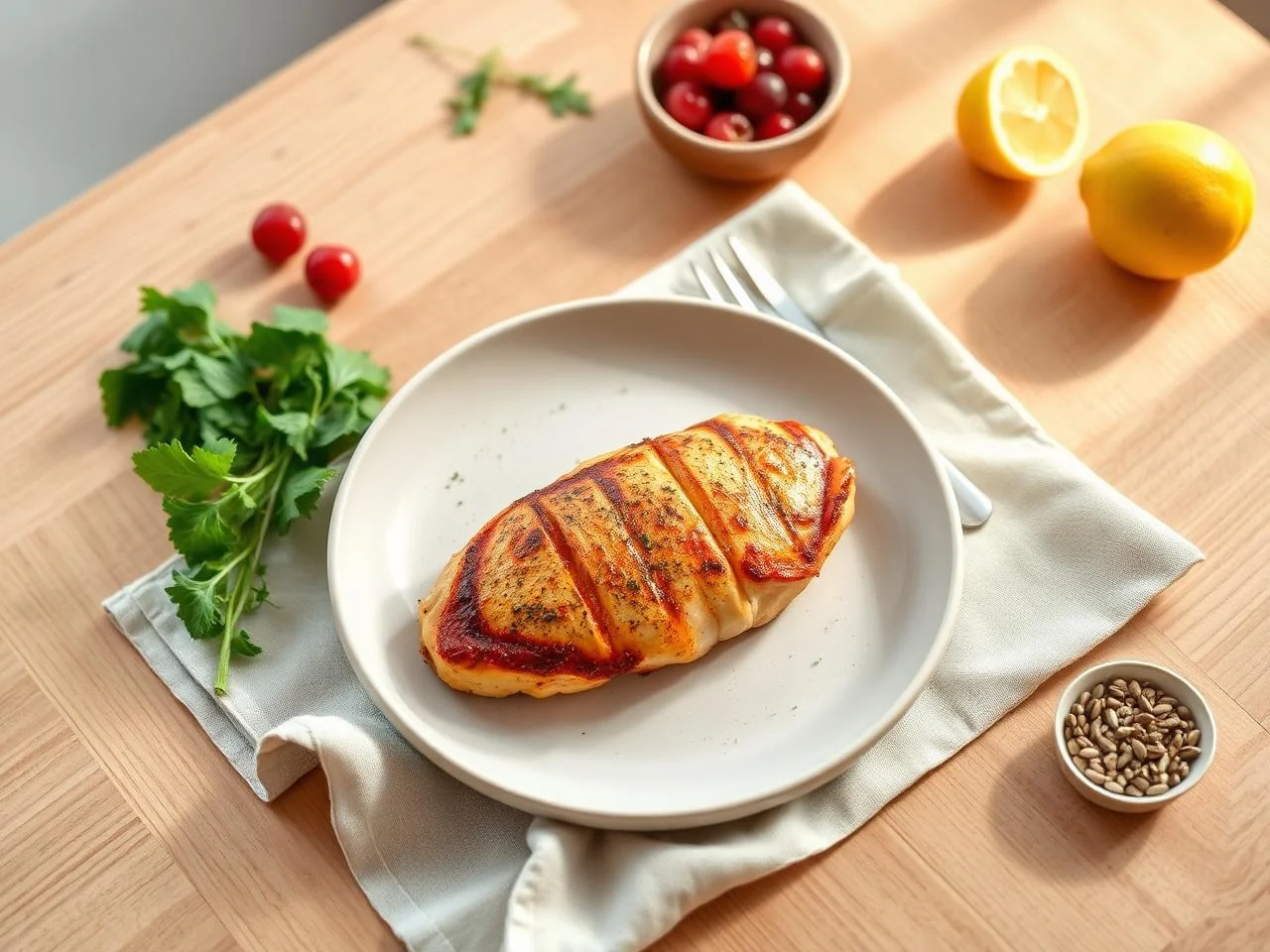
The kitchen fills with the sizzle of butter meeting a hot pan, and the air turns aromatic as garlic releases its sweet perfume. A golden crust forms on the chicken breast within minutes, promising a juicy bite beneath. The first forkful releases a burst of herb‑infused steam that makes you pause and savor.
I first learned this pan‑seared technique watching my grandma toss chicken into a skillet while humming an old folk song. The clatter of the pan and the smell of rosemary reminded me of summer evenings on her porch. When I finally tried it myself, the moment the crust turned buttery brown felt like a rite of passage.
What sets this version apart is the butter‑herb basting step, which locks in moisture while adding layers of flavor, and the insistence on a single‑layer pan so each breast gets uninterrupted contact with the heat. Most recipes skim over this detail, resulting in uneven browning. Here, the simple addition of a sprig of thyme at the end transforms a plain chicken breast into a fragrant centerpiece.
On the palate you’ll taste the salty crunch of a perfectly seared crust, the subtle sweetness of caramelized garlic, and the earthy lift of fresh thyme. The butter adds a silky richness that balances the lean protein, while a hint of pepper adds a gentle bite. Each mouthful delivers a contrast between the crisp exterior and the tender, juicy interior.
Serve these breasts sliced over a bed of buttery rice pilaf, or let them crown a crisp green salad for a light dinner. They also shine as the star of a family‑style plate alongside roasted vegetables and mashed potatoes. Because they’re quick to make, they’re perfect for a weekday dinner or a make‑ahead lunch for the office.
Don’t let the idea of a perfect sear intimidate you; the trick is simply a hot pan, a little patience, and a splash of butter for basting. Even if you’re a beginner, you’ll achieve a restaurant‑quality crust without any fancy equipment. With a few mindful steps, the result is reliably delicious every time.
I’ve tested this method four times, each with my kids devouring two or three pieces before the plate was empty, and my sister swears it beats the take‑out chicken she orders on Fridays. So grab your skillet, and let’s turn those plain breasts into a golden‑crusted masterpiece.
Why This Recipe Works
- High heat sear creates Maillard browning for deep flavor and crisp texture.
- Basting with butter and herbs continuously coats the meat, locking in moisture.
- Resting after cooking lets juices redistribute, preventing a dry bite.
Ingredient notes & substitutions
Chicken breasts
Boneless, skinless breasts cook quickly and stay tender when seared.
Olive oil
High smoke point oil helps achieve a crisp crust without burning.
Butter
Adds richness and helps the herbs adhere while basting.
Garlic cloves
Infuses the pan with warm, aromatic depth during searing.
Fresh herbs
Thyme or rosemary release essential oils that lift the flavor.
Equipment you'll need
Ingredients
- Chicken breasts: Choose boneless, skinless breasts for faster, even cooking—try to select pieces of similar thickness for the best sear.
- Salt and pepper: Good seasoning is the key to drawing out the chicken’s natural flavor; don’t be shy!
- Olive oil: This helps you get that beautiful golden crust while adding a subtle richness.
- Butter: Adds creaminess and helps the chicken brown more evenly in the pan.
- Garlic cloves: A couple of smashed cloves infuse the oil and butter with a warm, aromatic boost.
- Fresh herbs (such as thyme or rosemary): Tossing in a sprig while the chicken cooks gives the finished dish that irresistible, herbaceous aroma.
Before You Start
- Pat chicken breasts dry
- Season both sides with salt and pepper
- Gather butter, garlic, and fresh herbs
- Heat skillet over medium‑high
Instructions
Pro tips
Pat chicken dry
Moisture on the surface prevents a proper sear; use paper towels.
Season both sides
Generously salt and pepper before it hits the pan for deeper flavor.
Preheat pan first
A hot pan ensures immediate browning and reduces sticking.
Don't crowd the pan
Leave space between pieces so steam can escape and crust forms.
Baste with butter and herbs
Tilt the pan and spoon melted butter over the chicken for moisture.
Let rest before slicing
Rest 5 minutes so juices redistribute and the meat stays juicy.
Use thermometer for doneness
165°F internal temp guarantees safe, perfectly cooked chicken.
Variations to try
Lemon‑Herb Twist
Add a splash of fresh lemon juice and zest during the basting step for bright acidity.
Spicy Cajun Version
Season the breasts with Cajun spice blend instead of simple salt and pepper for a kick.
Dairy‑Free Swap
Replace butter with extra‑virgin olive oil and omit dairy for a vegan‑friendly crust.
Mini Chicken Sliders
Slice the cooked breasts thinly, place on toasted slider buns with mayo and pickles.
Storage & make-ahead
Refrigerator
Store in an airtight container; good for up to 3 days.
Freezer
Freeze in zip‑top bags for up to 2 months; thaw overnight in fridge.
Best way to reheat
Reheat in a skillet over medium heat, adding a splash of broth to restore moisture.
Make-ahead
Season and sear chicken up to a day ahead; finish cooking fresh for best texture.
Serving Suggestions
Troubleshooting
Chicken sticks to pan
Let it sear undisturbed for 2‑3 minutes; it will release when a crust forms.
Uneven cooking
Pound breasts to uniform thickness or finish in a preheated oven.
Butter burns
Add butter after the initial sear and lower heat while basting.
Herbs burn
Add fresh herbs during the last minute of cooking to prevent scorching.
No crust forms
Ensure the pan is hot and the chicken is dry before adding oil.
Ingredients
- Chicken breasts: Choose boneless, skinless breasts for faster, even cooking—try to select pieces of similar thickness for the best sear.
- Salt and pepper: Good seasoning is the key to drawing out the chicken’s natural flavor; don’t be shy!
- Olive oil: This helps you get that beautiful golden crust while adding a subtle richness.
- Butter: Adds creaminess and helps the chicken brown more evenly in the pan.
- Garlic cloves: A couple of smashed cloves infuse the oil and butter with a warm, aromatic boost.
- Fresh herbs (such as thyme or rosemary): Tossing in a sprig while the chicken cooks gives the finished dish that irresistible, herbaceous aroma.