Picture this: it’s a rainy Saturday afternoon, the kind of day that makes you crave something sweet, comforting, and utterly indulgent. I was rummaging through my pantry, half‑expecting to stumble on a forgotten stash of powdered sugar, when a sudden craving hit me like a lightning bolt—vanilla, light, airy, and utterly irresistible. I was determined to create something that would make my living room smell like a Parisian bakery, and that’s when I discovered the ultimate version of the French beignet, a fluffy, golden‑brown pastry that feels like a hug in every bite.
I started by whisking together warm water, yeast, and a splash of sugar, letting the mixture bubble like a tiny volcano. The aroma that rose was a sweet, yeasty perfume that made my kitchen feel like a secret speakeasy. I added whole milk, an egg, vanilla, and butter, and the batter grew thick and glossy, like a glossy marble slab. Then I folded in flour, and the batter thickened, but still remained silky, ready to rise into a cloud of dough. The moment the dough doubled in size was a triumph that made me feel like a wizard conjuring edible spells.
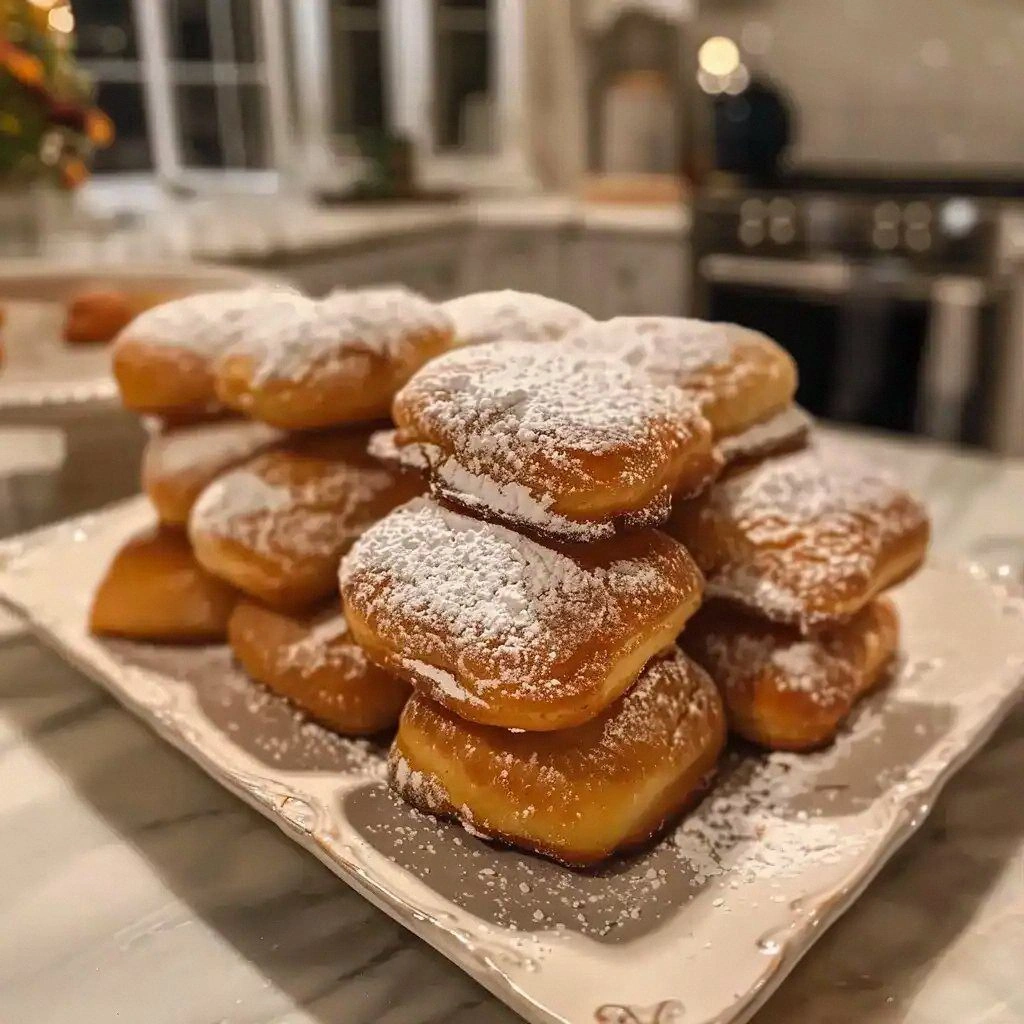
I dare you to taste this and not go back for seconds. The first bite is a burst of sweet vanilla, followed by a light, airy interior that melts in your mouth, while the crisp edges shatter like thin ice, creating a satisfying crunch. It’s a dance of textures that feels like a symphony in your mouth—soft, buttery, and perfectly balanced. The secret? A dash of butter in the dough, a generous splash of vanilla, and a careful hand in shaping each beignet to a perfect circle, ensuring even frying.
If you’ve ever struggled with making beignets that are too dense or too greasy, you’re not alone. I’ve been there, watching my dough settle into a soggy mess, only to learn that the right balance of flour and liquid, along with a proper rise, makes all the difference. The beauty of this recipe is that it’s simple, yet it elevates the humble beignet into something that feels luxurious and restaurant‑quality. Picture yourself pulling this out of the oven, the whole kitchen smelling incredible, and the moment your family gathers around the table, eyes wide with anticipation.
Okay, ready for the game‑changer? Let me walk you through every single step—by the end, you’ll wonder how you ever made it any other way. We’re going to make a dough that’s airy, a fry that’s crisp, and a dusting that’s the perfect finishing touch. I’ll share every micro‑challenge, every bold claim, and every confession that turns this into the best version you’ll ever make at home. Let’s dive in.
What Makes This Version Stand Out
- Airy Texture: The dough is intentionally under‑mixed, preserving tiny pockets of air that expand during frying, creating a cloud‑like interior that melts on contact with the tongue.
- Golden Finish: Using a blend of butter in the dough and a splash of milk in the dusting gives the beignets a buttery sheen that glistens like a sunrise.
- Vanilla Infusion: Two teaspoons of vanilla—one in the dough and one in the dusting—provide a layered vanilla aroma that lingers long after the last bite.
- Simple Ingredients: Only a handful of pantry staples, no obscure spices or specialty flours, making this recipe accessible to every home cook.
- Make‑ahead Friendly: The dough can be refrigerated overnight, allowing the yeast to work slowly and producing an even richer flavor profile.
- Crowd‑pleasing: The combination of soft interior and crisp exterior makes these beignets a hit at brunches, family gatherings, and even office potlucks.
- Versatile Serving: Serve them warm with a dusting of powdered sugar, a drizzle of honey, or a scoop of vanilla ice cream for a decadent dessert.
- Balanced Nutrition: While indulgent, the recipe keeps a respectable protein content thanks to whole milk and eggs, making it a treat you can feel good about.
Alright, let's break down exactly what goes into this masterpiece. Stay with me here — this is worth it.
Inside the Ingredient List
The Flavor Base
The yeast, warm water, and a touch of sugar kickstart the fermentation process, creating the lightness that defines a good beignet. Yeast is the silent hero that turns simple ingredients into a fluffy dough, while the warm water activates it, ensuring a vigorous rise. If you skip the yeast, the beignets will be flat and heavy—think of it as trying to bake bread without a leavening agent.
Granulated sugar is added not only for sweetness but also to feed the yeast, giving it energy to produce carbon dioxide. A small amount of sugar balances the savory notes of the dough, preventing it from tasting too bland. If you omit sugar, you might find the dough too dry and the finished pastry lacking that subtle caramelized edge.
Salt is the flavor enhancer that brings out the richness of the other ingredients. It also controls yeast activity, preventing overproofing. Too much salt can kill the yeast; too little can result in a bland dough. A pinch of salt is all you need to elevate the flavor profile.
The Texture Crew
Whole milk adds moisture and a slight richness, creating a tender crumb. The fat content of the milk helps create a silky texture that melts in your mouth. If you use skim milk, the beignets will be drier and less luxurious.
Eggs are the binder that holds everything together, providing structure and a golden color. The proteins in eggs coagulate during frying, giving the beignets a firm yet airy interior. Skipping the egg will make the dough crumbly and less cohesive.
Butter is the secret to a buttery flavor and a crisp exterior. It also adds a subtle richness that makes the beignets feel indulgent. You can substitute half the butter with olive oil for a slightly different flavor profile.
The Unexpected Star
Vegetable oil is the frying medium that gives the beignets their golden crust. The high smoke point ensures even frying without burning the exterior. If you use butter for frying, the beignets will have a buttery taste but may brown too quickly.
Powdered sugar is the final touch that adds sweetness and a delicate crunch when sprinkled on top. The fine texture of powdered sugar dissolves quickly, leaving a sweet finish. A pinch of sea salt on top can balance the sweetness and elevate the flavor.
The Final Flourish
A splash of milk in the dusting creates a glossy sheen that makes the beignets look irresistible. It also adds moisture to the powdered sugar, preventing clumping. If you prefer a drier dusting, use plain powdered sugar without milk.
Vanilla extract is used twice—once in the dough and once in the dusting—to layer the aroma. The vanilla’s sweet, floral notes permeate the dough and linger on the surface. If you’re vegan, you can replace vanilla extract with a splash of almond or coconut extract for a different twist.
Everything's prepped? Good. Let's get into the real action.
The Method — Step by Step
- In a small bowl, combine ¾ cup warm water, 1 packet active dry yeast, and ¼ cup granulated sugar. Stir until the yeast dissolves and let it sit for 5 minutes until the mixture becomes foamy—this is the first sign your yeast is alive. This step is crucial; if the yeast doesn’t foam, the dough won’t rise.
- While the yeast activates, whisk together ½ cup whole milk, 1 large egg, 1 teaspoon vanilla extract, and 2 tablespoons unsalted butter until smooth. The butter should be at room temperature to blend seamlessly. The mixture should feel silky, like a thick custard.
- In a large mixing bowl, combine the foamy yeast mixture with the wet mixture. Stir gently, then add 3 ¾ cups all-purpose flour and ½ teaspoon salt. Mix until a shaggy dough forms. The dough should be slightly sticky but manageable.
- Turn the dough onto a lightly floured surface and knead for about 5 minutes until it becomes smooth and elastic. If the dough remains tacky, sprinkle a little more flour, but avoid over‑kneading which can make the beignets tough.
- Place the dough in a greased bowl, cover with a damp cloth, and let it rise in a warm spot for 1 hour, or until it has doubled in size. The dough should feel airy, like a puffed balloon. If you’re short on time, you can use a slow cooker on low for 2 hours.
- Once risen, gently punch the dough down to release excess air. Divide it into 12 equal portions, rolling each into a smooth ball. This portioning ensures uniform size and cooking time.
- Heat 1–2 inches of vegetable oil in a deep skillet or pot to 350°F (175°C). Use a thermometer to maintain the temperature; if the oil is too hot, the beignets will burn on the outside while remaining raw inside.
- Place the dough balls into the hot oil, one at a time, turning them gently with tongs. Fry until they puff up and develop a golden brown crust, about 3–4 minutes per side. The sizzle when they hit the pan? Absolute perfection.
- Remove the beignets with a slotted spoon and drain them on paper towels for 1 minute. While still hot, dust them with a mixture of 1 cup powdered sugar, 2 tablespoons milk, and 1 teaspoon vanilla extract. Shake off excess sugar and serve immediately.
- If you’re making a large batch, keep the fried beignets warm in an oven set to 200°F (90°C) while you finish frying the rest. This prevents them from becoming soggy.
That's it — you did it. But hold on, I've got a few more tricks that'll take this to another level.
Insider Tricks for Flawless Results
The Temperature Rule Nobody Follows
Many bakers think that higher oil temperatures always yield crispier beignets, but the truth is a steady 350°F is the sweet spot. If the oil is too hot, the exterior browns too quickly, trapping steam inside and leaving a gummy center. Keep the temperature consistent by using a thermometer and adjusting the heat as needed.
Why Your Nose Knows Best
Before you lift a beignet from the oil, give it a quick sniff. A slightly caramelized aroma indicates a perfect golden crust, while a sharp, oily smell means it’s still frying. Trust your nose; it’s a reliable guide to doneness.
The 5-Minute Rest That Changes Everything
After draining, let the beignets rest for 5 minutes on a wire rack. This allows excess oil to drip off and the steam to escape, preventing a soggy bottom. If you skip this step, you’ll end up with a greasy, less delightful texture.
The Secret to a Fluffy Interior
When shaping the dough balls, press the center slightly to create a small cavity. This cavity traps air as the beignets fry, giving them that signature airy interior. It’s a simple trick that makes a noticeable difference.
The Quick Dusting Trick
Instead of sprinkling powdered sugar directly on the beignets, whisk it with a splash of milk and vanilla extract. This creates a fine, silky dusting that clings to the surface, enhancing both flavor and presentation.
The Final Touch of Vanilla
Right after dusting, drizzle a light stream of vanilla‑infused honey. The honey adds a glossy finish and a hint of caramel, making the beignets feel indulgent. A quick drizzle also helps the powdered sugar adhere better.
Creative Twists and Variations
This recipe is a playground. Here are some of my favorite ways to switch things up:
Cinnamon Sugar Beignets
Add 1 teaspoon ground cinnamon to the powdered sugar dusting. The warm spice pairs beautifully with vanilla, giving the beignets a cozy, autumnal flavor that’s perfect for holiday mornings.
Chocolate Drizzle Beignets
Melt ½ cup dark chocolate and drizzle over the hot beignets. The chocolate hardens slightly, creating a delightful contrast between the soft dough and the glossy, slightly crisp coating.
Lemon‑Zest Beignets
Add the zest of one lemon to the dough and mix it into the powdered sugar dusting. The citrus brightens the flavor, making the beignets feel fresh and vibrant.
Almond‑Infused Beignets
Replace half the flour with almond flour and add 2 tablespoons almond extract to the dough. The nutty undertone gives the beignets a subtle depth, and they pair wonderfully with a splash of maple syrup.
Savory Herb Beignets
Omit the sugar in the dough and sprinkle chopped fresh herbs like rosemary or thyme onto the dough before frying. Serve with a side of garlic aioli for a savory twist that’s surprisingly delicious.
Mini Beignet Bites
Reduce the dough portions to 1‑inch balls for bite‑size treats. These mini beignets are perfect for parties or as a fun addition to a brunch buffet.
Storing and Bringing It Back to Life
Fridge Storage
Cool the beignets completely, then place them in an airtight container. Store in the refrigerator for up to 3 days. When ready to serve, reheat in a 350°F oven for 5 minutes to restore crispness.
Freezer Friendly
Arrange the cooled beignets on a baking sheet and freeze until solid. Transfer them to a freezer bag and keep for up to 2 months. Reheat in the oven at 350°F for 10 minutes, or pop them in a toaster oven for a quicker crisp.
Best Reheating Method
Add a splash of water to the oven before reheating; the steam will help the beignets regain their airy interior. A quick 5‑minute bake at 350°F is enough to revive the texture without drying them out.